Back

Microbiology Exam 1 Comprehensive Study Guide

Study Guide - Learn with Videos

Curated lessons matched to your uploaded material – learn every topic step by step.

Members of the Bacterial World

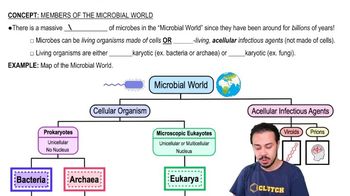
  • Members of the Bacterial World
    06:17

Introduction to Taxonomy

  • Introduction to Taxonomy Example 2
    01:37
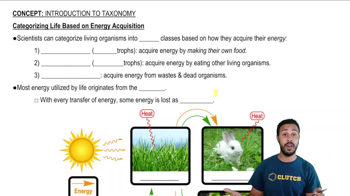
  • Categorizing Life Based on Energy Acquisition
    06:14
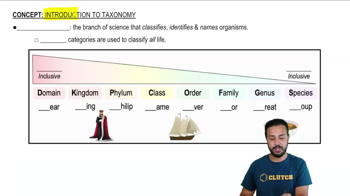
  • Introduction to Taxonomy
    02:23

Importance of Microorganisms

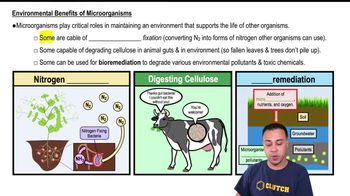
  • Environmental Benefits of Microorganisms
    04:27
  • Importance of Microorganisms
    01:25
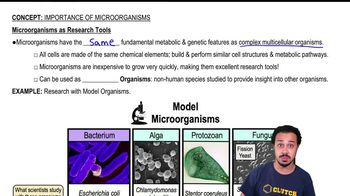
  • Microorganisms as Research Tools
    03:48

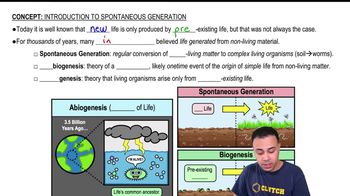
Introduction to Spontaneous Generation

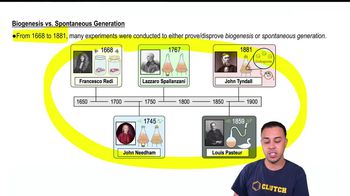
  • Biogenesis vs. Spontaneous Generation
    02:05
  • Introduction to Spontaneous Generation
    05:59

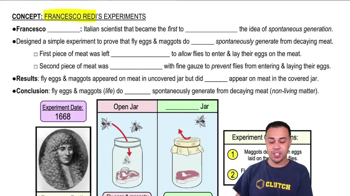
Francesco Redi's Experiments

  • Francesco Redi's Experiments
    05:16

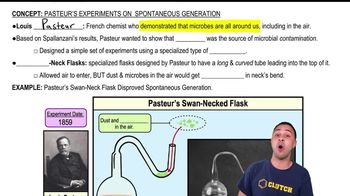
Pasteur's Experiments on Spontaneous Generation

  • Pasteur's Experiments on Spontaneous Generation
    03:50
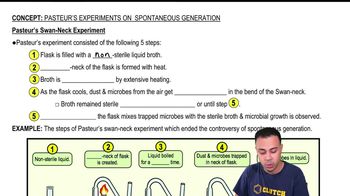
  • Pasteur’s Swan-Neck Experiment
    05:58

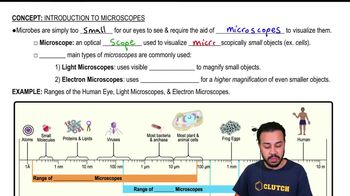
Introduction to Microscopes

  • Introduction to Microscopes
    06:13

Atoms- Smallest Unit of Matter

  • Atoms- Smallest Unit of Matter Example 1
    02:13
  • Atoms- Smallest Unit of Matter Example 3
    03:51
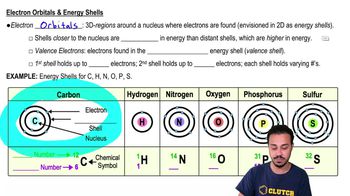
  • Electron Orbitals & Energy Shells
    09:44

Isotopes

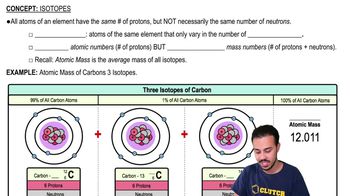
  • Isotopes
    06:50
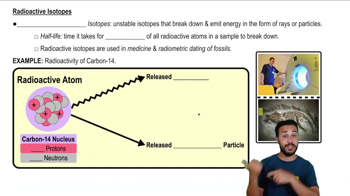
  • Radioactive Isotopes
    02:37

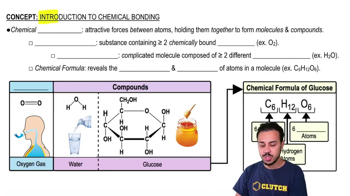
Introduction to Chemical Bonding

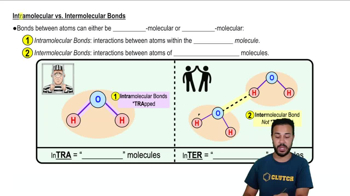
  • Intramolecular vs. Intermolecular Bonds
    04:01
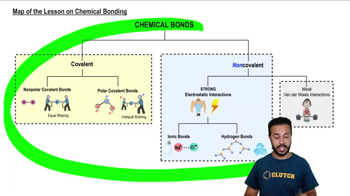
  • Map of the Lesson on Chemical Bonding
    02:42
  • Introduction to Chemical Bonding
    06:53

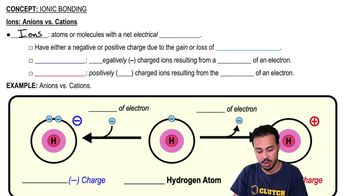
Ionic Bonding

  • Ionic Bonding
    04:34
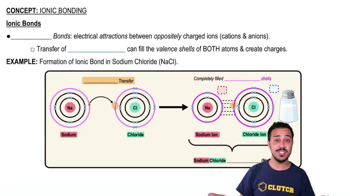
  • Ionic Bonds
    06:07

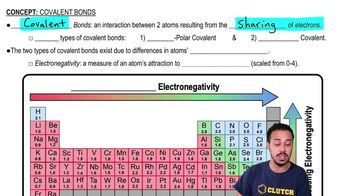
Covalent Bonds

  • Covalent Bonds
    04:28
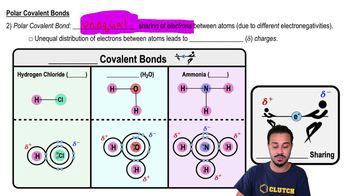
  • Polar Covalent Bonds
    06:51
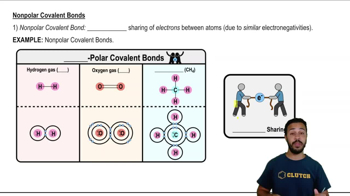
  • Nonpolar Covalent Bonds
    06:41

Hydrogen Bonding

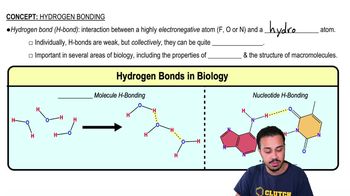
  • Hydrogen Bonding
    05:03

Introduction to Water

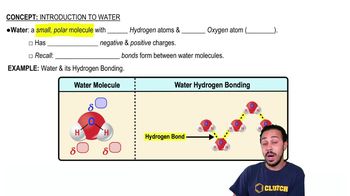
  • Introduction to Water
    01:54
  • Introduction to Water Example 1
    01:51
  • Introduction to Water
    01:29

Acids and Bases

  • Acids
    03:44
  • Acids and Bases
    01:29
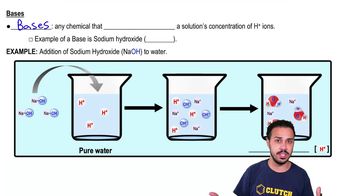
  • Bases
    03:48

pH Scale

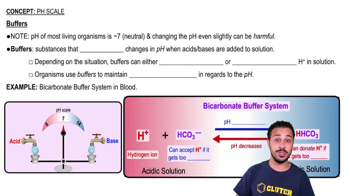
  • Buffers
    05:38
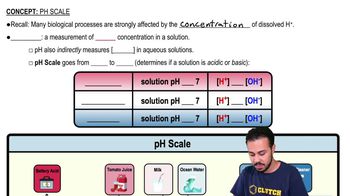
  • pH Scale
    11:05

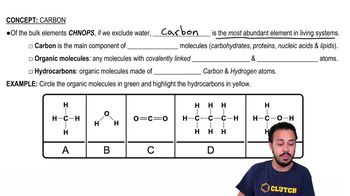
Carbon

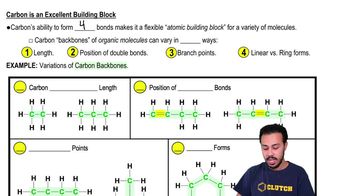
  • Carbon is an Excellent Building Block
    03:35
  • Carbon
    04:19

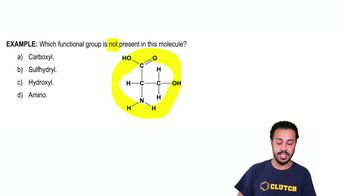
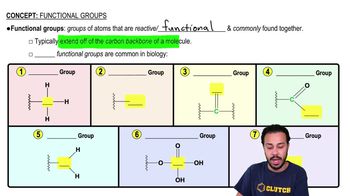
Functional Groups

  • Functional Groups Example 1
    02:00
  • Functional Groups
    06:04

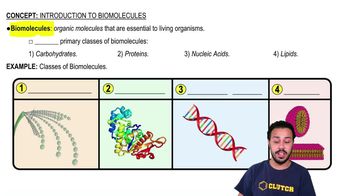
Introduction to Biomolecules

  • Introduction to Biomolecules
    01:17
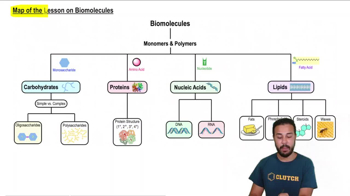
  • Map of the Lesson on Biomolecules
    01:29

Monomers & Polymers

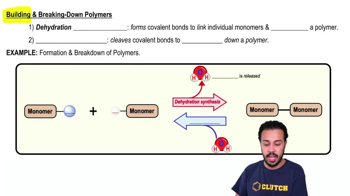
  • Building & Breaking-Down Polymers
    04:18
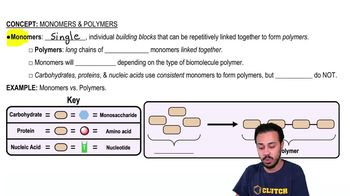
  • Monomers & Polymers
    03:42

Carbohydrates

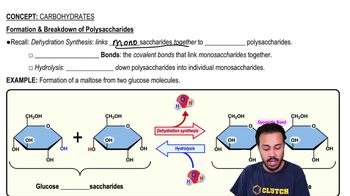
  • Formation & Breakdown of Polysaccharides
    03:08
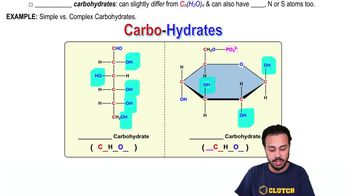
  • Carbohydrates
    04:53
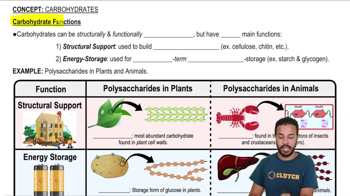
  • Carbohydrate Functions
    04:48

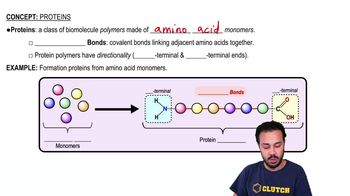
Proteins

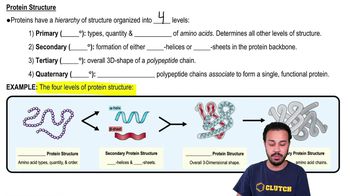
  • Protein Structure
    08:02
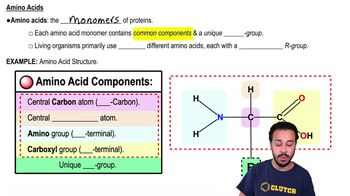
  • Amino Acids
    04:37
  • Proteins
    02:50

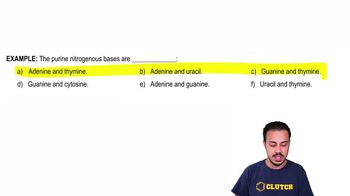
Nucleic Acids

  • Nucleic Acids Example 2
    01:05
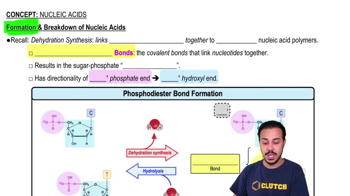
  • Formation & Breakdown of Nucleic Acids
    04:07
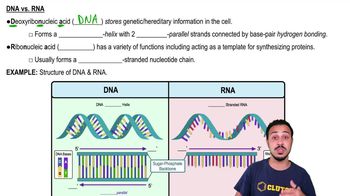
  • DNA vs. RNA
    05:57

Lipids

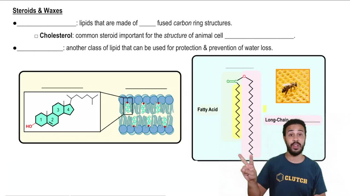
  • Steroids & Waxes
    03:31
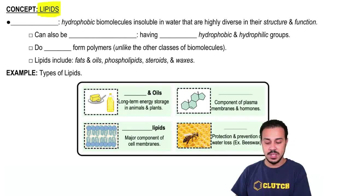
  • Lipids
    04:19
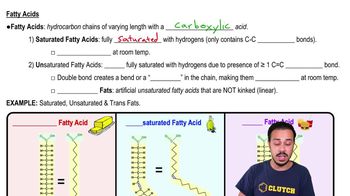
  • Fatty Acids
    06:59

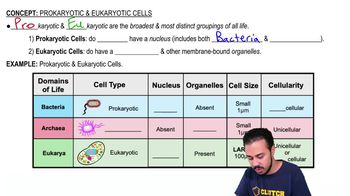
Prokaryotic & Eukaryotic Cells

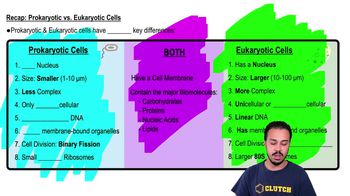
  • Recap:Prokaryotic vs. Eukaryotic Cells
    04:26
  • Prokaryotic & Eukaryotic Cells
    05:54
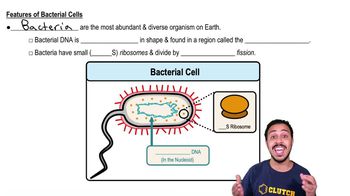
  • Features of Bacterial Cells
    03:54

Bacterial Cell Morphology & Arrangements

  • Types of Bacterial Cell Morphology
    02:44
  • Bacterial Cell Morphology & Arrangements
    01:13
  • Bacilli Bacterial Cell Arrangements
    03:56

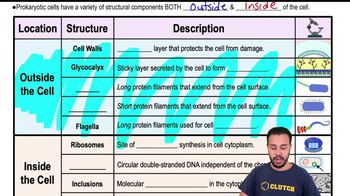
Overview of Prokaryotic Cell Structure

  • Overview of Prokaryotic Cell Structure
    05:59

Introduction to Bacterial Cell Walls

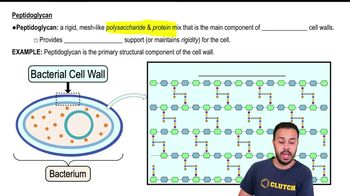
  • Peptidoglycan
    01:58
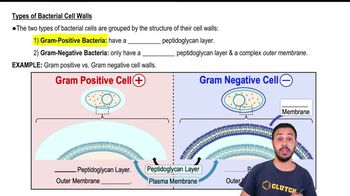
  • Types of Bacterial Cell Walls
    02:44
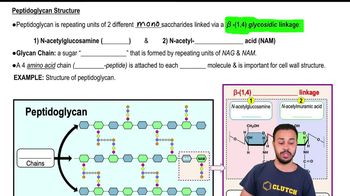
  • Peptidoglycan Structure
    04:44

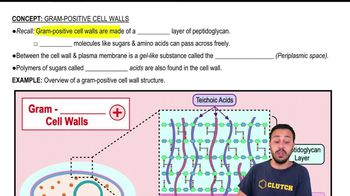
Gram-Positive Cell Walls

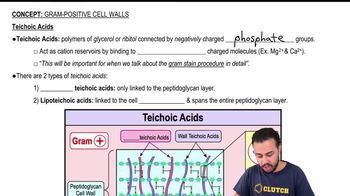
  • Teichoic Acids
    03:58
  • Gram-Positive Cell Walls
    02:59

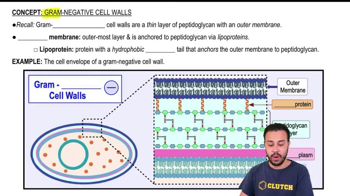
Gram-Negative Cell Walls

  • Gram-Negative Cell Walls
    3:04
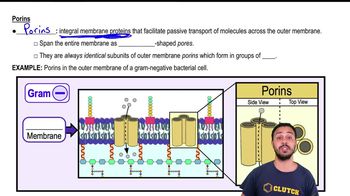
  • Porins
    02:18
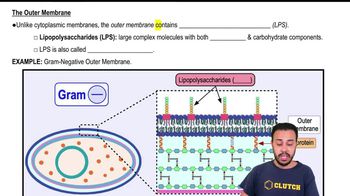
  • The Outer Membrane
    02:15

Gram-Positive vs. Gram-Negative Cell Walls

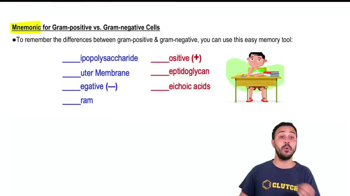
  • Mnemonic for Gram-Positive vs. Gram-Negative Cell Walls
    01:41
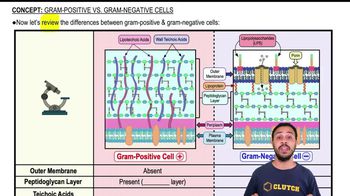
  • Gram-Positive vs. Gram-Negative Cell Walls
    04:46

The Glycocalyx: Capsules & Slime Layers

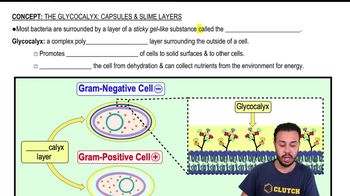
  • The Glycocalyx: Capsules & Slime Layers
    02:26
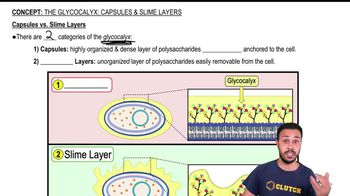
  • Capsules vs. Slime Layers
    01:53

Biofilms

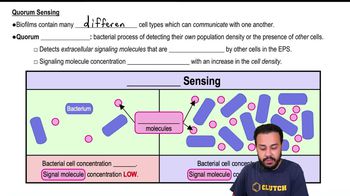
  • Quorum Sensing
    04:13
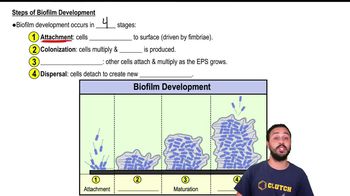
  • Steps of Biofilm Development
    04:32
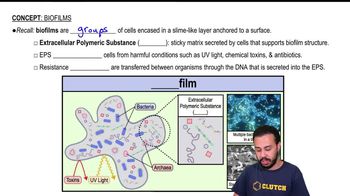
  • Biofilms
    03:14

Pili

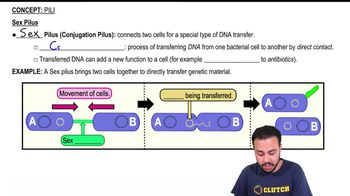
  • Sex Pilus
    03:29
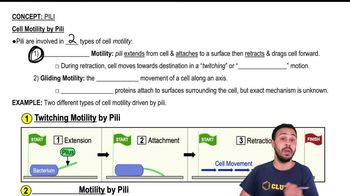
  • Cell Motility by Pili
    02:59
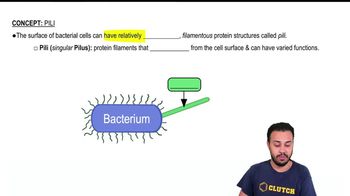
  • Pili
    01:02

Fimbriae & Hami

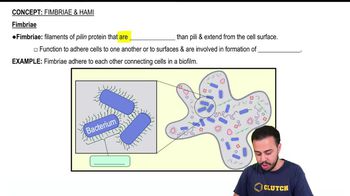
  • Fimbriae & Hami
    01:52
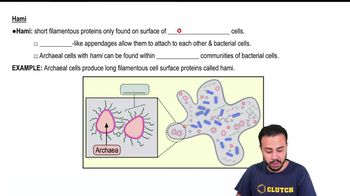
  • Hami
    01:51

Introduction to Prokaryotic Flagella

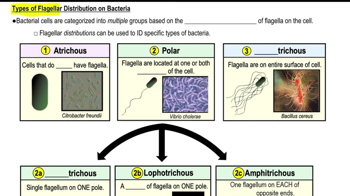
  • Types of Flagellar Distribution on Bacteria
    05:22
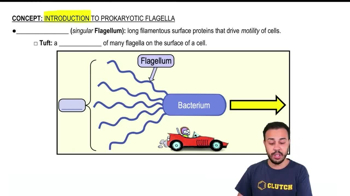
  • Introduction to Prokaryotic Flagella
    02:07

Prokaryotic Ribosomes

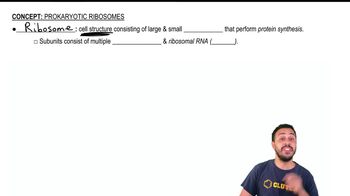
  • Prokaryotic Ribosomes
    01:51
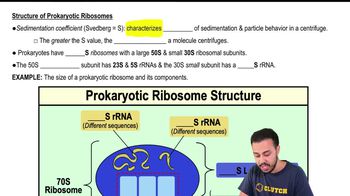
  • Structure of Prokaryotic Ribosomes
    08:39

Introduction to Bacterial Plasmids

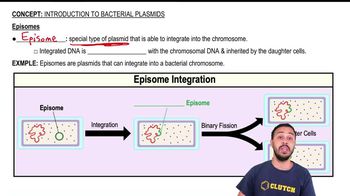
  • Episomes
    01:47
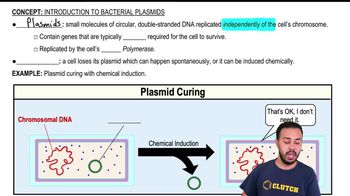
  • Introduction to Bacterial Plasmids
    02:52

Cell Inclusions

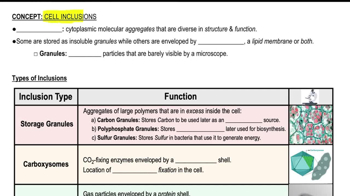
  • Cell Inclusions
    05:20

Endospores

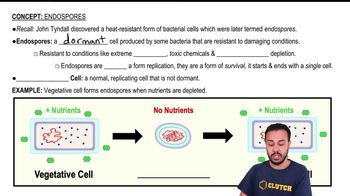
  • Endospores
    05:35
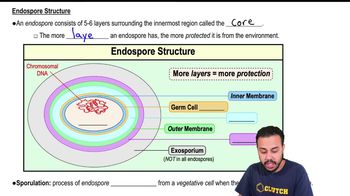
  • Endospore Structure
    03:08

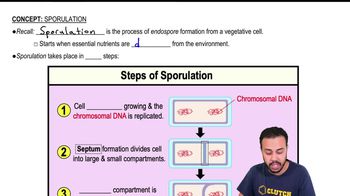
Sporulation

  • Sporulation
    04:08

Germination

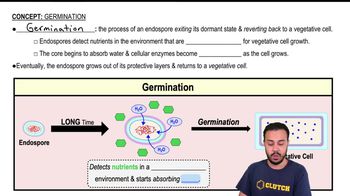
  • Germination
    02:59

Introduction to Eukaryotic Organelles

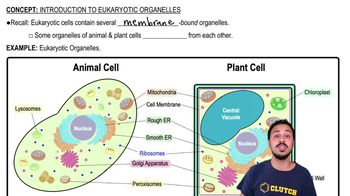
  • Introduction to Eukaryotic Organelles
    03:45
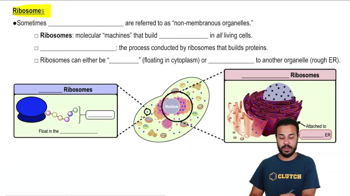
  • Eukaryotic Ribosomes
    05:51
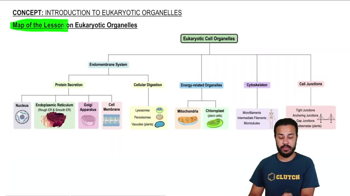
  • Map of the Lesson on Eukaryotic Organelles
    02:04

Endomembrane System: Protein Secretion

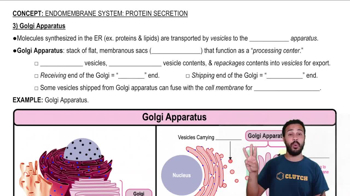
  • Golgi Apparatus
    06:02
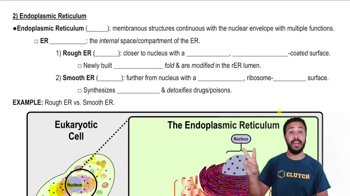
  • Endoplasmic Reticulum
    06:07
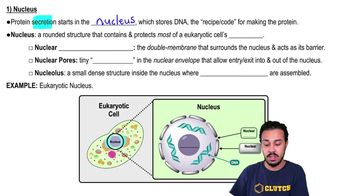
  • Nucleus
    06:32

Endomembrane System: Digestive Organelles

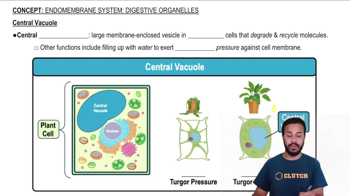
  • Central Vacuole
    03:35
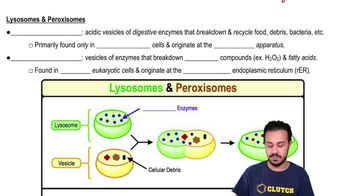
  • Lysosome & Peroxisome
    05:38

Mitochondria & Chloroplasts

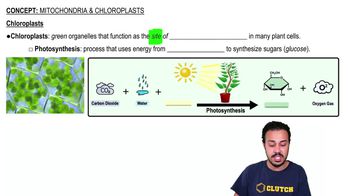
  • Chloroplasts
    03:16
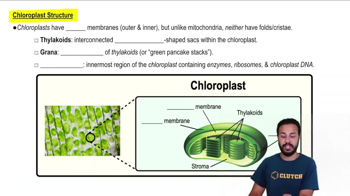
  • Chloroplast Structure
    03:49
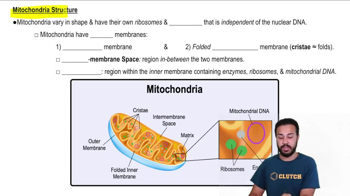
  • Mitochondria Structure
    04:45

Endosymbiotic Theory

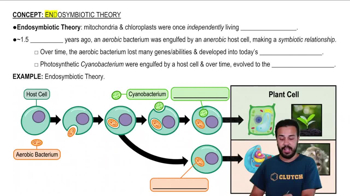
  • Endosymbiotic Theory
    07:29

Introduction to Microbial Genetics

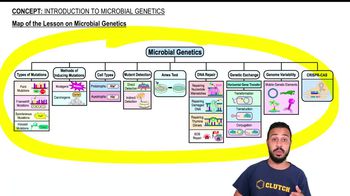
  • Map of the Lesson on Microbial Genetics
    02:04
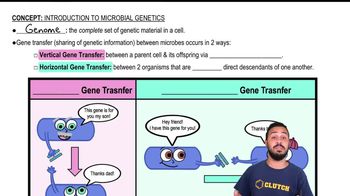
  • Introduction to Microbial Genetics
    04:20

Introduction to DNA Replication

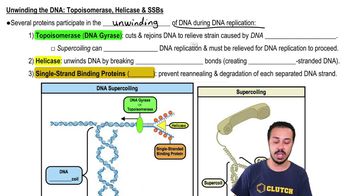
  • Unwinding the DNA:Topoisomerase, Helicase & SSBs
    05:10
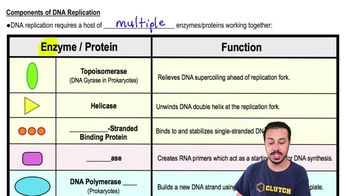
  • Components of DNA Replication
    04:47
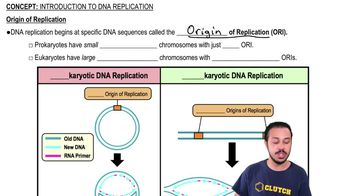
  • Origin of Replication
    03:33

DNA Polymerases

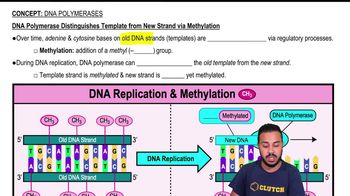
  • DNA Polymerase Distinguishes Template from New Strand via Methylation
    03:47
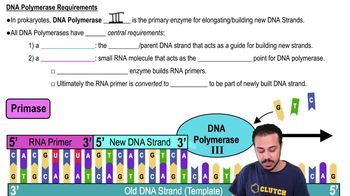
  • DNA Polymerases Requirements
    05:03
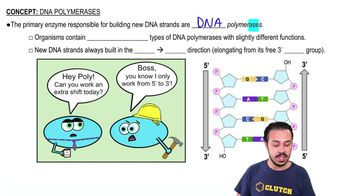
  • DNA Polymerases
    04:01

Leading & Lagging DNA Strands

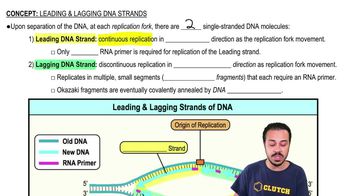
  • Leading & Lagging DNA Strands
    05:15

Steps of DNA Replication

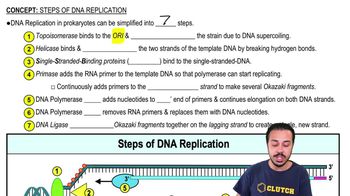
  • Steps of DNA Replication
    09:29

Central Dogma

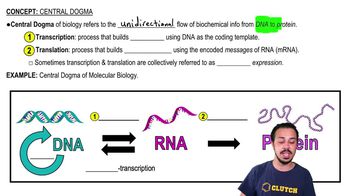
  • Central Dogma
    05:45

Introduction to Transcription

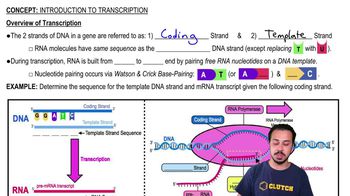
  • Overview of Transcription
    07:44
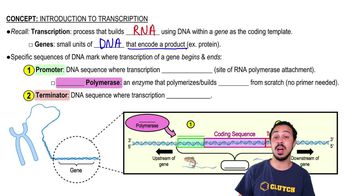
  • Introduction to Transcription
    05:51

Steps of Transcription

  • Elongation of Transcription
    02:44
  • Initiation of Transcription
    04:16
  • Elongation of Transcription
    04:01

Introduction to Types of RNA

  • Introduction to Types of RNA
    07:20

Genetic Code

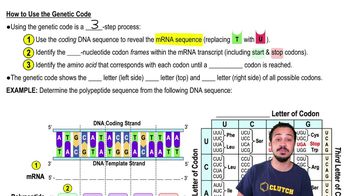
  • How to Use the Genetic Code
    11:39
  • Genetic Code
    01:28

Introduction to Translation

  • Ribosomal tRNA Binding Sites
    06:16
  • Ribosome Subunits
    08:42
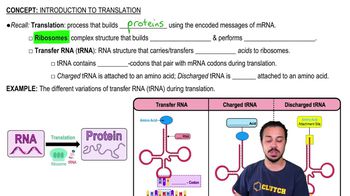
  • Introduction to Translation
    06:12

Steps of Translation

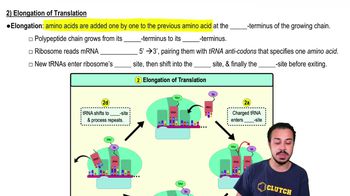
  • Elongation of Translation
    04:59
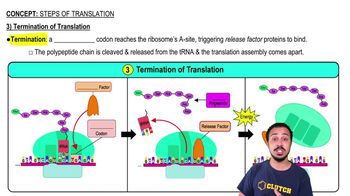
  • Termination of Translation
    02:16
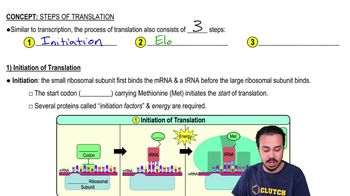
  • Steps of Translation
    05:03

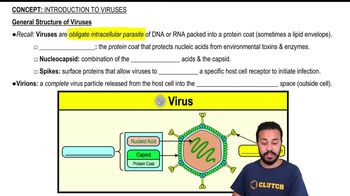
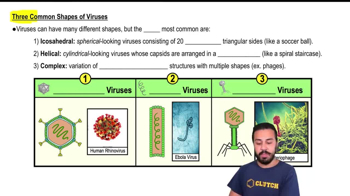
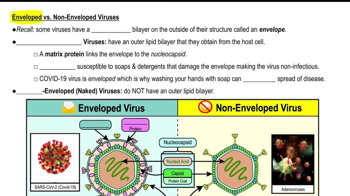
Introduction to Viruses

  • General Structure of Viruses
    04:47
  • Three Common Shapes of Viruses
    03:19
  • Enveloped vs. Non-Enveloped Viruses
    05:09

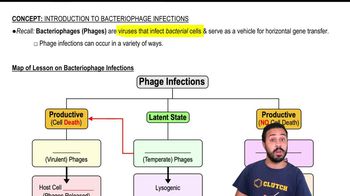
Introduction to Bacteriophage Infections

  • Map of Lesson on Bacteriophage Infections
    03:52
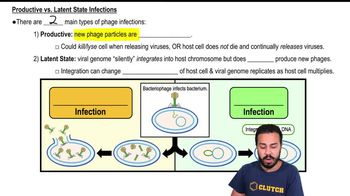
  • Productive vs. Latent State Infections
    04:09
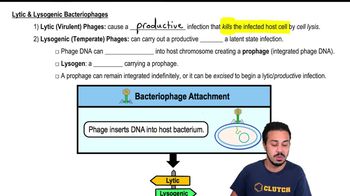
  • Lytic & Lysogenic Bacteriophages
    04:34

Bacteriophage: Lytic Phage Infections

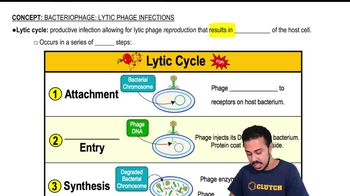
  • Bacteriophage: Lytic Phage Infections
    04:58

Bacteriophage: Lysogenic Phage Infections

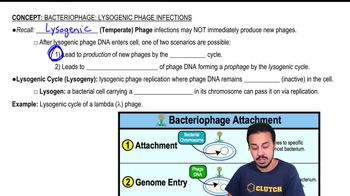
  • Bacteriophage: Lysogenic Phage Infections
    05:27
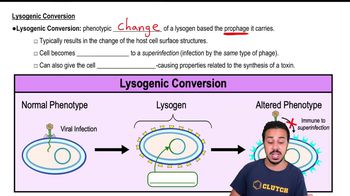
  • Lysogenic Conversion
    03:37

Plaque Assays

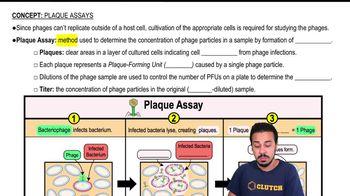
  • Plaque Assays
    04:21

Introduction to Animal Virus Infections

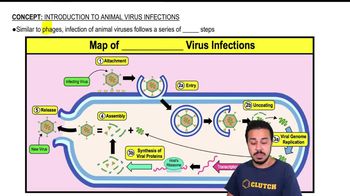
  • Introduction to Animal Virus Infections
    02:33
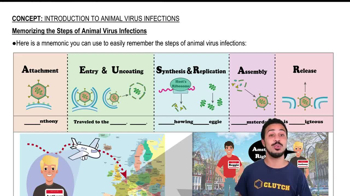
  • Memorizing the Steps of Animal Virus Infections
    01:40

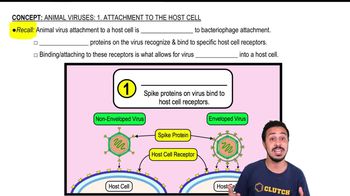
Animal Viruses: 1. Attachment to the Host Cell

  • Animal Viruses: 1. Attachment to the Host Cell
    03:12

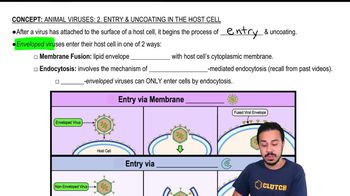
Animal Viruses: 2. Entry & Uncoating in the Host Cell

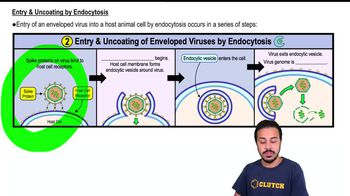
  • Entry & Uncoating by Endocytosis
    02:29
  • Animal Viruses: 2. Entry & Uncoating in the Host Cell
    04:29
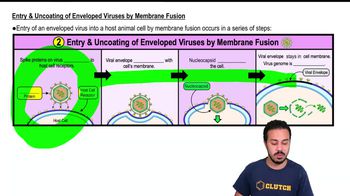
  • Entry & Uncoating of Enveloped Viruses by Membrane Fusion
    02:59

Animal Viruses: 3. Synthesis & Replication

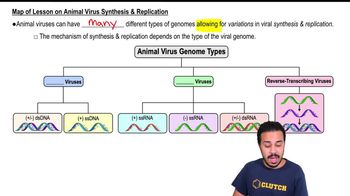
  • Map of Lesson on Animal Virus Synthesis & Replication
    03:34
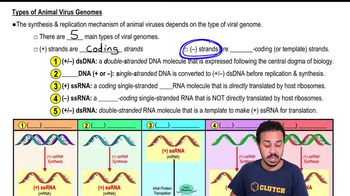
  • Types of RNA Virus Genomes
    10:46
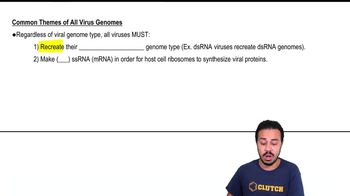
  • Common Themes of All Virus Genomes
    02:58

Animal Viruses: DNA Virus Synthesis & Replication

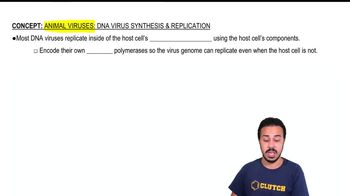
  • Animal Viruses: DNA Virus Synthesis & Replication
    01:10
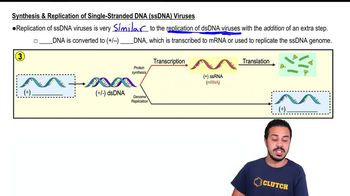
  • Replication of Single-Stranded DNA (ssDNA) Viruses
    04:12
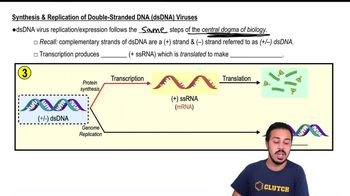
  • Replication of Double-Stranded DNA (dsDNA) Viruses
    03:58

Animal Viruses: RNA Virus Synthesis & Replication

  • Animal Viruses: RNA Virus Synthesis & Replication
    01:30
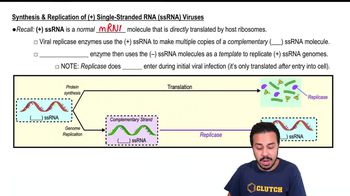
  • Replication of (+) Single Strand RNA (ssRNA) Viruses
    03:52
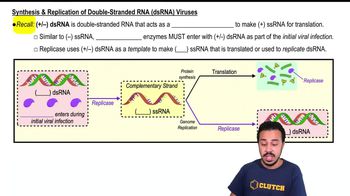
  • Replication of Double-Stranded RNA Viruses
    04:28

Animal Viruses: 4. Assembly Inside Host Cell

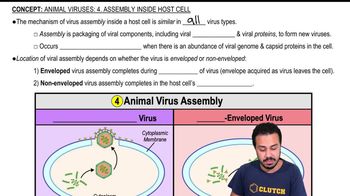
  • Animal Viruses: 4. Assembly Inside Host Cell
    04:26

Animal Viruses: 5. Release from Host Cell

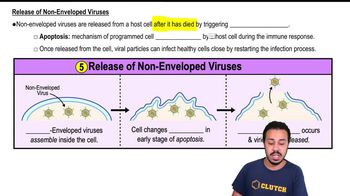
  • Release of Non-Enveloped Viruses
    02:34
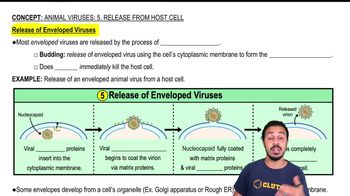
  • Release of Enveloped Viruses
    05:08

Acute vs. Persistent Viral Infections

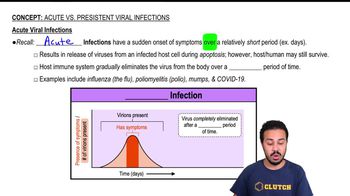
  • Acute Viral Infections
    03:29
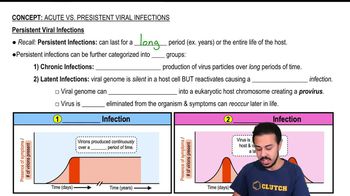
  • Persistent Viral Infections
    05:12
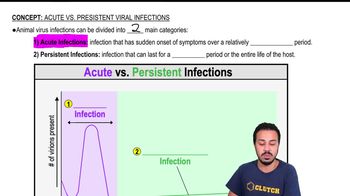
  • Acute vs. Persistent Viral Infections
    02:59

Viroids

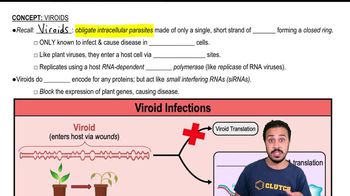
  • Viroids
    03:49

Prions

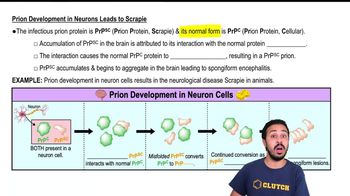
  • Prion Development in Neurons Leads to Scrapie
    04:00
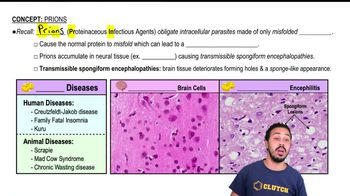
  • Prions
    03:05

Binary Fission

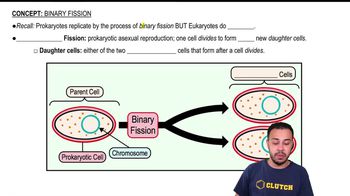
  • Binary Fission
    02:16
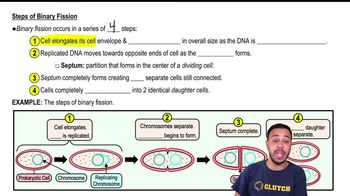
  • Steps of Binary Fission
    04:57

Generation Times

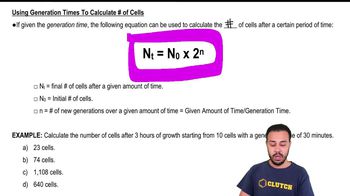
  • Calculating Generation Times
    05:48
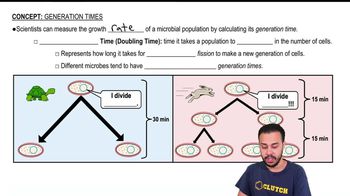
  • Generation Times
    02:54

Microbial Growth Curves in a Closed System

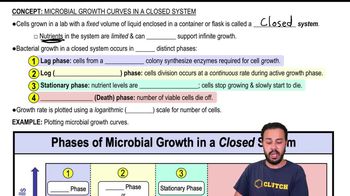
  • Microbial Growth Curves in a Closed System
    08:59
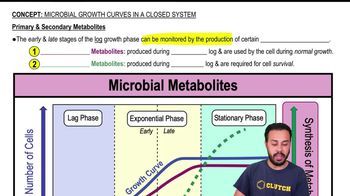
  • Primary & Secondary Metabolites
    02:33

Temperature Requirements for Microbial Growth

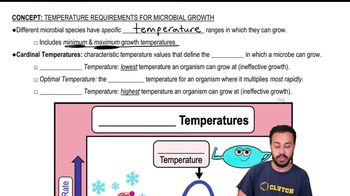
  • Temperature Requirements for Microbial Growth
    04:16
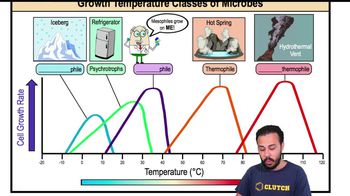
  • Classification of Microbes by Growth Temperature
    04:56
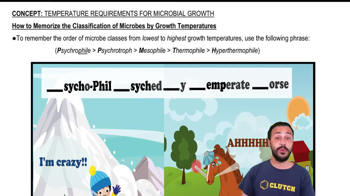
  • How to Memorize the Classification of Microbes by Growth Temperatures
    01:59

Oxygen Requirements for Microbial Growth

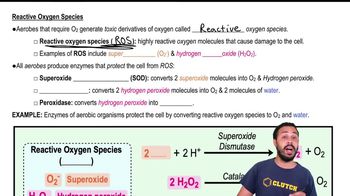
  • Reactive Oxygen Species
    04:43
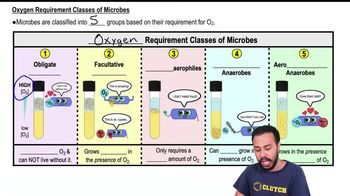
  • Oxygen Requirement Classes of Microbes
    07:27
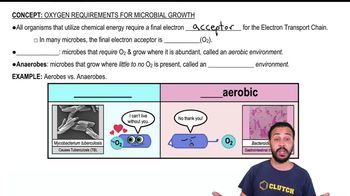
  • Oxygen Requirements for Microbial Growth
    03:52

pH Requirements for Microbial Growth

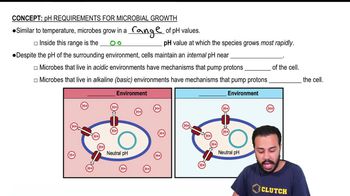
  • pH Requirements for Microbial Growth
    03:11
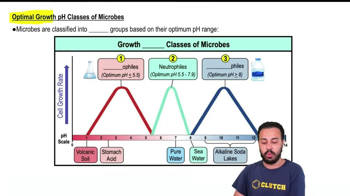
  • Optimal Growth pH Classes of Microbes
    03:23

Osmolarity Factors for Microbial Growth

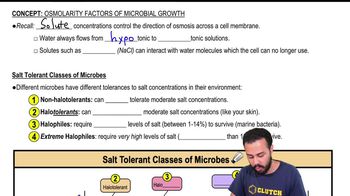
  • Osmolarity Factors for Microbial Growth
    06:30

Nutritional Factors of Microbial Growth

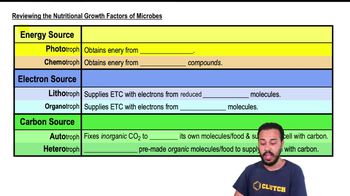
  • Reviewing the Nutritional Growth Factors of Microbes
    02:20
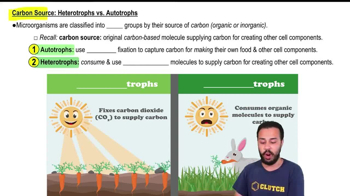
  • Carbon Source:Heterotrophs vs. Autotrophs
    02:59
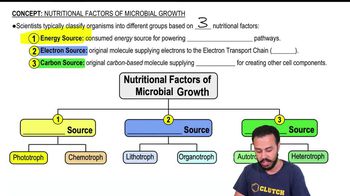
  • Nutritional Factors of Microbial Growth
    02:57

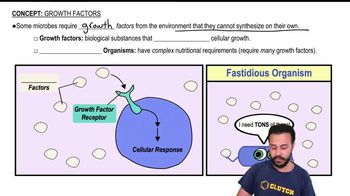
Growth Factors

  • Growth Factors
    01:55

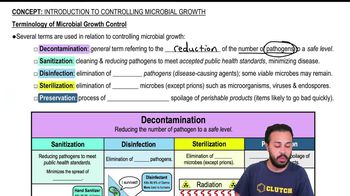
Introduction to Controlling Microbial Growth

  • Terminology of Microbial Growth Control
    07:36
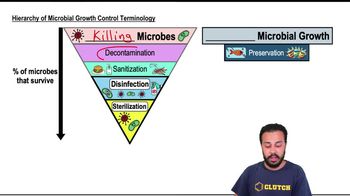
  • Hierarchy of Microbial Growth Control Terminology
    03:09
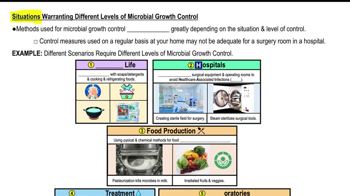
  • Situations Warranting Different Levels of Microbial Growth Control
    05:58

Physical Methods to Control Microbial Growth

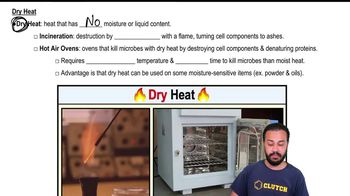
  • Dry Heat
    02:58
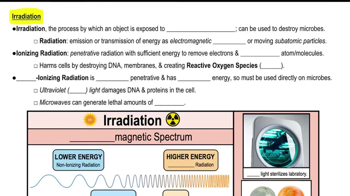
  • Irradiation
    06:18
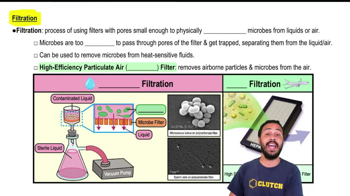
  • Filtration
    04:29

Chemical Methods to Control Microbial Growth

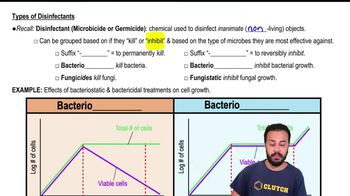
  • Types of Disinfectants
    05:21
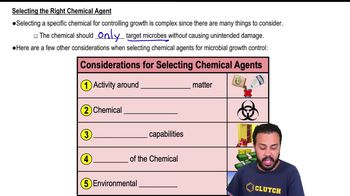
  • Selecting the Right Chemical Agent
    04:52
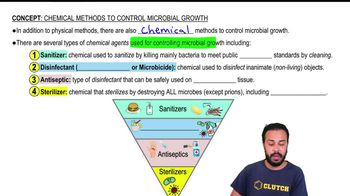
  • Chemical Methods to Control Microbial Growth
    03:58