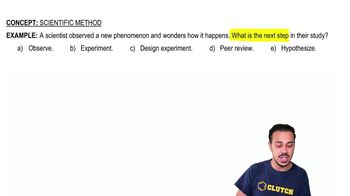
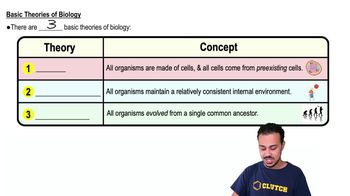
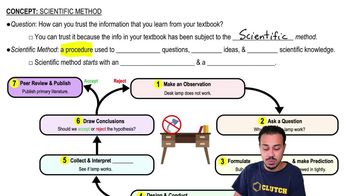
Scientific Method
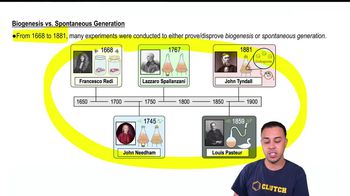
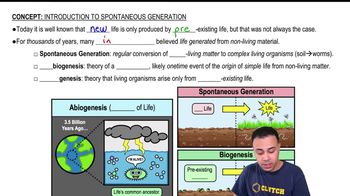
Introduction to Spontaneous Generation
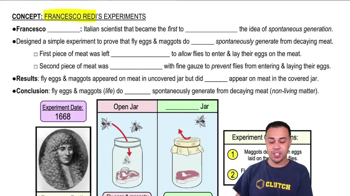
Francesco Redi's Experiments
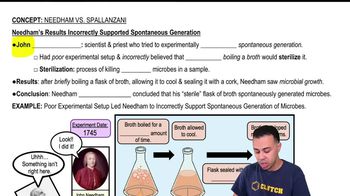
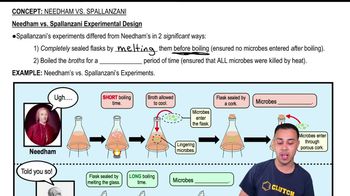
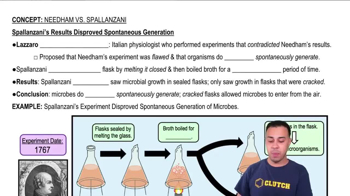
Needham vs. Spallanzani
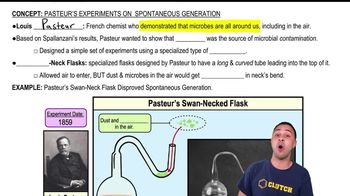
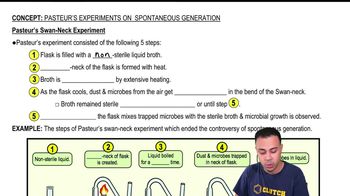
Pasteur's Experiments on Spontaneous Generation
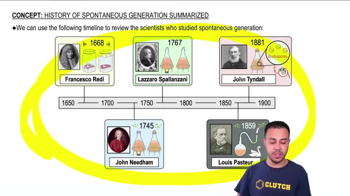
History of Spontaneous Generation Summarized
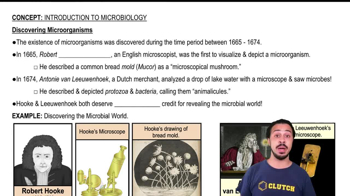
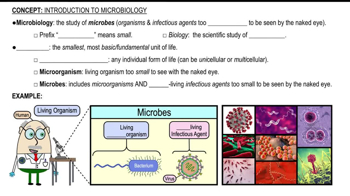
Introduction to Microbiology
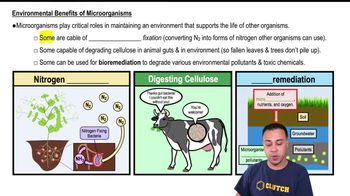
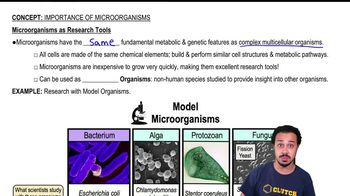
Importance of Microorganisms
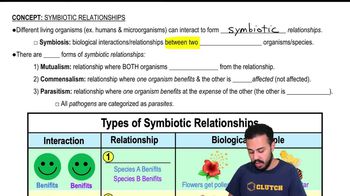
Symbiotic Relationships
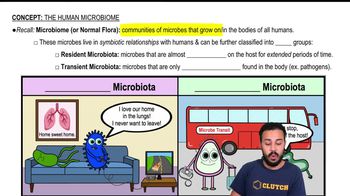
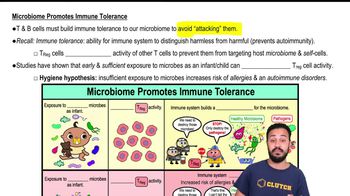
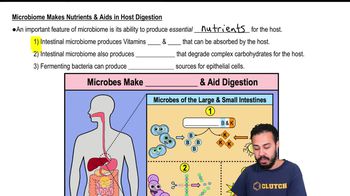
The Human Microbiome
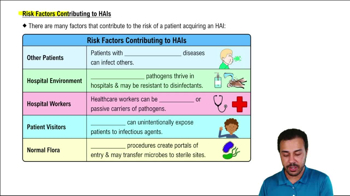
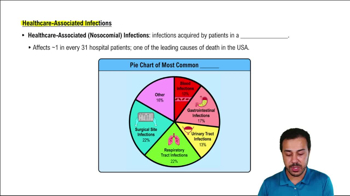
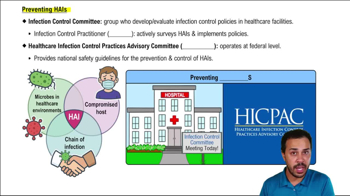
Healthcare-Associated Infections
Antimicrobial Resistance
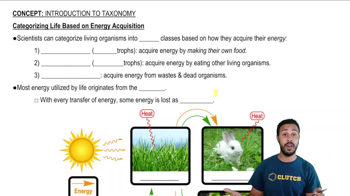
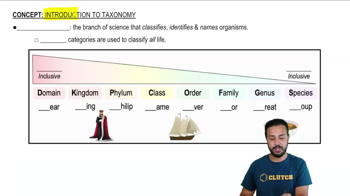
Introduction to Taxonomy
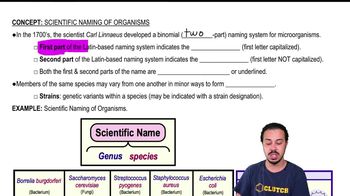
Scientific Naming of Organisms
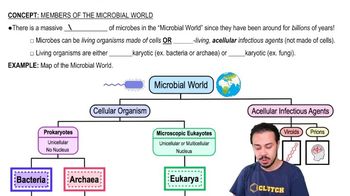
Members of the Bacterial World
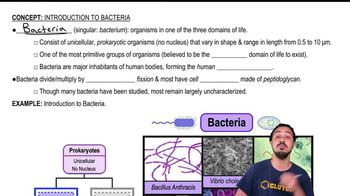
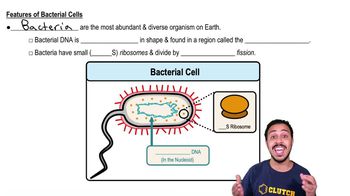
Introduction to Bacteria
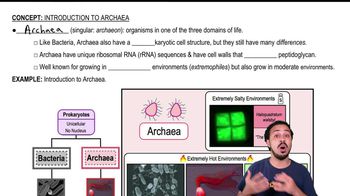
Introduction to Archaea
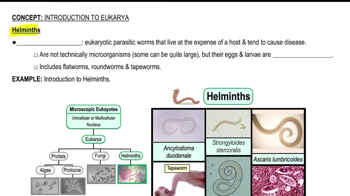
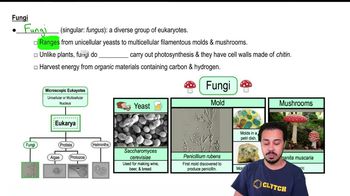
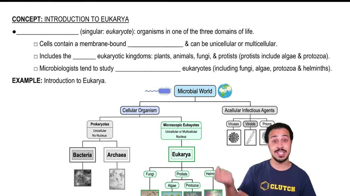
Introduction to Eukarya
Bacterial Cell Morphology & Arrangements
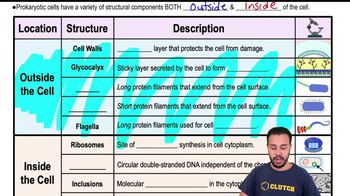
Overview of Prokaryotic Cell Structure
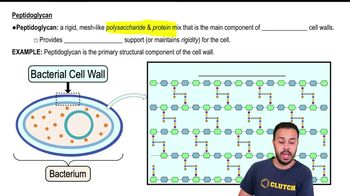
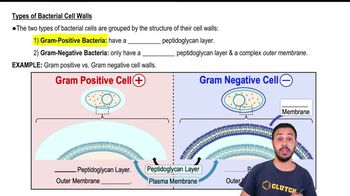
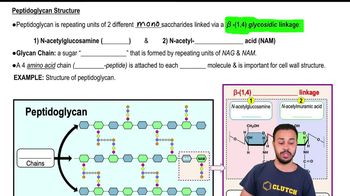
Introduction to Bacterial Cell Walls
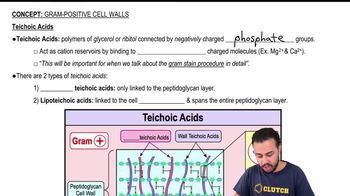
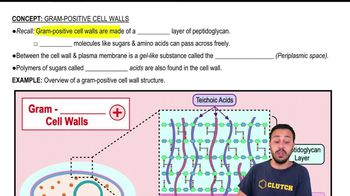
Gram-Positive Cell Walls
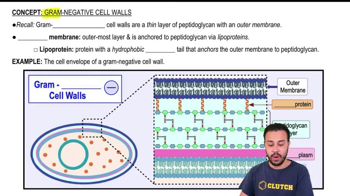
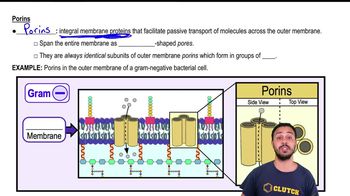
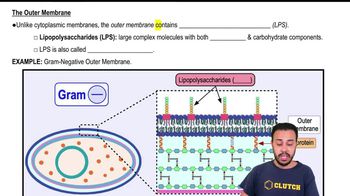
Gram-Negative Cell Walls
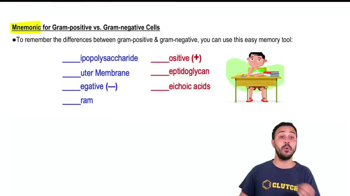
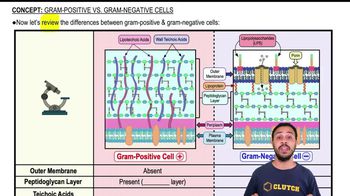
Gram-Positive vs. Gram-Negative Cell Walls
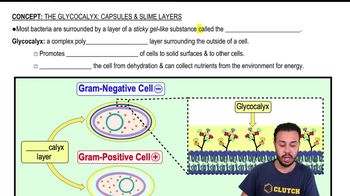
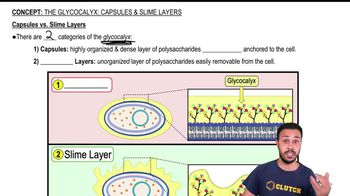
The Glycocalyx: Capsules & Slime Layers
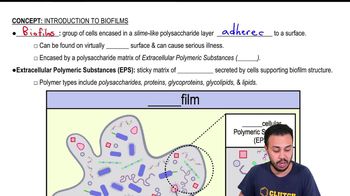
Introduction to Biofilms
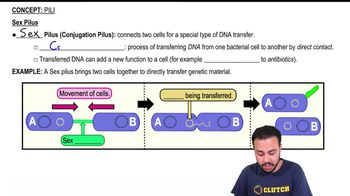
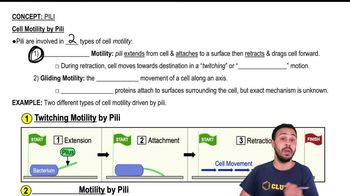
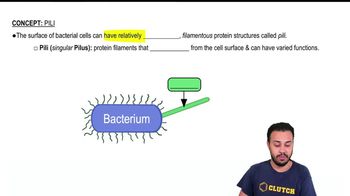
Pili
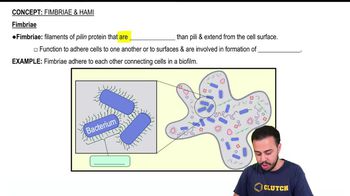
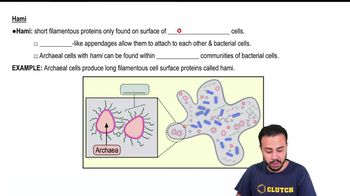
Fimbriae & Hami
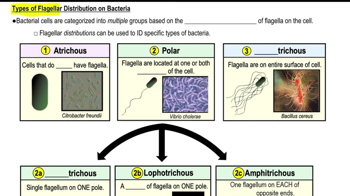
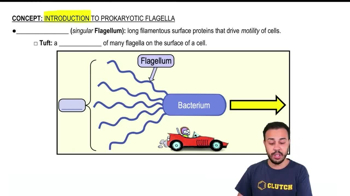
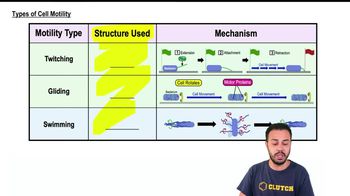
Introduction to Prokaryotic Flagella
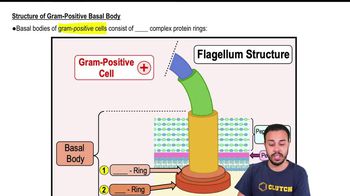
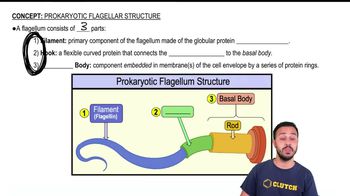
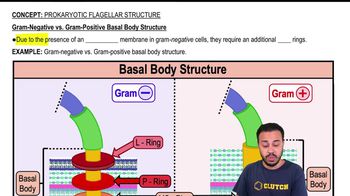
Prokaryotic Flagellar Structure
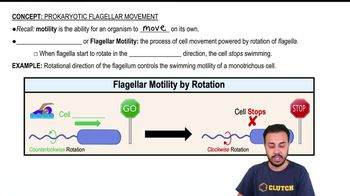
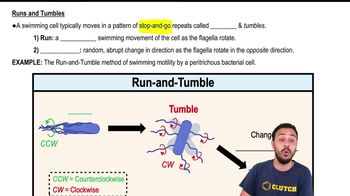
Prokaryotic Flagellar Movement
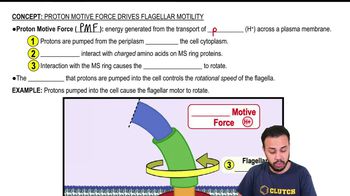
Proton Motive Force Drives Flagellar Motility
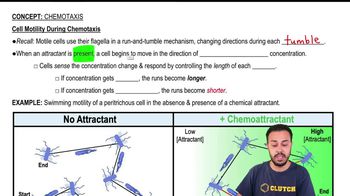
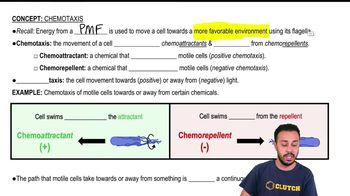
Chemotaxis
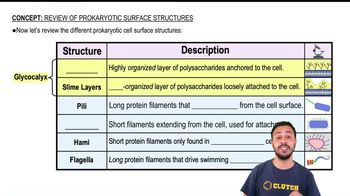
Review of Prokaryotic Surface Structures
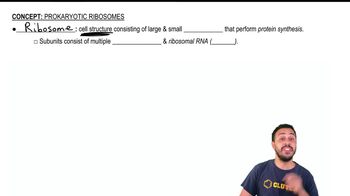
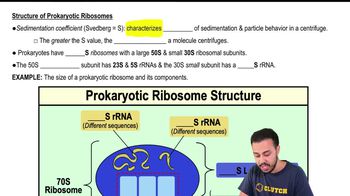
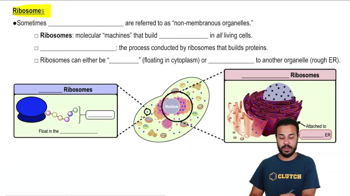
Prokaryotic Ribosomes
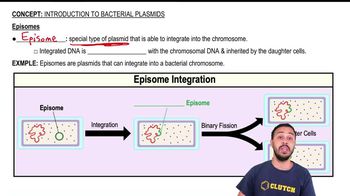
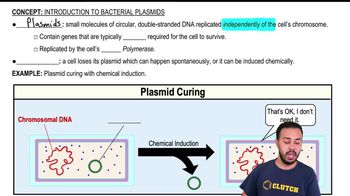
Introduction to Bacterial Plasmids
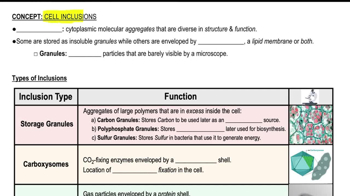
Cell Inclusions
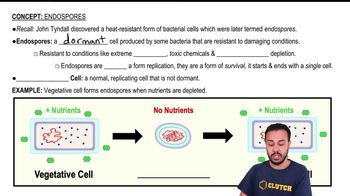
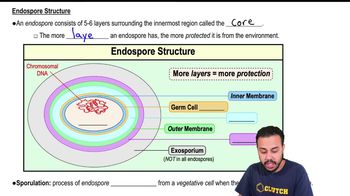
Endospores
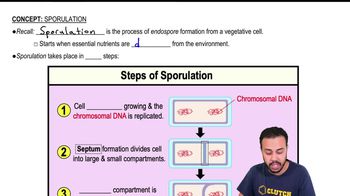
Sporulation
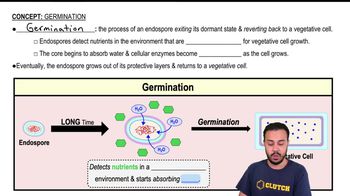
Germination
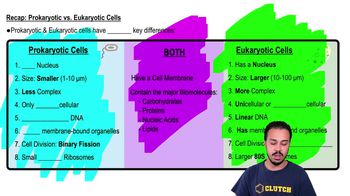
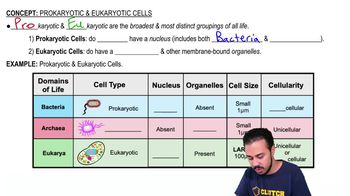
Prokaryotic & Eukaryotic Cells
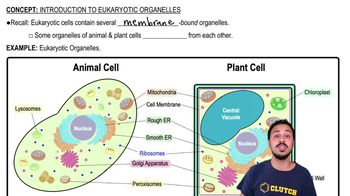
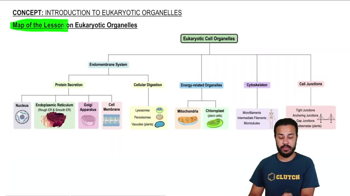
Introduction to Eukaryotic Organelles
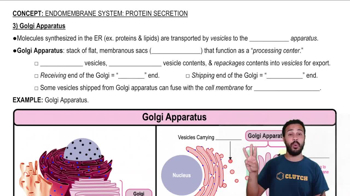
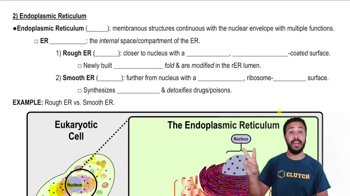
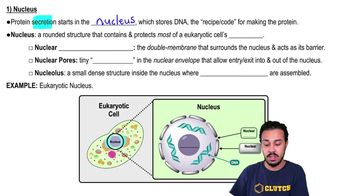
Endomembrane System: Protein Secretion
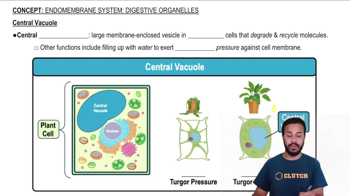
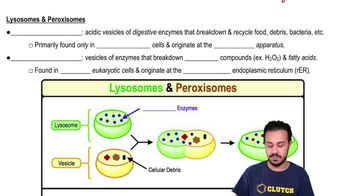
Endomembrane System: Digestive Organelles
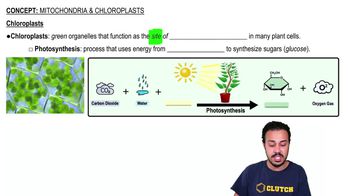
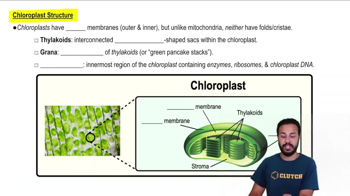
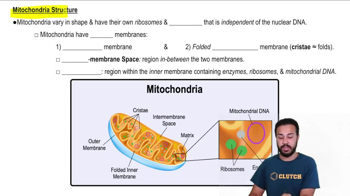
Mitochondria & Chloroplasts
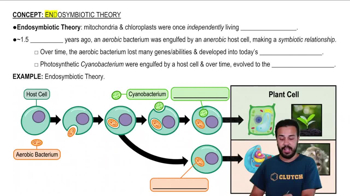
Endosymbiotic Theory
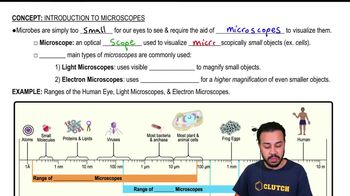
Introduction to Microscopes
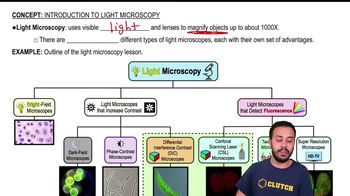
Introduction to Light Microscopy
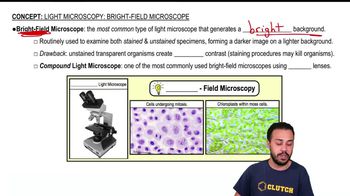
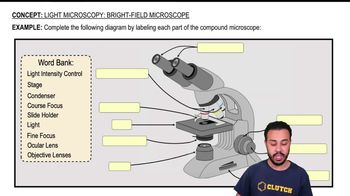
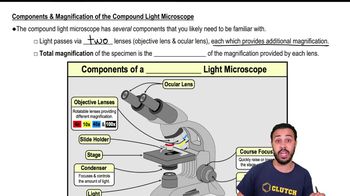
Light Microscopy: Bright-Field Microscopes
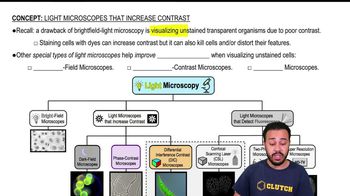
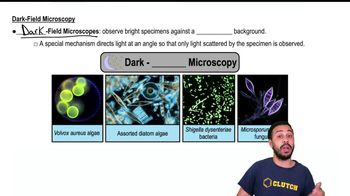
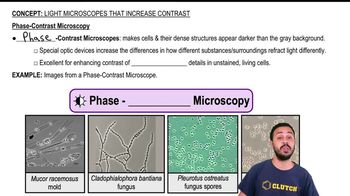
Light Microscopes that Increase Contrast
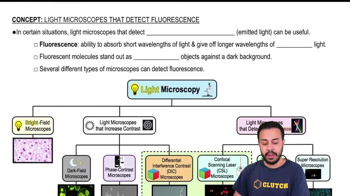
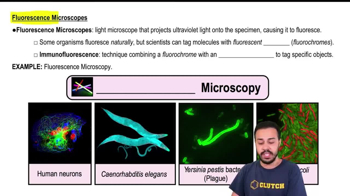
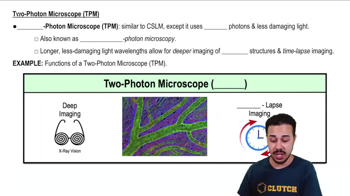
Light Microscopes that Detect Fluorescence
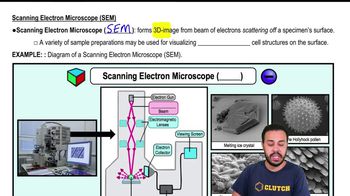
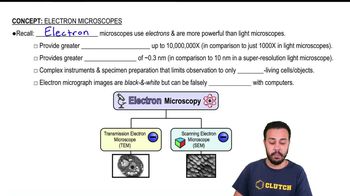
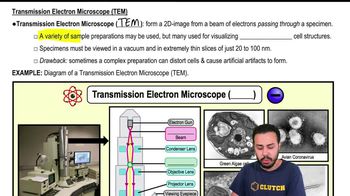
Electron Microscopes
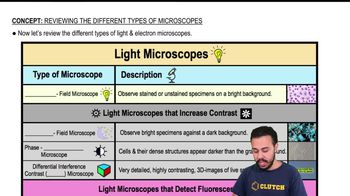
Reviewing the Different Types of Microscopes
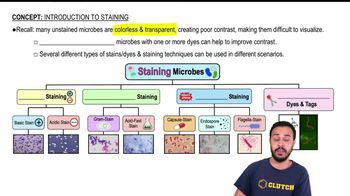
Introduction to Staining
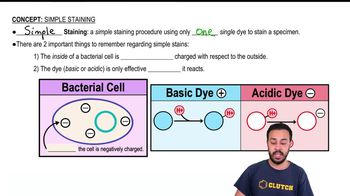
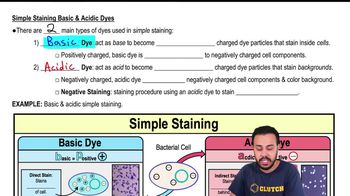
Simple Staining
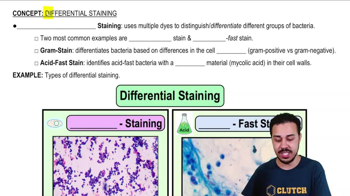
Differential Staining
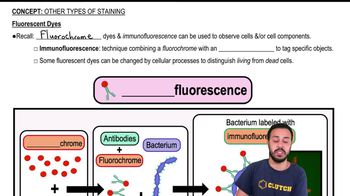
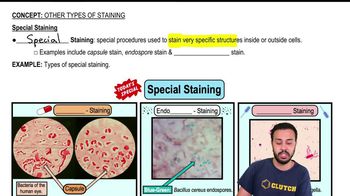
Other Types of Staining
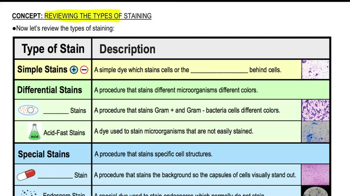
Reviewing the Types of Staining
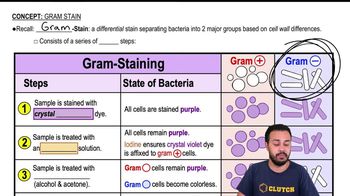
Gram Stain
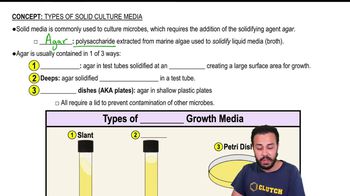
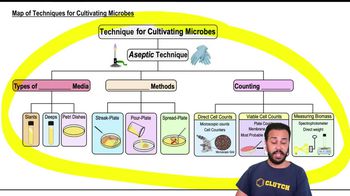
Types of Solid Culture Media
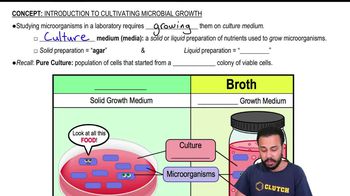
Introduction to Cultivating Microbial Growth
 Back
 Curated lessons matched to your uploaded material – learn every topic step by step.
 01:35