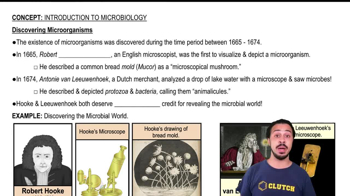
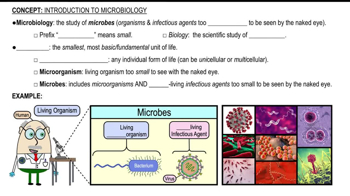
Introduction to Microbiology
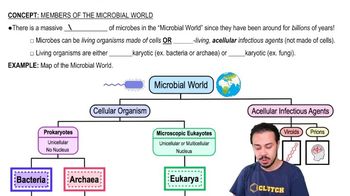
Members of the Bacterial World
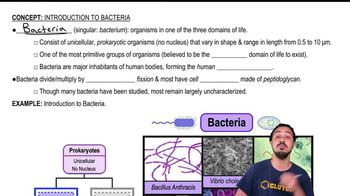
Introduction to Bacteria
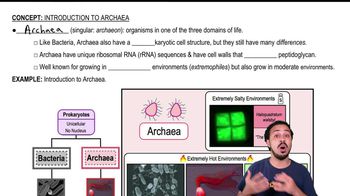
Introduction to Archaea
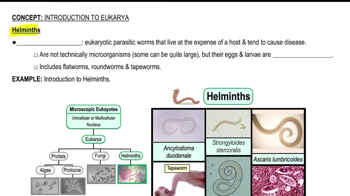
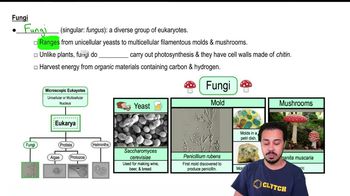
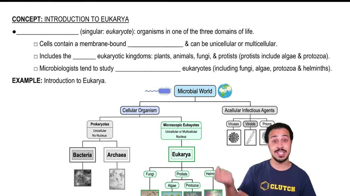
Introduction to Eukarya
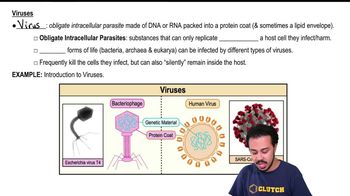
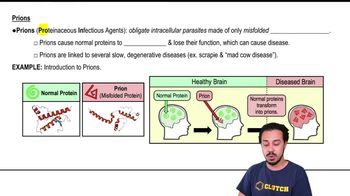
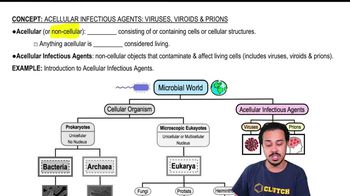
Acellular Infectious Agents: Viruses, Viroids & Prions
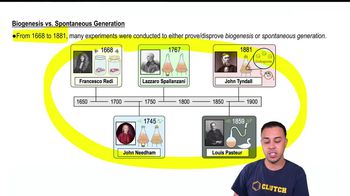
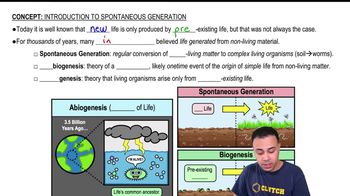
Introduction to Spontaneous Generation
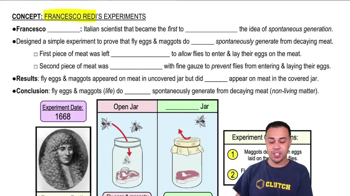
Francesco Redi's Experiments
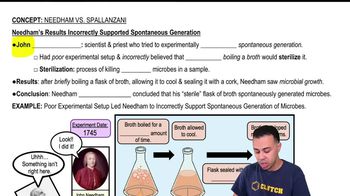
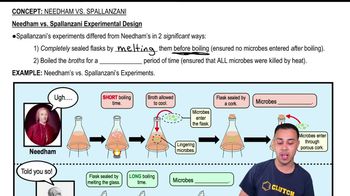
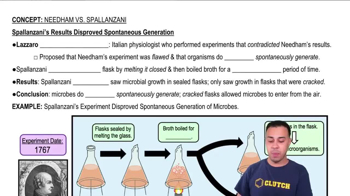
Needham vs. Spallanzani
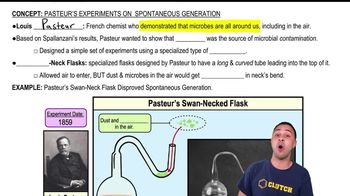
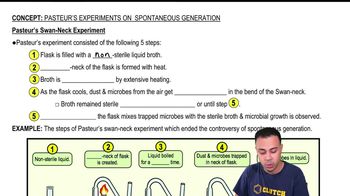
Pasteur's Experiments on Spontaneous Generation
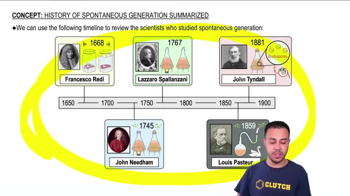
History of Spontaneous Generation Summarized
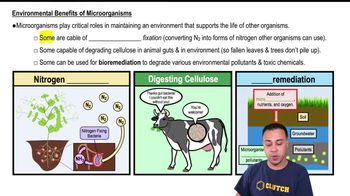
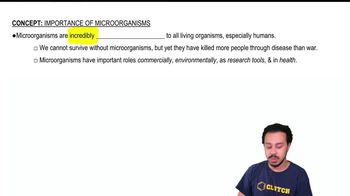
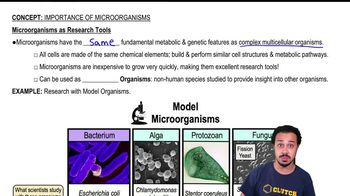
Importance of Microorganisms
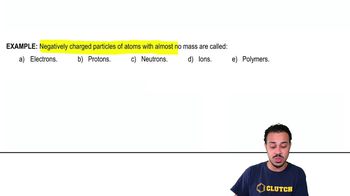
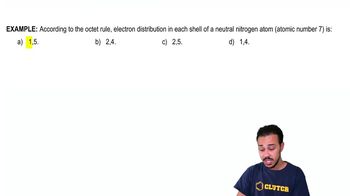
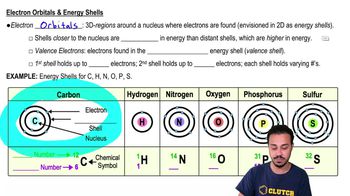
Atoms- Smallest Unit of Matter
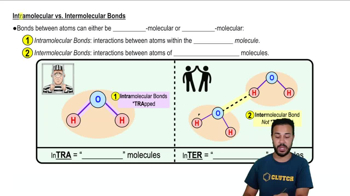
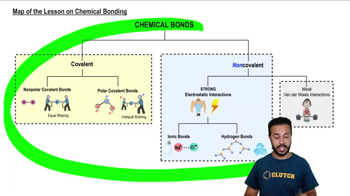
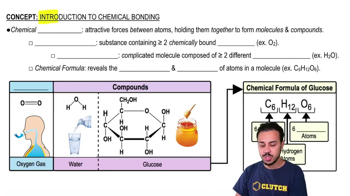
Introduction to Chemical Bonding
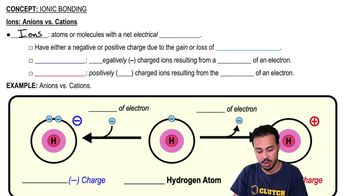
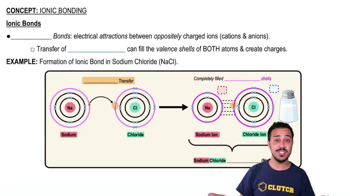
Ionic Bonding
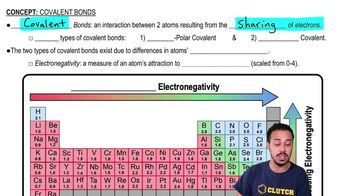
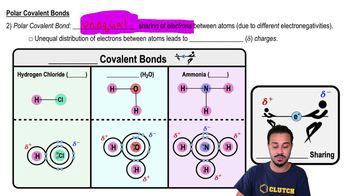
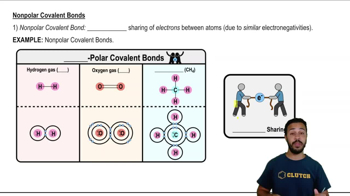
Covalent Bonds
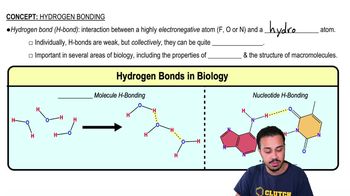
Hydrogen Bonding
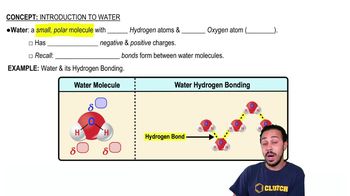
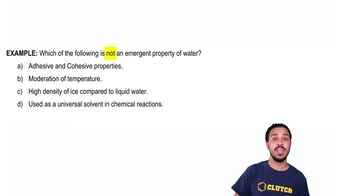
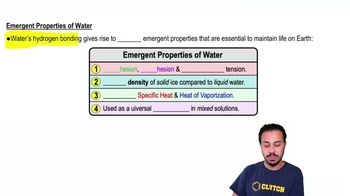
Introduction to Water
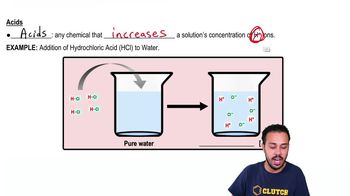
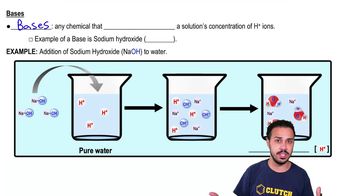
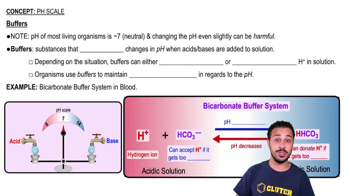
Acids and Bases
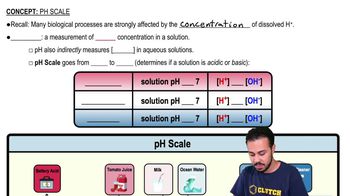
pH Scale
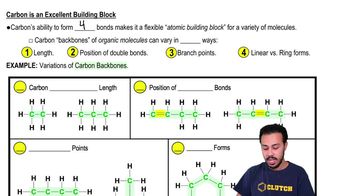
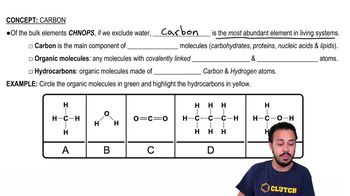
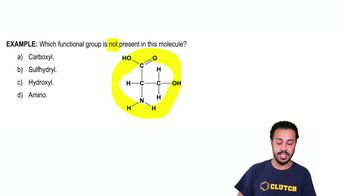
Carbon
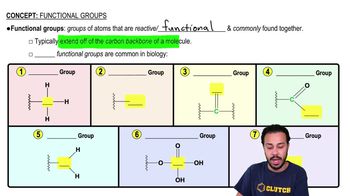
Functional Groups
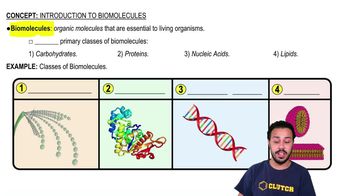
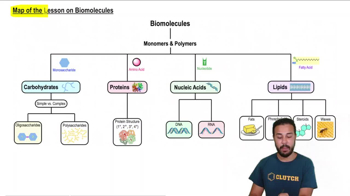
Introduction to Biomolecules
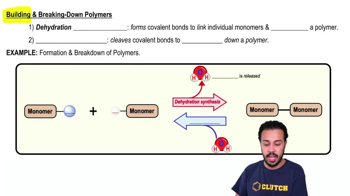
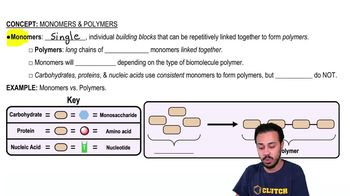
Monomers & Polymers
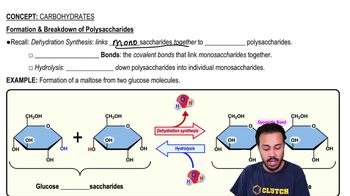
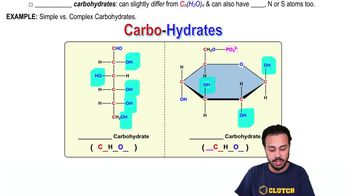
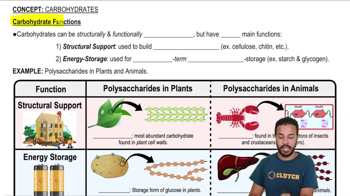
Carbohydrates
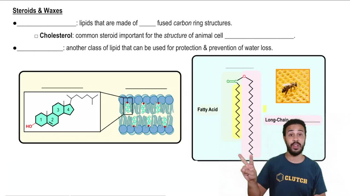
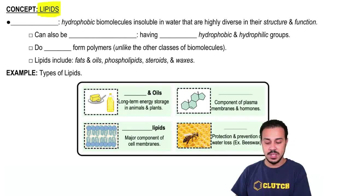
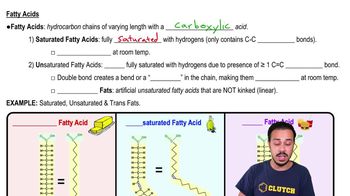
Lipids
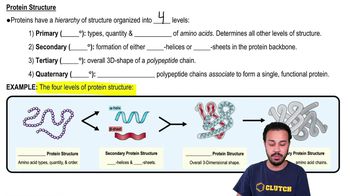
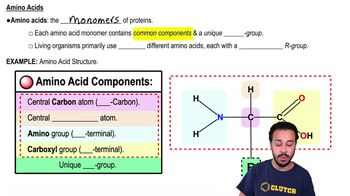
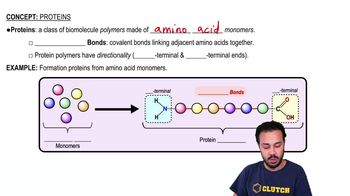
Proteins
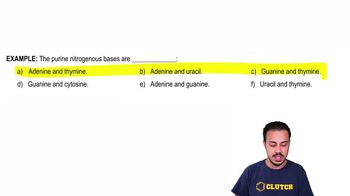
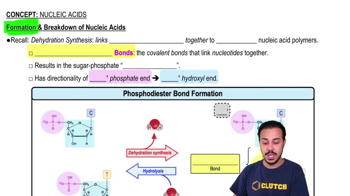
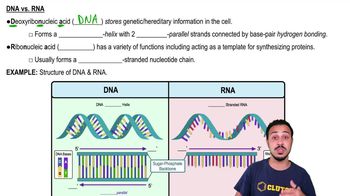
Nucleic Acids
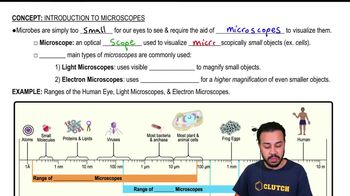
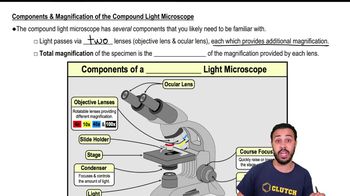
Introduction to Microscopes
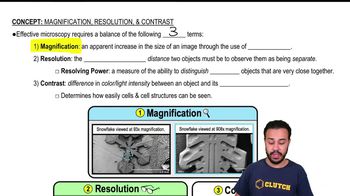
Magnification, Resolution, & Contrast
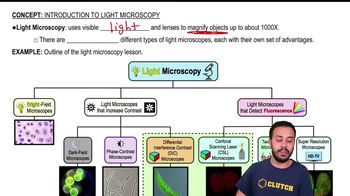
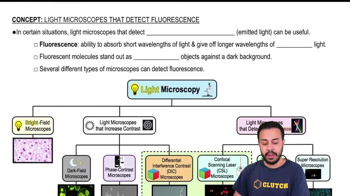
Introduction to Light Microscopy
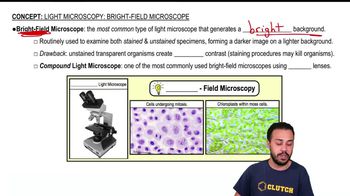
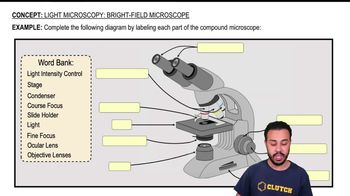
Light Microscopy: Bright-Field Microscopes
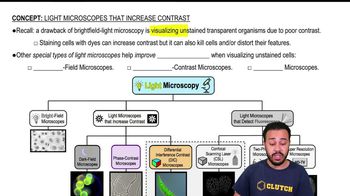
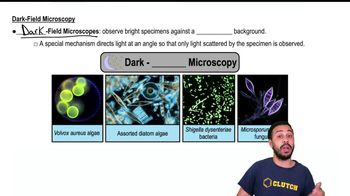
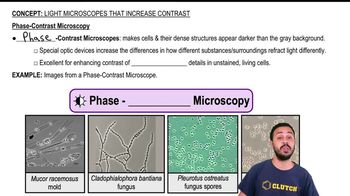
Light Microscopes that Increase Contrast
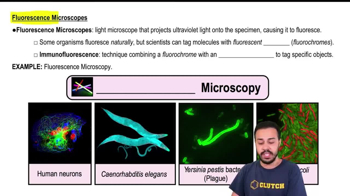
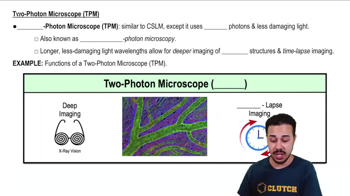
Light Microscopes that Detect Fluorescence
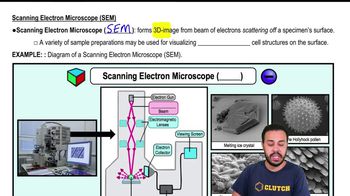
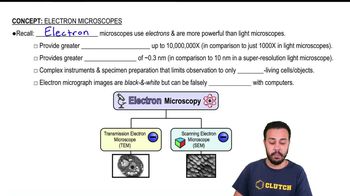
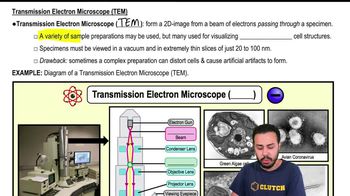
Electron Microscopes
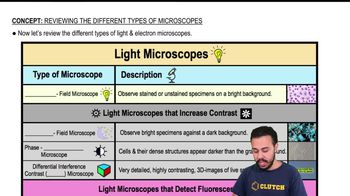
Reviewing the Different Types of Microscopes
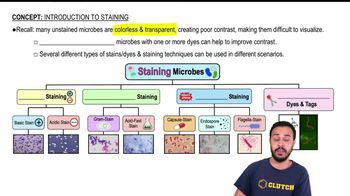
Introduction to Staining
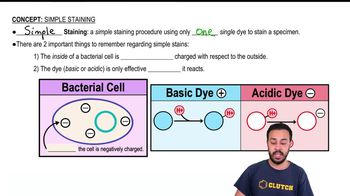
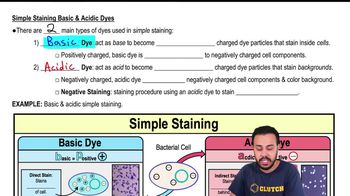
Simple Staining
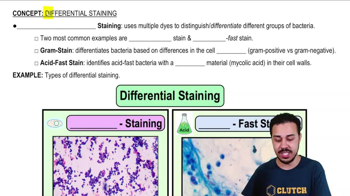
Differential Staining
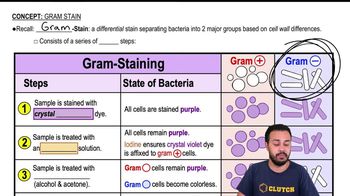
Gram Stain
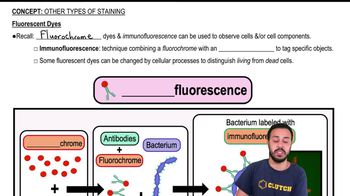
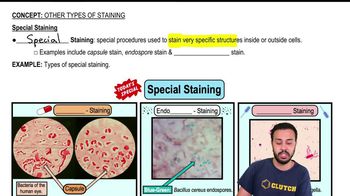
Other Types of Staining
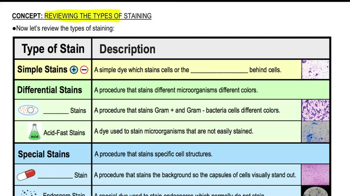
Reviewing the Types of Staining
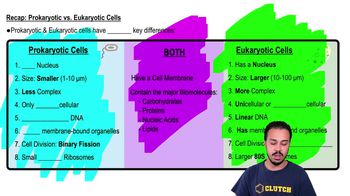
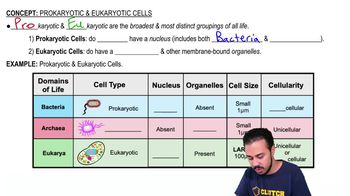
Prokaryotic & Eukaryotic Cells
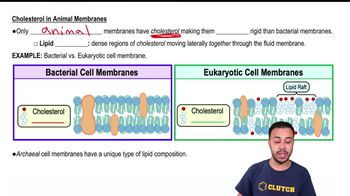
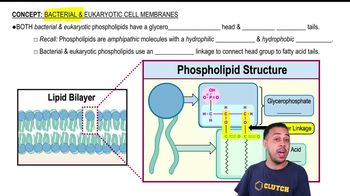
Bacterial & Eukaryotic Cell Membranes
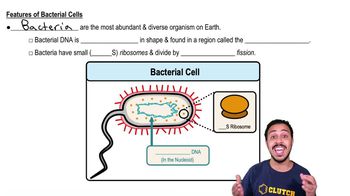
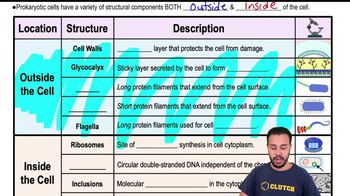
Overview of Prokaryotic Cell Structure
Bacterial Cell Morphology & Arrangements
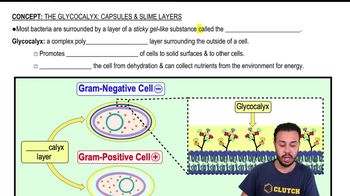
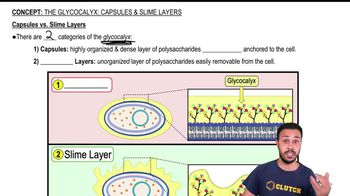
The Glycocalyx: Capsules & Slime Layers
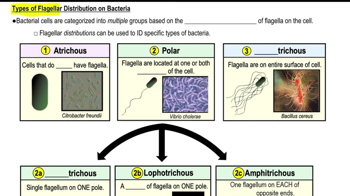
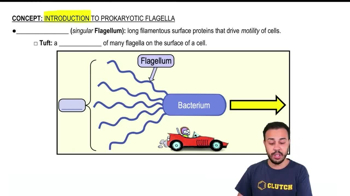
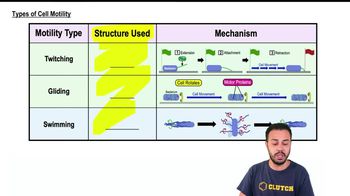
Introduction to Prokaryotic Flagella
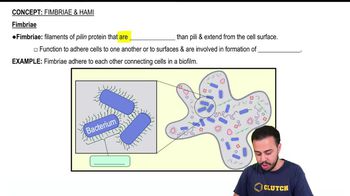
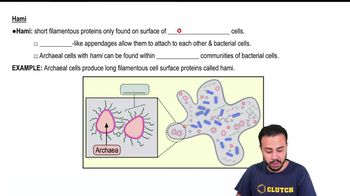
Fimbriae & Hami
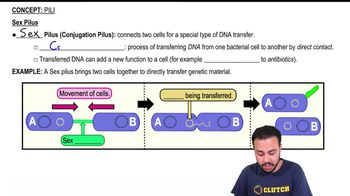
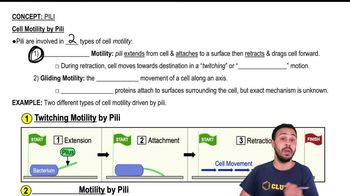
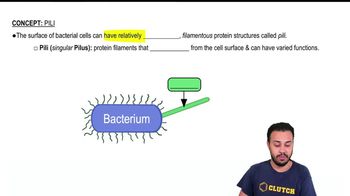
Pili
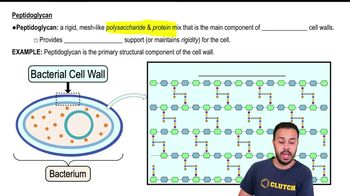
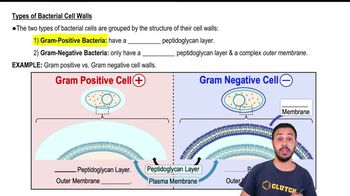
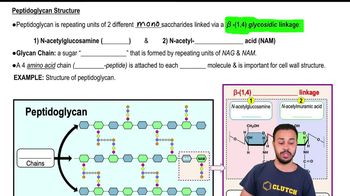
Introduction to Bacterial Cell Walls
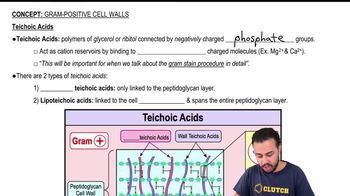
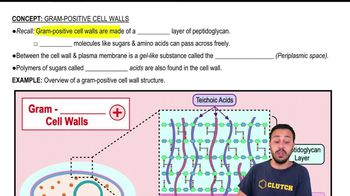
Gram-Positive Cell Walls
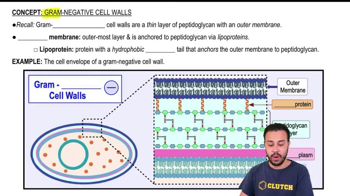
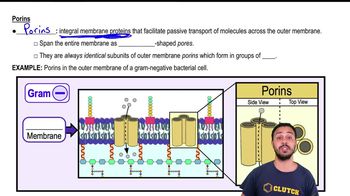
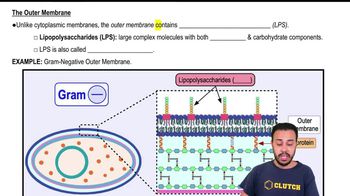
Gram-Negative Cell Walls
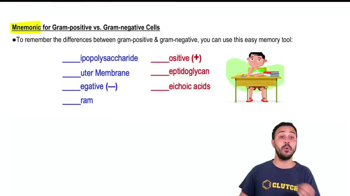
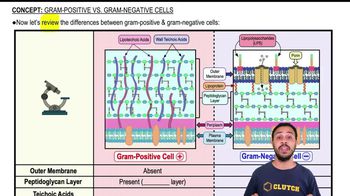
Gram-Positive vs. Gram-Negative Cell Walls
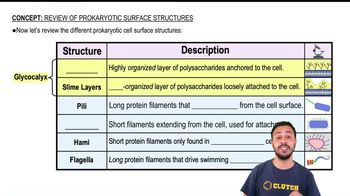
Review of Prokaryotic Surface Structures
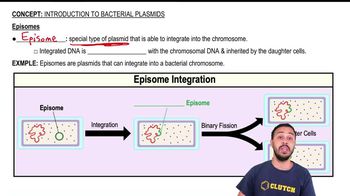
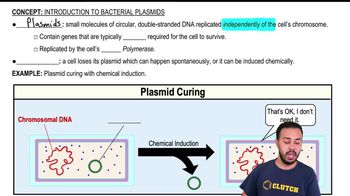
Introduction to Bacterial Plasmids
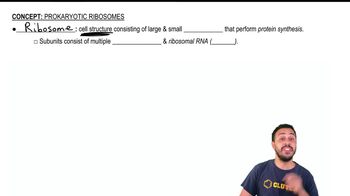
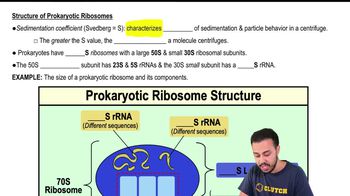
Prokaryotic Ribosomes
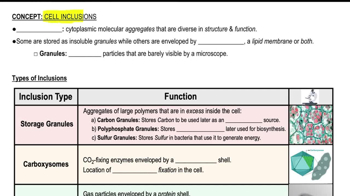
Cell Inclusions
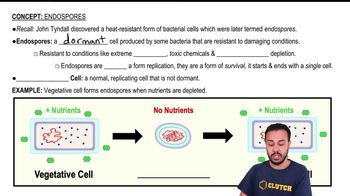
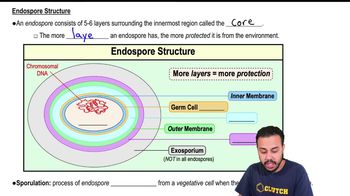
Endospores
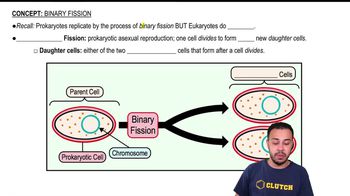
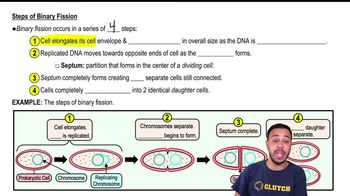
Binary Fission
 Back
 Curated lessons matched to your uploaded material – learn every topic step by step.
 03:36