Back

Microbiology Exam Study Guide: Diagnostic Methods, Viral Characteristics, Microbial Growth, and Infectious Diseases

Study Guide - Learn with Videos

Curated lessons matched to your uploaded material – learn every topic step by step.

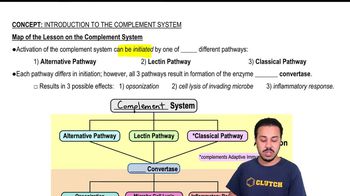
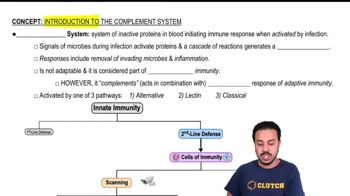
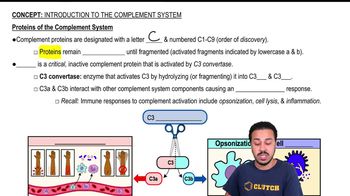
Introduction to the Complement System

  • Map of the Lesson on the Complement System
    03:25
  • Introduction to the Complement System
    04:25
  • Proteins of the Complement System
    04:16

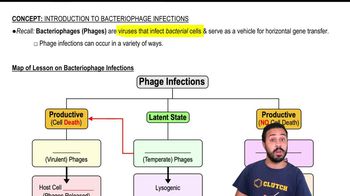
Introduction to Bacteriophage Infections

  • Map of Lesson on Bacteriophage Infections
    03:52
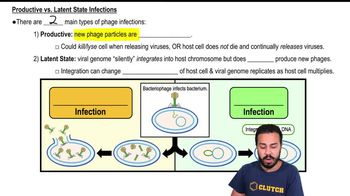
  • Productive vs. Latent State Infections
    04:09
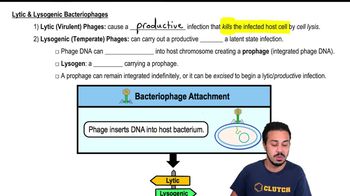
  • Lytic & Lysogenic Bacteriophages
    04:34

Bacteriophage: Lytic Phage Infections

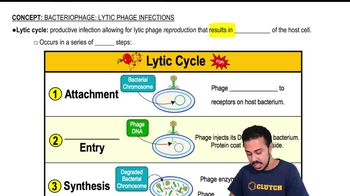
  • Bacteriophage: Lytic Phage Infections
    04:58

Bacteriophage: Lysogenic Phage Infections

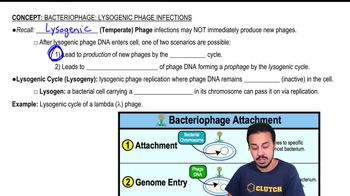
  • Bacteriophage: Lysogenic Phage Infections
    05:27
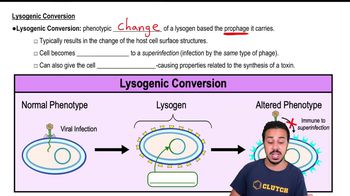
  • Lysogenic Conversion
    03:37

Plaque Assays

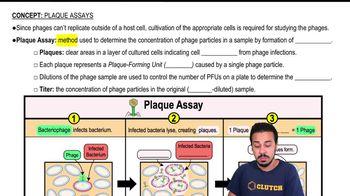
  • Plaque Assays
    04:21

Introduction to Animal Virus Infections

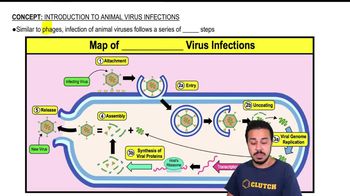
  • Introduction to Animal Virus Infections
    02:33
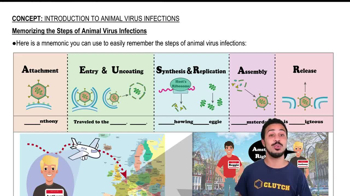
  • Memorizing the Steps of Animal Virus Infections
    01:40

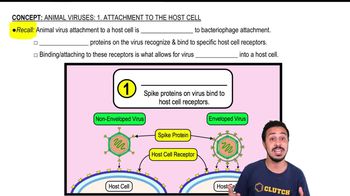
Animal Viruses: 1. Attachment to the Host Cell

  • Animal Viruses: 1. Attachment to the Host Cell
    03:12

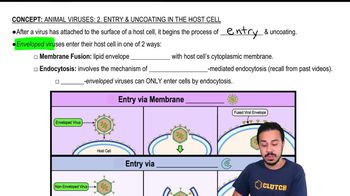
Animal Viruses: 2. Entry & Uncoating in the Host Cell

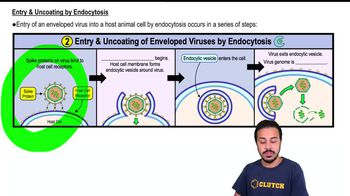
  • Entry & Uncoating by Endocytosis
    02:29
  • Animal Viruses: 2. Entry & Uncoating in the Host Cell
    04:29
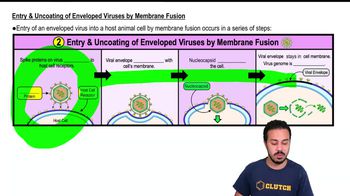
  • Entry & Uncoating of Enveloped Viruses by Membrane Fusion
    02:59

Animal Viruses: 3. Synthesis & Replication

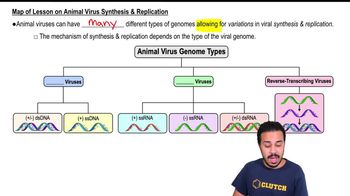
  • Map of Lesson on Animal Virus Synthesis & Replication
    03:34
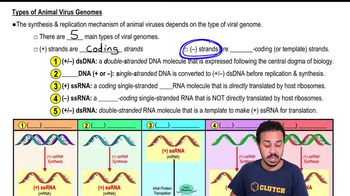
  • Types of RNA Virus Genomes
    10:46
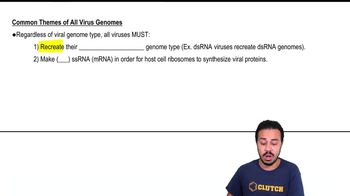
  • Common Themes of All Virus Genomes
    02:58

Animal Viruses: DNA Virus Synthesis & Replication

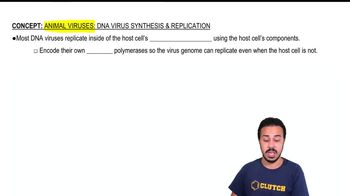
  • Animal Viruses: DNA Virus Synthesis & Replication
    01:10
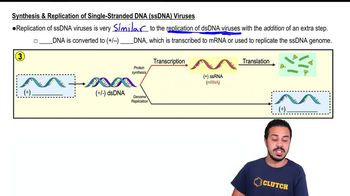
  • Replication of Single-Stranded DNA (ssDNA) Viruses
    04:12
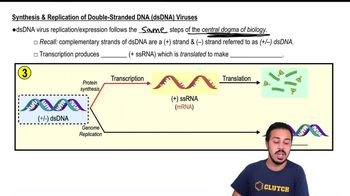
  • Replication of Double-Stranded DNA (dsDNA) Viruses
    03:58

Animal Viruses: RNA Virus Synthesis & Replication

  • Animal Viruses: RNA Virus Synthesis & Replication
    01:30
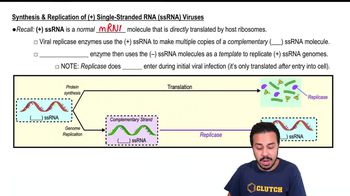
  • Replication of (+) Single Strand RNA (ssRNA) Viruses
    03:52
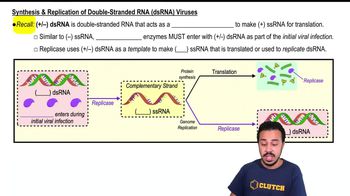
  • Replication of Double-Stranded RNA Viruses
    04:28

Animal Viruses: Reverse-Transcribing Virus Synthesis & Replication

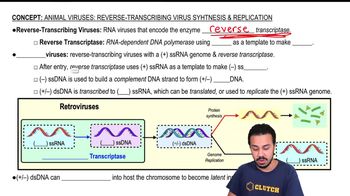
  • Animal Viruses: Reverse-Transcribing Virus Synthesis & Replication
    04:28

Animal Viruses: 4. Assembly Inside Host Cell

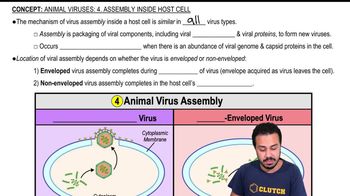
  • Animal Viruses: 4. Assembly Inside Host Cell
    04:26

Animal Viruses: 5. Release from Host Cell

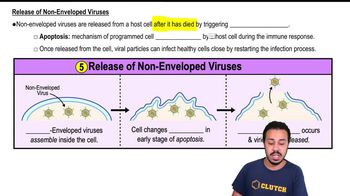
  • Release of Non-Enveloped Viruses
    02:34
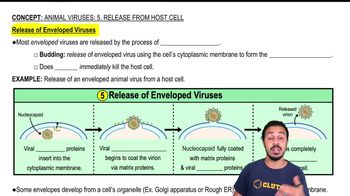
  • Release of Enveloped Viruses
    05:08

Acne

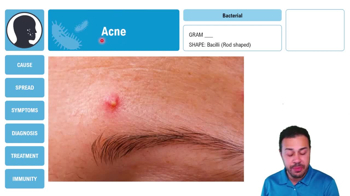
  • Acne
    05:43

Measles

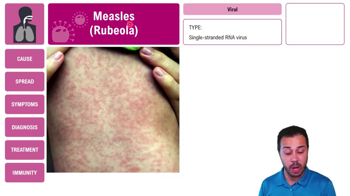
  • Measles
    04:12
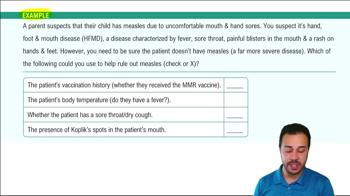
  • Measles Example 1
    02:19

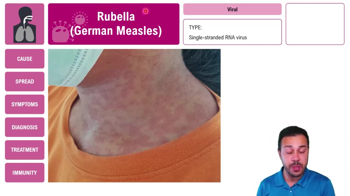
Rubella

  • Rubella
    04:59
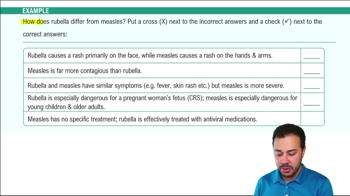
  • Rubella Example 1
    03:31

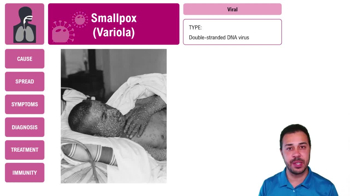
Smallpox

  • Smallpox
    05:16

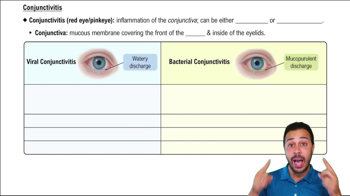
Conjunctivitis

  • Conjunctivitis
    03:07

Introduction to Meningitis

  • Guided course
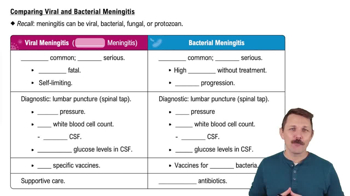
    Comparing Viral and Bacterial Meningitis
    05:55
  • Guided course
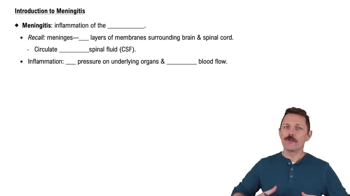
    Introduction to Meningitis
    05:28
  • Guided course
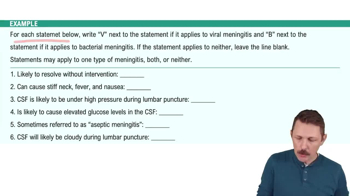
    Introduction to Meningitis Example 1
    03:06

Bacterial Meningitis

  • Guided course
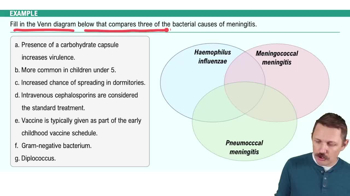
    Bacterial Meningitis Example 1
    04:20
  • Guided course
    Bacterial Meningitis
    10:16

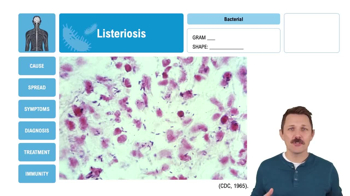
Listeriosis

  • Guided course
    Listeriosis
    05:46

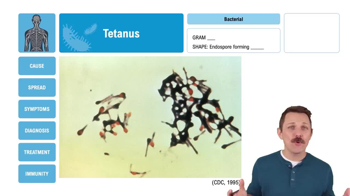
Tetanus

  • Guided course
    Tetanus
    06:31
  • Guided course
    Tetanus Example 1
    04:25

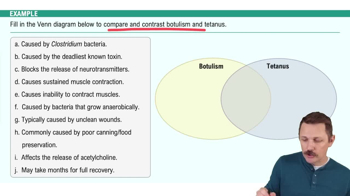
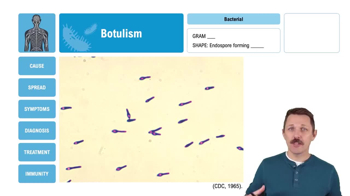
Botulism

  • Guided course
    Botulism Example 1
    03:58
  • Guided course
    Botulism
    09:28

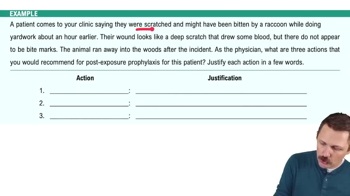
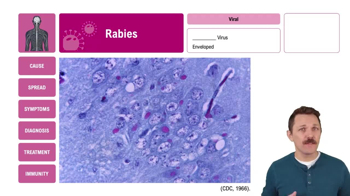
Rabies

  • Guided course
    Rabies Example 1
    02:57
  • Guided course
    Rabies
    07:02

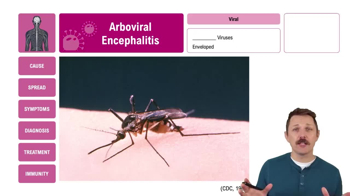
Arboviral Encephalitis

  • Guided course
    Arboviral Encephalitis
    06:33

Zika Virus

  • Guided course
    Zika Virus
    04:28

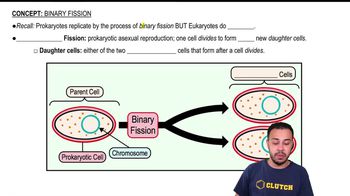
Binary Fission

  • Binary Fission
    02:16
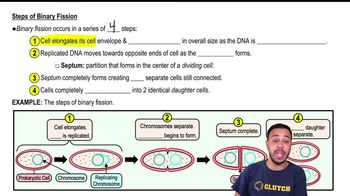
  • Steps of Binary Fission
    04:57

Generation Times

  • Calculating Generation Times
    05:48
  • Generation Times
    02:54

Temperature Requirements for Microbial Growth

  • Temperature Requirements for Microbial Growth
    04:16
  • Classification of Microbes by Growth Temperature
    04:56
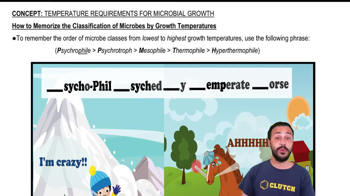
  • How to Memorize the Classification of Microbes by Growth Temperatures
    01:59

Oxygen Requirements for Microbial Growth

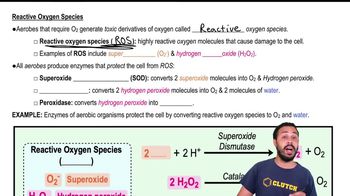
  • Reactive Oxygen Species
    04:43
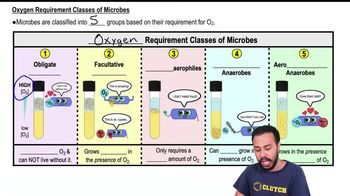
  • Oxygen Requirement Classes of Microbes
    07:27
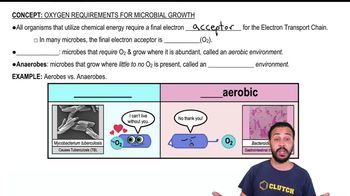
  • Oxygen Requirements for Microbial Growth
    03:52

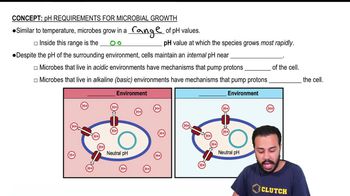
pH Requirements for Microbial Growth

  • pH Requirements for Microbial Growth
    03:11
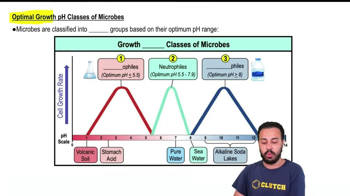
  • Optimal Growth pH Classes of Microbes
    03:23

Osmolarity Factors for Microbial Growth

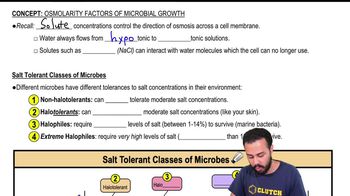
  • Osmolarity Factors for Microbial Growth
    06:30

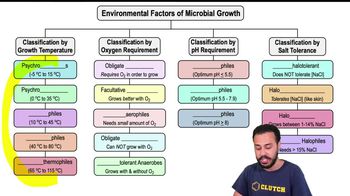
Reviewing the Environmental Factors of Microbial Growth

  • Reviewing the Environmental Factors of Microbial Growth
    07:21

Nutritional Factors of Microbial Growth

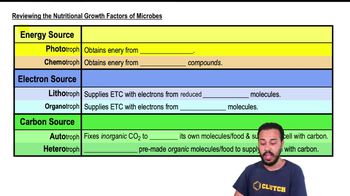
  • Reviewing the Nutritional Growth Factors of Microbes
    02:20
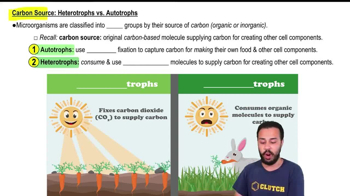
  • Carbon Source:Heterotrophs vs. Autotrophs
    02:59
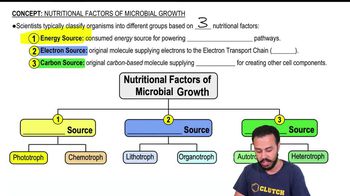
  • Nutritional Factors of Microbial Growth
    02:57

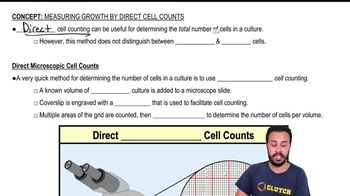
Measuring Growth by Direct Cell Counts

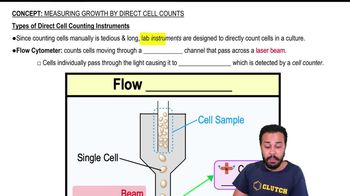
  • Types of Direct Cell Counting Instruments
    02:32
  • Direct Microscopic Cell Counts
    03:28

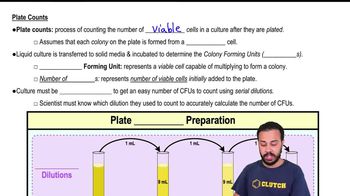
Measuring Growth by Plate Counts

  • Measuring Growth by Plate Counts
    07:16
  • Measuring Growth by Plate Counts
    01:36

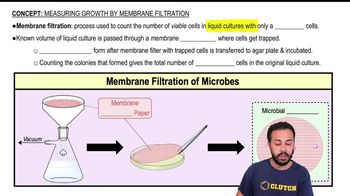
Measuring Growth by Membrane Filtration

  • Measuring Growth by Membrane Filtration
    02:29

Measuring Growth by Biomass

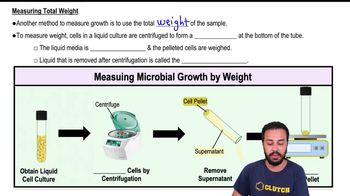
  • Measuring Total Weight
    03:27
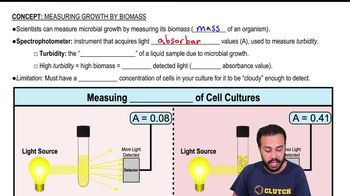
  • Measuring Growth by Biomass
    05:58

Introduction to Cultivating Microbial Growth

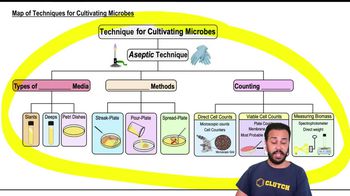
  • Map of Techniques for Cultivating Microbes
    02:05
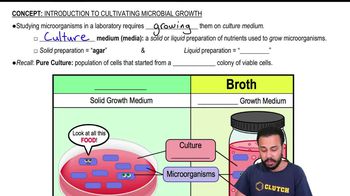
  • Introduction to Cultivating Microbial Growth
    03:49

Introduction to Microbial Genetics

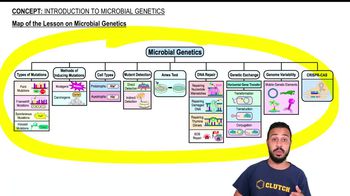
  • Map of the Lesson on Microbial Genetics
    02:04
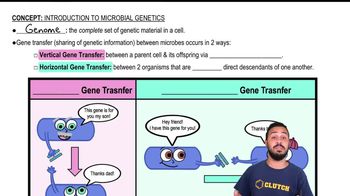
  • Introduction to Microbial Genetics
    04:20

Introduction to Immunity

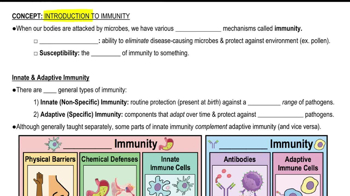
  • Innate vs. Adaptive Immunity
    05:52
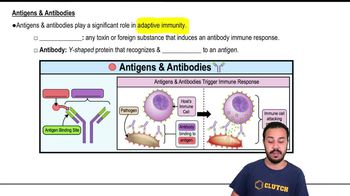
  • Antigens & Antibodies
    02:58

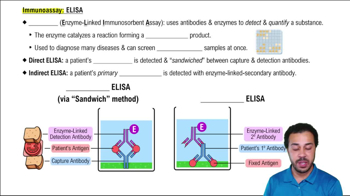
Immunoassay: ELISA

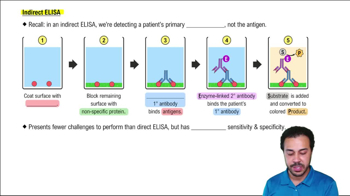
  • Indirect ELISA
    02:50
  • Immunoassay: ELISA
    04:29
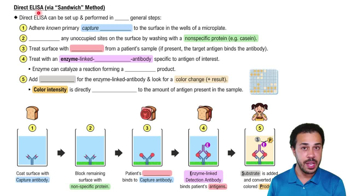
  • Direct ELISA (via "Sandwich" Method)
    03:56

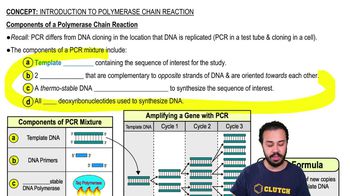
Introduction to Polymerase Chain Reaction

  • Introduction to Polymerase Chain Reaction
    01:31
  • Components of a Polymerase Chain Reaction
    05:57
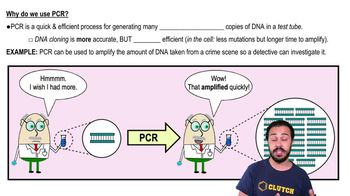
  • Why do we use PCR?
    02:53