Back

Microbiology Exam Study Guide: Step-by-Step Guidance

Study Guide - Learn with Videos

Curated lessons matched to your uploaded material – learn every topic step by step.

Characteristics of Infectious Disease

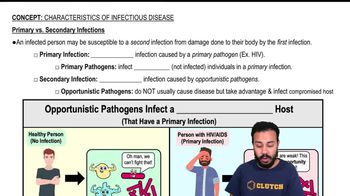
  • Primary vs. Secondary Infections
    04:16
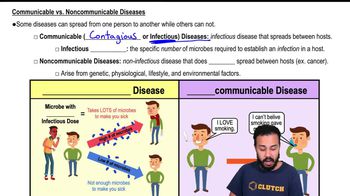
  • Communicable vs. Noncommunicable Diseases
    04:57
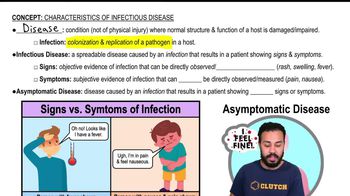
  • Intro to Characteristics of Infectious Disease
    05:09

Stages of Infectious Disease Progression

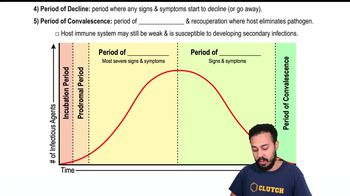
  • Stages of Infectious Disease Progression
    05:36
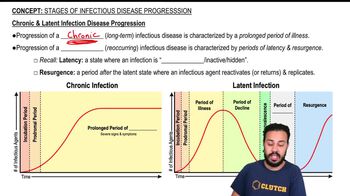
  • Chronic & Latent Infection Disease Progression
    05:14

Introduction to Epidemiology

  • Introduction to Epidemiology Example 1
    01:48
  • Introduction to Epidemiology Example 2
    05:15
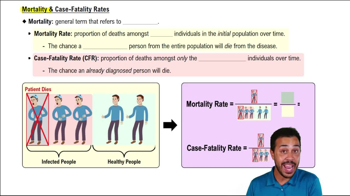
  • Mortality & Case-Fatality Rates
    02:28

Reservoirs of Infection

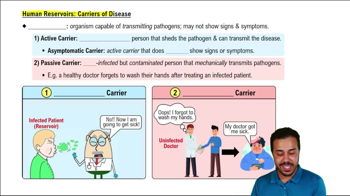
  • Human Reservoirs: Carriers of Disease
    03:12
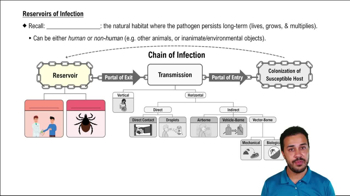
  • Reservoirs of Infection
    00:51
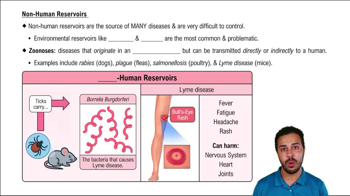
  • Non-Human Reservoirs
    02:36

Disease Transmission

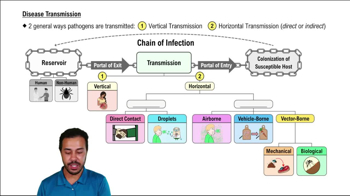
  • Disease Transmission
    01:24
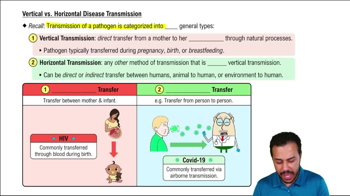
  • Vertical vs. Horizontal Disease Transmission
    02:32

Horizontal Disease Transmission

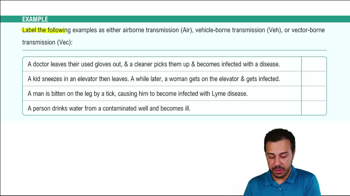
  • Horizontal Disease Transmission Example 1
    01:53
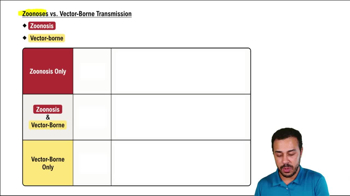
  • Zoonoses vs. Vector-Borne Transmission
    03:52
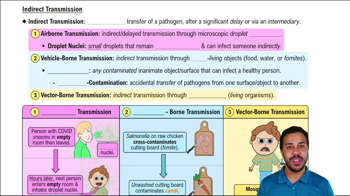
  • Indirect Transmission
    04:42

Healthcare-Associated Infections

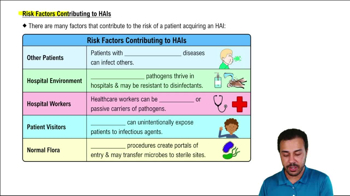
  • Risk Factors Contributing to HAIs
    02:45
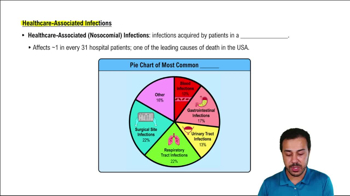
  • Healthcare-Associated Infections
    01:33
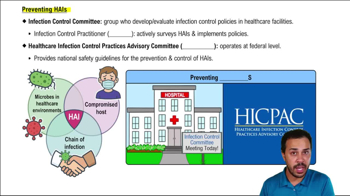
  • Preventing HAIs
    01:59

Factors Influencing Epidemiology

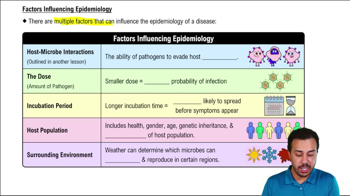
  • Factors Influencing Epidemiology
    03:26
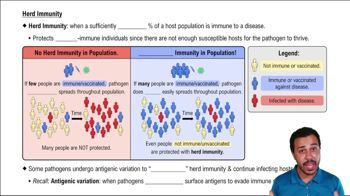
  • Herd Immunity
    04:05

Introduction to Microbial Genetics

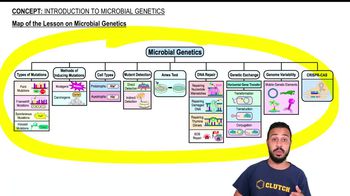
  • Map of the Lesson on Microbial Genetics
    02:04
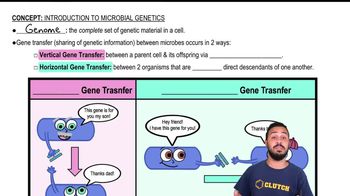
  • Introduction to Microbial Genetics
    04:20

Prokaryotic & Eukaryotic Cells

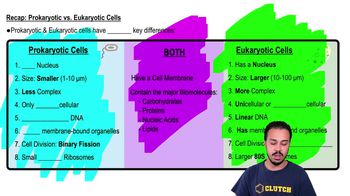
  • Recap:Prokaryotic vs. Eukaryotic Cells
    04:26
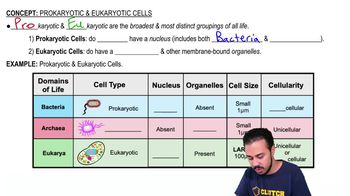
  • Prokaryotic & Eukaryotic Cells
    05:54
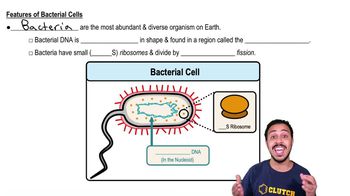
  • Features of Bacterial Cells
    03:54

Bacterial Cell Morphology & Arrangements

  • Types of Bacterial Cell Morphology
    02:44
  • Bacterial Cell Morphology & Arrangements
    01:13
  • Bacilli Bacterial Cell Arrangements
    03:56

Overview of Prokaryotic Cell Structure

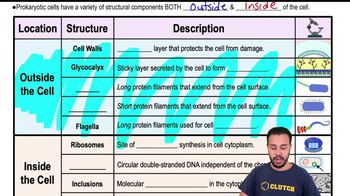
  • Overview of Prokaryotic Cell Structure
    05:59

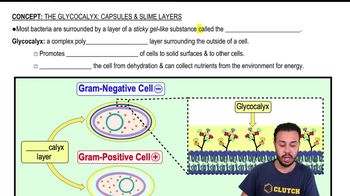
The Glycocalyx: Capsules & Slime Layers

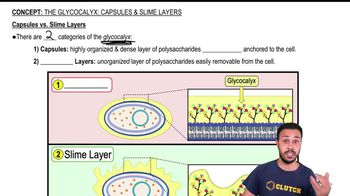
  • The Glycocalyx: Capsules & Slime Layers
    02:26
  • Capsules vs. Slime Layers
    01:53

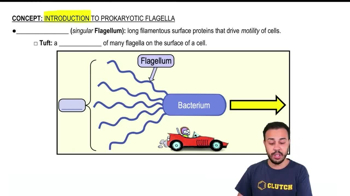
Introduction to Prokaryotic Flagella

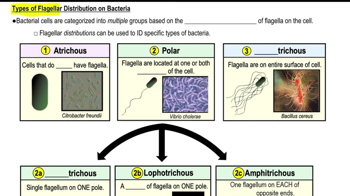
  • Types of Flagellar Distribution on Bacteria
    05:22
  • Introduction to Prokaryotic Flagella
    02:07

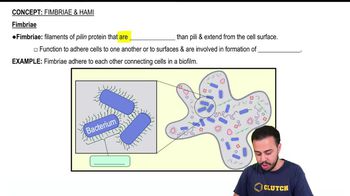
Fimbriae & Hami

  • Fimbriae & Hami
    01:52
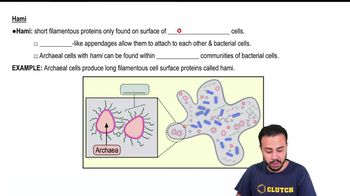
  • Hami
    01:51

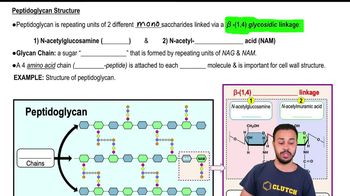
Introduction to Bacterial Cell Walls

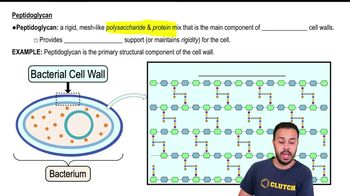
  • Peptidoglycan
    01:58
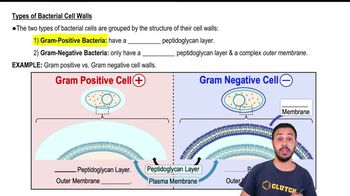
  • Types of Bacterial Cell Walls
    02:44
  • Peptidoglycan Structure
    04:44

Gram-Positive Cell Walls

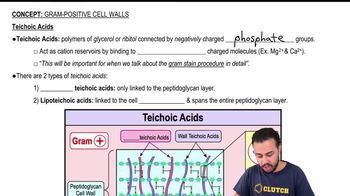
  • Teichoic Acids
    03:58
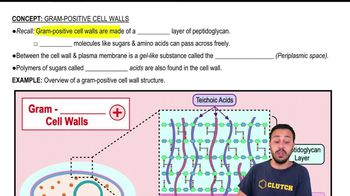
  • Gram-Positive Cell Walls
    02:59

Gram-Negative Cell Walls

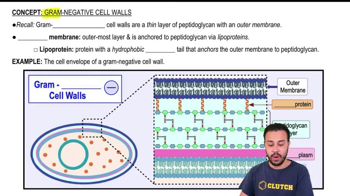
  • Gram-Negative Cell Walls
    3:04
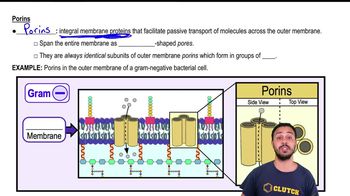
  • Porins
    02:18
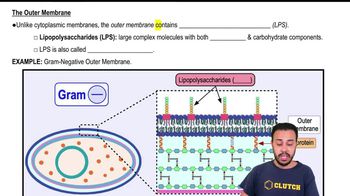
  • The Outer Membrane
    02:15

Gram-Positive vs. Gram-Negative Cell Walls

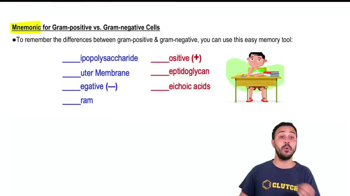
  • Mnemonic for Gram-Positive vs. Gram-Negative Cell Walls
    01:41
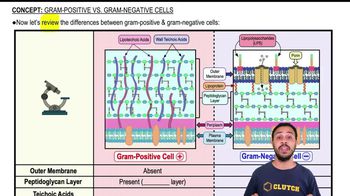
  • Gram-Positive vs. Gram-Negative Cell Walls
    04:46

Endospores

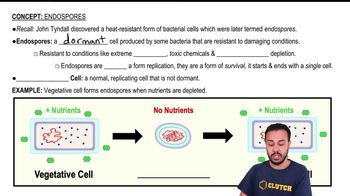
  • Endospores
    05:35
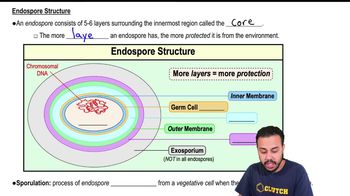
  • Endospore Structure
    03:08

Sporulation

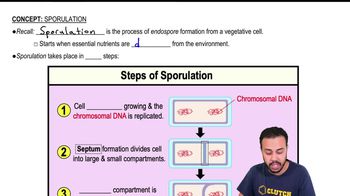
  • Sporulation
    04:08

Germination

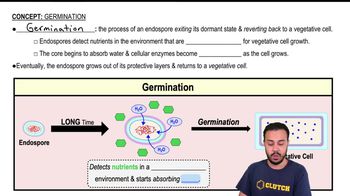
  • Germination
    02:59

Temperature Requirements for Microbial Growth

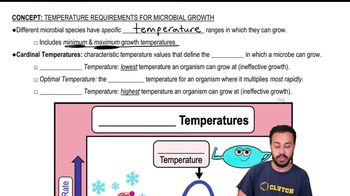
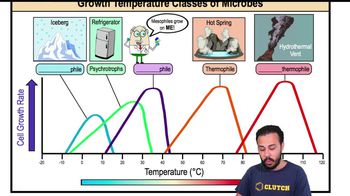
  • Temperature Requirements for Microbial Growth
    04:16
  • Classification of Microbes by Growth Temperature
    04:56
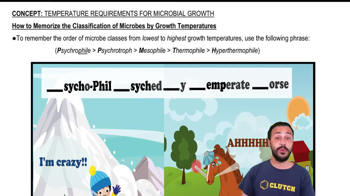
  • How to Memorize the Classification of Microbes by Growth Temperatures
    01:59

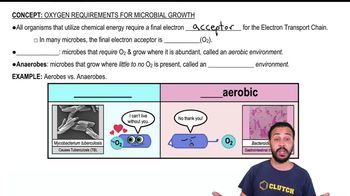
Oxygen Requirements for Microbial Growth

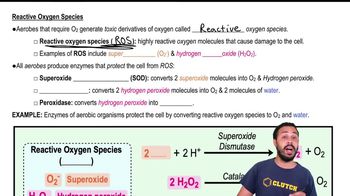
  • Reactive Oxygen Species
    04:43
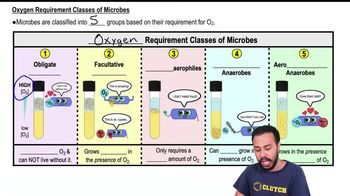
  • Oxygen Requirement Classes of Microbes
    07:27
  • Oxygen Requirements for Microbial Growth
    03:52

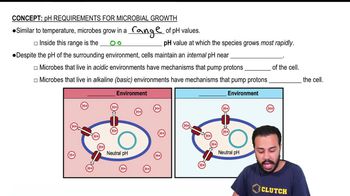
pH Requirements for Microbial Growth

  • pH Requirements for Microbial Growth
    03:11
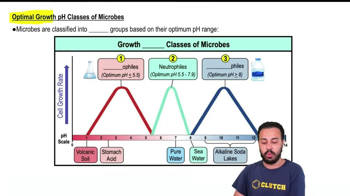
  • Optimal Growth pH Classes of Microbes
    03:23

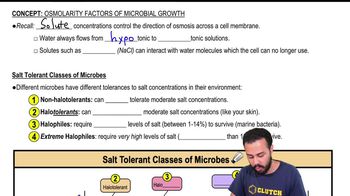
Osmolarity Factors for Microbial Growth

  • Osmolarity Factors for Microbial Growth
    06:30

Nutritional Factors of Microbial Growth

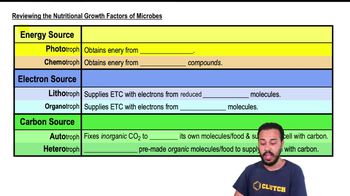
  • Reviewing the Nutritional Growth Factors of Microbes
    02:20
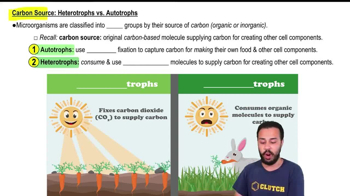
  • Carbon Source:Heterotrophs vs. Autotrophs
    02:59
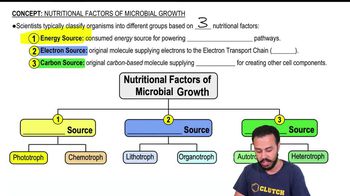
  • Nutritional Factors of Microbial Growth
    02:57

Growth Factors

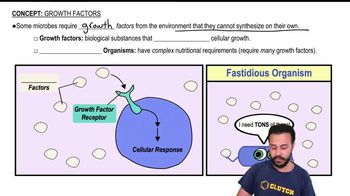
  • Growth Factors
    01:55

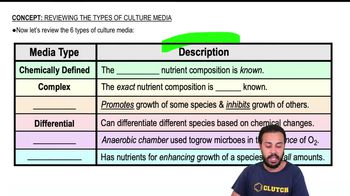
Reviewing the Types of Culture Media

  • Reviewing the Types of Culture Media
    02:55

Introduction to Cultivating Microbial Growth

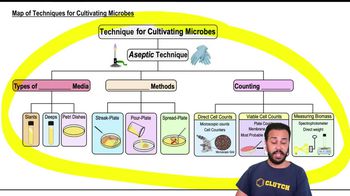
  • Map of Techniques for Cultivating Microbes
    02:05
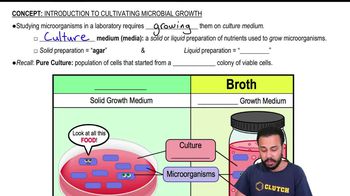
  • Introduction to Cultivating Microbial Growth
    03:49

Types of Solid Culture Media

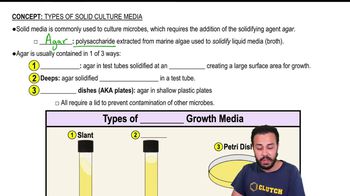
  • Types of Solid Culture Media
    03:16
Plating Methods

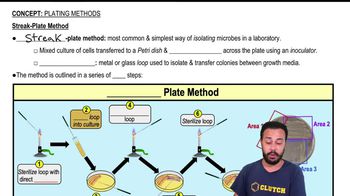
  • Streak-Plate Method
    05:16
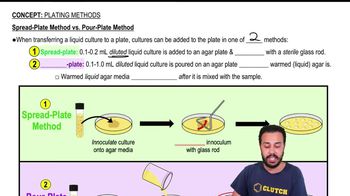
  • Spread-Plate Method vs. Pour-Plate Method
    05:36
Binary Fission

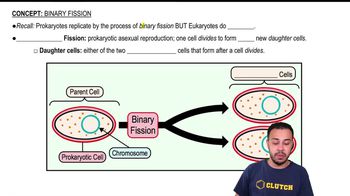
  • Binary Fission
    02:16
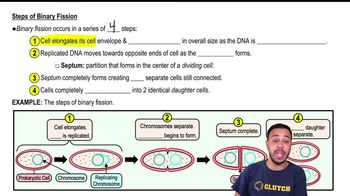
  • Steps of Binary Fission
    04:57

Generation Times

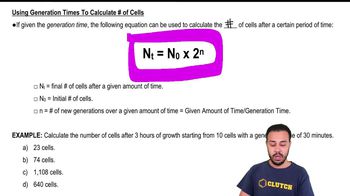
  • Calculating Generation Times
    05:48
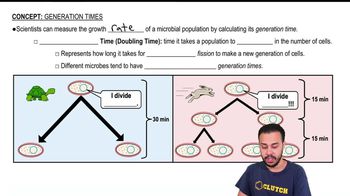
  • Generation Times
    02:54

Microbial Growth Curves in a Closed System

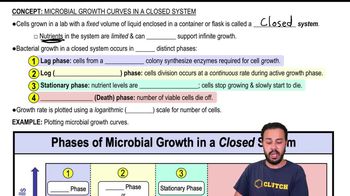
  • Microbial Growth Curves in a Closed System
    08:59
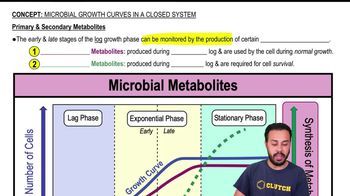
  • Primary & Secondary Metabolites
    02:33

Introduction to Controlling Microbial Growth

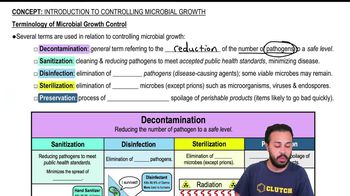
  • Terminology of Microbial Growth Control
    07:36
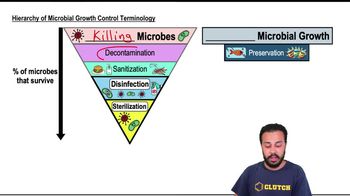
  • Hierarchy of Microbial Growth Control Terminology
    03:09
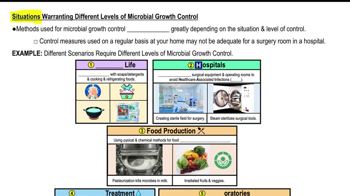
  • Situations Warranting Different Levels of Microbial Growth Control
    05:58

Selecting a Method to Control Microbial Growth

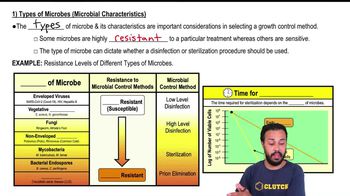
  • Types of Microbes (Microbial Characteristics)
    07:24
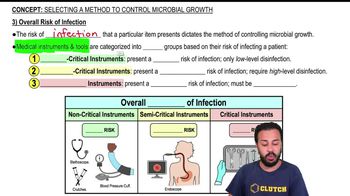
  • Overall Risk of Infection
    04:52
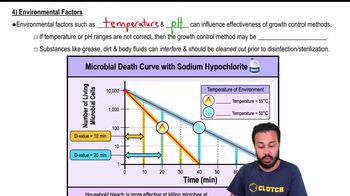
  • Environmental Factors
    04:18

Physical Methods to Control Microbial Growth

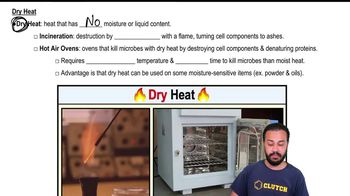
  • Dry Heat
    02:58
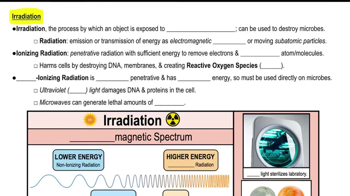
  • Irradiation
    06:18
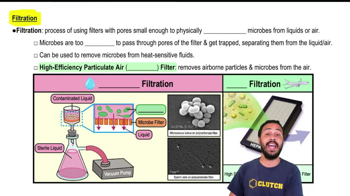
  • Filtration
    04:29

Chemical Methods to Control Microbial Growth

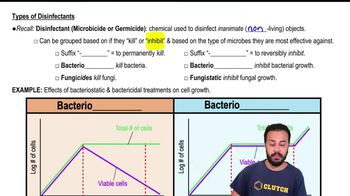
  • Types of Disinfectants
    05:21
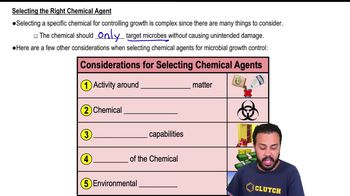
  • Selecting the Right Chemical Agent
    04:52
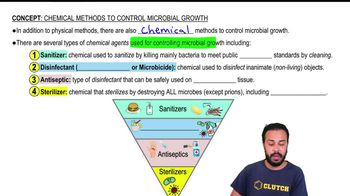
  • Chemical Methods to Control Microbial Growth
    03:58

Chemicals Used to Control Microbial Growth

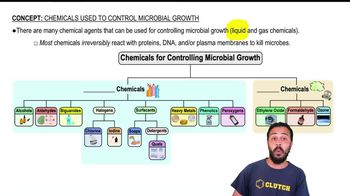
  • Chemicals Used to Control Microbial Growth
    02:29
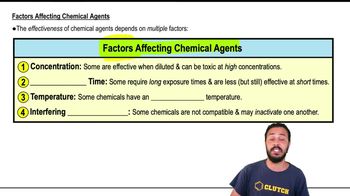
  • Factors Affecting Chemical Agents
    03:17

Liquid Chemicals: Alcohols, Aldehydes, & Biguanides

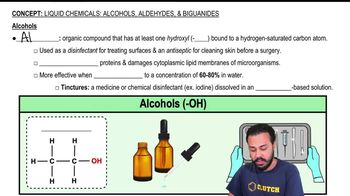
  • Alcohols
    03:39
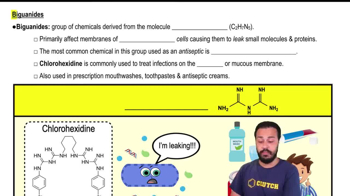
  • Biguanides
    02:41
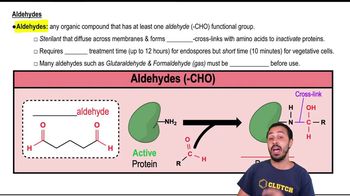
  • Aldehydes
    03:59

Liquid Chemicals: Halogens

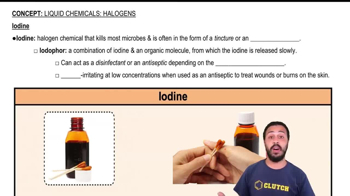
  • Iodine
    02:15
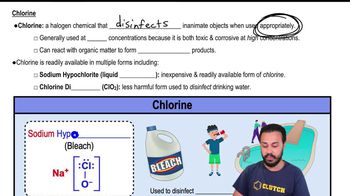
  • Chlorine
    03:16
  • Liquid Chemicals: Halogens
    00:56
Liquid Chemicals: Surface-Active Agents

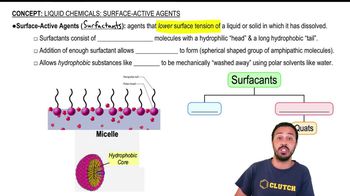
  • Liquid Chemicals: Surface-Active Agents
    04:14
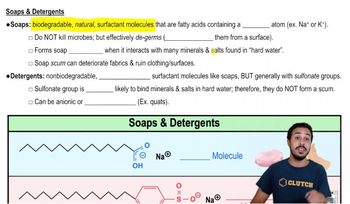
  • Soaps & Detergents
    06:20
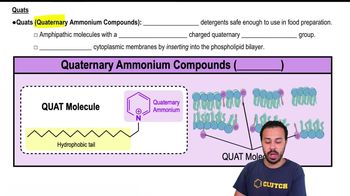
  • Quats
    02:33

Chemical Gases: Ethylene Oxide, Ozone, & Formaldehyde

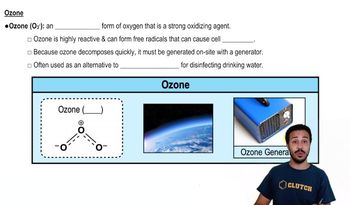
  • Ozone
    02:36
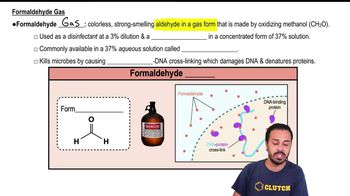
  • Formaldehyde Gas
    02:56
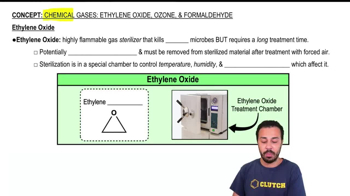
  • Chemical Gases: Ethylene Oxide
    03:22

Review of Chemicals Used to Control Microbial Growth

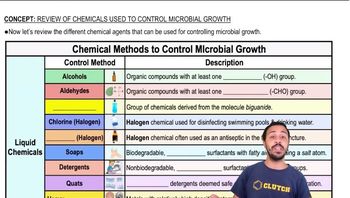
  • Review of Chemicals Used to Control Microbial Growth
    05:41

Chemical Preservation of Perishable Products

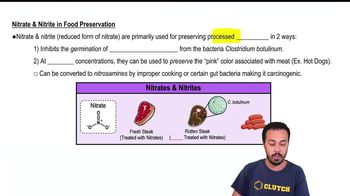
  • Nitrate & Nitrite in Food Preservation
    03:15
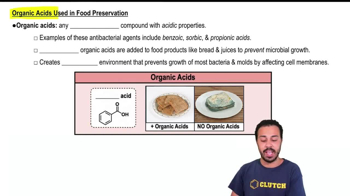
  • Organic Acids Used in Food Preservation
    02:11
  • Chemical Preservation of Perishable Products
    01:16

Introduction to Antimicrobial Drugs

  • Guided course
    History of Antimicrobial Drugs
    05:33

How Antimicrobial Drugs Work

  • Guided course
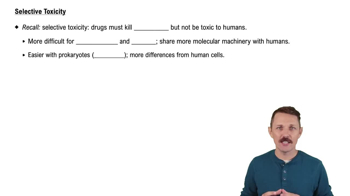
    Selective Toxicity
    05:27
  • Guided course
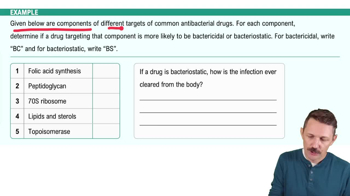
    How Antimicrobial Drugs Work Example 1
    03:28

Broad vs Narrow Spectrum Drugs

  • Guided course
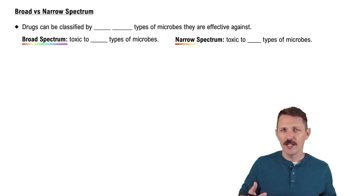
    Broad vs Narrow Spectrum
    04:05

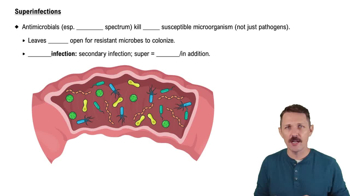
Superinfections

  • Guided course
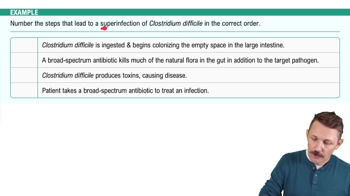
    Superinfections Example 1
    01:59
  • Guided course
    Superinfections
    05:16

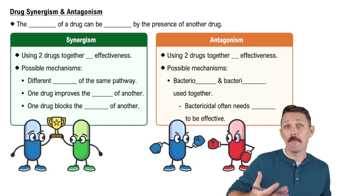
Drug Interactions: Synergism and Antagonism

  • Guided course
    Drug Synergism & Antagonism
    03:06
  • Guided course
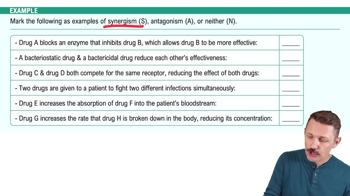
    Drug Interactions: Synergism and Antagonism Example 1
    03:17

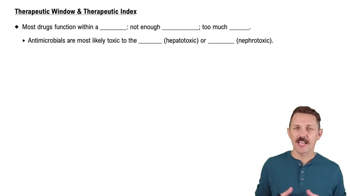
Therapeutic Window & Therapeutic Index

  • Guided course
    Therapeutic Window & Therapeutic Index
    04:08

Inhibitors of Cell Wall Synthesis: Beta-lactam & Penicillin

  • Guided course
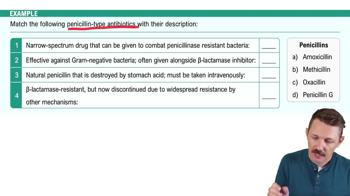
    Inhibitors of Cell Wall Synthesis: Beta-lactam & Penicillin Example 3
    04:02
  • Guided course
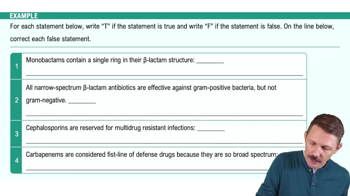
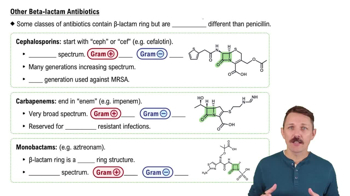
    Other Beta-lactam Antibiotics
    04:51
  • Inhibitors of Cell Wall Synthesis: Beta-lactam & Penicillin Example 2
    02:21

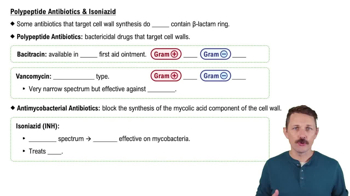
Inhibitors of Cell Wall Synthesis: Polypeptide Antibiotics & Isoniazid

  • Guided course
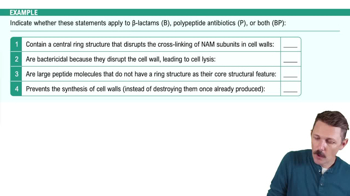
    Inhibitors of Cell Wall Synthesis: Polypeptide Antibiotics & Isoniazid Example 1
    02:14
  • Guided course
    Polypeptide Antibiotics & Isoniazid
    03:43

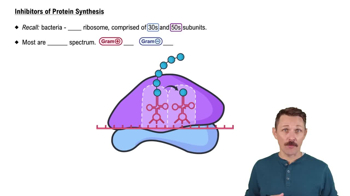
Inhibitors of Protein Synthesis

  • Guided course
    Inhibitors of Protein Synthesis
    05:25
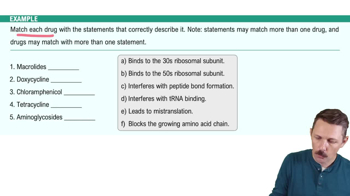
  • Guided course
    Inhibitors of Protein Synthesis Example 1
    03:04

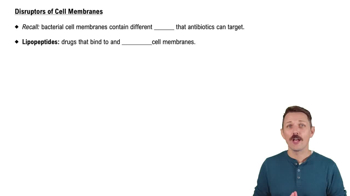
Disruptors of Cell Membranes

  • Guided course
    Disruptors of Cell Membranes
    04:03

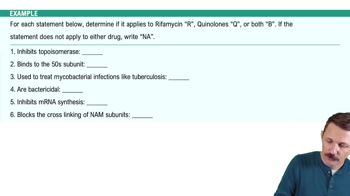
Inhibitors of Nucleic Acid Synthesis

  • Guided course
    Inhibitors of Nucleic Acid Synthesis Example 1
    02:21
  • Guided course
    Inhibitors of Nucleic Acid Synthesis
    05:01

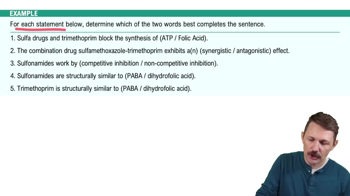
Competitive Inhibitors of Metabolic Pathways

  • Guided course
    Competitive Inhibitors of Metabolic Pathways Example 1
    02:36
  • Guided course
    Sulfa Drugs & Folic Acid Synthesis
    05:22

Antifungal Drugs

  • Guided course
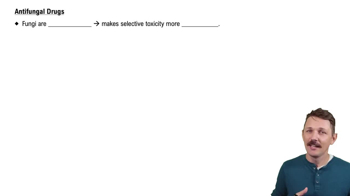
    Antifungal Drugs
    06:43
  • Guided course
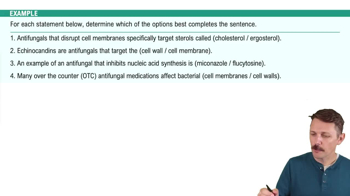
    Antifungal Drugs Example 1
    02:06

Antiviral Drugs

  • Guided course
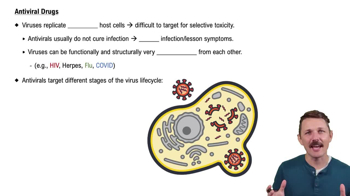
    Antiviral Drugs
    07:25

Tests to Guide Antimicrobial Use

  • Guided course
    Tests to Guide Antimicrobial Use Example 1
    04:17
  • Guided course
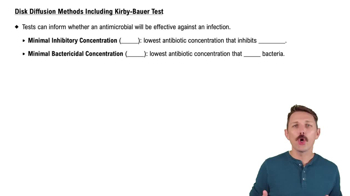
    Disk Diffusion Methods Including Kirby-Bauer Test
    06:04
  • Guided course
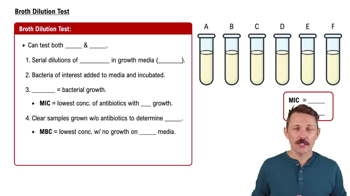
    Broth Dilution Test
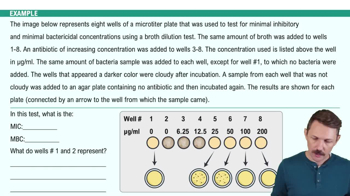
    04:53

Antimicrobial Resistance

  • Guided course
    Types of Resistance Mechanisms
    05:04
  • Guided course
    Spread of Antibiotic Resistance
    04:45
  • Guided course
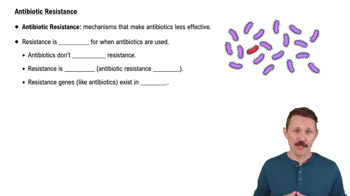
    Antibiotic Resistance
    03:45