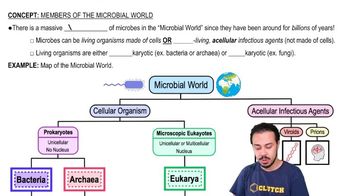
Members of the Bacterial World
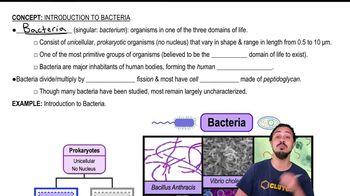
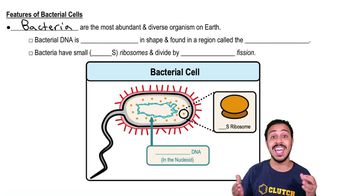
Introduction to Bacteria
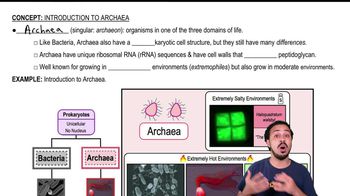
Introduction to Archaea
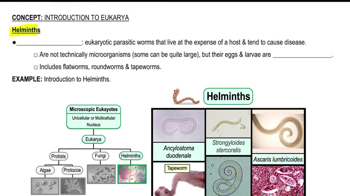
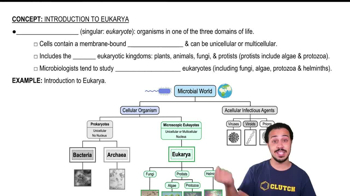
Introduction to Eukarya
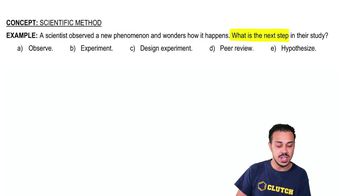
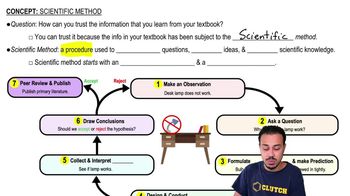
Scientific Method
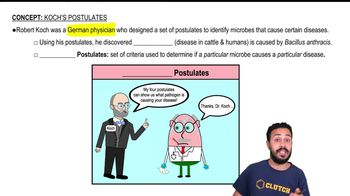
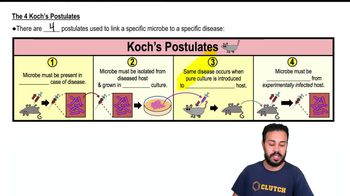
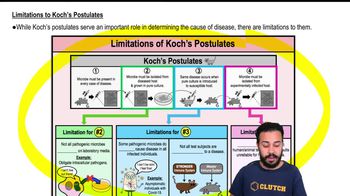
Koch's Postulates
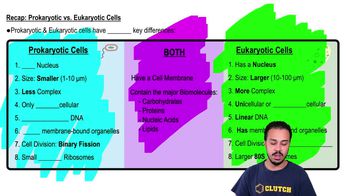
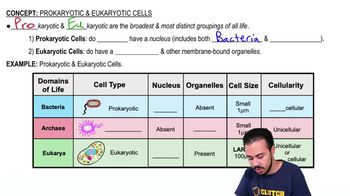
Prokaryotic & Eukaryotic Cells
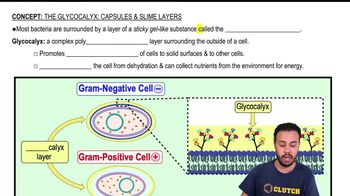
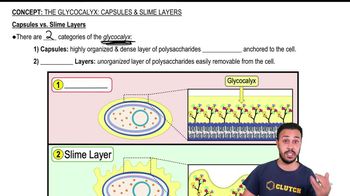
The Glycocalyx: Capsules & Slime Layers
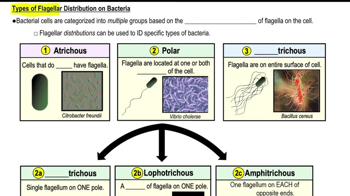
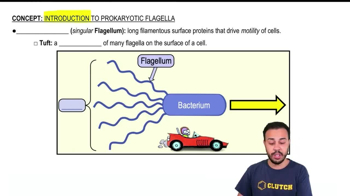
Introduction to Prokaryotic Flagella
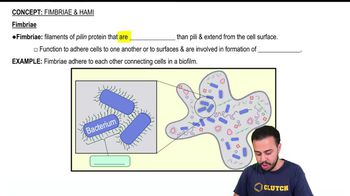
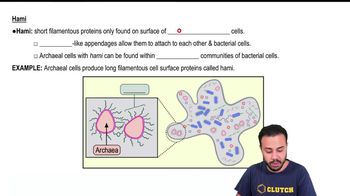
Fimbriae & Hami
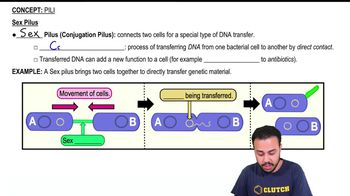
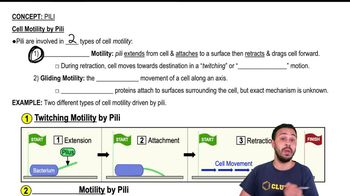
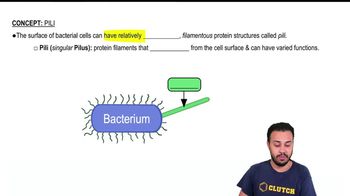
Pili
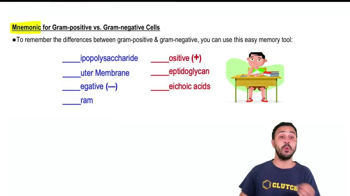
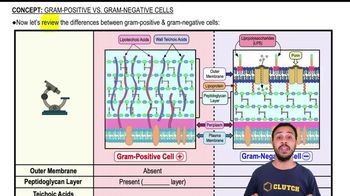
Gram-Positive vs. Gram-Negative Cell Walls
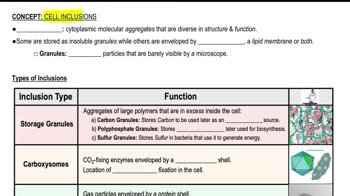
Cell Inclusions
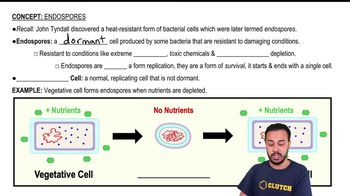
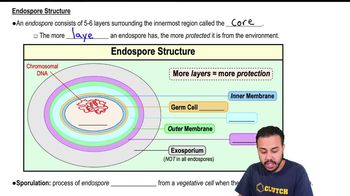
Endospores
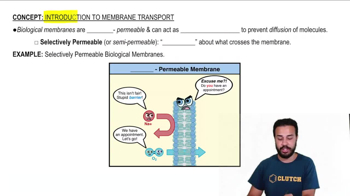
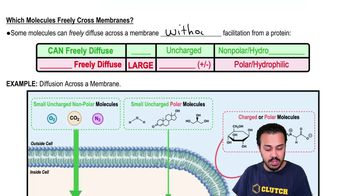
Introduction to Membrane Transport
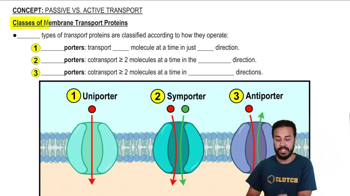
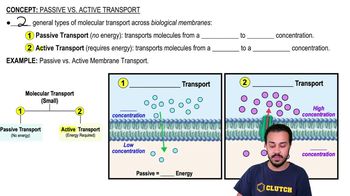
Passive vs. Active Transport
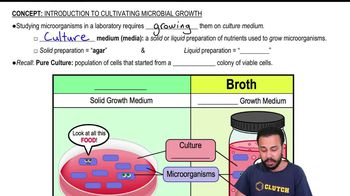
Introduction to Cultivating Microbial Growth
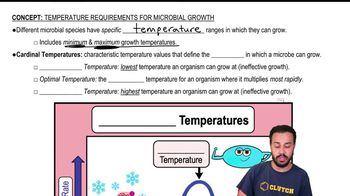
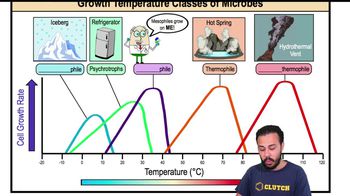
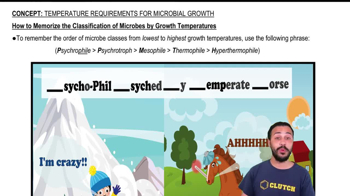
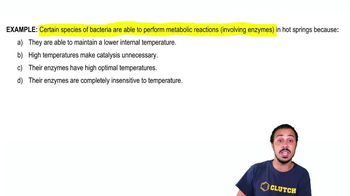
Temperature Requirements for Microbial Growth
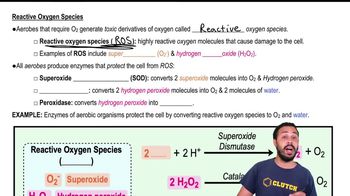
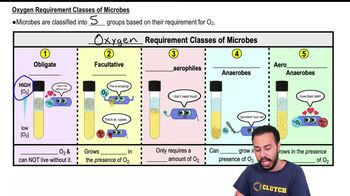
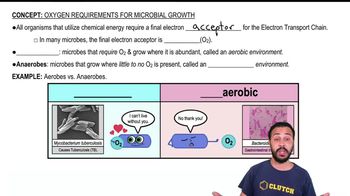
Oxygen Requirements for Microbial Growth
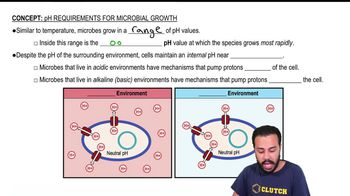
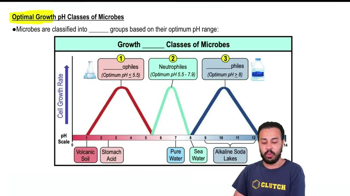
pH Requirements for Microbial Growth
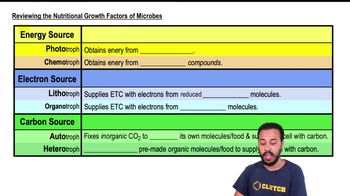
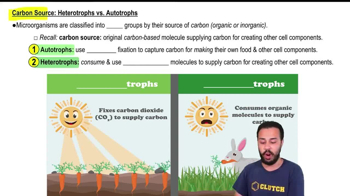
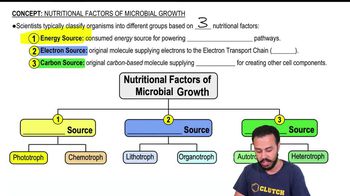
Nutritional Factors of Microbial Growth
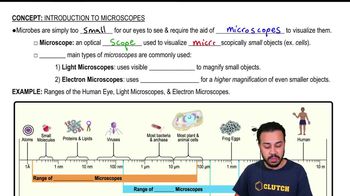
Introduction to Microscopes
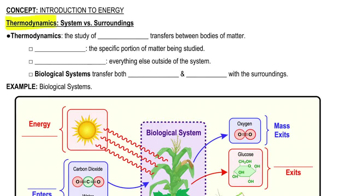
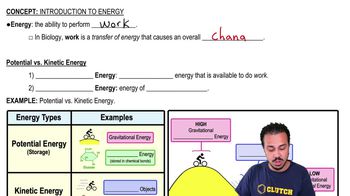
Introduction to Energy
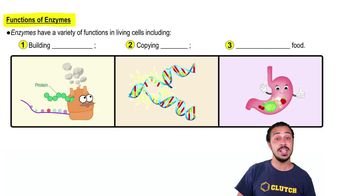
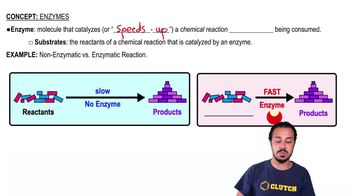
Enzymes
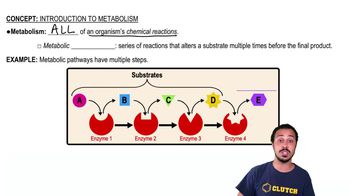
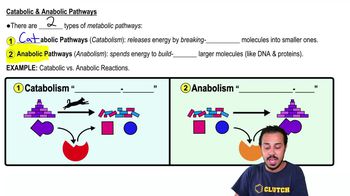
Introduction to Metabolism
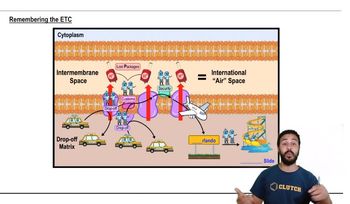
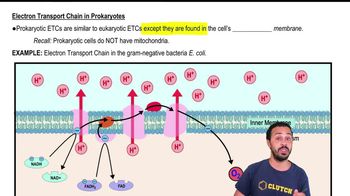
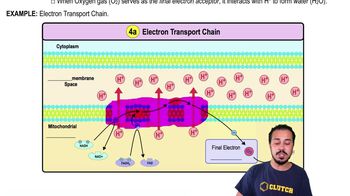
Electron Transport Chain
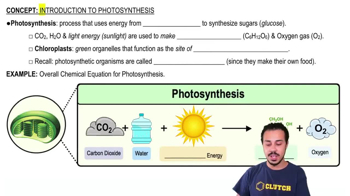
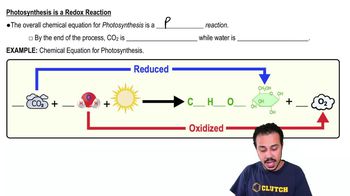
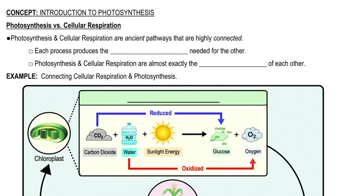
Introduction to Photosynthesis
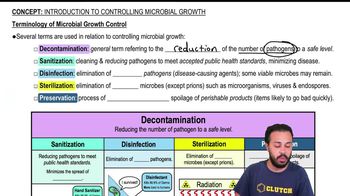
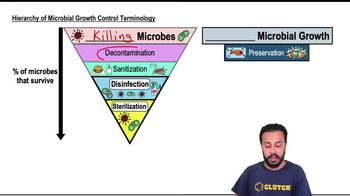
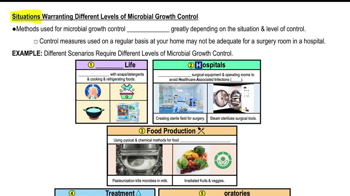
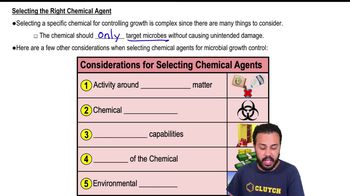
Introduction to Controlling Microbial Growth
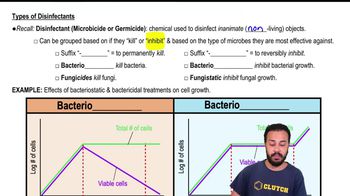
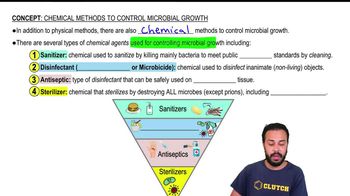
Chemical Methods to Control Microbial Growth
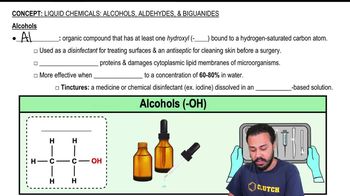
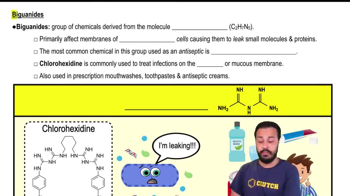
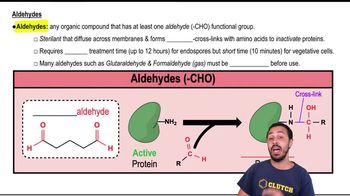
Liquid Chemicals: Alcohols, Aldehydes, & Biguanides
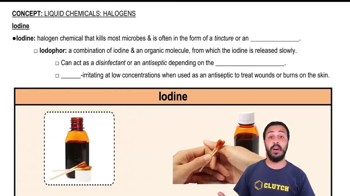
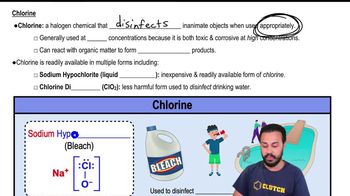
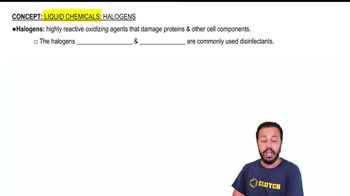
Liquid Chemicals: Halogens
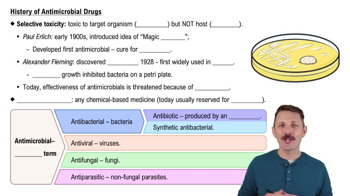
Introduction to Antimicrobial Drugs
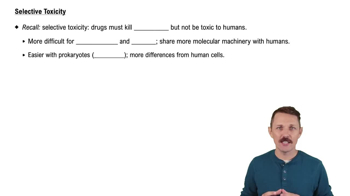
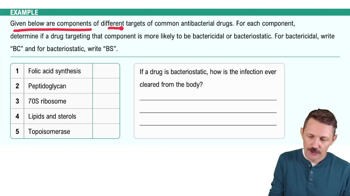
How Antimicrobial Drugs Work
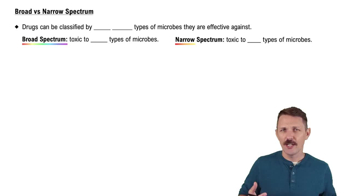
Broad vs Narrow Spectrum Drugs
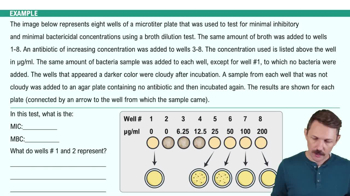
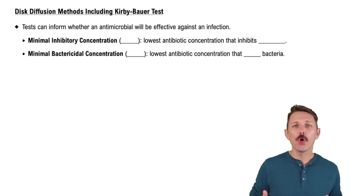
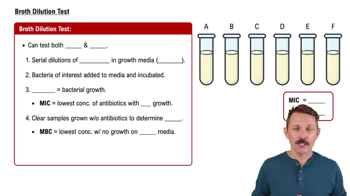
Tests to Guide Antimicrobial Use
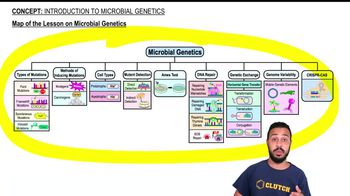
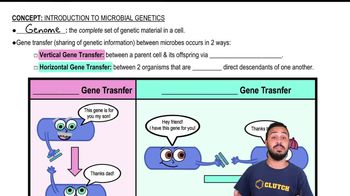
Introduction to Microbial Genetics
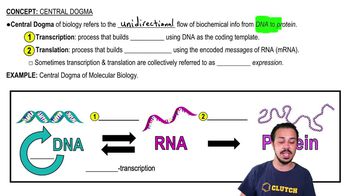
Central Dogma
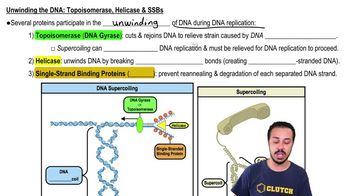
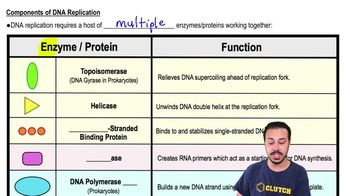
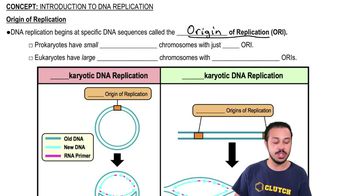
Introduction to DNA Replication
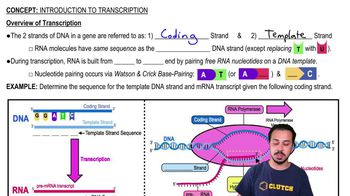
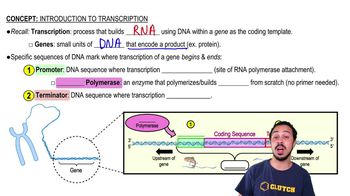
Introduction to Transcription
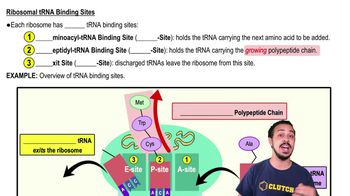
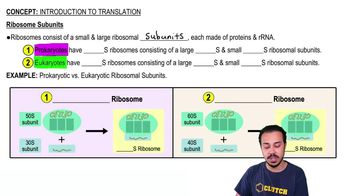
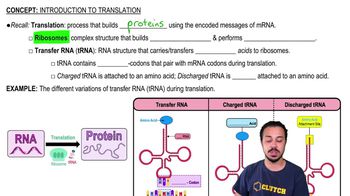
Introduction to Translation
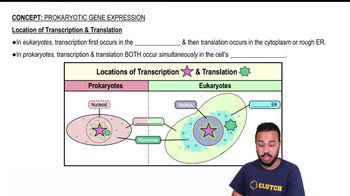
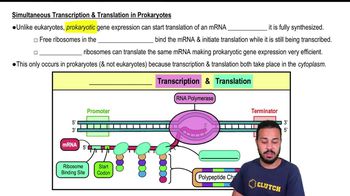
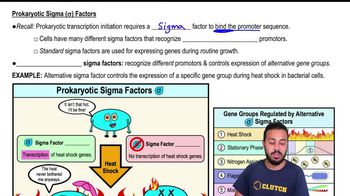
Prokaryotic Gene Expression
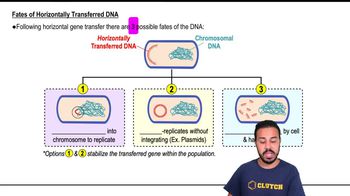
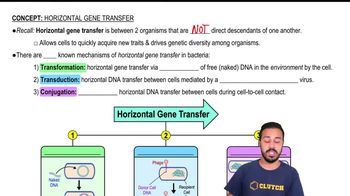
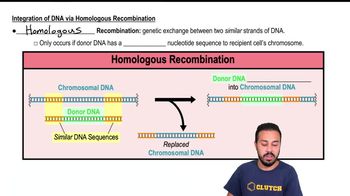
Horizontal Gene Transfer
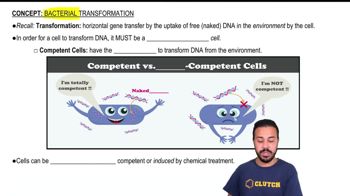
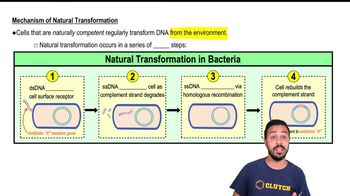
Bacterial Transformation
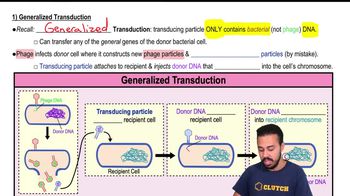
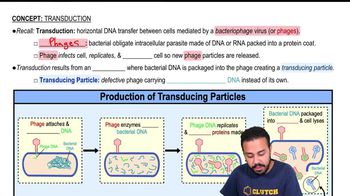
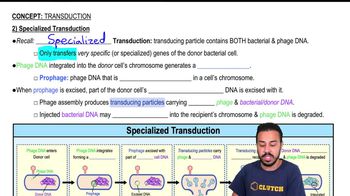
Transduction
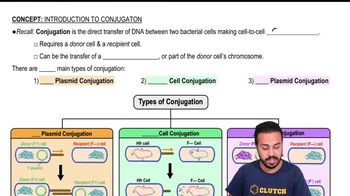
Introduction to Conjugation
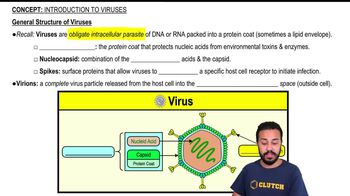
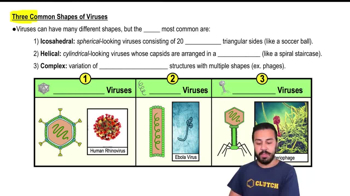
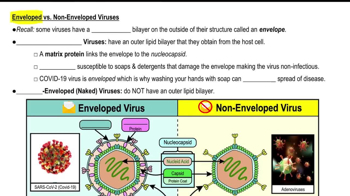
Introduction to Viruses
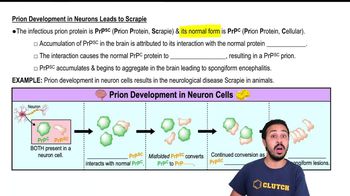
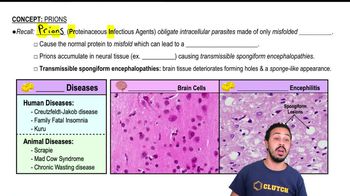
Prions
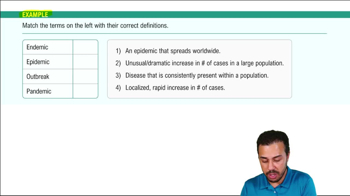
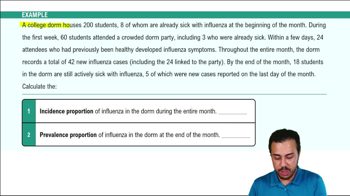
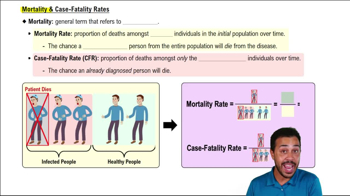
Introduction to Epidemiology
Koch's Postulates
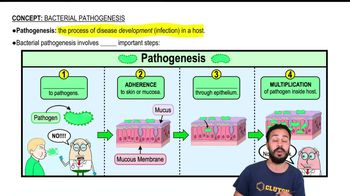
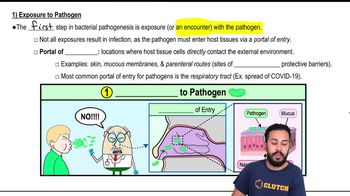
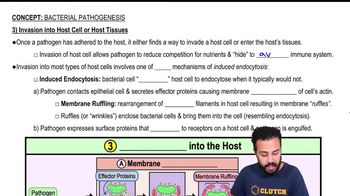
Bacterial Pathogenesis
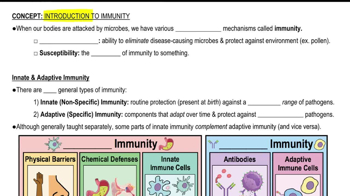
Introduction to Immunity
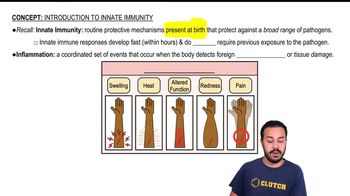
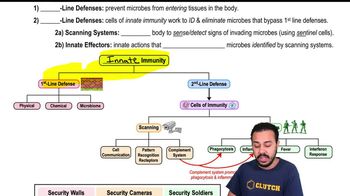
Introduction to Innate Immunity
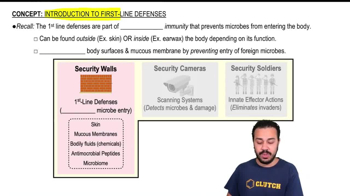
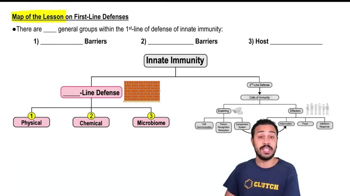
Introduction to First-Line Defenses
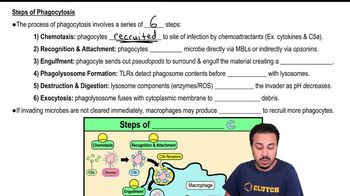
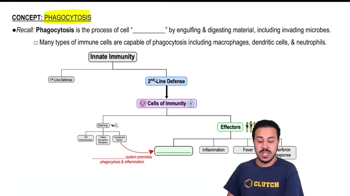
Phagoctytosis
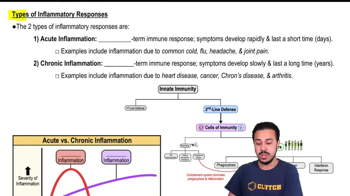
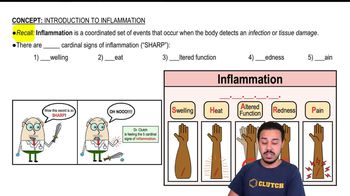
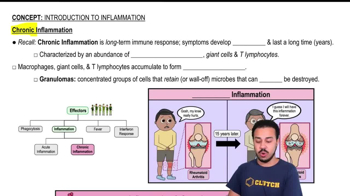
Introduction to Inflammation
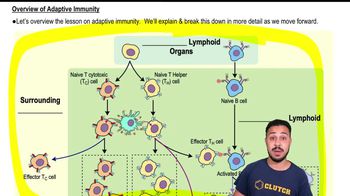
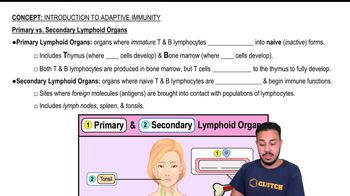
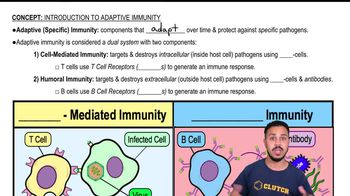
Introduction to Adaptive Immunity
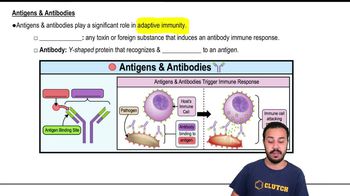
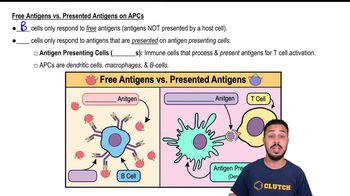
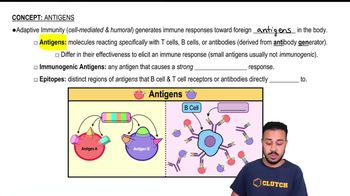
Antigens
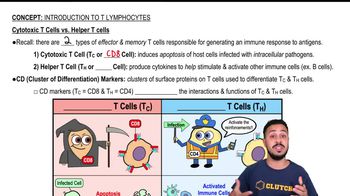
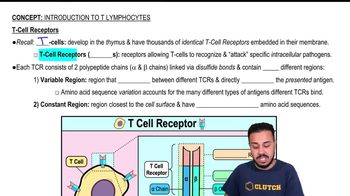
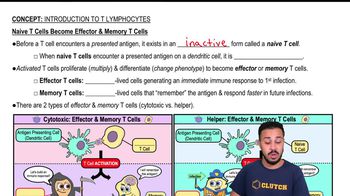
Introduction to T Lymphocytes
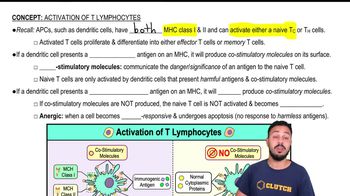
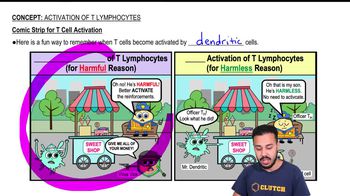
Activation of T Lymphocytes
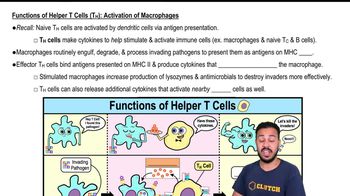
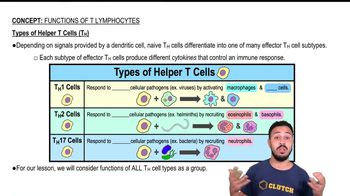
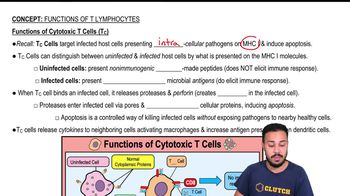
Functions of T Lymphocytes
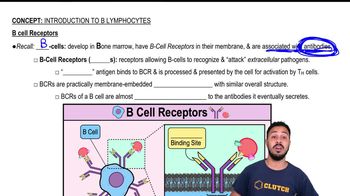
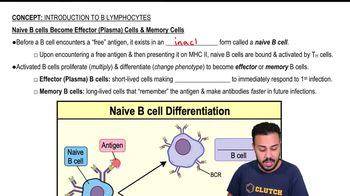
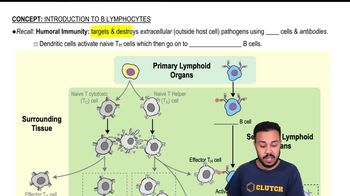
Introduction to B Lymphocytes
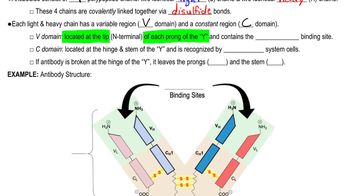
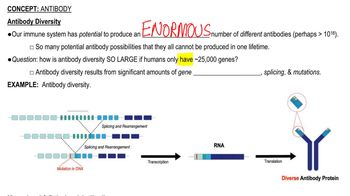
Antibodies
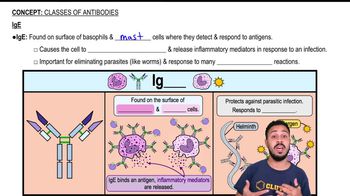
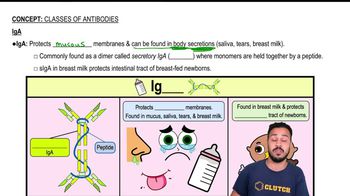
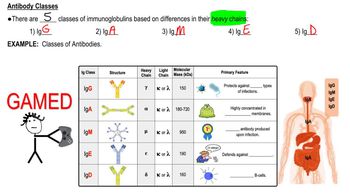
Classes of Antibodies
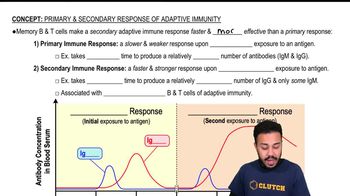
Primary and Secondary Response of Adaptive Immunity
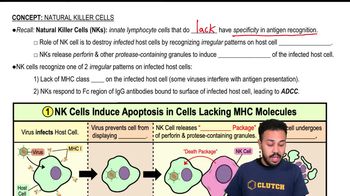
Natural Killer Cells
 Back
Back Curated lessons matched to your uploaded material – learn every topic step by step.
 06:17
06:17