Back
BackMicrobiology Laboratory Techniques and Media: Study Notes
Study Guide - Smart Notes
 Tailored notes based on your materials, expanded with key definitions, examples, and context.
Koch’s Postulates and Their Importance
Definition and Steps
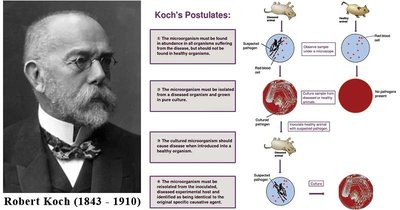
Koch’s postulates are a set of criteria established by Robert Koch to identify the causative agent of a particular infectious disease. These postulates form the foundation of medical microbiology and infectious disease research.
Postulate 1: The microorganism must be found in abundance in all organisms suffering from the disease, but should not be found in healthy organisms.
Postulate 2: The microorganism must be isolated from a diseased organism and grown in pure culture.
Postulate 3: The cultured microorganism should cause disease when introduced into a healthy organism.
Postulate 4: The microorganism must be reisolated from the inoculated, diseased experimental host and identified as being identical to the original specific causative agent.
Example: Koch’s postulates were used to establish Bacillus anthracis as the cause of anthrax.
Composition and Types of Culture Media
Basic Nutrient Agar Composition
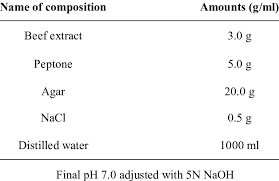
Nutrient agar is a general-purpose medium supporting the growth of a wide range of non-fastidious organisms. It is commonly used in laboratories for routine cultivation of bacteria.
Name of composition | Amounts (g/ml) |
|---|---|
Beef extract | 3.0 g |
Peptone | 5.0 g |
Agar | 20.0 g |
NaCl | 0.5 g |
Distilled water | 1000 ml |
Final pH: 7.0 (adjusted with 5N NaOH)
Enriched Media: Blood Agar and Chocolate Agar
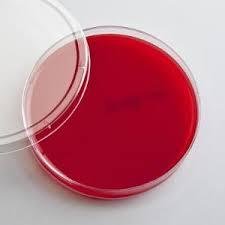
Blood Agar
Blood agar is an enriched medium containing mammalian blood (usually sheep or horse) at a concentration of 5–10%. It is used to isolate fastidious organisms and to detect hemolytic activity, which helps differentiate bacterial species based on their hemolysis patterns (alpha, beta, gamma).
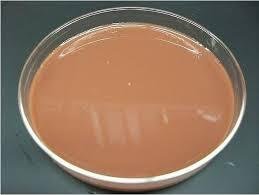
Chocolate Agar
Chocolate agar is a variant of blood agar where red blood cells have been lysed by heating. It is used for growing fastidious bacteria such as Haemophilus influenzae and Neisseria gonorrhoeae.
Selective and Differential Media
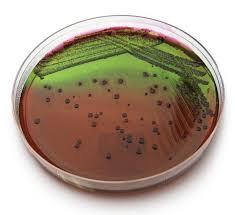
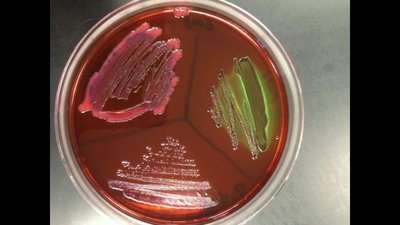
Eosin Methylene Blue (EMB) Agar
EMB agar is both selective and differential. It selects for Gram-negative bacteria and differentiates them based on lactose fermentation. Strong fermenters like Escherichia coli produce a metallic green sheen, while weak fermenters appear pink to purple, and non-fermenters are colorless.
Lowenstein–Jensen Medium
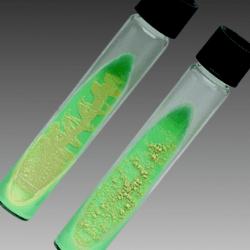
This solid medium is selective for Mycobacterium tuberculosis. It contains malachite green and antibiotics to suppress the growth of most bacteria other than mycobacteria.
Plating Techniques for Bacterial Isolation and Enumeration
Streak Plate Technique
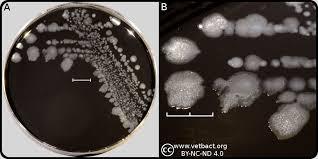
The streak plate method is used to isolate pure bacterial colonies from a mixed sample by spreading the sample over the surface of an agar plate in a pattern that thins out the bacteria.
Spread Plate Method
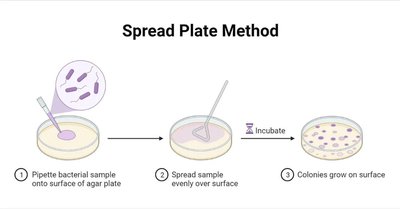
In the spread plate technique, a diluted bacterial sample is spread evenly over the surface of an agar plate using a sterile spreader. This method is ideal for counting viable cells.
Pour Plate Method
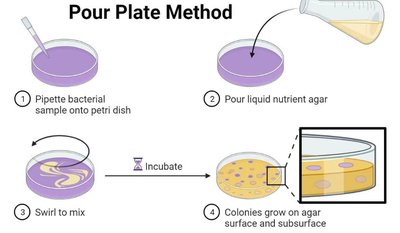
In the pour plate technique, a diluted sample is mixed with molten agar and poured into a petri dish. Colonies grow both on the surface and within the agar, allowing for enumeration of bacteria that may prefer lower oxygen levels.
MacConkey Agar and Lactose Fermentation
MacConkey Agar
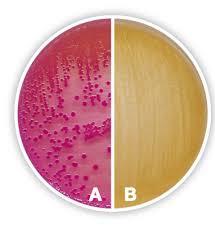
MacConkey agar is a selective and differential medium used to isolate and differentiate Gram-negative enteric bacteria based on their ability to ferment lactose. Lactose fermenters produce pink colonies, while non-fermenters produce colorless or tan colonies.
XLD and TCBS Agar
Xylose Lysine Deoxycholate (XLD) Agar
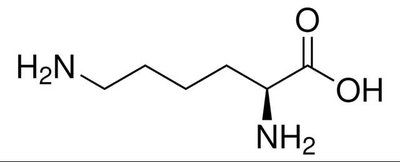
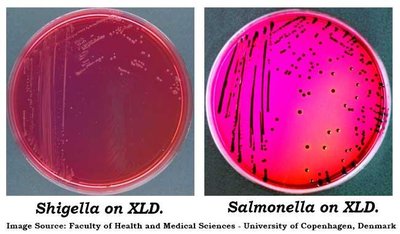
XLD agar is used to isolate and identify pathogenic Gram-negative bacteria, primarily Salmonella and Shigella. Salmonella produces red colonies with black centers (H2S production), while Shigella forms red colonies without black centers.
Thiosulfate-Citrate-Bile Salts-Sucrose (TCBS) Agar
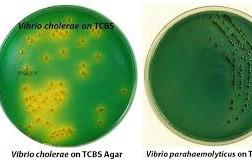
TCBS agar is selective and differential for Vibrio species. Vibrio cholerae forms yellow colonies (sucrose fermenter), while Vibrio parahaemolyticus forms green colonies (non-fermenter).
CLED Agar
Cysteine Lactose Electrolyte Deficient (CLED) Agar
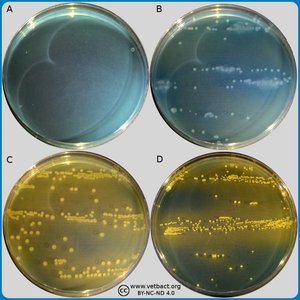
CLED agar is a differential medium primarily used for urine cultures. It prevents swarming of Proteus species and differentiates lactose fermenters (yellow colonies) from non-fermenters (blue colonies).
Bacterial Oxygen Preferences
Classification by Oxygen Requirement
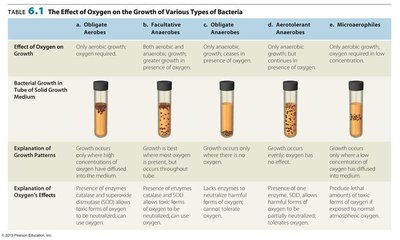
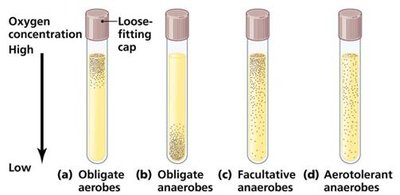
Bacteria are classified based on their oxygen requirements:
Obligate aerobes: Require oxygen for growth.
Facultative anaerobes: Can grow with or without oxygen.
Obligate anaerobes: Cannot tolerate oxygen.
Aerotolerant anaerobes: Do not use oxygen but tolerate its presence.
Microaerophiles: Require reduced oxygen concentrations.