 Back
BackMicrobiology of Nervous System Infections
Study Guide - Smart Notes
 Tailored notes based on your materials, expanded with key definitions, examples, and context.
Nervous System Overview
Structure and Function of the Nervous System
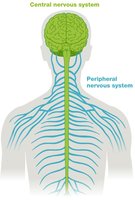
The nervous system is divided into the central nervous system (CNS) and the peripheral nervous system (PNS). The CNS, composed of the brain and spinal cord, integrates information and formulates responses. The PNS, composed of nerves, transmits sensory input to the CNS and carries out its action plans.
CNS: Brain and spinal cord; responsible for processing and integrating information.
PNS: Nerves outside the CNS; responsible for transmitting signals to and from the CNS.
Neurons and Signal Transmission
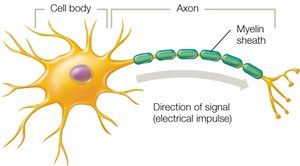
Neurons are specialized cells that transmit electrical and chemical signals throughout the nervous system. When stimulated, neurons release neurotransmitters to communicate with neighboring neurons, facilitating rapid information transfer between the CNS and PNS.
Cell body: Contains the nucleus and organelles.
Axon: Long projection that carries electrical impulses away from the cell body.
Myelin sheath: Insulating layer that speeds up signal transmission.
Brain-Gut Connection
Although the nervous system lacks resident microbiota, the gastrointestinal microbiota can influence nervous system function. Changes in gut microbiota composition can alter neurotransmitter levels, impacting brain function and behavior.
Defenses of the Nervous System
The nervous system is protected by several physical and biochemical barriers:
Meninges: Three layers of tissue surrounding the brain and spinal cord, providing nutrients, waste removal, and physical protection.
Cerebrospinal fluid (CSF): Cushions the CNS and removes waste.
Blood–Brain Barrier: Specialized blood vessels that restrict the passage of most molecules from the bloodstream into the CNS, protecting it from pathogens and toxins.
Infections and Disorders of the Nervous System
When Defenses Break Down
Disruption of nervous system defenses can lead to inflammation and infection:
Meningitis: Inflammation of the meninges.
Encephalitis: Inflammation of the brain.
Meningoencephalitis: Inflammation of both the meninges and brain.
Viruses are the most common cause, but bacteria, fungi, and parasites can also be involved.
Viral forms are generally less severe than bacterial forms.
Viral Infections of the Nervous System
Poliomyelitis (Polio)
Poliomyelitis is caused by the Poliovirus, a small, non-enveloped RNA virus. Its protein coat protects it from stomach acid, allowing fecal-oral transmission. Most cases are mild, but severe cases can result in paralysis.
Mechanism: Virus binds to intestinal cells, travels to skeletal muscle, and ascends motor neurons to the CNS, causing neuron lysis and inflammation.
Complications: Bulbar poliomyelitis (muscle weakness), flaccid paralysis, postpolio syndrome (progressive muscle loss).
Prevention: Salk (IPV, inactivated) and Sabin (OPV, live attenuated) vaccines.
Rabies
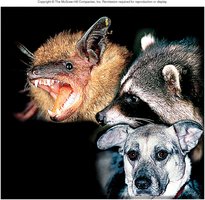
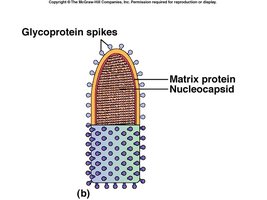
Rabies is a fatal viral disease caused by the Rabies virus, an enveloped, bullet-shaped, single-stranded RNA virus. It is a classic zoonosis, transmitted to humans via animal bites (e.g., bats, raccoons, dogs).
Incubation: 2–12 months; initial symptoms include fever, nausea, and paraesthesia.
Progression: Virus travels to the CNS, causing neurological symptoms (confusion, hydrophobia, paralysis).
Treatment: Postexposure prophylaxis with antibodies and inactivated vaccine.
Prevention: Vaccination of domestic animals.
Arboviral Encephalitis and Meningitis
Arboviruses (e.g., West Nile, dengue, yellow fever) are RNA viruses transmitted by arthropods, primarily mosquitoes and ticks. Humans are dead-end hosts due to low viremia.
Symptoms: Range from mild fever and headache to severe neurological impairment (seizures, paralysis).
Mechanism: Cytolysis of infected cells.
Treatment: Supportive care; prevention includes insect repellent and vaccination (where available).
Bacterial Infections of the Nervous System
Bacterial Meningitis
Bacterial meningitis is a rapidly progressing, life-threatening infection. Immediate treatment is critical. Bacterial forms are more severe than viral forms, with higher rates of long-term disability and mortality.
Feature | Bacterial Meningitis | Viral Meningitis |
|---|---|---|
Onset | Rapid | Slower |
Severity | Severe, life-threatening | Usually mild |
Complications | Common (brain damage, hearing loss) | Rare |
Treatment | Antibiotics | Supportive care |
Haemophilus influenzae Meningitis
Haemophilus influenzae is a Gram-negative bacterium, with type b being the most serious strain. It was a leading cause of childhood meningitis before vaccination.
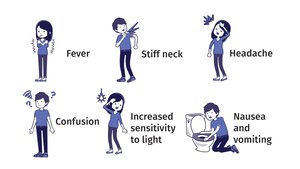
Symptoms: Sudden fever, headache, stiff neck, confusion.
Treatment: Antibiotics; mortality remains 3–6% in children.
Prevention: Vaccination has dramatically reduced incidence.
Neisseria meningitidis (Meningococcal Meningitis)
Neisseria meningitidis is a Gram-negative, encapsulated bacterium. It is transmitted via respiratory droplets and can cause both meningitis and septicemia.
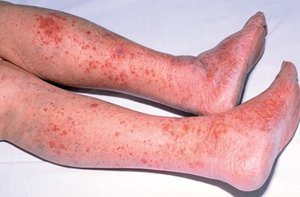
Symptoms: Fever, headache, stiff neck, and petechial rash (in septicemia).
Treatment: Immediate antibiotics; untreated cases can be fatal within hours.
Prevention: Vaccination is available for common serotypes.
Bacterial Toxins Affecting the Nervous System
Clostridium botulinum and Clostridium tetani are Gram-positive, spore-forming soil bacteria that produce potent neurotoxins.
Botulism: Flaccid paralysis due to botulinum toxin blocking acetylcholine release.
Tetanus: Spastic paralysis due to tetanospasmin blocking inhibitory neurotransmitter release.
Prevention: Proper food handling (botulism), vaccination (tetanus).
Fungal and Parasitic Infections of the Nervous System
Cryptococcosis
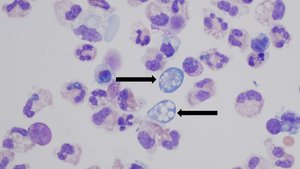
Cryptococcus neoformans is a yeast-like fungus that primarily infects immunocompromised individuals, especially those with HIV/AIDS. Infection occurs via inhalation of spores from bird droppings.
Symptoms: Cough, fever, headache, agitation, disorientation.
Treatment: Amphotericin B and flucytosine for severe cases.
Protozoan Nervous System Infections
Several protozoa can infect the nervous system, including Trypanosoma brucei, Naegleria fowleri, and Toxoplasma gondii.
African Sleeping Sickness (Trypanosomiasis)
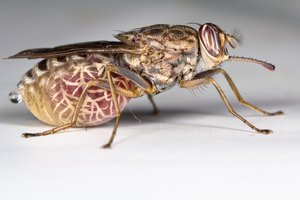
Caused by Trypanosoma brucei, transmitted by the tsetse fly. The disease progresses in two stages: initial bloodstream infection and later CNS involvement, leading to sleep disturbances and behavioral changes.
Mechanism: Parasite evades the immune system via antigenic variation.
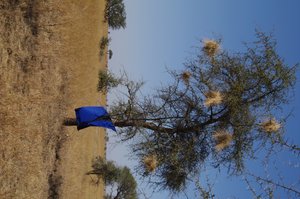
Prevention: Habitat clearing and insecticides reduce tsetse fly populations.
Primary Amoebic Meningoencephalitis (PAM)
Caused by Naegleria fowleri, a rare but deadly amoeba found in warm freshwater. Infection occurs when contaminated water enters the nose, allowing the amoeba to travel to the brain.
Symptoms: Headache, vomiting, fever, stiff neck, seizures, hallucinations, coma.
Treatment: Intensive antiprotozoan therapy; prognosis is poor.
Prevention: Avoid swimming in warm freshwater, use sterile water in nasal rinses.
Toxoplasmosis
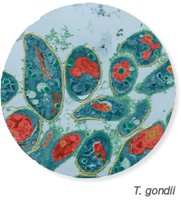
Caused by Toxoplasma gondii, with cats as the definitive host. Transmission occurs via undercooked meat, cat feces, or congenitally. Most healthy individuals are asymptomatic, but infection can be severe in immunocompromised patients and fetuses.
Symptoms: Mild or asymptomatic in healthy people; severe neurological symptoms in immunocompromised or congenital cases.
Treatment: Pyrimethamine and sulfadiazine.
Prevention: Properly cook meat; immunocompromised and pregnant individuals should avoid cleaning litter boxes.
