 Back
BackMicrobiology of the Oral Cavity and Gastrointestinal Tract: Normal Biota, Pathogens, and Disease Mechanisms
Study Guide - Smart Notes
 Tailored notes based on your materials, expanded with key definitions, examples, and context.
888888888888888888888888888888888888888888888888888888888888888888888888888888888888888888888888888888888888888888888888888888888888888888888888888888888888888888888888888888888888888888888888888888888888888888888888888888888Microbiology of the Gastrointestinal (GI) Tract
Structure and Function of the GI Tract
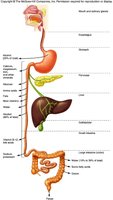
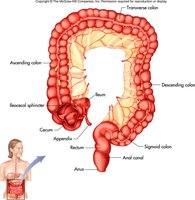
The gastrointestinal tract is a continuous tube extending from the mouth to the anus, responsible for digestion and absorption of nutrients. It consists of eight main sections: mouth, pharynx, esophagus, stomach, small intestine, large intestine, rectum, and anus. Accessory organs such as the salivary glands, pancreas, liver, and gall bladder contribute to digestion but are not part of the GI tract itself.
Mouth: Entry point for food; mechanical and enzymatic breakdown begins.
Stomach: Muscular sac that churns food, secretes hydrochloric acid (HCl) and proteases (e.g., pepsin) for protein digestion.
Small Intestine: Major site for digestion and absorption; divided into duodenum, jejunum, and ileum. Features villi and folds to increase surface area.
Large Intestine: Absorbs water and electrolytes, houses bacterial flora, forms and expels feces.

Defenses of the GI Tract
The GI tract is constantly exposed to a large number of microorganisms. It has several defense mechanisms to prevent infection:
Mucus: Coats all surfaces, trapping microbes.
Secretory IgA: Antibody found on mucosal surfaces.
Peristalsis: Muscular contractions move food and microbes through the tract.
Saliva: Contains lysozyme and lactoferrin, both antimicrobial.
Stomach Acidity: HCl creates a hostile environment for most microbes.
Bile: Disrupts cell walls of gram-positive bacteria.
Gut-associated lymphoid tissue (GALT): Includes tonsils, adenoids, Peyer's patches, and appendix; produces IgA and houses immune cells.
Normal Biota of the Oral Cavity and GI Tract
Oral Cavity
The oral cavity is populated by over 600 known species of microorganisms, including bacteria, fungi, and protozoa. These organisms form biofilms (dental plaque) on teeth and soft tissues.
Bacteria: Streptococcus, Neisseria, Veillonella, Staphylococcus, Fusobacterium, Lactobacillus, Corynebacterium, Actinomyces, Treponema
Fungi: Candida albicans
Protozoa: Trichomonas tenax, Entamoeba gingivalis
Dental plaque: A biofilm where bacteria are held together by recognition molecules. Alpha-hemolytic streptococci are the first colonizers after cleaning. The pellicle is a glycoprotein layer to which bacteria attach.
GI Tract
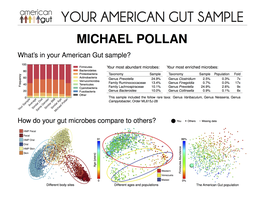
The pharynx, stomach, and large intestine contain diverse microbial populations. The stomach, once thought sterile, hosts over 100 species. The large intestine is especially rich in bacteria, fungi, protozoa, and archaea.
Stomach: Bacillus, Clostridium, Staphylococcus, Streptococcus
Large Intestine: Bacteroides, Fusobacterium, Bifidobacterium, Clostridium, Streptococcus, Peptostreptococcus, Lactobacillus, Escherichia, Enterobacter, Candida
Normal biota aid digestion, synthesize vitamins (e.g., E. coli produces vitamin K), and help train the immune system. The mix of microbiota can influence susceptibility to obesity and autoimmune diseases.
Pathogenic Microorganisms of the GI Tract
Acute Diarrheal Diseases
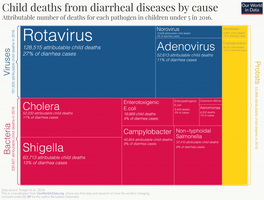
Acute diarrheal diseases are caused by a variety of pathogens, including bacteria, viruses, and protozoa. These diseases are a major cause of morbidity and mortality worldwide, especially in children.
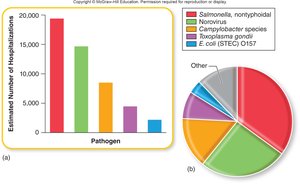
Bacterial pathogens: Salmonella, Shigella, Escherichia coli (STEC), Campylobacter, Vibrio cholerae, Clostridium difficile
Viral pathogens: Rotavirus, Norovirus
Protozoan pathogens: Giardia lamblia, Entamoeba histolytica
Salmonella
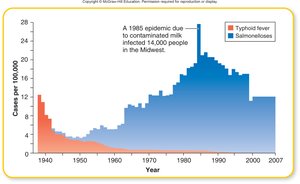
Salmonella is a genus of gram-negative bacteria, with S. enteritica being the most clinically relevant. It is motile, ferments glucose, produces hydrogen sulfide, and is resistant to bile and dyes. Transmission occurs via contaminated animal products, especially poultry and eggs.
Diseases: Salmonellosis (gastroenteritis), typhoid fever (caused by S. Typhi)
Symptoms: Vomiting, diarrhea, mucosal irritation, blood in stool, fever, septicemia in severe cases
Virulence factors: Adherence to gut mucosa, endotoxin
Prevention: Avoid contact with contaminated food; treatment is fluid/electrolyte replacement, antibiotics for severe cases
Shigella
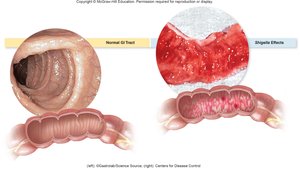
Shigella species are gram-negative, non-motile rods that cause shigellosis, characterized by dysentery (bloody diarrhea), fever, and abdominal pain. Transmission is via the oral route and direct contact, with a very low infectious dose.
Virulence factors: Invasion of large intestine villus cells, enterotoxin, Shiga toxin
Prevention: Good hygiene; treatment may include antibiotics
Shiga-Toxin-Producing E. coli (STEC)
STEC, especially E. coli O157:H7, causes severe gastroenteritis and hemolytic uremic syndrome (HUS). Transmission is mainly through contaminated beef and raw produce. Shiga toxin disrupts protein synthesis and causes systemic effects.
Symptoms: Bloody diarrhea, vomiting, fever, HUS (kidney damage, neurological symptoms)
Prevention: Avoid raw/undercooked beef, wash produce; antibiotics are contraindicated
Campylobacter
Campylobacter jejuni is the most common bacterial cause of diarrhea in the U.S. It is a slender, spiral-shaped gram-negative bacterium, transmitted via contaminated food and water.
Symptoms: Watery diarrhea, fever, vomiting, abdominal pain
Complications: Guillain-Barré syndrome (acute paralysis)
Prevention: Sanitary control of water and food; treatment is rehydration, antibiotics for severe cases
Vibrio cholerae
Vibrio cholerae causes cholera, a disease marked by profuse watery diarrhea (rice water stool) and rapid dehydration. Transmission is via contaminated water and food, especially in areas with poor sanitation.
Virulence factor: Cholera toxin (CT) disrupts electrolyte balance
Symptoms: Vomiting, secretory diarrhea, dehydration, shock
Prevention: Water purification, vaccines for travelers
Treatment: Oral rehydration therapy (ORT), antibiotics in severe cases
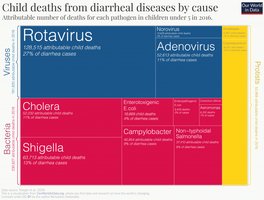
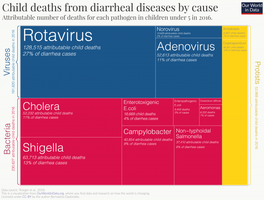
Rotavirus and Norovirus
Rotavirus is the leading cause of diarrheal morbidity and mortality in children worldwide. Norovirus is the second most common cause of food-borne hospitalizations in the U.S.
Transmission: Fecal-oral route, contaminated food/water
Symptoms: Watery diarrhea, vomiting, fever, dehydration
Prevention: Rotavirus vaccine; treatment is rehydration
Clostridium difficile
Clostridium difficile is a gram-positive, endospore-forming rod that causes pseudomembranous colitis, often after broad-spectrum antibiotic therapy. It produces toxins A and B, leading to necrosis of the intestinal wall.
Symptoms: Diarrhea, abdominal cramps, fever, pseudomembrane formation
Prevention: Judicious antibiotic use; treatment includes withdrawal of antibiotics, vancomycin, fidaxomicin, and fecal transplants
Listeriosis
Listeriosis is caused by Listeria monocytogenes, affecting pregnant women, newborns, elderly, and immunocompromised individuals. It is transmitted via contaminated food and can cause sepsis, meningitis, and encephalitis.
Prevention: Avoid high-risk foods; treatment is antibiotics
Food Poisoning
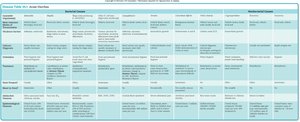
Food poisoning is caused by preformed toxins in food, often from Staphylococcus aureus, Bacillus cereus, or Clostridium perfringens. Symptoms include rapid onset of nausea, vomiting, and diarrhea.
Staphylococcus aureus: Heat-stable enterotoxin; associated with unrefrigerated foods
Bacillus cereus: Two exotoxins cause diarrheal and emetic forms; linked to rice and warm foods
Clostridium perfringens: Endospores germinate in improperly cooked foods; toxin causes abdominal pain and diarrhea
Chronic Diarrheal Diseases
Giardia lamblia
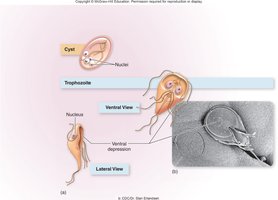
Giardia lamblia is a flagellated protozoan causing prolonged diarrhea, abdominal pain, and malodorous stools. Transmission is via cysts in contaminated water or food.
Appearance: Heart-shaped, "face-like" trophozoite; cysts contain four nuclei
Prevention: Avoid untreated water; treatment is tinidazole or metronidazole
Entamoeba histolytica
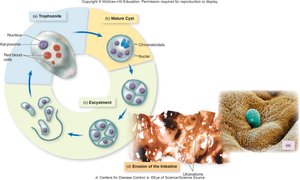
Entamoeba histolytica causes amoebiasis, marked by dysentery, abdominal pain, and ulcerations in the colon. It can invade the liver and other organs, causing abscesses.
Life cycle: Alternates between motile trophozoite and cyst stages
Transmission: Ingestion of cysts from contaminated food/water
Prevention: Water purification; treatment is iodoqunol, metronidazole, chloroquine
Tooth and Gum Infections
Dental Caries (Tooth Decay)
Dental caries is the most common infectious disease in humans, caused by the metabolic activity of bacteria such as Streptococcus mutans. Acid production from carbohydrate fermentation leads to enamel dissolution and deeper lesions.
Prevention: Dietary restriction of sucrose, regular brushing/flossing, fluoride supplementation
Treatment: Removal of affected tooth structure, restoration with artificial materials
Periodontal Disease
Periodontal disease is an infection of the tissues holding teeth in place, caused by polymicrobial biofilms and inflammation. Gingivitis is the initial stage, progressing to periodontitis if untreated.
Signs: Swelling, redness, bleeding, pocket formation
Treatment: Removal of plaque/calculus, oral hygiene, surgery, antibiotics
Summary Table: Major GI Pathogens and Their Characteristics
Pathogen | Type | Transmission | Symptoms | Prevention/Treatment |
|---|---|---|---|---|
Salmonella | Bacteria | Contaminated food (eggs, poultry) | Diarrhea, fever, vomiting | Food safety, rehydration, antibiotics (severe) |
Shigella | Bacteria | Fecal-oral, direct contact | Dysentery, fever, abdominal pain | Hygiene, rehydration, antibiotics (sometimes) |
STEC (E. coli O157:H7) | Bacteria | Contaminated beef, produce | Bloody diarrhea, HUS | Food safety, supportive therapy |
Campylobacter | Bacteria | Contaminated food/water | Watery diarrhea, fever | Sanitation, rehydration, antibiotics (severe) |
Vibrio cholerae | Bacteria | Contaminated water/food | Rice water stool, dehydration | Water purification, ORT, antibiotics |
Rotavirus | Virus | Fecal-oral | Watery diarrhea, vomiting | Vaccine, rehydration |
Norovirus | Virus | Fecal-oral | Watery diarrhea, vomiting | Rehydration |
Giardia lamblia | Protozoa | Contaminated water/food | Prolonged diarrhea, malodorous stool | Water safety, metronidazole |
Entamoeba histolytica | Protozoa | Contaminated food/water | Dysentery, liver abscess | Water purification, metronidazole |
