Back

Microbiology Study Guide: Chapters 1 & 2 – The Microbial World and Microbial Cell Structure & Function

Study Guide - Learn with Videos

Curated lessons matched to your uploaded material – learn every topic step by step.

Introduction to Microbiology

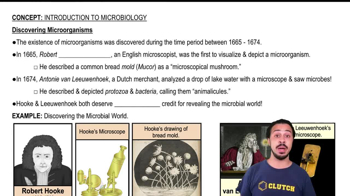
  • Discovering Microorganisms
    03:36
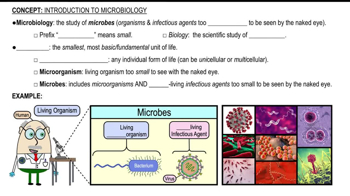
  • Introduction to Microbiology
    07:27
  • Introduction to Microbiology Channel
    1:29

Members of the Bacterial World

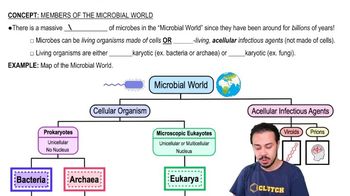
  • Members of the Bacterial World
    06:17

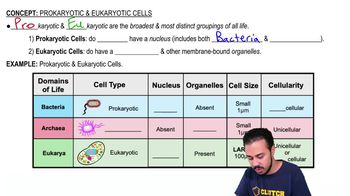
Prokaryotic & Eukaryotic Cells

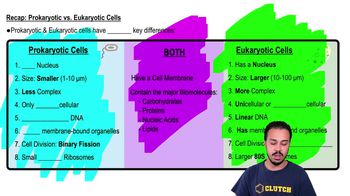
  • Recap:Prokaryotic vs. Eukaryotic Cells
    04:26
  • Prokaryotic & Eukaryotic Cells
    05:54
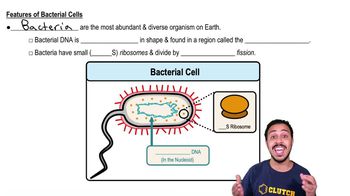
  • Features of Bacterial Cells
    03:54

Bacterial Cell Morphology & Arrangements

  • Types of Bacterial Cell Morphology
    02:44
  • Bacterial Cell Morphology & Arrangements
    01:13
  • Bacilli Bacterial Cell Arrangements
    03:56

Acellular Infectious Agents: Viruses, Viroids & Prions

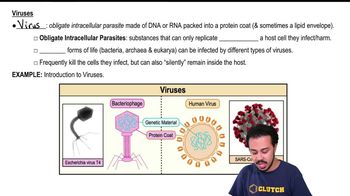
  • Viruses
    03:22
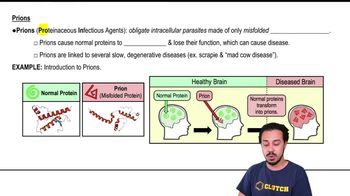
  • Prions
    02:48
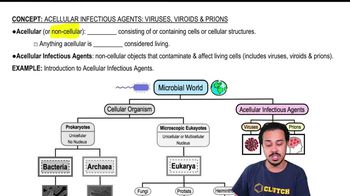
  • Acellular Infectious Agents: Viruses, Viroids & Prions
    02:54

Importance of Microorganisms

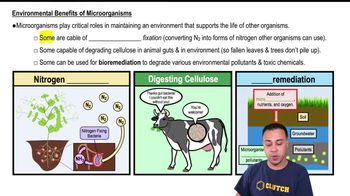
  • Environmental Benefits of Microorganisms
    04:27
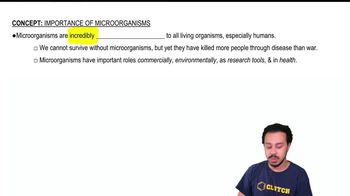
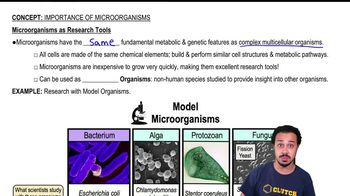
  • Importance of Microorganisms
    01:25
  • Microorganisms as Research Tools
    03:48

Introduction to Microscopes

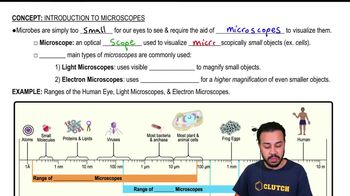
  • Introduction to Microscopes
    06:13

Magnification, Resolution, & Contrast

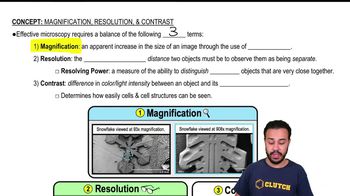
  • Magnification, Resolution, & Contrast
    07:29

Introduction to Light Microscopy

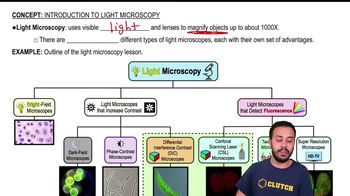
  • Introduction to Light Microscopy
    02:53

Light Microscopy: Bright-Field Microscopes

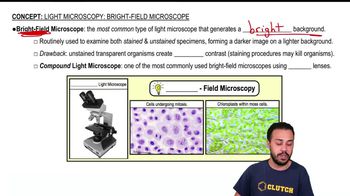
  • Light Microscopy: Bright-Field Microscopes
    03:46
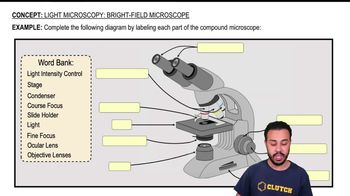
  • Light Microscopy: Bright-Field Microscopes Example 1
    03:41
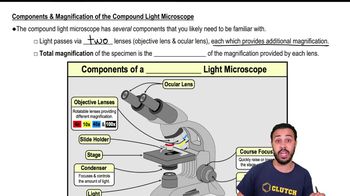
  • Components & Magnification of the Compound Light Microscope
    06:15

Light Microscopes that Increase Contrast

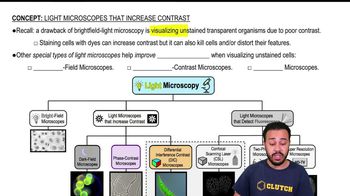
  • Light Microscopes that Increase Contrast
    02:39
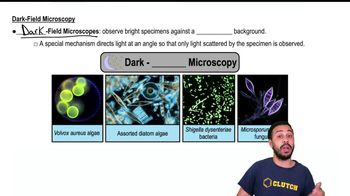
  • Dark-Field Microscopy
    01:52
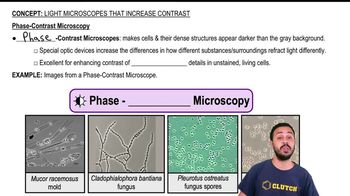
  • Phase-Contrast Microscopy
    03:27

Light Microscopes that Detect Fluorescence

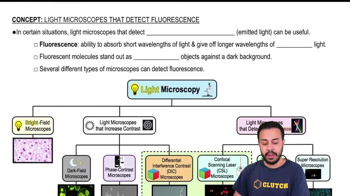
  • Light Microscopes that Detect Fluorescence
    01:46
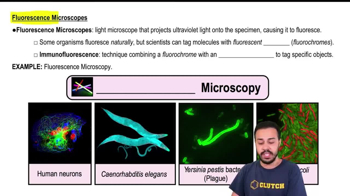
  • Fluorescence Microscopes
    02:54
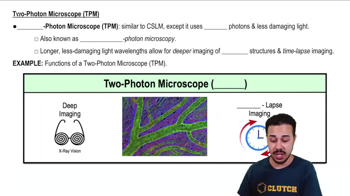
  • Two-Photon Microscope (TPM)
    02:01

Electron Microscopes

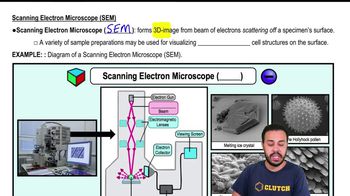
  • Scanning Electron Microscope (SEM)
    02:42
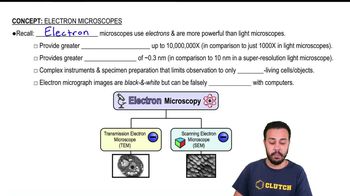
  • Electron Microscopes
    03:08
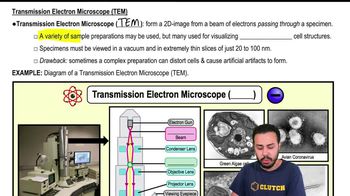
  • Transmission Electron Microscope (TEM)
    04:23

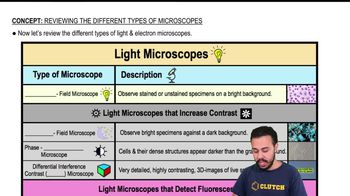
Reviewing the Different Types of Microscopes

  • Reviewing the Different Types of Microscopes
    05:32

Introduction to Spontaneous Generation

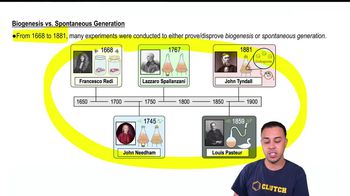
  • Biogenesis vs. Spontaneous Generation
    02:05
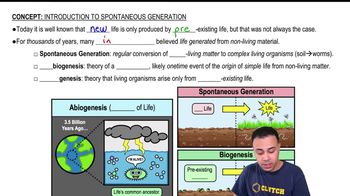
  • Introduction to Spontaneous Generation
    05:59

Pasteur's Experiments on Spontaneous Generation

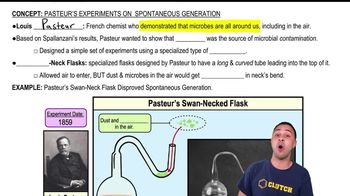
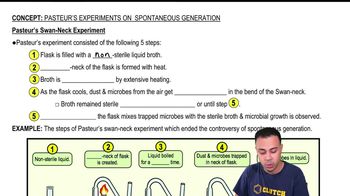
  • Pasteur's Experiments on Spontaneous Generation
    03:50
  • Pasteur’s Swan-Neck Experiment
    05:58

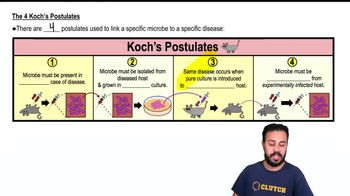
Koch's Postulates

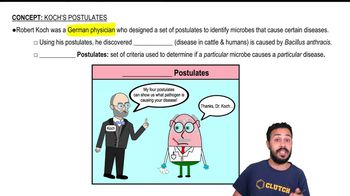
  • Koch's Postulates
    01:36
  • The 4 Koch's Postulates
    03:31
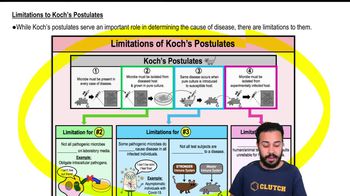
  • Limitations to Koch's Postulates
    02:58

Cell Envelope & Biological Membranes

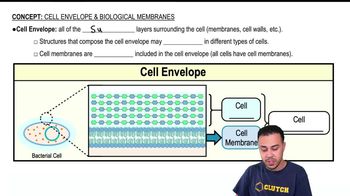
  • Cell Envelope & Biological Membranes Example 1
    02:21
  • Biological Membranes
    02:10
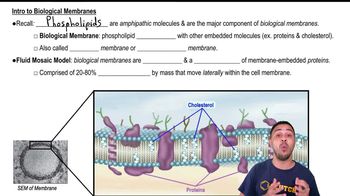
  • Intro to Biological Membranes
    06:16
Bacterial & Eukaryotic Cell Membranes

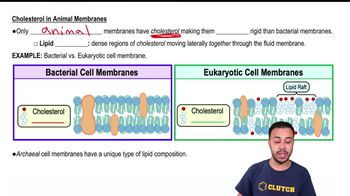
  • Cholesterol in Animal Membranes
    02:38
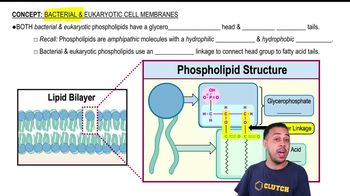
  • Bacterial & Eukaryotic Cell Membranes
    03:58

Archaeal Cell Membranes

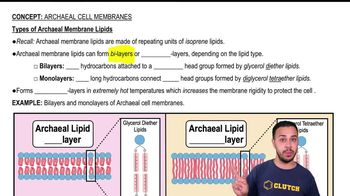
  • Archaeal Cell Membranes
    03:59
  • Types of Archaeal Membrane Lipids
    04:59

Introduction to Membrane Transport

  • Map of the Lesson on Membrane Transport
    02:26
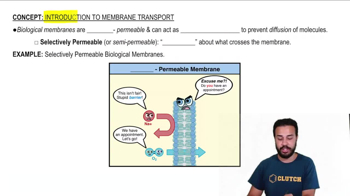
  • Introduction to Membrane Transport
    03:00
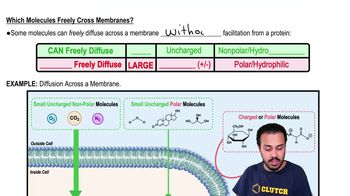
  • Which Molecules Freely Cross Membranes?
    05:31

Passive vs. Active Transport

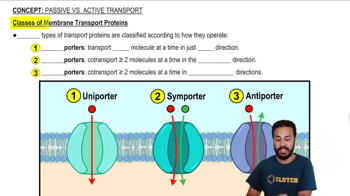
  • Classes of Membrane Transport Proteins
    03:41
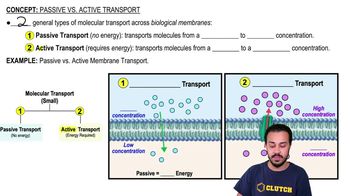
  • Passive vs. Active Transport
    05:05

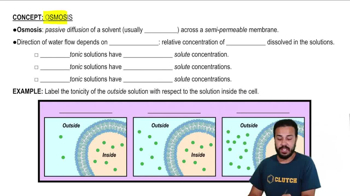
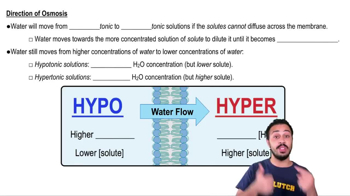
Osmosis

  • Osmosis Example 1
    02:18
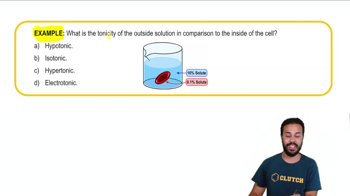
  • Osmosis
    05:59
  • Direction of Osmosis
    06:48

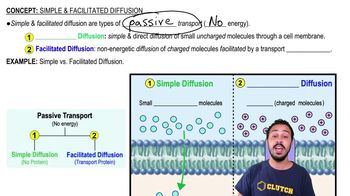
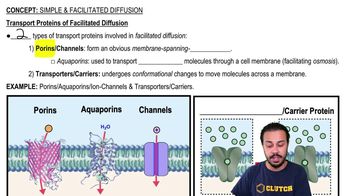
Simple and Facilitated Diffusion

  • Simple and Facilitated Diffusion
    04:59
  • Transport Proteins of Facilitated Diffusion
    04:49

Active Transport

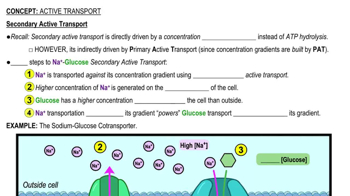
  • Secondary Active Transport
    06:57
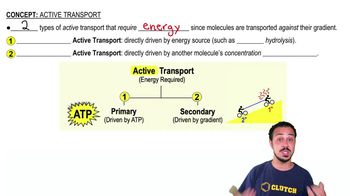
  • Active Transport
    02:37
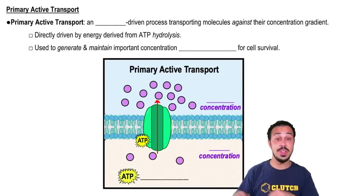
  • Primary Active Transport
    02:53

Group Translocation

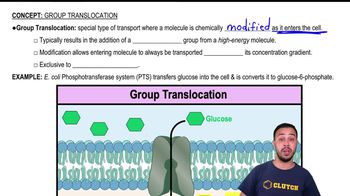
  • Group Translocation
    03:37

ABC Transporters

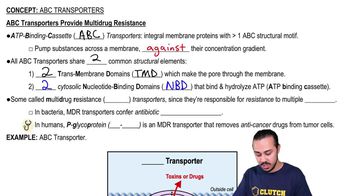
  • ABC Transporters Provide Multidrug Resistance
    06:20

Types of Small Molecule Transport Review

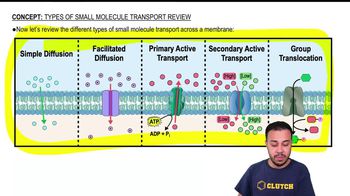
  • Types of Small Molecule Transport Review
    04:55

Introduction to Bacterial Cell Walls

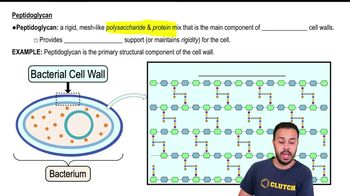
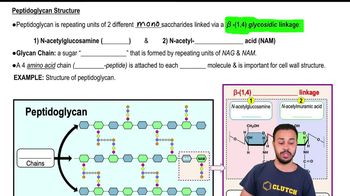
  • Peptidoglycan
    01:58
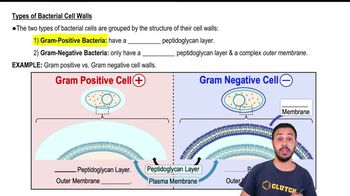
  • Types of Bacterial Cell Walls
    02:44
  • Peptidoglycan Structure
    04:44

Gram-Positive Cell Walls

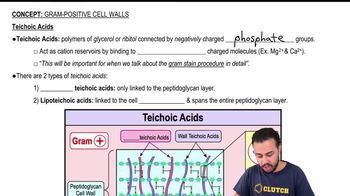
  • Teichoic Acids
    03:58
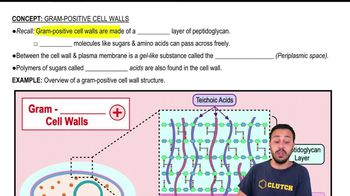
  • Gram-Positive Cell Walls
    02:59

Gram-Negative Cell Walls

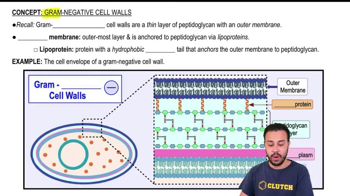
  • Gram-Negative Cell Walls
    3:04
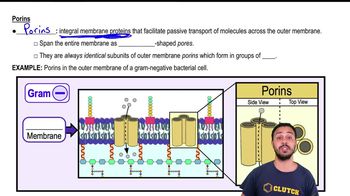
  • Porins
    02:18
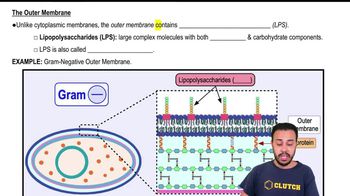
  • The Outer Membrane
    02:15

Gram-Positive vs. Gram-Negative Cell Walls

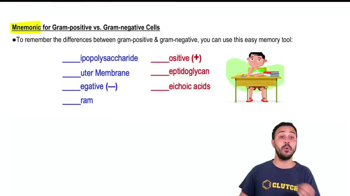
  • Mnemonic for Gram-Positive vs. Gram-Negative Cell Walls
    01:41
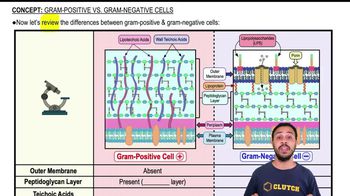
  • Gram-Positive vs. Gram-Negative Cell Walls
    04:46

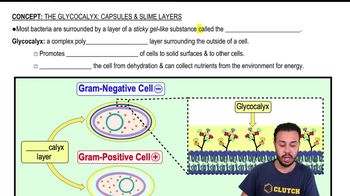
The Glycocalyx: Capsules & Slime Layers

  • The Glycocalyx: Capsules & Slime Layers
    02:26
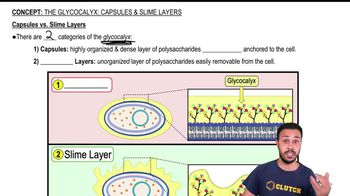
  • Capsules vs. Slime Layers
    01:53

Fimbriae & Hami

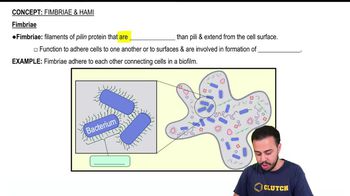
  • Fimbriae & Hami
    01:52
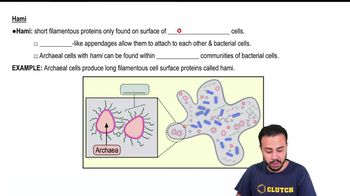
  • Hami
    01:51

Pili

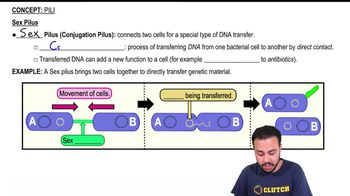
  • Sex Pilus
    03:29
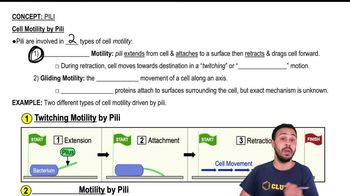
  • Cell Motility by Pili
    02:59
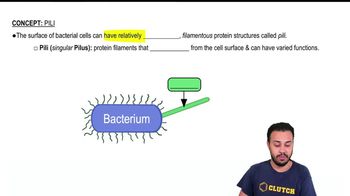
  • Pili
    01:02

Cell Inclusions

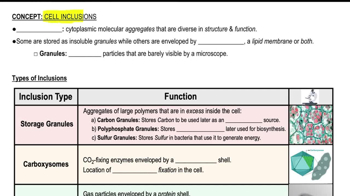
  • Cell Inclusions
    05:20

Endospores

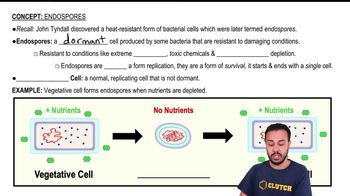
  • Endospores
    05:35
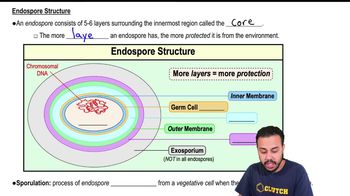
  • Endospore Structure
    03:08

Sporulation

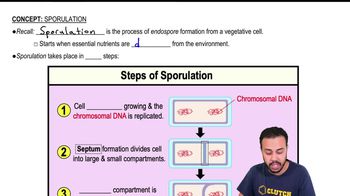
  • Sporulation
    04:08

Germination

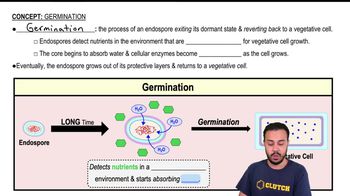
  • Germination
    02:59

Introduction to Prokaryotic Flagella

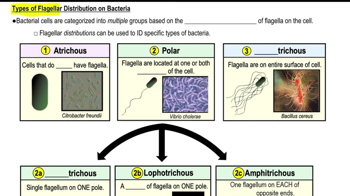
  • Types of Flagellar Distribution on Bacteria
    05:22
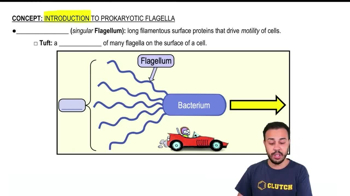
  • Introduction to Prokaryotic Flagella
    02:07

Prokaryotic Flagellar Structure

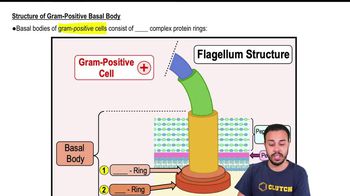
  • Structure of Gram-Positive Basal Body
    02:28
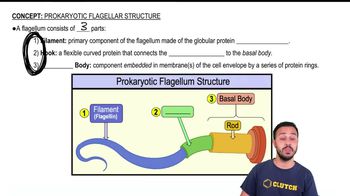
  • Prokaryotic Flagellar Structure
    02:53
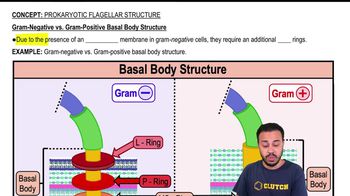
  • Gram-Negative vs. Gram-Positive Basal Body Structure
    01:59

Prokaryotic Flagellar Movement

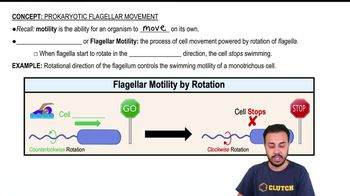
  • Prokaryotic Flagellar Movement
    02:43
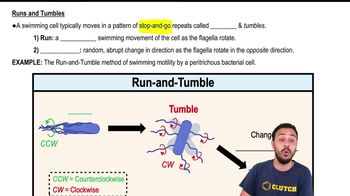
  • Runs and Tumbles
    03:17

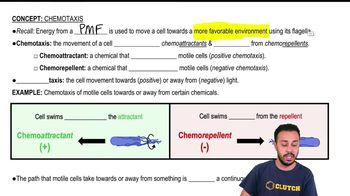
Chemotaxis

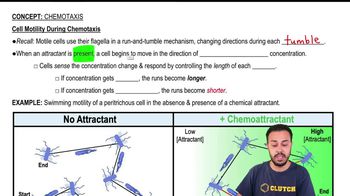
  • Cell Motility During Chemotaxis
    05:11
  • Chemotaxis
    03:21