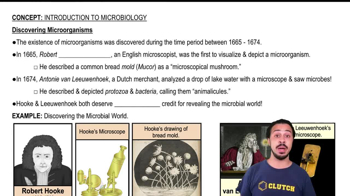
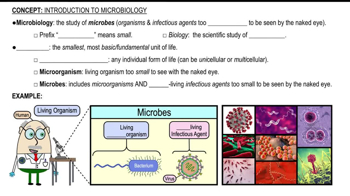
Introduction to Microbiology
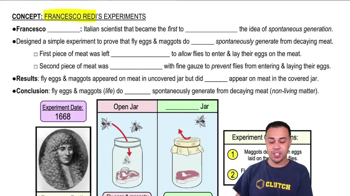
Francesco Redi's Experiments
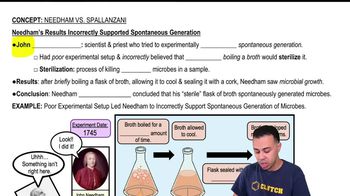
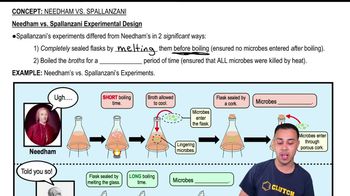
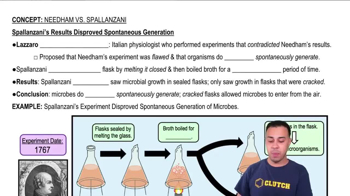
Needham vs. Spallanzani
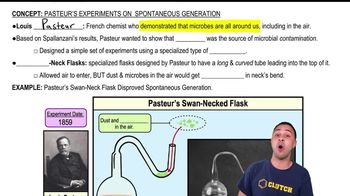
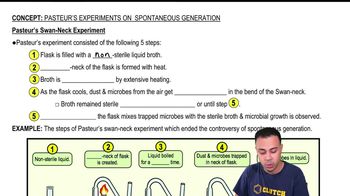
Pasteur's Experiments on Spontaneous Generation
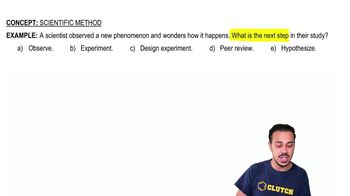
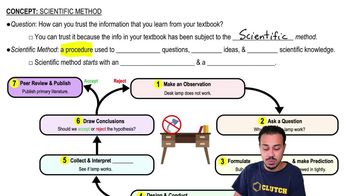
Scientific Method
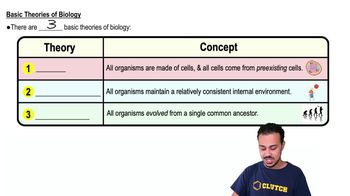
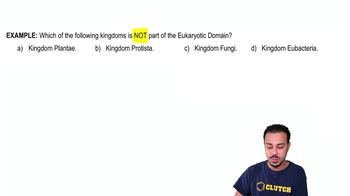
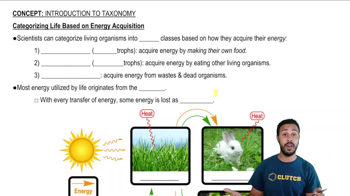
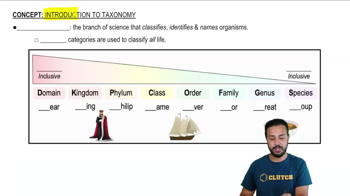
Introduction to Taxonomy
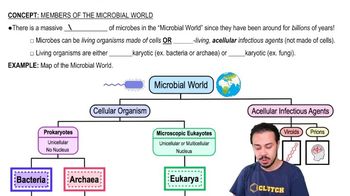
Members of the Bacterial World
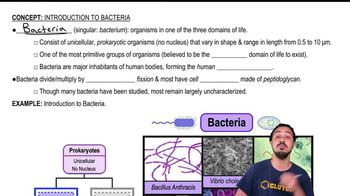
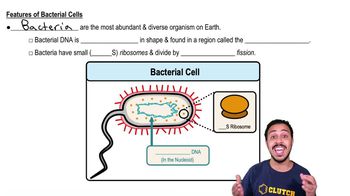
Introduction to Bacteria
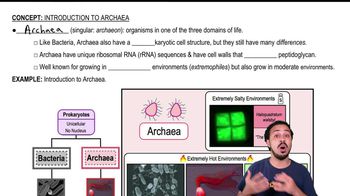
Introduction to Archaea
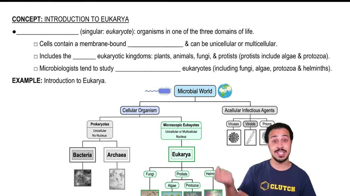
Introduction to Eukarya
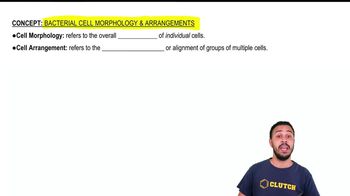
Bacterial Cell Morphology & Arrangements
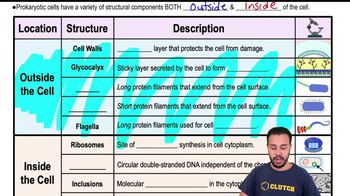
Overview of Prokaryotic Cell Structure
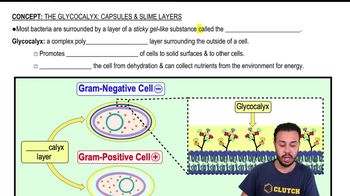
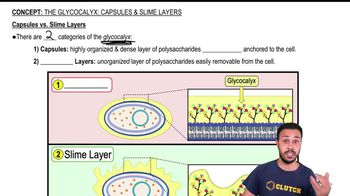
The Glycocalyx: Capsules & Slime Layers
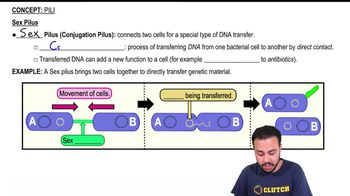
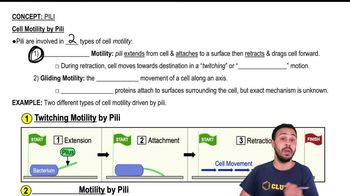
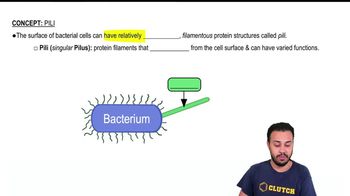
Pili
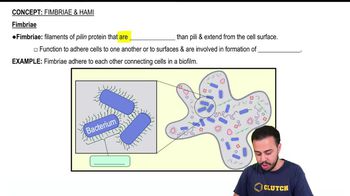
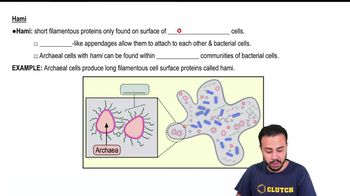
Fimbriae & Hami
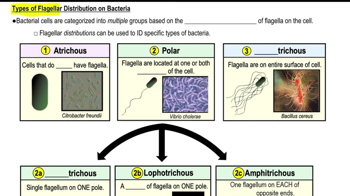
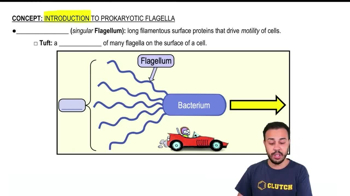
Introduction to Prokaryotic Flagella
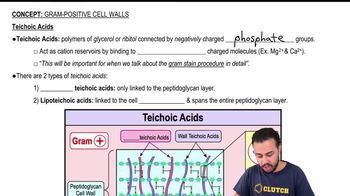
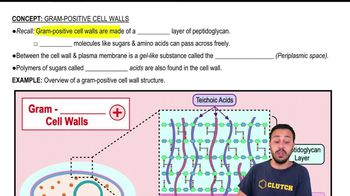
Gram-Positive Cell Walls
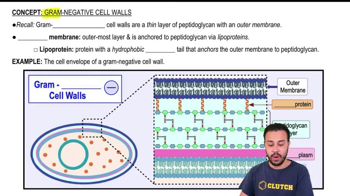
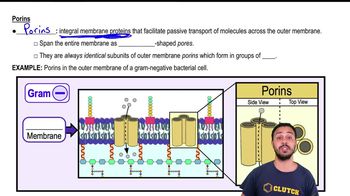
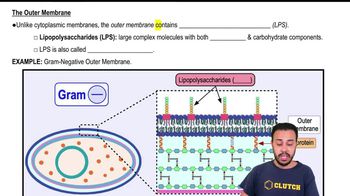
Gram-Negative Cell Walls
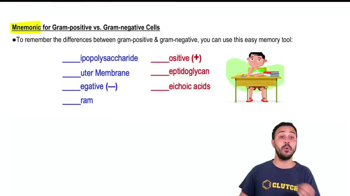
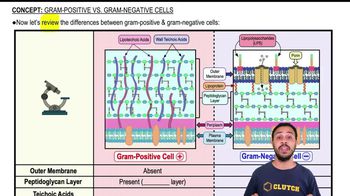
Gram-Positive vs. Gram-Negative Cell Walls
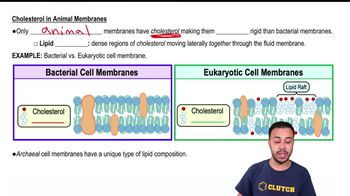
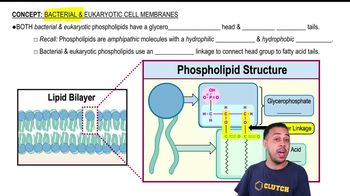
Bacterial & Eukaryotic Cell Membranes
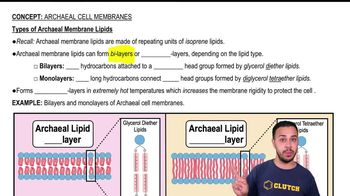
Archaeal Cell Membranes
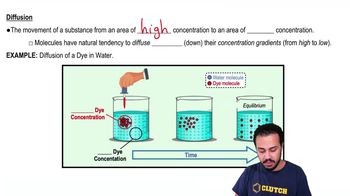
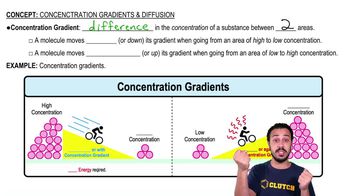
Concentration Gradients and Diffusion
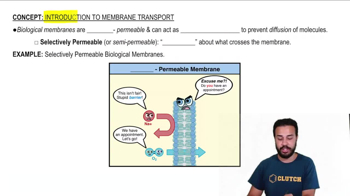
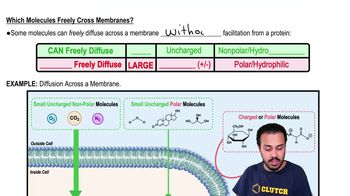
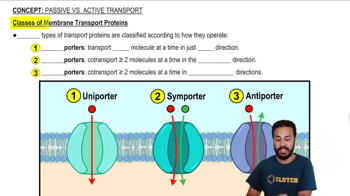
Introduction to Membrane Transport
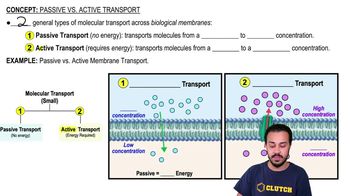
Passive vs. Active Transport
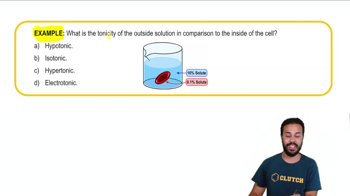
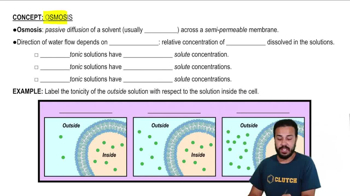
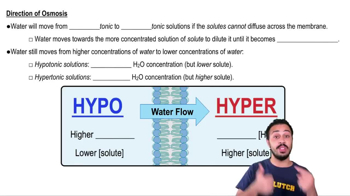
Osmosis
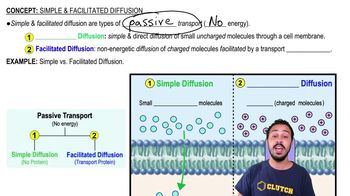
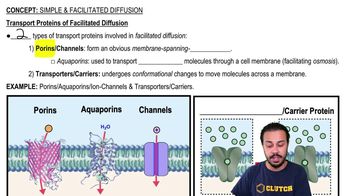
Simple and Facilitated Diffusion
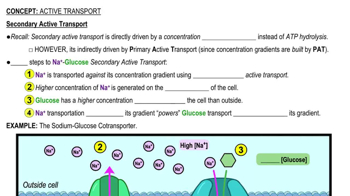
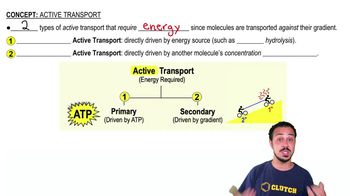
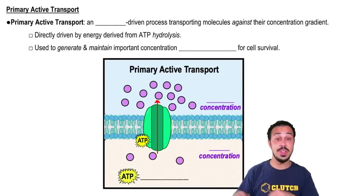
Active Transport
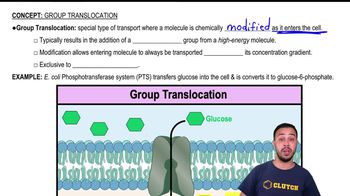
Group Translocation
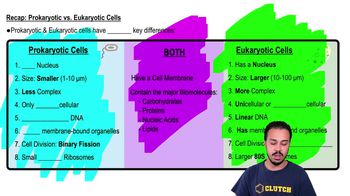
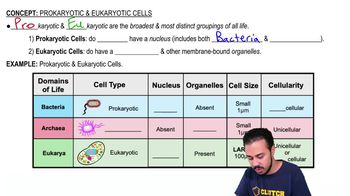
Prokaryotic & Eukaryotic Cells
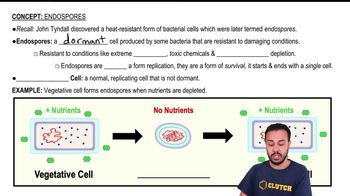
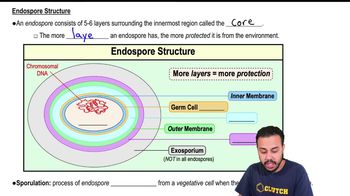
Endospores
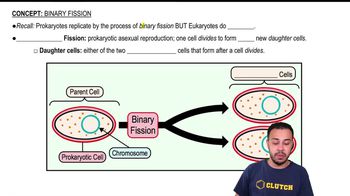
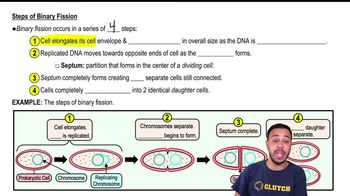
Binary Fission
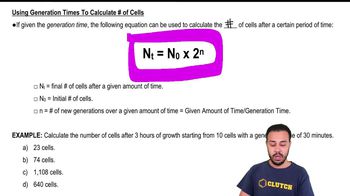
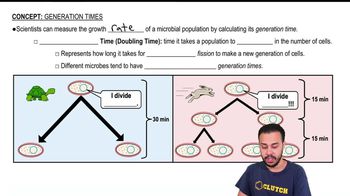
Generation Times
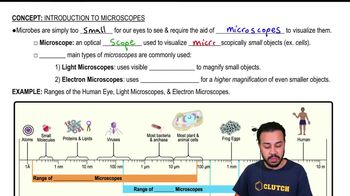
Introduction to Microscopes
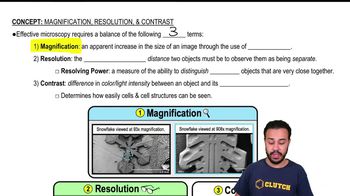
Magnification, Resolution, & Contrast
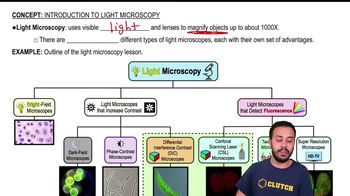
Introduction to Light Microscopy
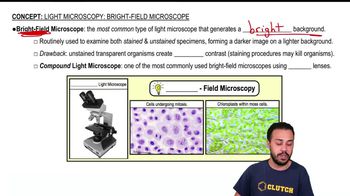
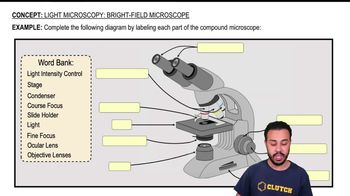
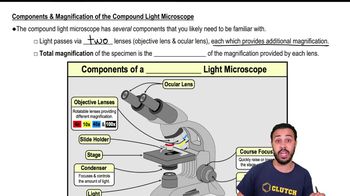
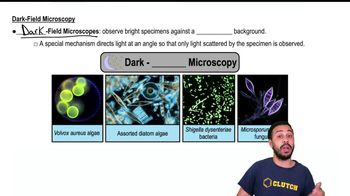
Light Microscopy: Bright-Field Microscopes
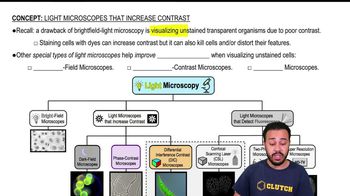
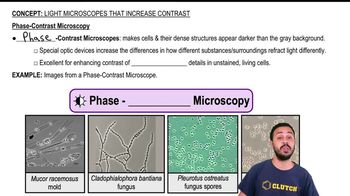
Light Microscopes that Increase Contrast
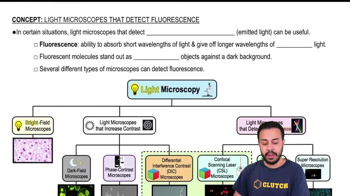
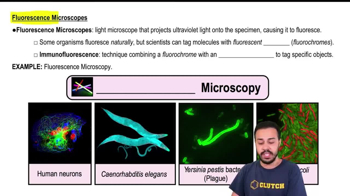
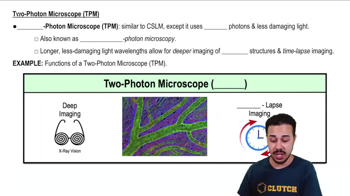
Light Microscopes that Detect Fluorescence
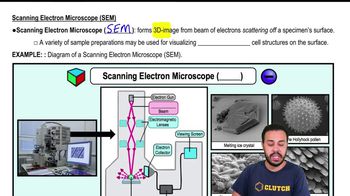
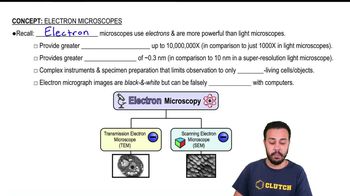
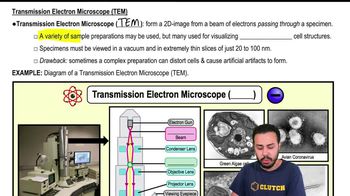
Electron Microscopes
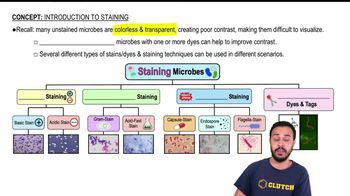
Introduction to Staining
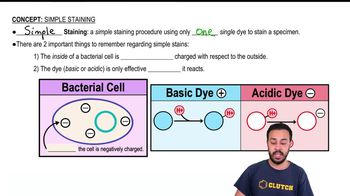
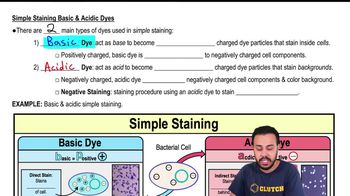
Simple Staining
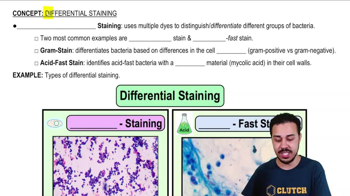
Differential Staining
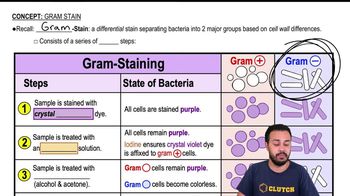
Gram Stain
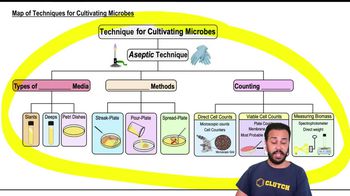
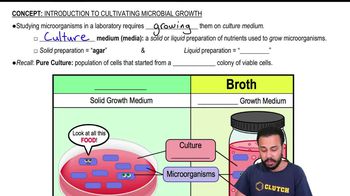
Introduction to Cultivating Microbial Growth
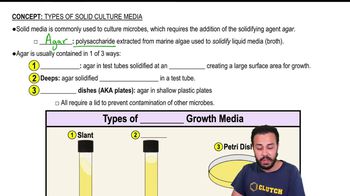
Types of Solid Culture Media
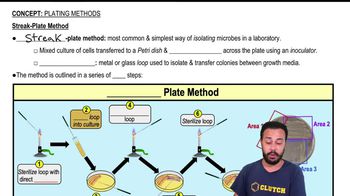
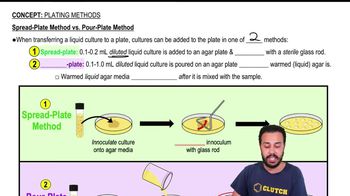
Plating Methods
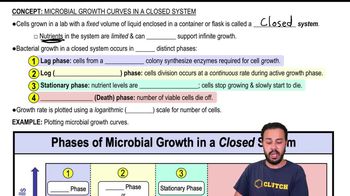
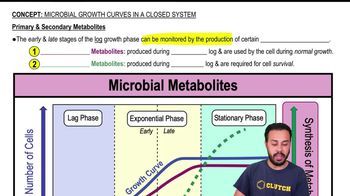
Microbial Growth Curves in a Closed System
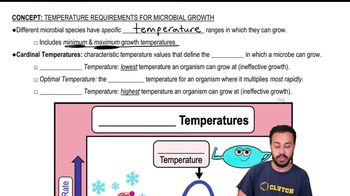
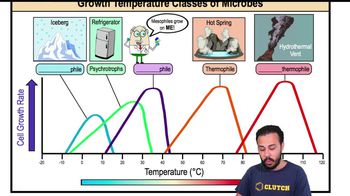
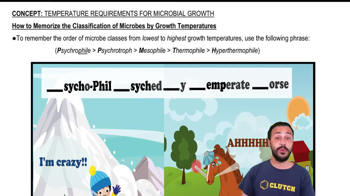
Temperature Requirements for Microbial Growth
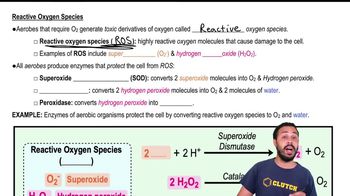
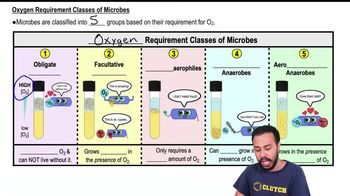
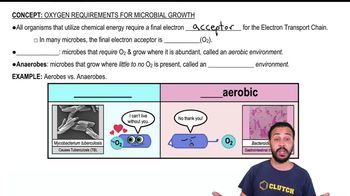
Oxygen Requirements for Microbial Growth
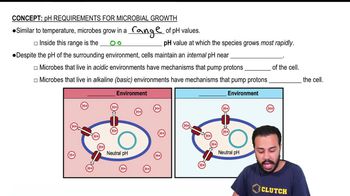
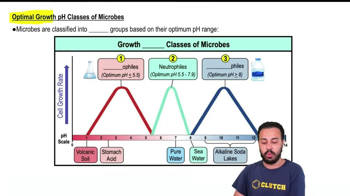
pH Requirements for Microbial Growth
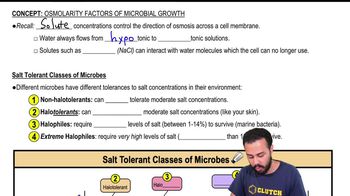
Osmolarity Factors for Microbial Growth
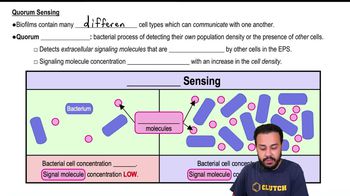
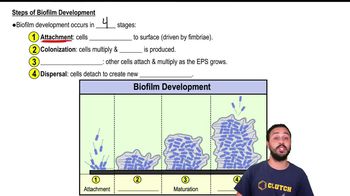
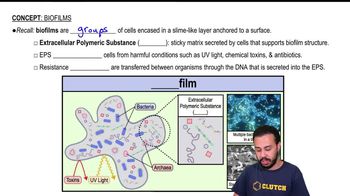
Biofilms
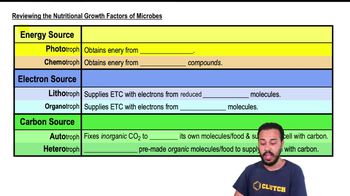
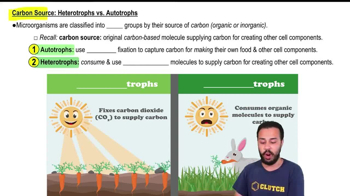
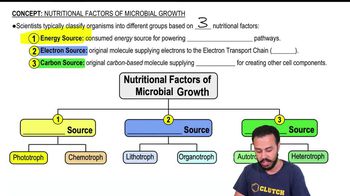
Nutritional Factors of Microbial Growth
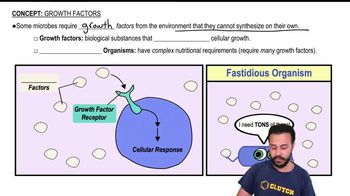
Growth Factors
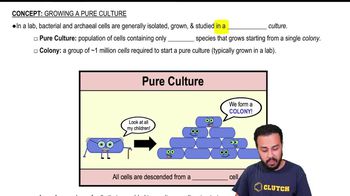
Growing a Pure Culture
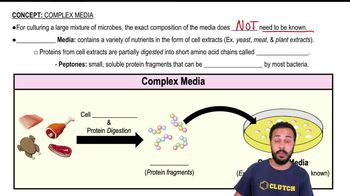
Complex Media
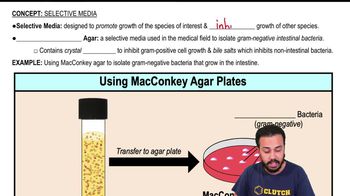
Selective Media
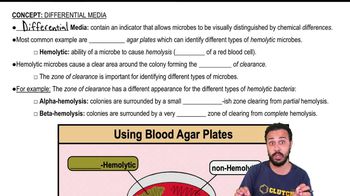
Differential Media
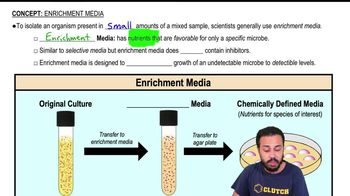
Enrichment Media
Binary Fission
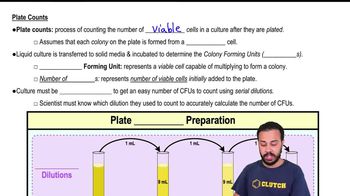
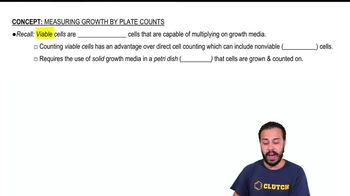
Measuring Growth by Plate Counts
 Back
 Curated lessons matched to your uploaded material – learn every topic step by step.
 03:36