Back

Microbiology Study Guide: History, Cell Structure, Microbial Growth, Prokaryote Classification, and Viruses

Study Guide - Learn with Videos

Curated lessons matched to your uploaded material – learn every topic step by step.

Introduction to Microbiology

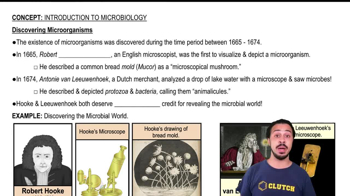
  • Discovering Microorganisms
    03:36
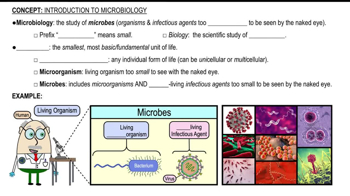
  • Introduction to Microbiology
    07:27
  • Introduction to Microbiology Channel
    1:29

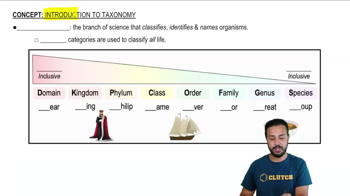
Introduction to Taxonomy

  • Introduction to Taxonomy Example 2
    01:37
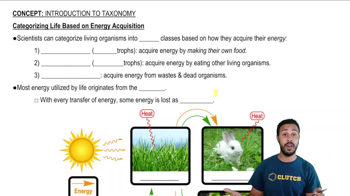
  • Categorizing Life Based on Energy Acquisition
    06:14
  • Introduction to Taxonomy
    02:23

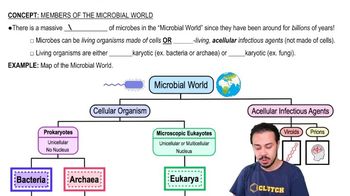
Members of the Bacterial World

  • Members of the Bacterial World
    06:17

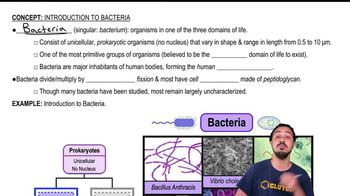
Introduction to Bacteria

  • Introduction to Bacteria
    06:18

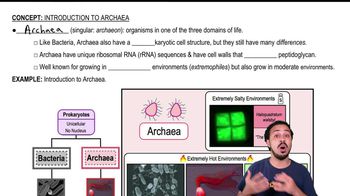
Introduction to Archaea

  • Introduction to Archaea
    04:39

Prokaryotic & Eukaryotic Cells

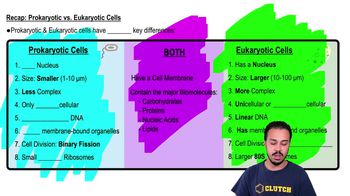
  • Recap:Prokaryotic vs. Eukaryotic Cells
    04:26
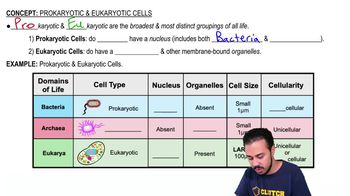
  • Prokaryotic & Eukaryotic Cells
    05:54
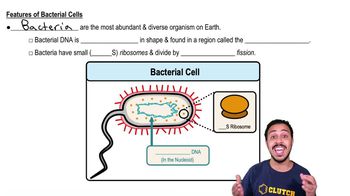
  • Features of Bacterial Cells
    03:54

Bacterial Cell Morphology & Arrangements

  • Types of Bacterial Cell Morphology
    02:44
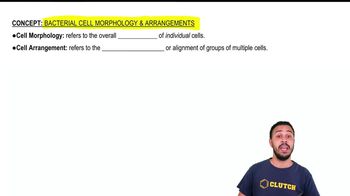
  • Bacterial Cell Morphology & Arrangements
    01:13
  • Bacilli Bacterial Cell Arrangements
    03:56

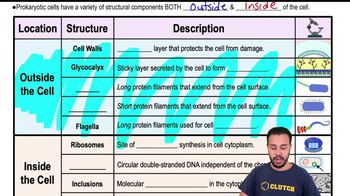
Overview of Prokaryotic Cell Structure

  • Overview of Prokaryotic Cell Structure
    05:59

Introduction to Bacterial Cell Walls

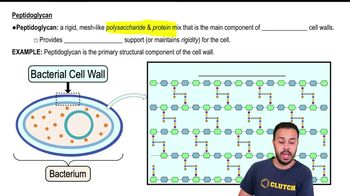
  • Peptidoglycan
    01:58
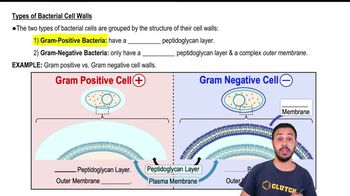
  • Types of Bacterial Cell Walls
    02:44
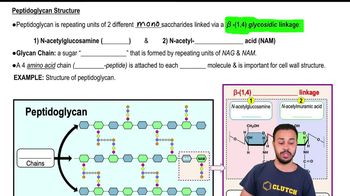
  • Peptidoglycan Structure
    04:44

Gram-Positive Cell Walls

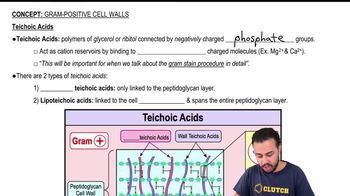
  • Teichoic Acids
    03:58
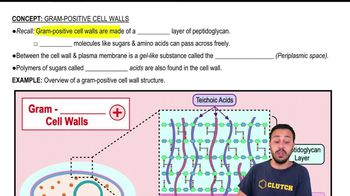
  • Gram-Positive Cell Walls
    02:59

Gram-Negative Cell Walls

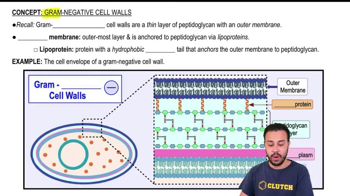
  • Gram-Negative Cell Walls
    3:04
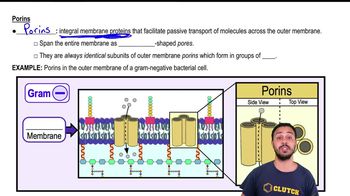
  • Porins
    02:18
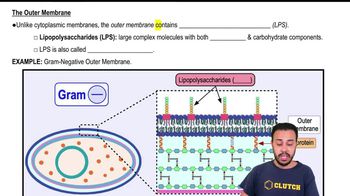
  • The Outer Membrane
    02:15

Gram-Positive vs. Gram-Negative Cell Walls

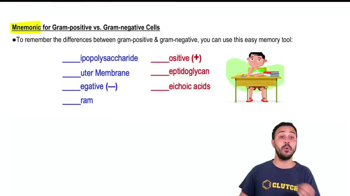
  • Mnemonic for Gram-Positive vs. Gram-Negative Cell Walls
    01:41
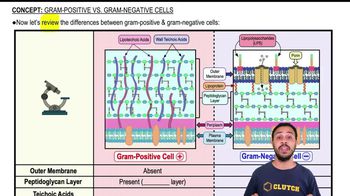
  • Gram-Positive vs. Gram-Negative Cell Walls
    04:46

The Glycocalyx: Capsules & Slime Layers

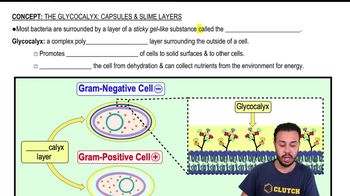
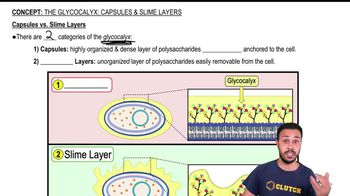
  • The Glycocalyx: Capsules & Slime Layers
    02:26
  • Capsules vs. Slime Layers
    01:53

Pili

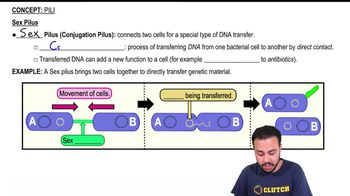
  • Sex Pilus
    03:29
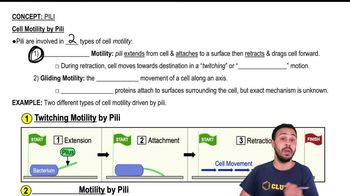
  • Cell Motility by Pili
    02:59
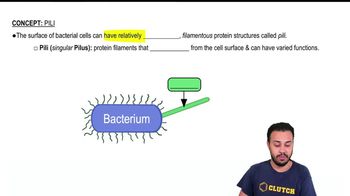
  • Pili
    01:02

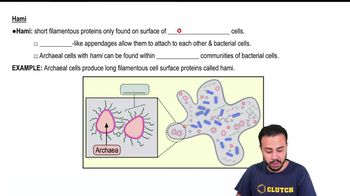
Fimbriae & Hami

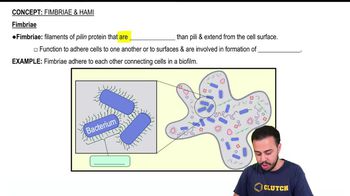
  • Fimbriae & Hami
    01:52
  • Hami
    01:51

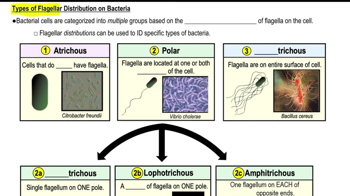
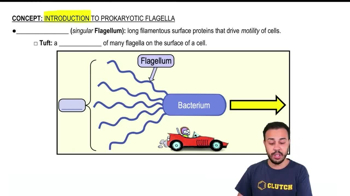
Introduction to Prokaryotic Flagella

  • Types of Flagellar Distribution on Bacteria
    05:22
  • Introduction to Prokaryotic Flagella
    02:07

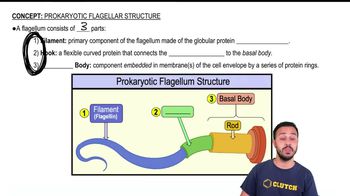
Prokaryotic Flagellar Structure

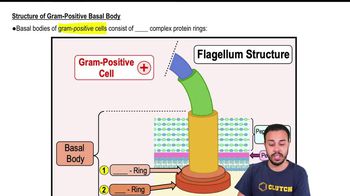
  • Structure of Gram-Positive Basal Body
    02:28
  • Prokaryotic Flagellar Structure
    02:53
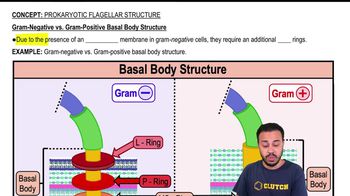
  • Gram-Negative vs. Gram-Positive Basal Body Structure
    01:59

Prokaryotic Flagellar Movement

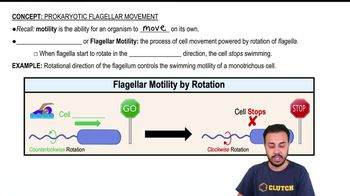
  • Prokaryotic Flagellar Movement
    02:43
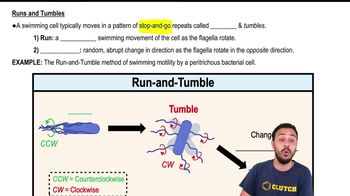
  • Runs and Tumbles
    03:17

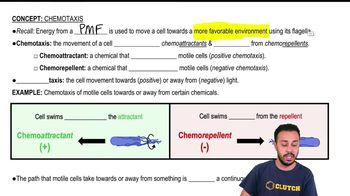
Chemotaxis

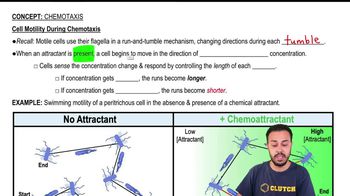
  • Cell Motility During Chemotaxis
    05:11
  • Chemotaxis
    03:21

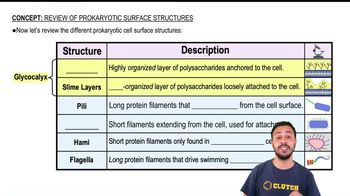
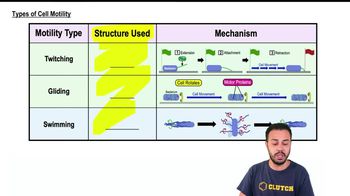
Review of Prokaryotic Surface Structures

  • Review of Prokaryotic Surface Structures
    03:52
  • Types of Cell Motility
    02:13

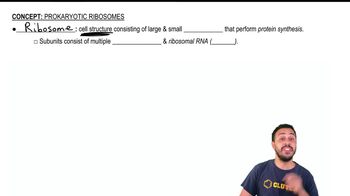
Prokaryotic Ribosomes

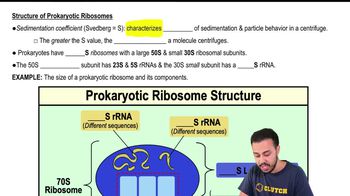
  • Prokaryotic Ribosomes
    01:51
  • Structure of Prokaryotic Ribosomes
    08:39

Introduction to Bacterial Plasmids

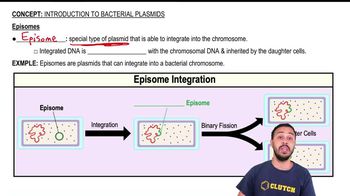
  • Episomes
    01:47
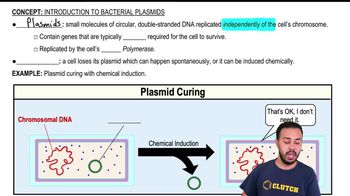
  • Introduction to Bacterial Plasmids
    02:52

Cell Inclusions

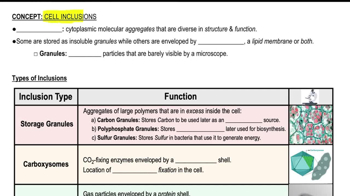
  • Cell Inclusions
    05:20

Endospores

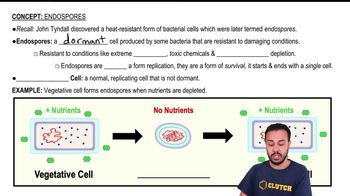
  • Endospores
    05:35
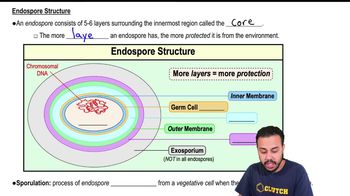
  • Endospore Structure
    03:08

Sporulation

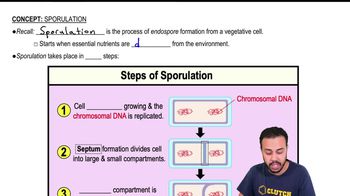
  • Sporulation
    04:08

Germination

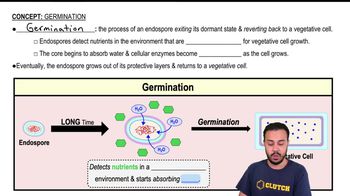
  • Germination
    02:59

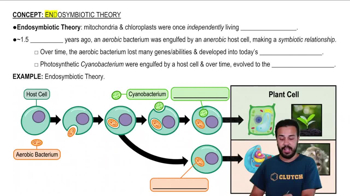
Endosymbiotic Theory

  • Endosymbiotic Theory
    07:29

Introduction to Viruses

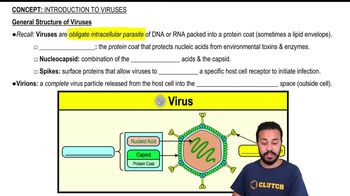
  • General Structure of Viruses
    04:47
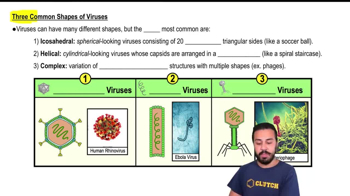
  • Three Common Shapes of Viruses
    03:19
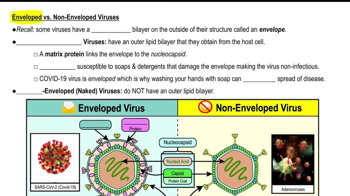
  • Enveloped vs. Non-Enveloped Viruses
    05:09

Introduction to Bacteriophage Infections

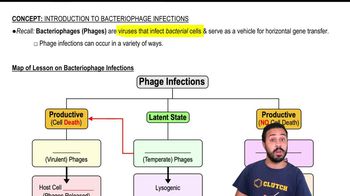
  • Map of Lesson on Bacteriophage Infections
    03:52
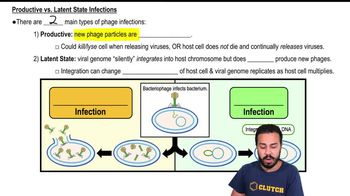
  • Productive vs. Latent State Infections
    04:09
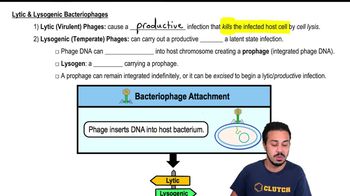
  • Lytic & Lysogenic Bacteriophages
    04:34

Bacteriophage: Lytic Phage Infections

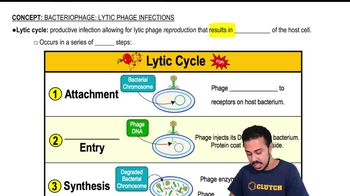
  • Bacteriophage: Lytic Phage Infections
    04:58

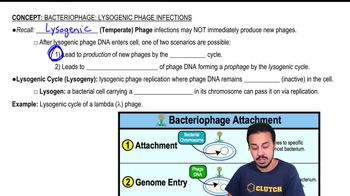
Bacteriophage: Lysogenic Phage Infections

  • Bacteriophage: Lysogenic Phage Infections
    05:27
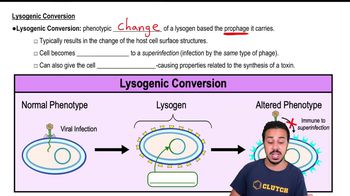
  • Lysogenic Conversion
    03:37

Bacteriophage: Filamentous Phage Infections

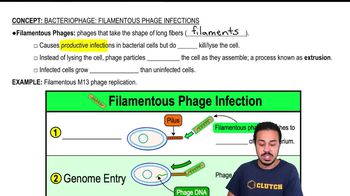
  • Bacteriophage: Filamentous Phage Infections
    04:18

Plaque Assays

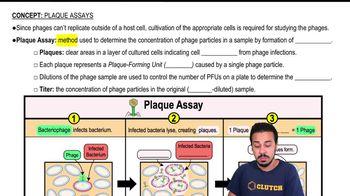
  • Plaque Assays
    04:21

Introduction to Animal Virus Infections

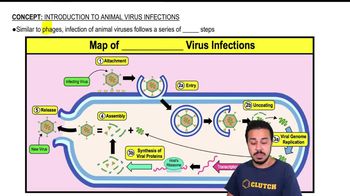
  • Introduction to Animal Virus Infections
    02:33
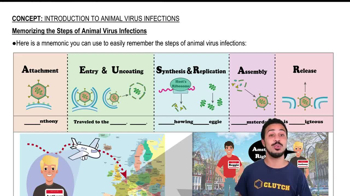
  • Memorizing the Steps of Animal Virus Infections
    01:40

Animal Viruses: 1. Attachment to the Host Cell

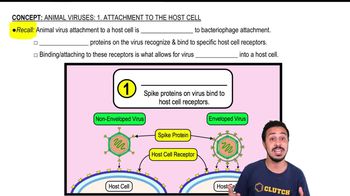
  • Animal Viruses: 1. Attachment to the Host Cell
    03:12

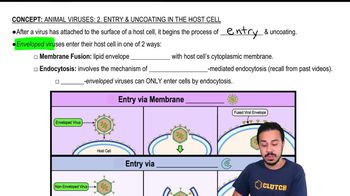
Animal Viruses: 2. Entry & Uncoating in the Host Cell

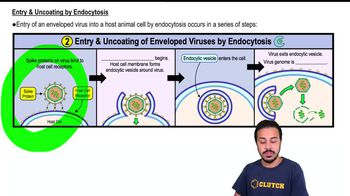
  • Entry & Uncoating by Endocytosis
    02:29
  • Animal Viruses: 2. Entry & Uncoating in the Host Cell
    04:29
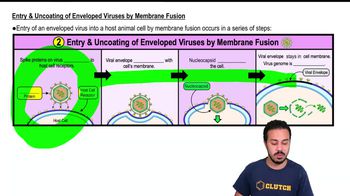
  • Entry & Uncoating of Enveloped Viruses by Membrane Fusion
    02:59

Animal Viruses: 3. Synthesis & Replication

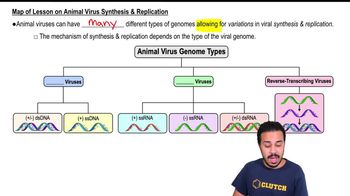
  • Map of Lesson on Animal Virus Synthesis & Replication
    03:34
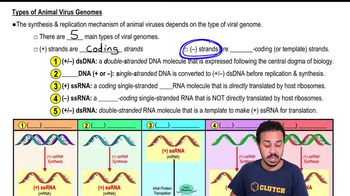
  • Types of RNA Virus Genomes
    10:46
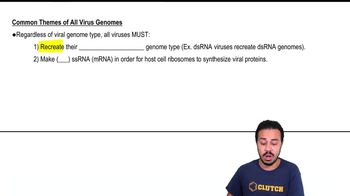
  • Common Themes of All Virus Genomes
    02:58

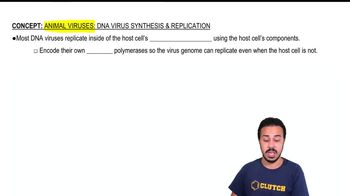
Animal Viruses: DNA Virus Synthesis & Replication

  • Animal Viruses: DNA Virus Synthesis & Replication
    01:10
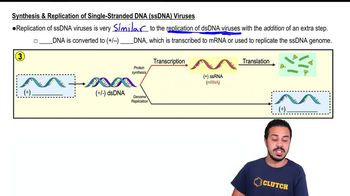
  • Replication of Single-Stranded DNA (ssDNA) Viruses
    04:12
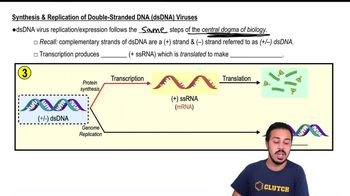
  • Replication of Double-Stranded DNA (dsDNA) Viruses
    03:58

Animal Viruses: RNA Virus Synthesis & Replication

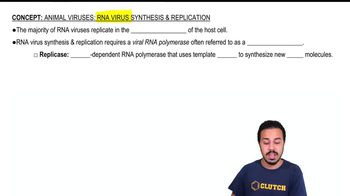
  • Animal Viruses: RNA Virus Synthesis & Replication
    01:30
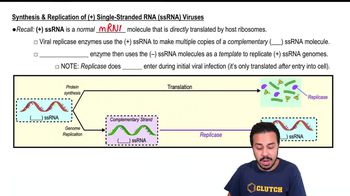
  • Replication of (+) Single Strand RNA (ssRNA) Viruses
    03:52
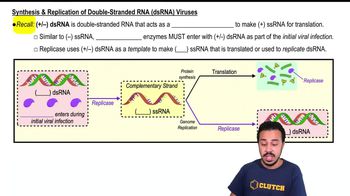
  • Replication of Double-Stranded RNA Viruses
    04:28

Animal Viruses: Reverse-Transcribing Virus Synthesis & Replication

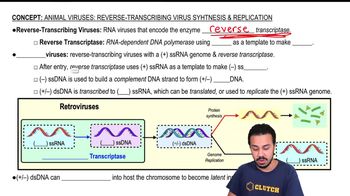
  • Animal Viruses: Reverse-Transcribing Virus Synthesis & Replication
    04:28

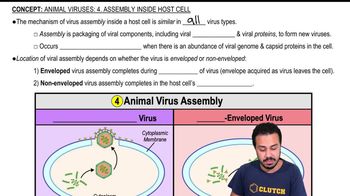
Animal Viruses: 4. Assembly Inside Host Cell

  • Animal Viruses: 4. Assembly Inside Host Cell
    04:26

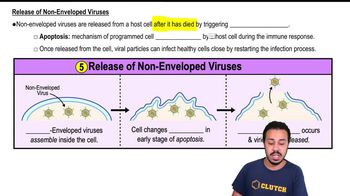
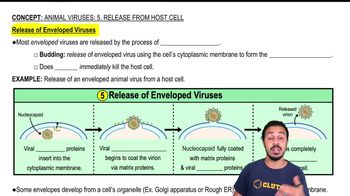
Animal Viruses: 5. Release from Host Cell

  • Release of Non-Enveloped Viruses
    02:34
  • Release of Enveloped Viruses
    05:08

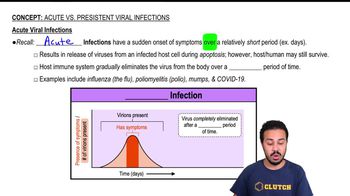
Acute vs. Persistent Viral Infections

  • Acute Viral Infections
    03:29
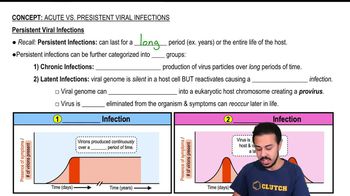
  • Persistent Viral Infections
    05:12
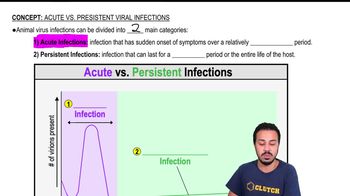
  • Acute vs. Persistent Viral Infections
    02:59

Viroids

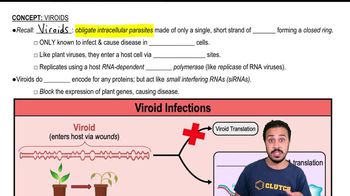
  • Viroids
    03:49

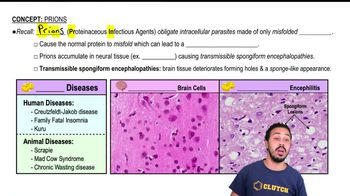
Prions

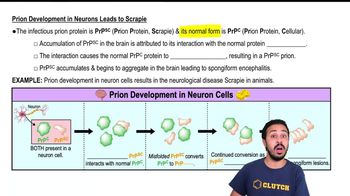
  • Prion Development in Neurons Leads to Scrapie
    04:00
  • Prions
    03:05

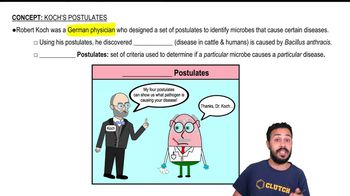
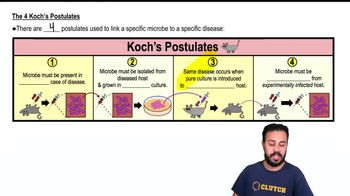
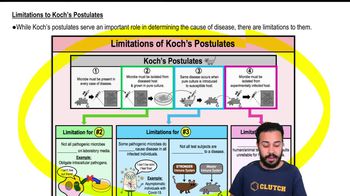
Koch's Postulates

  • Koch's Postulates
    01:36
  • The 4 Koch's Postulates
    03:31
  • Limitations to Koch's Postulates
    02:58

Importance of Microorganisms

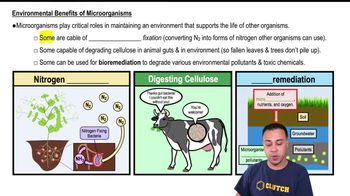
  • Environmental Benefits of Microorganisms
    04:27
  • Importance of Microorganisms
    01:25
  • Microorganisms as Research Tools
    03:48