Back

Microbiology Study Guide: Metabolism, Genetics, Microbial Control, and Antimicrobials

Study Guide - Learn with Videos

Curated lessons matched to your uploaded material – learn every topic step by step.

Introduction to Energy

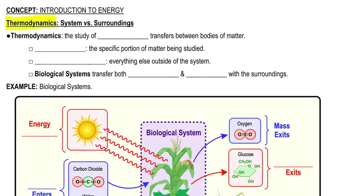
  • Thermodynamics: System vs. Surroundings
    04:21
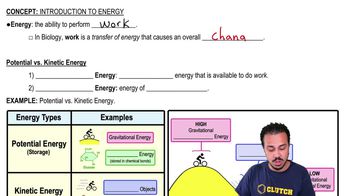
  • Introduction to Energy
    04:58

ATP

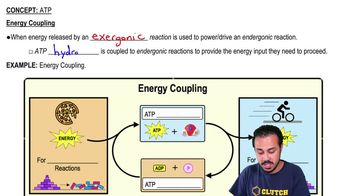
  • Energy Coupling
    04:57
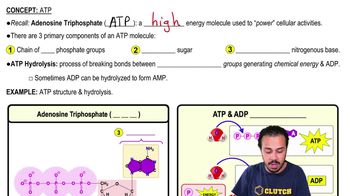
  • ATP
    06:44
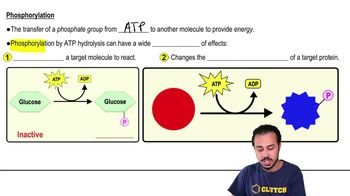
  • Phosphorylation
    03:00

Types of Phosphorylation

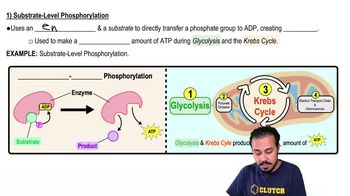
  • Substrate-Level Phosphorylation
    03:00
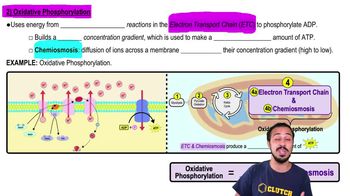
  • Oxidative Phosphorylation
    06:27
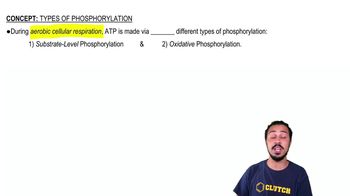
  • Types of Phosphorylation
    01:06

Enzymes

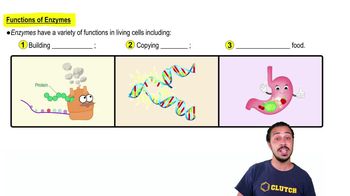
  • Functions of Enzymes
    02:32
  • Enzymes Example 1
    02:25
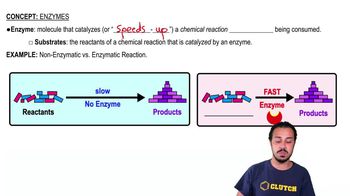
  • Enzymes
    02:55

Enzyme Activation Energy

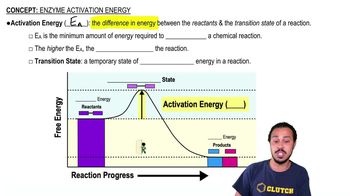
  • Enzyme Activation Energy
    04:18
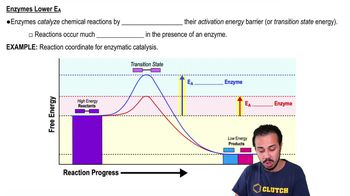
  • Enzymes Lower EA
    03:26

Enzyme Binding Factors

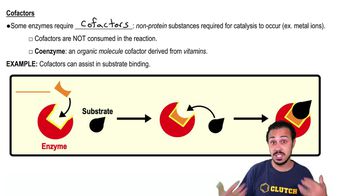
  • Cofactors
    04:22
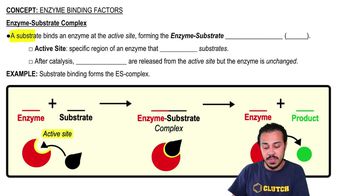
  • Enzyme-Substrate Complex
    03:49

Enzyme Inhibition

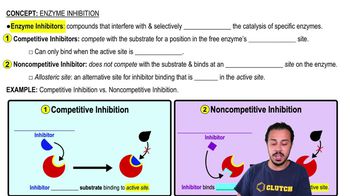
  • Enzyme Inhibition
    05:03

Introduction to Aerobic Cellular Respiration

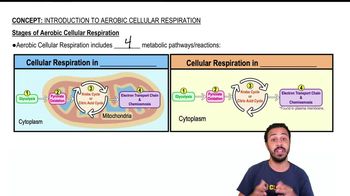
  • Stages of Aerobic Cellular Respiration
    02:32
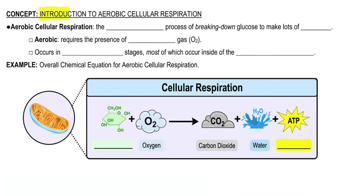
  • Introduction to Aerobic Cellular Respiration
    03:38
  • Introduction to Aerobic Cellular Respiration Example 2
    01:53

Glycolysis

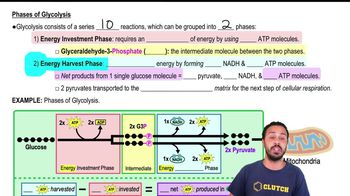
  • Phases of Glycolysis
    05:57
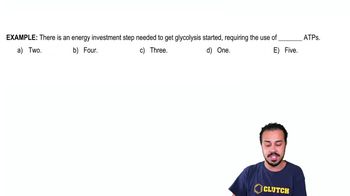
  • Glycolysis Example 1
    01:29
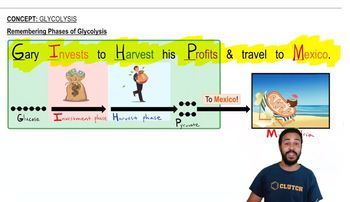
  • Remembering Phases of Glycolysis
    02:49

Pentose-Phosphate Pathway

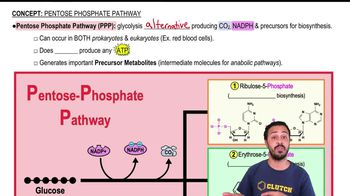
  • Pentose-Phosphate Pathway
    04:44

Entner-Doudoroff Pathway

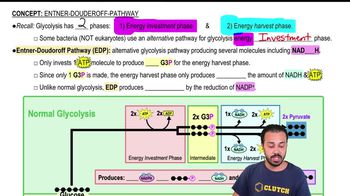
  • Entner-Doudoroff Pathway
    08:59

Krebs Cycle

  • Krebs Cycle Example 1
    01:20
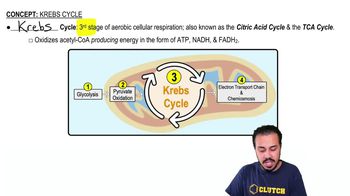
  • Krebs Cycle
    01:37
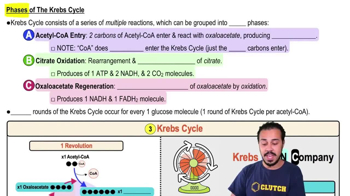
  • Phases of The Krebs Cycle
    09:54

Electron Transport Chain

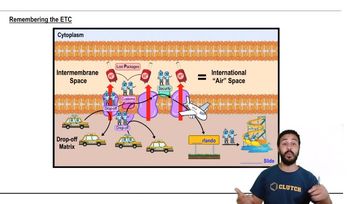
  • Remembering the ETC
    04:43
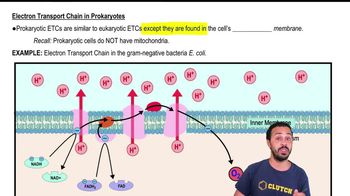
  • Electron Transport Chain in Prokaryotes
    02:49
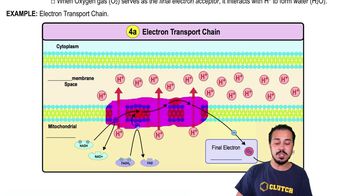
  • Electron Transport Chain
    07:41

Chemiosmosis

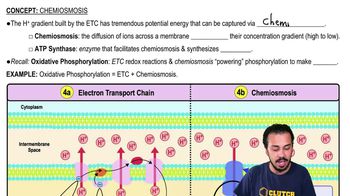
  • Chemiosmosis
    05:01

Fermentation & Anaerobic Respiration

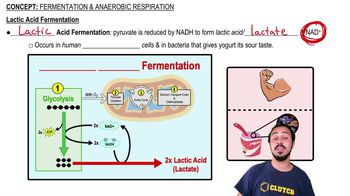
  • Lactic Acid Fermentation
    03:33
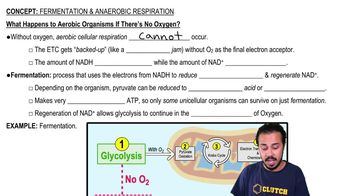
  • What Happens to Aerobic Organisms if There's No Oxygen?
    07:50
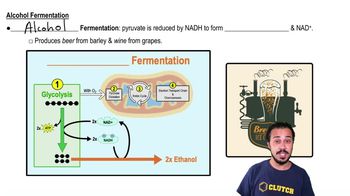
  • Alcohol Fermentation
    01:59

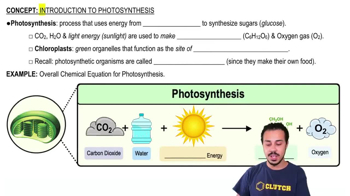
Introduction to Photosynthesis

  • Introduction to Photosynthesis
    03:32
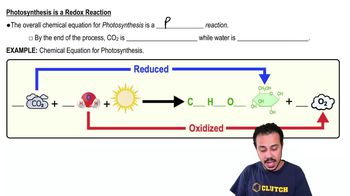
  • Photosynthesis is a Redox Reaction
    03:20
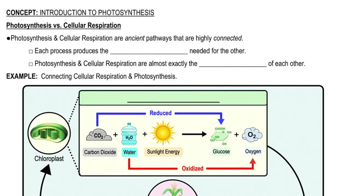
  • Photosynthesis vs. Cellular Respiration
    07:55

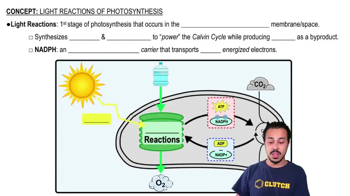
Light Reactions of Photosynthesis

  • Light Reactions of Photosynthesis Example 1
    01:48
  • Light Reactions of Photosynthesis
    04:06
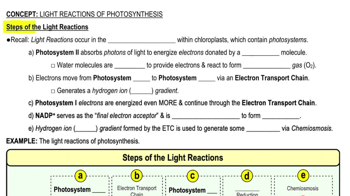
  • Steps of the Light Reactions
    14:56

Cyclic vs. Non-Cyclic Photophosphorylation

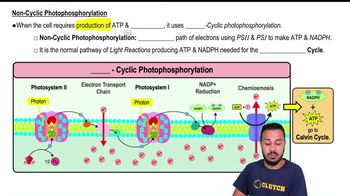
  • Non-Cyclic Photophosphorylation
    03:57
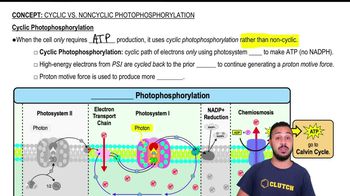
  • Cyclic Photophosphorylation
    04:36
  • Cyclic vs. Non-Cyclic Photophosphorylation
    02:06

Calvin Cycle

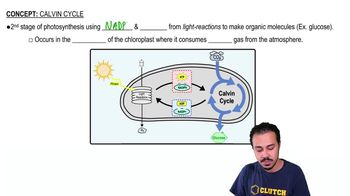
  • Calvin Cycle
    03:42
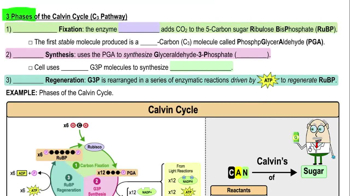
  • 3 Phases of the Calvin Cycle (C3 Pathway)
    11:14

Introduction to Microbial Genetics

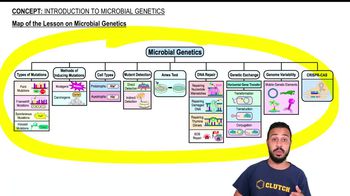
  • Map of the Lesson on Microbial Genetics
    02:04
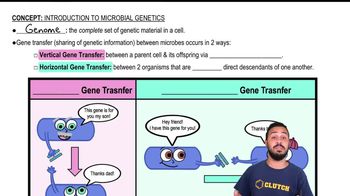
  • Introduction to Microbial Genetics
    04:20

Introduction to DNA Replication

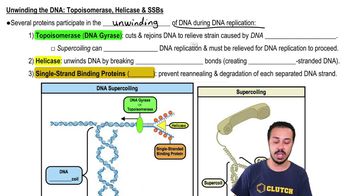
  • Unwinding the DNA:Topoisomerase, Helicase & SSBs
    05:10
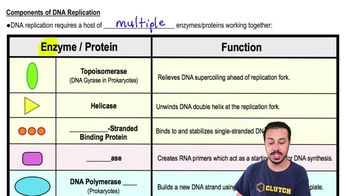
  • Components of DNA Replication
    04:47
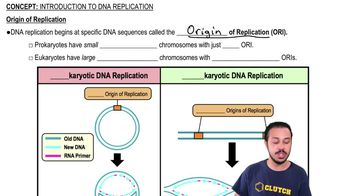
  • Origin of Replication
    03:33

DNA Polymerases

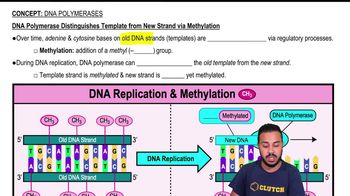
  • DNA Polymerase Distinguishes Template from New Strand via Methylation
    03:47
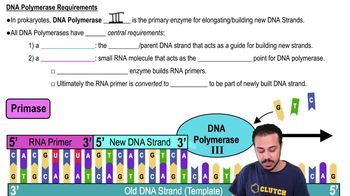
  • DNA Polymerases Requirements
    05:03
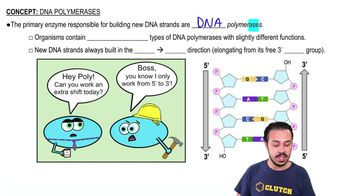
  • DNA Polymerases
    04:01

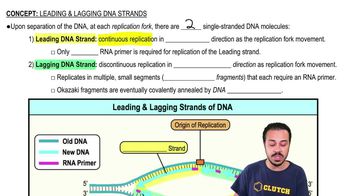
Leading & Lagging DNA Strands

  • Leading & Lagging DNA Strands
    05:15

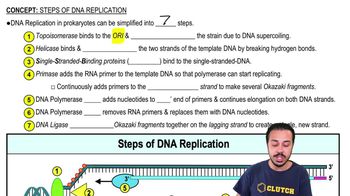
Steps of DNA Replication

  • Steps of DNA Replication
    09:29

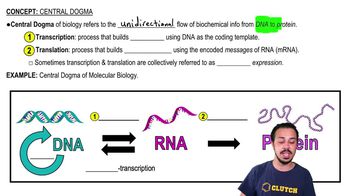
Central Dogma

  • Central Dogma
    05:45

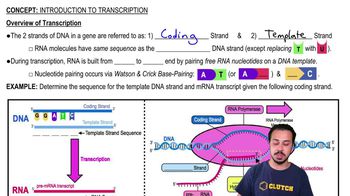
Introduction to Transcription

  • Overview of Transcription
    07:44
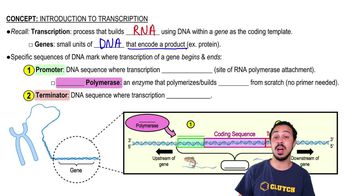
  • Introduction to Transcription
    05:51

Steps of Transcription

  • Elongation of Transcription
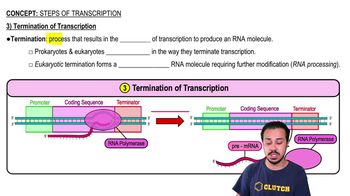
    02:44
  • Initiation of Transcription
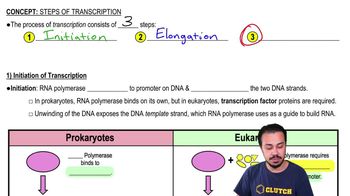
    04:16
  • Elongation of Transcription
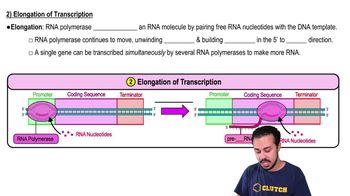
    04:01

Introduction to Types of RNA

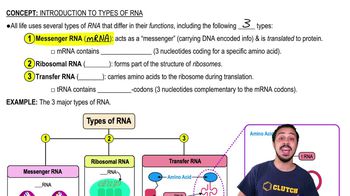
  • Introduction to Types of RNA
    07:20

Genetic Code

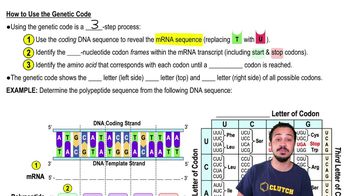
  • How to Use the Genetic Code
    11:39
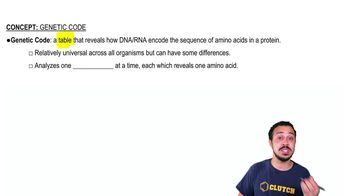
  • Genetic Code
    01:28

Introduction to Translation

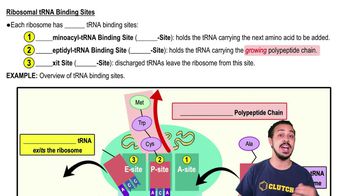
  • Ribosomal tRNA Binding Sites
    06:16
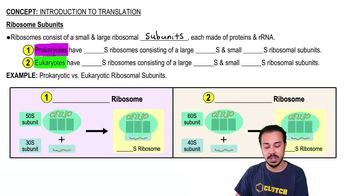
  • Ribosome Subunits
    08:42
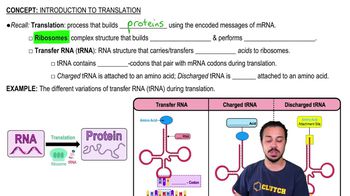
  • Introduction to Translation
    06:12

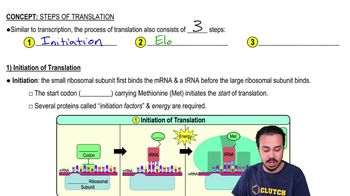
Steps of Translation

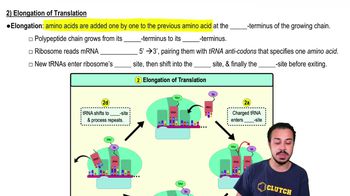
  • Elongation of Translation
    04:59
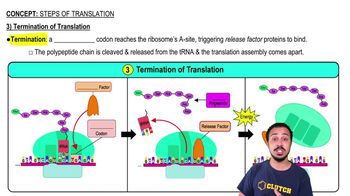
  • Termination of Translation
    02:16
  • Steps of Translation
    05:03

Prokaryotic Gene Regulation via Operons

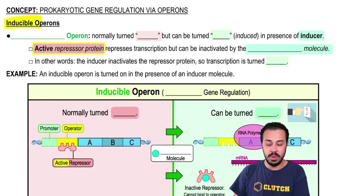
  • Inducible Operons
    04:25
  • Prokaryotic Gene Regulation via Operons
    00:53
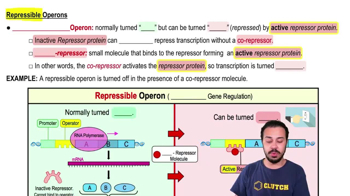
  • Repressible Operons
    03:42

The Lac Operon

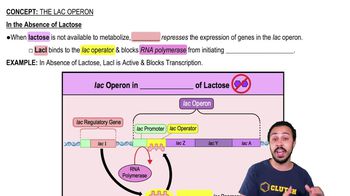
  • In the Absence of Lactose
    04:34
  • The Lac Operon
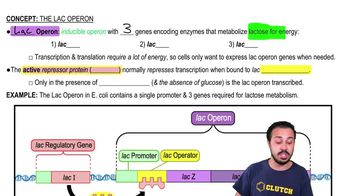
    07:06
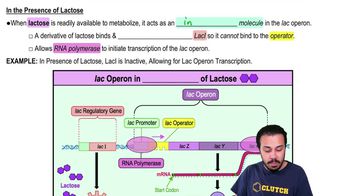
  • In the Presence of Lactose
    03:56

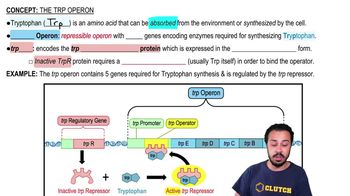
The Trp Operon

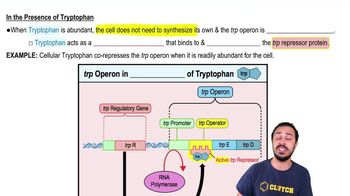
  • In the Presence of Tryptophan
    03:11
  • The Trp Operon
    05:30
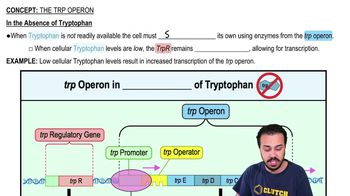
  • In the Absence of Tryptophan
    03:42

Introduction to Mutations

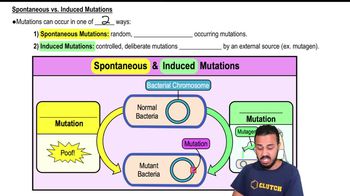
  • Spontaneous vs. Induced Mutations
    02:47
  • Introduction to Mutations
    00:37
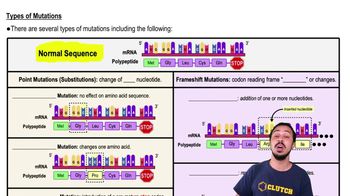
  • Types of Mutations
    08:44

The Ames Test

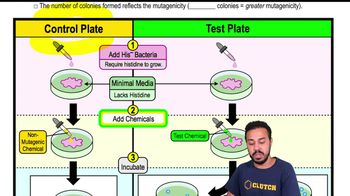
  • The Ames Test
    06:59

Introduction to DNA Repair

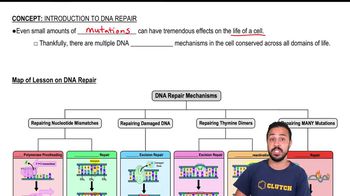
  • Introduction to DNA Repair
    02:47

DNA Repair Mechanisms

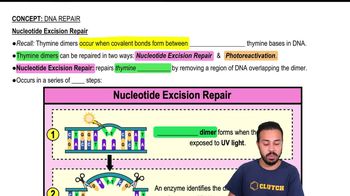
  • Nucleotide Excision Repair
    03:31
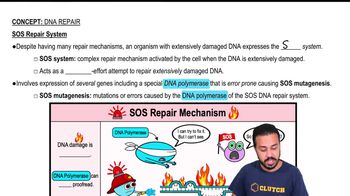
  • SOS Repair System
    03:50
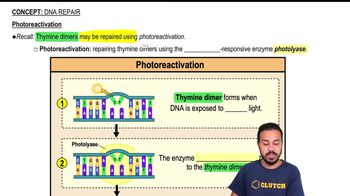
  • Photoreactivation
    02:29

Horizontal Gene Transfer

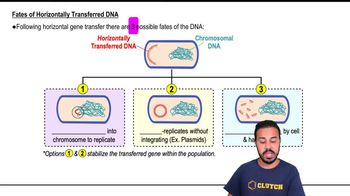
  • Fates of Horizontally Transferred DNA
    03:13
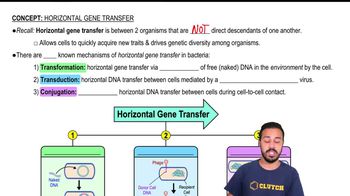
  • Horizontal Gene Transfer
    04:42
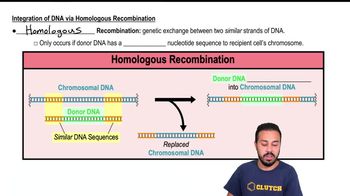
  • Integration of DNA via Homologous Recombination
    02:52

Bacterial Transformation

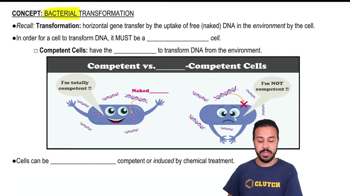
  • Bacterial Transformation
    03:06
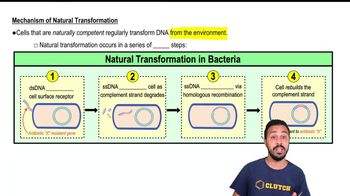
  • Mechanism of Natural Transformation
    03:49

Transduction

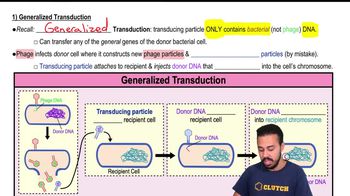
  • Generalized Transduction
    04:24
  • Transduction
    06:49
  • Specialized Transduction
    06:34

Introduction to Conjugation

  • Introduction to Conjugation
    04:21
Conjugation: F Plasmids

  • F Plasmids
    05:57
  • Mechanism of F Plasmid Conjugation in E. coli
    04:12

Conjugation: Hfr & F' Cells

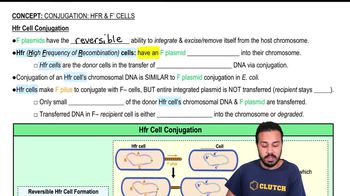
  • F’ Cell Conjugation
    04:31
  • Hfr Cell Conjugation
    09:41

Introduction to Controlling Microbial Growth

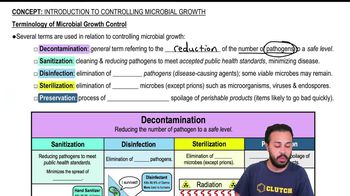
  • Terminology of Microbial Growth Control
    07:36
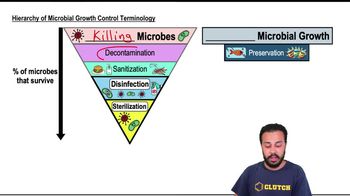
  • Hierarchy of Microbial Growth Control Terminology
    03:09
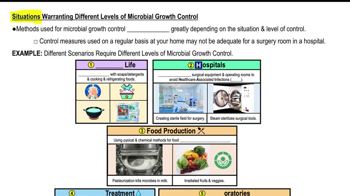
  • Situations Warranting Different Levels of Microbial Growth Control
    05:58

Selecting a Method to Control Microbial Growth

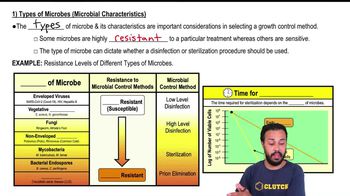
  • Types of Microbes (Microbial Characteristics)
    07:24
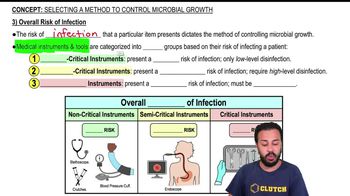
  • Overall Risk of Infection
    04:52
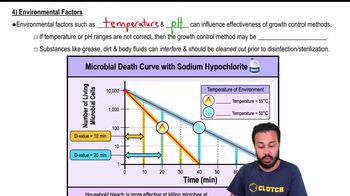
  • Environmental Factors
    04:18

Physical Methods to Control Microbial Growth

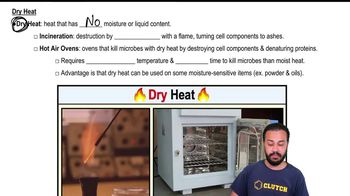
  • Dry Heat
    02:58
  • Irradiation
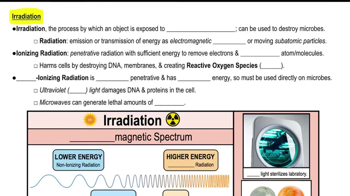
    06:18
  • Filtration
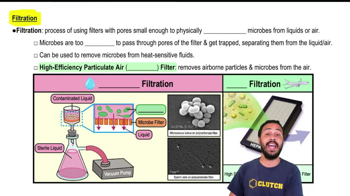
    04:29

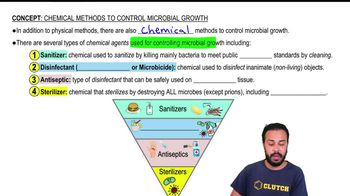
Chemical Methods to Control Microbial Growth

  • Types of Disinfectants
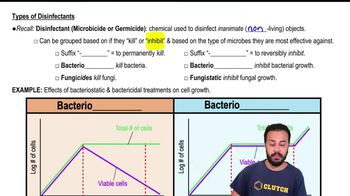
    05:21
  • Selecting the Right Chemical Agent
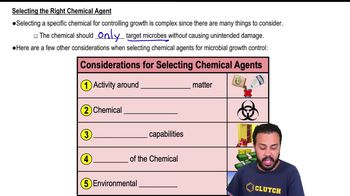
    04:52
  • Chemical Methods to Control Microbial Growth
    03:58

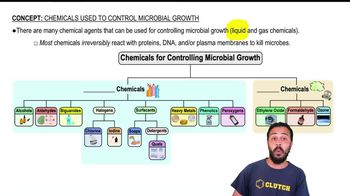
Chemicals Used to Control Microbial Growth

  • Chemicals Used to Control Microbial Growth
    02:29
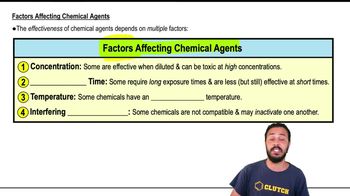
  • Factors Affecting Chemical Agents
    03:17

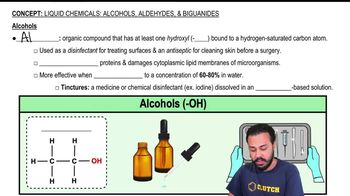
Liquid Chemicals: Alcohols, Aldehydes, & Biguanides

  • Alcohols
    03:39
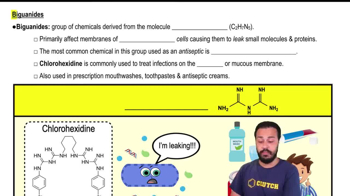
  • Biguanides
    02:41
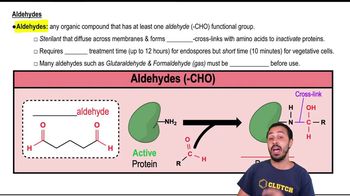
  • Aldehydes
    03:59

Liquid Chemicals: Halogens

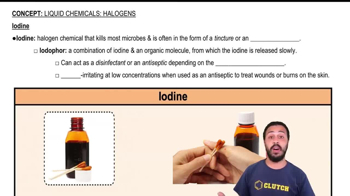
  • Iodine
    02:15
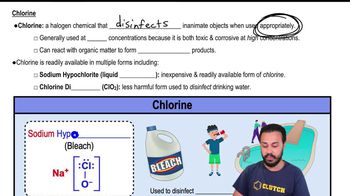
  • Chlorine
    03:16
  • Liquid Chemicals: Halogens
    00:56

Liquid Chemicals: Surface-Active Agents

  • Liquid Chemicals: Surface-Active Agents
    04:14
  • Soaps & Detergents
    06:20
  • Quats
    02:33

Other Types of Liquid Chemicals

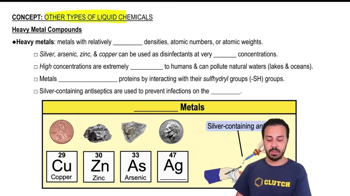
  • Heavy Metal Compounds
    02:19
  • Peroxygens
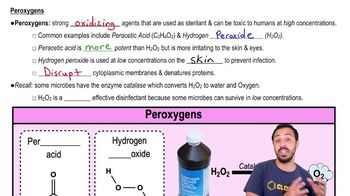
    04:31
  • Phenolic Compounds
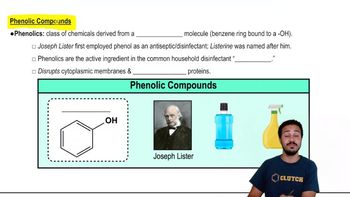
    02:27

Chemical Gases: Ethylene Oxide, Ozone, & Formaldehyde

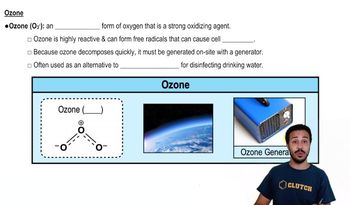
  • Ozone
    02:36
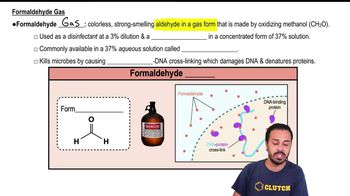
  • Formaldehyde Gas
    02:56
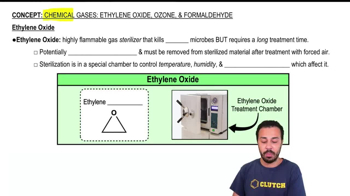
  • Chemical Gases: Ethylene Oxide
    03:22

Review of Chemicals Used to Control Microbial Growth

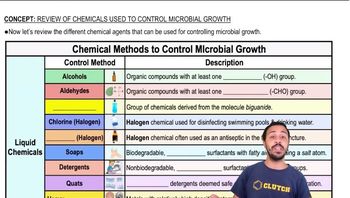
  • Review of Chemicals Used to Control Microbial Growth
    05:41

Chemical Preservation of Perishable Products

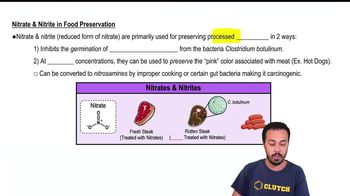
  • Nitrate & Nitrite in Food Preservation
    03:15
  • Organic Acids Used in Food Preservation
    02:11
  • Chemical Preservation of Perishable Products
    01:16

Introduction to Antimicrobial Drugs

  • Guided course
    History of Antimicrobial Drugs
    05:33

How Antimicrobial Drugs Work

  • Guided course
    Selective Toxicity
    05:27
  • Guided course
    How Antimicrobial Drugs Work Example 1
    03:28

Broad vs Narrow Spectrum Drugs

  • Guided course
    Broad vs Narrow Spectrum
    04:05

Superinfections

  • Guided course
    Superinfections Example 1
    01:59
  • Guided course
    Superinfections
    05:16

Drug Interactions: Synergism and Antagonism

  • Guided course
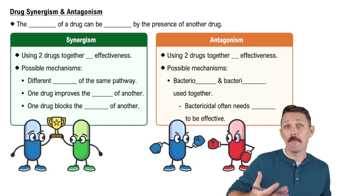
    Drug Synergism & Antagonism
    03:06
  • Guided course
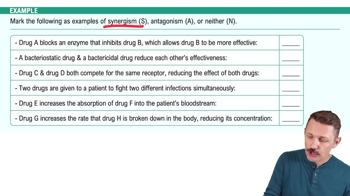
    Drug Interactions: Synergism and Antagonism Example 1
    03:17

Therapeutic Window & Therapeutic Index

  • Guided course
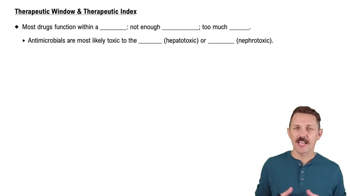
    Therapeutic Window & Therapeutic Index
    04:08

Inhibitors of Cell Wall Synthesis: Beta-lactam & Penicillin

  • Guided course
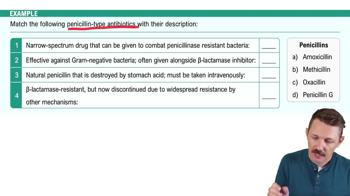
    Inhibitors of Cell Wall Synthesis: Beta-lactam & Penicillin Example 3
    04:02
  • Guided course
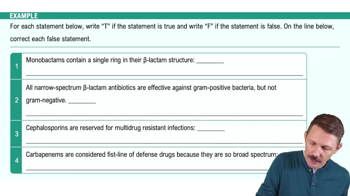
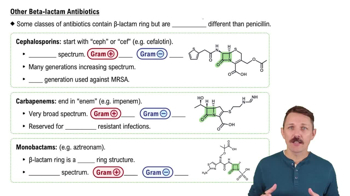
    Other Beta-lactam Antibiotics
    04:51
  • Inhibitors of Cell Wall Synthesis: Beta-lactam & Penicillin Example 2
    02:21
Inhibitors of Cell Wall Synthesis: Polypeptide Antibiotics & Isoniazid

  • Guided course
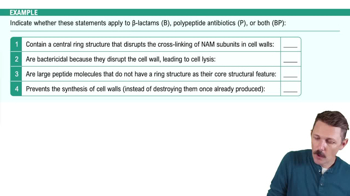
    Inhibitors of Cell Wall Synthesis: Polypeptide Antibiotics & Isoniazid Example 1
    02:14
  • Guided course
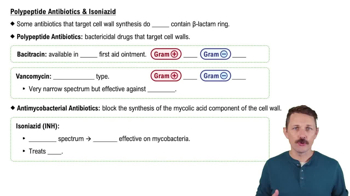
    Polypeptide Antibiotics & Isoniazid
    03:43

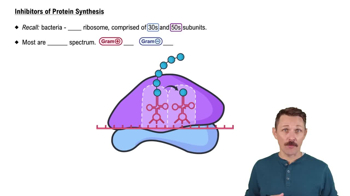
Inhibitors of Protein Synthesis

  • Guided course
    Inhibitors of Protein Synthesis
    05:25
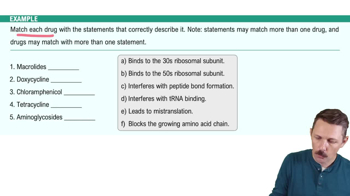
  • Guided course
    Inhibitors of Protein Synthesis Example 1
    03:04

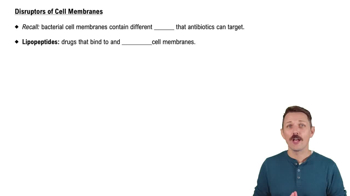
Disruptors of Cell Membranes

  • Guided course
    Disruptors of Cell Membranes
    04:03

Inhibitors of Nucleic Acid Synthesis

  • Guided course
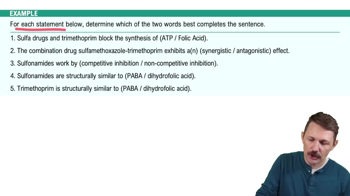
    Inhibitors of Nucleic Acid Synthesis Example 1
    02:21
  • Guided course
    Inhibitors of Nucleic Acid Synthesis
    05:01
Competitive Inhibitors of Metabolic Pathways

  • Guided course
    Competitive Inhibitors of Metabolic Pathways Example 1
    02:36
  • Guided course
    Sulfa Drugs & Folic Acid Synthesis
    05:22

Antifungal Drugs

  • Guided course
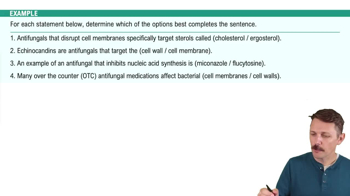
    Antifungal Drugs
    06:43
  • Guided course
    Antifungal Drugs Example 1
    02:06

Antiviral Drugs

  • Guided course
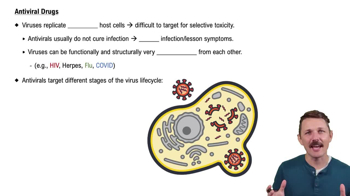
    Antiviral Drugs
    07:25

Tests to Guide Antimicrobial Use

  • Guided course
    Tests to Guide Antimicrobial Use Example 1
    04:17
  • Guided course
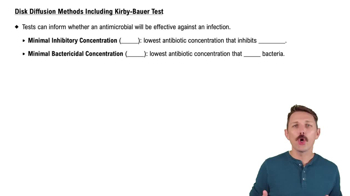
    Disk Diffusion Methods Including Kirby-Bauer Test
    06:04
  • Guided course
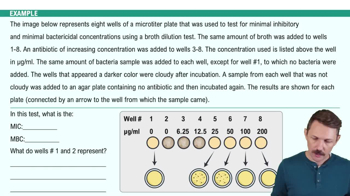
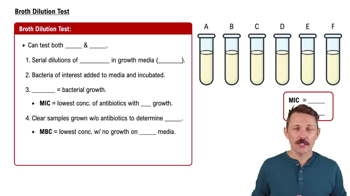
    Broth Dilution Test
    04:53

Antimicrobial Resistance

  • Guided course
    Types of Resistance Mechanisms
    05:04
  • Guided course
    Spread of Antibiotic Resistance
    04:45
  • Guided course
    Antibiotic Resistance
    03:45