 Back
BackMicroorganisms of the Mouth & Pathogenic Microorganisms of the GI Tract: Structure, Defenses, and Diseases
Study Guide - Smart Notes
 Tailored notes based on your materials, expanded with key definitions, examples, and context.
Overview of the Gastrointestinal (GI) Tract
Structure and Function
The gastrointestinal (GI) tract is a continuous tube extending from the mouth to the anus, responsible for digestion and absorption of nutrients. It consists of several main sections and is supported by accessory organs that aid in digestion but are not part of the tract itself.
Main sections: Mouth, pharynx, esophagus, stomach, small intestine (duodenum, jejunum, ileum), large intestine (colon, rectum, anus)
Accessory organs: Salivary glands, pancreas, liver, gall bladder (contribute secretions for digestion)
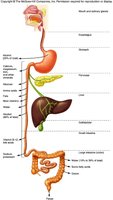
Stomach
The stomach is a muscular, saclike organ that churns and mixes food, secreting hydrochloric acid (HCl) and proteases (e.g., pepsin) to digest proteins. The acidic environment enhances digestion and acts as a barrier to many pathogens.
Small Intestine
The small intestine is the primary site for digestion and absorption. It is divided into three sections: duodenum, jejunum, and ileum. Its surface area is increased by circular folds and villi, which facilitate nutrient absorption.
Large Intestine
The large intestine is about 5 feet long and consists of the colon, rectum, and anus. Its main functions are to absorb water and electrolytes, form and expel feces, and house a diverse bacterial flora that aids in digestion and vitamin production.
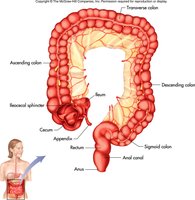
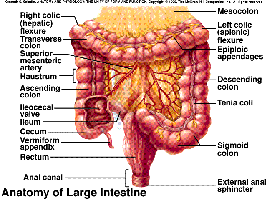
Normal Microbiota of the GI Tract
Oral Cavity
The oral cavity is populated by over 600 known species of microorganisms, including bacteria (e.g., Streptococcus, Neisseria, Veillonella), fungi (Candida albicans), and protozoa (Trichomonas tenax, Entamoeba gingivalis). Bacteria form biofilms (dental plaque) on teeth and soft tissues, with alpha-hemolytic streptococci as early colonizers.
Stomach and Intestines
Contrary to earlier beliefs, the stomach harbors a variety of microorganisms, though its acidic environment limits their numbers. The large intestine contains the densest microbial population, including Bacteroides, Fusobacterium, Bifidobacterium, Clostridium, Streptococcus, Lactobacillus, Escherichia, and Enterobacter. These microbes aid in digestion, synthesize vitamins (e.g., vitamin K by E. coli), and play a role in immune system development.
Microbiome Diversity
The composition of the gut microbiome varies among individuals and can influence health outcomes such as obesity and autoimmune diseases.
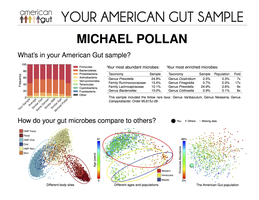
Defenses of the GI Tract
Physical and Chemical Barriers
Mucus: Coats all intestinal surfaces, trapping microbes.
Secretory IgA: Provides immune protection on mucosal surfaces.
Peristalsis: Wave-like muscle contractions move food and microbes through the tract.
Saliva: Contains lysozyme and lactoferrin (antimicrobial proteins).
Stomach acid (HCl): Destroys many ingested pathogens.
Bile: Disrupts cell walls of gram-positive bacteria.
Gut-Associated Lymphoid Tissue (GALT)
GALT includes tonsils, adenoids, Peyer’s patches, and the appendix. These lymphoid tissues contain immune cells (T and B cells) that produce IgA and provide immune surveillance.
Pathogenic Microorganisms of the GI Tract
Overview of GI Pathogens
Pathogens can cause acute or chronic diarrheal diseases, food poisoning, and inflammatory conditions such as gastritis, enteritis, gastroenteritis, colitis, and enterocolitis. Transmission often occurs via contaminated food, water, or direct contact.
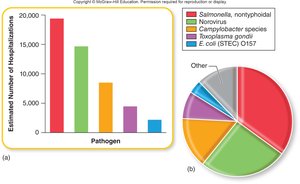
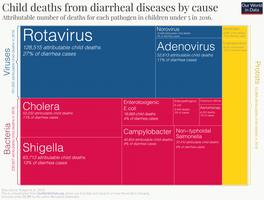
Salmonella
Characteristics: Gram-negative, motile rods; ferment glucose; produce hydrogen sulfide; resistant to bile and dyes.
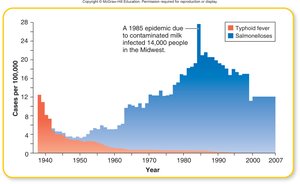
Diseases: Salmonellosis (gastroenteritis), typhoid fever (caused by S. Typhi).
Transmission: Contaminated poultry, eggs, meat, and dairy; high infectious dose (ID50).
Symptoms: Diarrhea, vomiting, fever, mucosal irritation; severe cases may cause septicemia.
Treatment: Fluid and electrolyte replacement; antibiotics for severe cases.
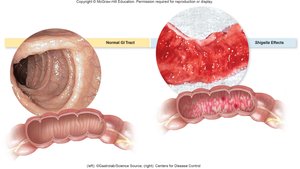
Shigella
Characteristics: Gram-negative, non-motile rods; human parasites; low infectious dose (10–200 cells).
Diseases: Shigellosis (bacillary dysentery).
Symptoms: Watery or bloody diarrhea, fever, abdominal pain, mucus in stool.
Virulence: Invades large intestine mucosa, produces enterotoxin and Shiga toxin (inhibits protein synthesis).
Transmission: Fecal-oral route, person-to-person contact; outbreaks in crowded settings.
Treatment: Supportive care; antibiotics in severe cases (controversial for bloody diarrhea).
Shiga-Toxin-Producing E. coli (STEC)
Most notable strain: E. coli O157:H7
Symptoms: Bloody diarrhea, vomiting, fever, hemolytic uremic syndrome (HUS) in severe cases.
Virulence: Shiga toxin (acquired via bacteriophage), damages intestinal and systemic cells.
Transmission: Undercooked beef, raw produce, fecal-oral route; very low infectious dose.
Treatment: Supportive therapy; antibiotics contraindicated.
Campylobacter
Causative agent: Campylobacter jejuni
Symptoms: Watery diarrhea, fever, vomiting, abdominal pain; may last over 2 weeks.
Virulence: Heat-labile enterotoxin; can trigger Guillain-Barré syndrome (autoimmune paralysis).
Transmission: Contaminated water, milk, meat, poultry.
Treatment: Rehydration; erythromycin for severe cases.
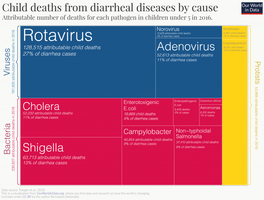
Vibrio cholerae (Cholera)
Characteristics: Comma-shaped, motile, gram-negative rods.
Symptoms: Profuse watery diarrhea ("rice water stool"), vomiting, rapid dehydration, shock.
Virulence: Cholera toxin (CT) disrupts ion transport in intestinal cells, causing water loss.
Transmission: Contaminated water/food, especially after disasters or in poor sanitation.
Treatment: Oral rehydration therapy (ORT); antibiotics may shorten illness.
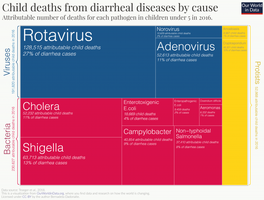
Rotavirus
Characteristics: Double-stranded RNA virus, wheel-shaped appearance.
Symptoms: Watery diarrhea, vomiting, fever, dehydration; most severe in infants and young children.
Transmission: Fecal-oral route, contaminated food/water, fomites.
Treatment: Oral rehydration; live attenuated vaccine available.
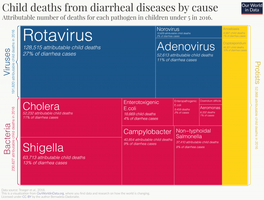
Norovirus
Characteristics: RNA virus, highly contagious.
Symptoms: Acute-onset vomiting, watery diarrhea, fever; lasts 3–5 days.
Transmission: Fecal-oral, contaminated food/water, person-to-person.
Treatment: Supportive (rehydration).
Clostridium difficile
Characteristics: Gram-positive, endospore-forming rod; normal intestinal biota.
Disease: Pseudomembranous colitis (antibiotic-associated colitis).
Virulence: Toxins A and B cause necrosis of intestinal wall.
Risk factors: Broad-spectrum antibiotics, gastric acid inhibitors.
Treatment: Withdrawal of antibiotics, vancomycin or fidaxomicin, fecal transplant in severe cases.
Protozoal Infections: Giardia and Entamoeba
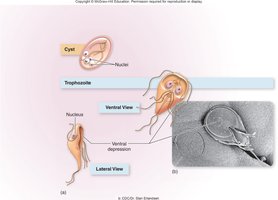
Giardia lamblia
Characteristics: Flagellated protozoan, heart-shaped, "face-like" appearance.
Symptoms: Chronic diarrhea, abdominal pain, flatulence, greasy stools.
Transmission: Ingestion of cysts from contaminated water, food, or surfaces; low infectious dose.
Treatment: Tinidazole or metronidazole; no human vaccine.
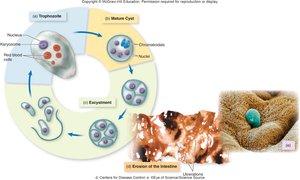
Entamoeba histolytica
Characteristics: Amoeboid protozoan; alternates between trophozoite and cyst forms.
Symptoms: Dysentery, abdominal pain, fever, weight loss; can cause extraintestinal abscesses (liver, lungs, brain).
Transmission: Ingestion of cysts from contaminated food/water; common in tropical regions with poor sanitation.
Treatment: Iodoquinol, metronidazole, or chloroquine; supportive therapy for fluid/electrolyte loss.
Food Poisoning (Intoxication)
Staphylococcus aureus Exotoxin
Source: Contaminated foods (custards, meats, salads) left unrefrigerated.
Toxin: Heat-stable enterotoxin; not destroyed by normal cooking.
Symptoms: Rapid-onset vomiting, diarrhea, abdominal cramps; self-limiting within 24 hours.
Bacillus cereus Exotoxin
Source: Rice (emetic form), meats/vegetables (diarrheal form) held at warm temperatures.
Toxins: Heat-stable (emetic) and heat-labile (diarrheal) enterotoxins.
Symptoms: Vomiting or watery diarrhea, depending on the toxin.
Clostridium perfringens Exotoxin
Source: Meat, fish, beans not cooked thoroughly; spores germinate in food.
Toxin: Released in the intestine after ingestion; causes abdominal pain, diarrhea, nausea.
Symptoms: Acute, self-limiting gastroenteritis.
Summary Table: Major GI Pathogens
Pathogen | Type | Transmission | Symptoms | Virulence Factors | Treatment |
|---|---|---|---|---|---|
Salmonella | Bacteria | Food, water | Diarrhea, fever, vomiting | Adhesion, endotoxin | Supportive, antibiotics (severe) |
Shigella | Bacteria | Fecal-oral | Bloody diarrhea, fever | Shiga toxin, invasion | Supportive, antibiotics (select cases) |
E. coli O157:H7 | Bacteria | Food, water | Bloody diarrhea, HUS | Shiga toxin | Supportive only |
Campylobacter | Bacteria | Food, water | Diarrhea, fever | Enterotoxin | Supportive, erythromycin |
Vibrio cholerae | Bacteria | Water, food | Watery diarrhea, dehydration | Cholera toxin | ORT, antibiotics |
Rotavirus | Virus | Fecal-oral | Watery diarrhea, vomiting | dsRNA, enterotoxin | ORT, vaccine |
Norovirus | Virus | Fecal-oral | Diarrhea, vomiting | Capsid stability | ORT |
Giardia | Protozoa | Water, food | Chronic diarrhea | Adhesion, cysts | Metronidazole |
Entamoeba | Protozoa | Water, food | Dysentery, abscesses | Tissue invasion | Metronidazole, iodoquinol |
