Back

MMBS111 Unit 3 Microbiology Study Guide – Step-by-Step Guidance

Study Guide - Learn with Videos

Curated lessons matched to your uploaded material – learn every topic step by step.

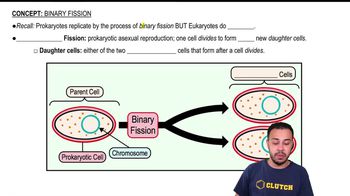
Binary Fission

  • Binary Fission
    02:16
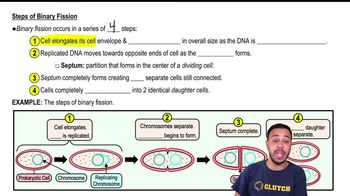
  • Steps of Binary Fission
    04:57

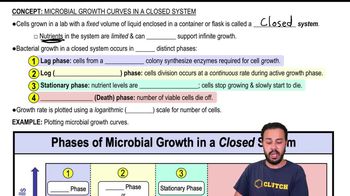
Microbial Growth Curves in a Closed System

  • Microbial Growth Curves in a Closed System
    08:59
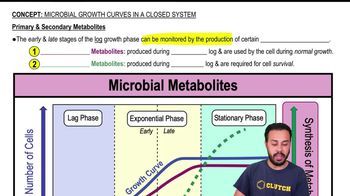
  • Primary & Secondary Metabolites
    02:33

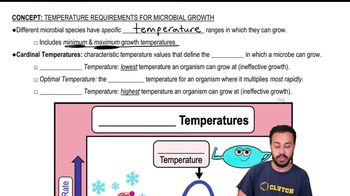
Temperature Requirements for Microbial Growth

  • Temperature Requirements for Microbial Growth
    04:16
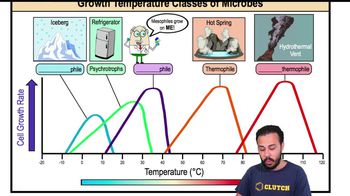
  • Classification of Microbes by Growth Temperature
    04:56
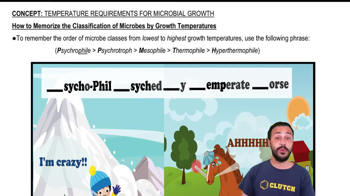
  • How to Memorize the Classification of Microbes by Growth Temperatures
    01:59

pH Requirements for Microbial Growth

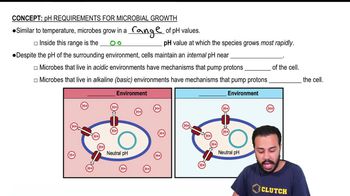
  • pH Requirements for Microbial Growth
    03:11
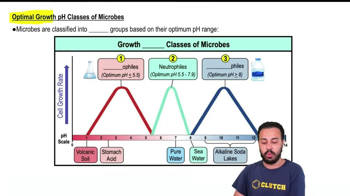
  • Optimal Growth pH Classes of Microbes
    03:23

Osmolarity Factors for Microbial Growth

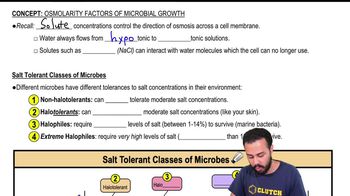
  • Osmolarity Factors for Microbial Growth
    06:30

Oxygen Requirements for Microbial Growth

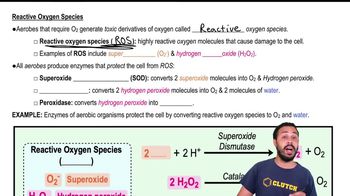
  • Reactive Oxygen Species
    04:43
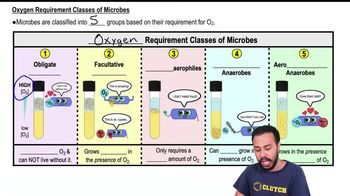
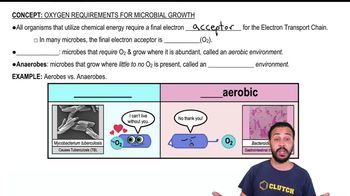
  • Oxygen Requirement Classes of Microbes
    07:27
  • Oxygen Requirements for Microbial Growth
    03:52

Introduction to Controlling Microbial Growth

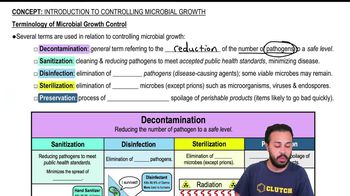
  • Terminology of Microbial Growth Control
    07:36
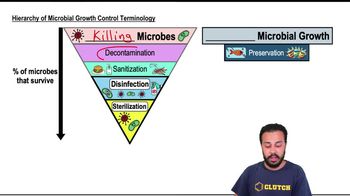
  • Hierarchy of Microbial Growth Control Terminology
    03:09
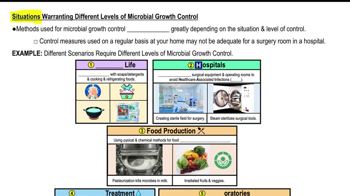
  • Situations Warranting Different Levels of Microbial Growth Control
    05:58

Physical Methods to Control Microbial Growth

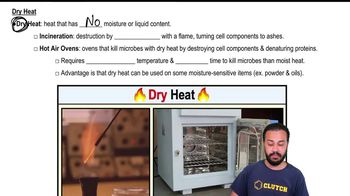
  • Dry Heat
    02:58
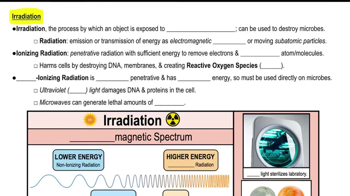
  • Irradiation
    06:18
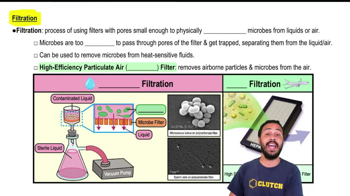
  • Filtration
    04:29

Chemical Methods to Control Microbial Growth

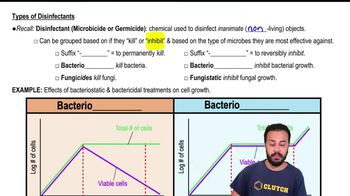
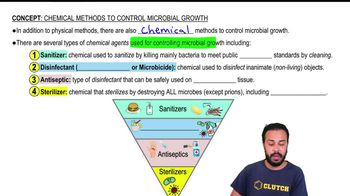
  • Types of Disinfectants
    05:21
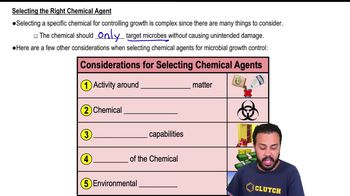
  • Selecting the Right Chemical Agent
    04:52
  • Chemical Methods to Control Microbial Growth
    03:58

Introduction to Energy

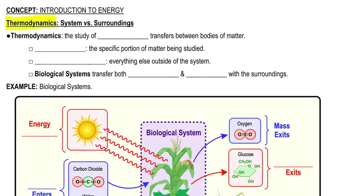
  • Thermodynamics: System vs. Surroundings
    04:21
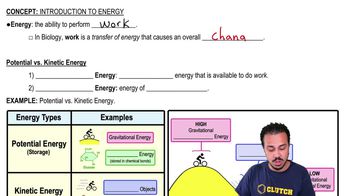
  • Introduction to Energy
    04:58

ATP

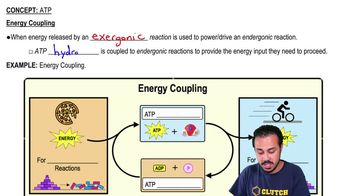
  • Energy Coupling
    04:57
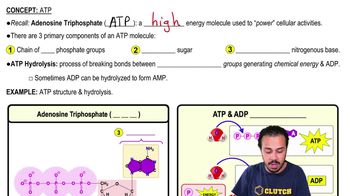
  • ATP
    06:44
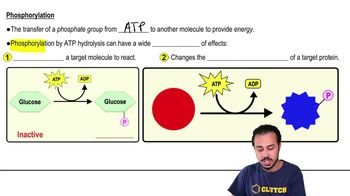
  • Phosphorylation
    03:00

Enzymes

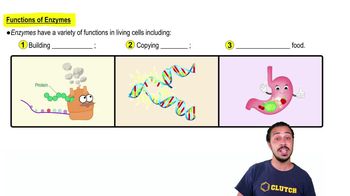
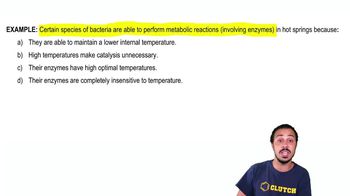
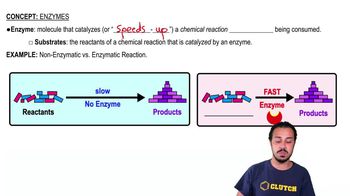
  • Functions of Enzymes
    02:32
  • Enzymes Example 1
    02:25
  • Enzymes
    02:55

Enzyme Inhibition

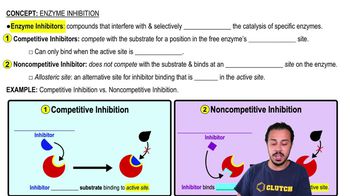
  • Enzyme Inhibition
    05:03

Introduction to Metabolism

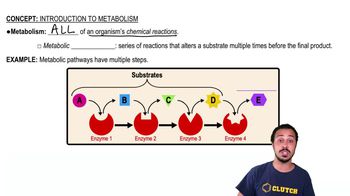
  • Introduction to Metabolism
    02:17
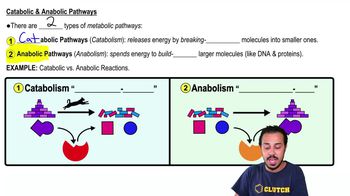
  • Catabolic & Anabolic Pathways
    03:25

Glycolysis

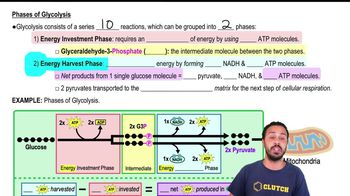
  • Phases of Glycolysis
    05:57
  • Glycolysis Example 1
    01:29
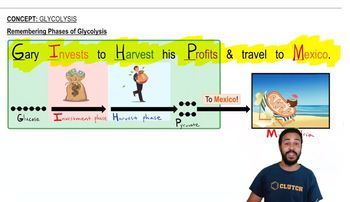
  • Remembering Phases of Glycolysis
    02:49

Pyruvate Oxidation

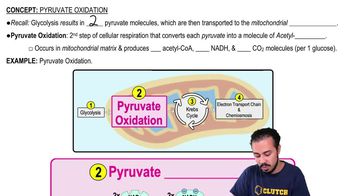
  • Pyruvate Oxidation
    04:38

Krebs Cycle

  • Krebs Cycle Example 1
    01:20
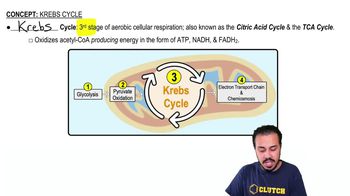
  • Krebs Cycle
    01:37
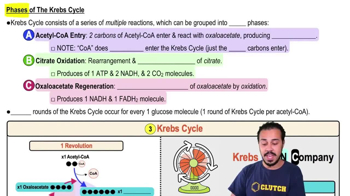
  • Phases of The Krebs Cycle
    09:54

Electron Transport Chain

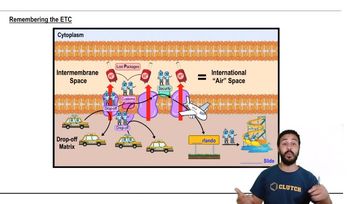
  • Remembering the ETC
    04:43
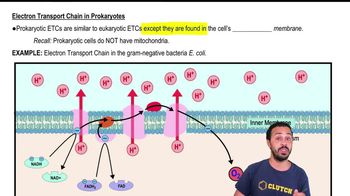
  • Electron Transport Chain in Prokaryotes
    02:49
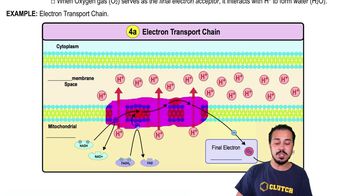
  • Electron Transport Chain
    07:41

Fermentation & Anaerobic Respiration

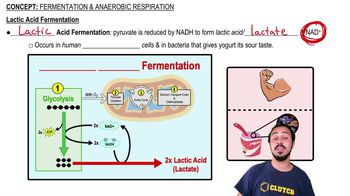
  • Lactic Acid Fermentation
    03:33
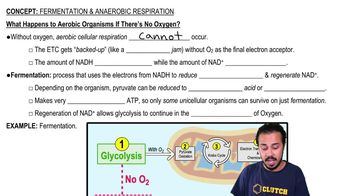
  • What Happens to Aerobic Organisms if There's No Oxygen?
    07:50
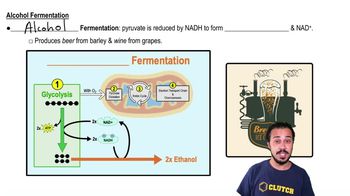
  • Alcohol Fermentation
    01:59

Characteristics of Infectious Disease

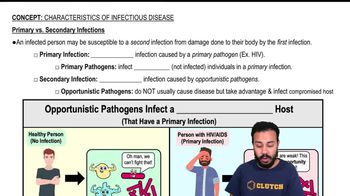
  • Primary vs. Secondary Infections
    04:16
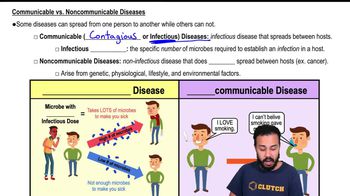
  • Communicable vs. Noncommunicable Diseases
    04:57
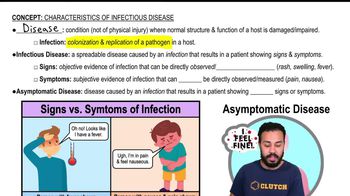
  • Intro to Characteristics of Infectious Disease
    05:09

Stages of Infectious Disease Progression

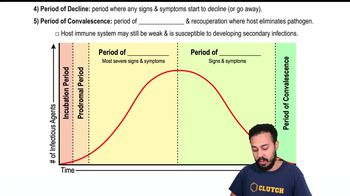
  • Stages of Infectious Disease Progression
    05:36
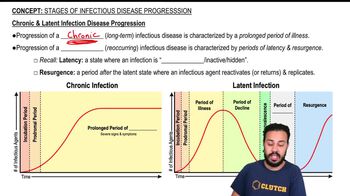
  • Chronic & Latent Infection Disease Progression
    05:14

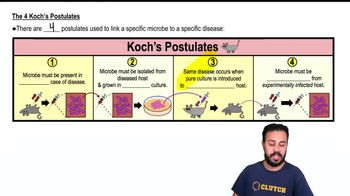
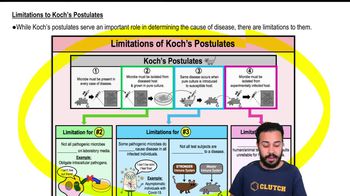
Koch's Postulates

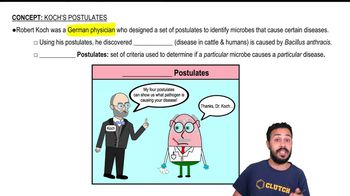
  • Koch's Postulates
    01:36
  • The 4 Koch's Postulates
    03:31
  • Limitations to Koch's Postulates
    02:58

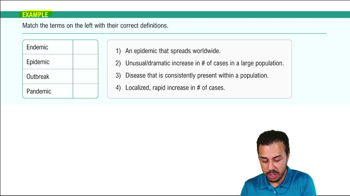
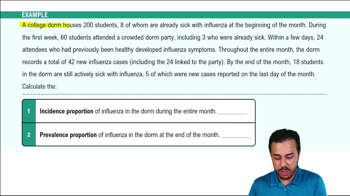
Introduction to Epidemiology

  • Introduction to Epidemiology Example 1
    01:48
  • Introduction to Epidemiology Example 2
    05:15
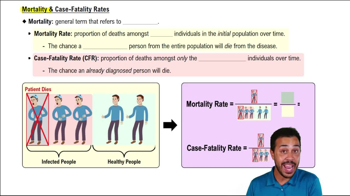
  • Mortality & Case-Fatality Rates
    02:28

Healthcare-Associated Infections

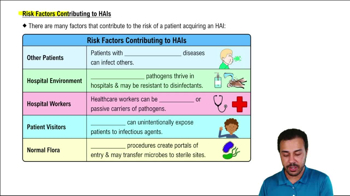
  • Risk Factors Contributing to HAIs
    02:45
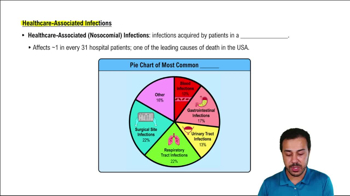
  • Healthcare-Associated Infections
    01:33
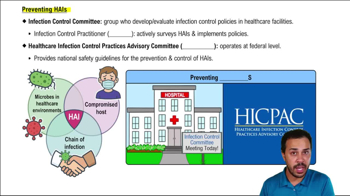
  • Preventing HAIs
    01:59

The Human Microbiome

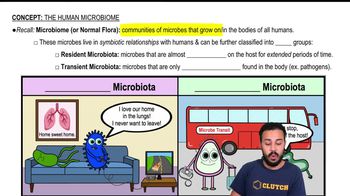
  • The Human Microbiome
    03:25
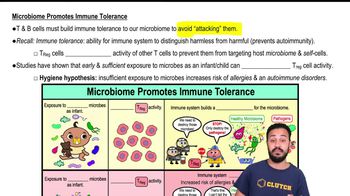
  • Microbiome Promotes Immune Tolerance
    05:48
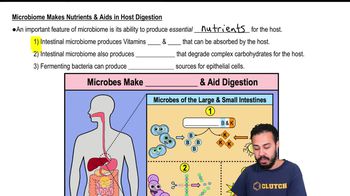
  • Microbiome Makes Nutrients & Aids in Host Digestion
    03:26

Bacterial Pathogenesis

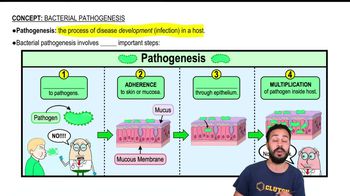
  • Intro to Bacterial Pathogenesis
    02:35
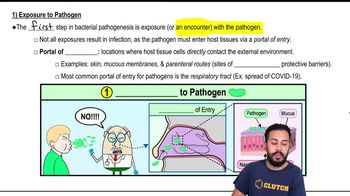
  • 1) Exposure to Pathogen
    03:27
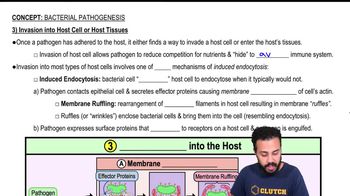
  • 3) Invasion into Host Tissues
    05:38

Introduction to Pathogenic Toxins

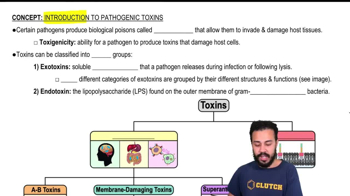
  • Introduction to Pathogenic Toxins
    03:40

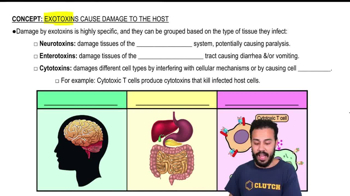
Exotoxins Cause Damage to the Host

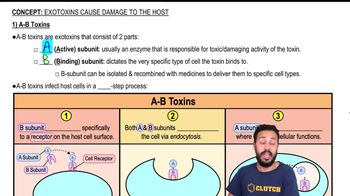
  • 1) A-B Toxins
    04:44
  • Types of Exotoxins
    03:30
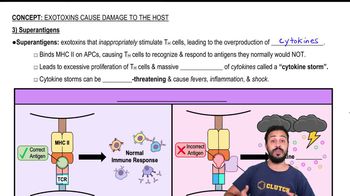
  • 3) Superantigens
    03:59

Endotoxin Causes Damage to the Host

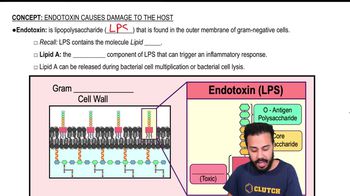
  • Endotoxin
    02:46
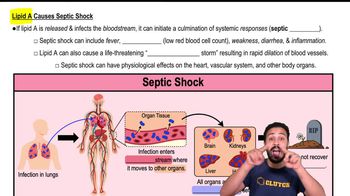
  • Lipid A Causes Septic Shock
    03:24

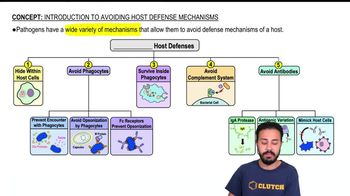
Introduction to Avoiding Host Defense Mechanisms

  • Introduction to Avoiding Host Defense Mechanisms
    01:59

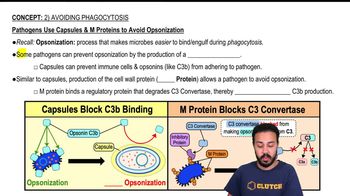
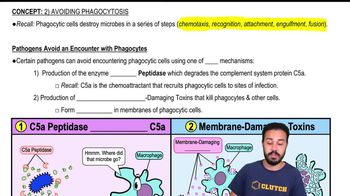
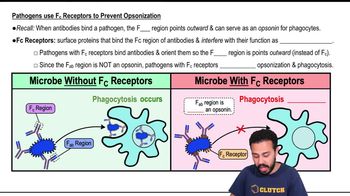
2) Avoiding Phagocytosis

  • Pathogen Use Capsules & M Proteins to Avoid Opsonization
    05:25
  • Pathogens Avoid Encounter with Phagocytes
    05:13
  • Pathogens Use Fc Receptors to Prevent Opsonization
    03:48