 Back
BackUnit 2 - Mycology
Study Guide - Smart Notes
 Tailored notes based on your materials, expanded with key definitions, examples, and context.
General Information
What is Mycology?
Mycology is the scientific study of fungi, which includes yeasts (unicellular), molds (multicellular), and mushrooms (multicellular). Fungi are a diverse group of eukaryotic organisms that play essential roles in nature and human society.

Characteristics of Fungi
Kingdom: Fungi (Eukaryotes)
Over 100,000 species; about 200 are pathogenic to humans and animals
Found in air, soil, and water
Similar to algae but lack chlorophyll
Mainly aerobic or facultative anaerobes
Chemoheterotrophic: obtain carbon and energy from organic compounds by absorption
Benefits of Fungi
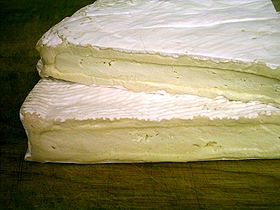
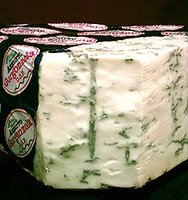
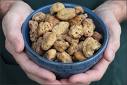
Food Industry: Used in the production of alcoholic beverages, cheeses, breads, and truffles (high-value edible fungi).
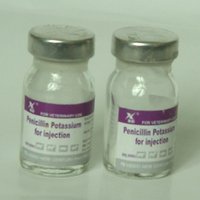
Antibiotics: Source of penicillin and other antibiotics.
Decomposition: Decompose plant matter using enzymes like cellulase and pectinase.
Medicinal Uses: Production of drugs such as Taxol (anticancer), statins (cholesterol-lowering), and cyclosporins (immunosuppressants).
Genetic Engineering: Yeast cells are used to produce vaccines (e.g., Hepatitis B vaccine).




Undesirable Effects of Fungi
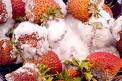
Food Spoilage: Fungi can spoil food products.
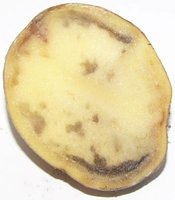
Plant Diseases: Cause significant agricultural losses (e.g., potato blight, Dutch elm disease, chestnut blight).
Structural Damage: "Dry rot" damages buildings.
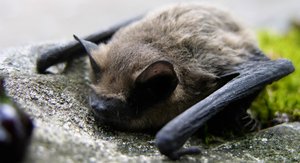
Animal Diseases: White-nose syndrome in bats.
Human Diseases: Mycoses (fungal infections).


Fungi vs. Bacteria
Feature | Bacteria | Fungi |
|---|---|---|
Domain | Bacteria | Eukarya |
Cell Type | Prokaryote | Eukaryote |
Cellularity | Unicellular | Unicellular & Multicellular |
Reproduction | Binary fission | Spores/Budding |
Size | Smaller | Larger |
Cell Wall | Peptidoglycan | Mannan, Chitin, Glucan |
Cell Membrane | No sterols | Contains sterols |
Growth Characteristics of Fungi
Fungi thrive in warm, moist environments but can also survive in dry conditions. They grow slower than bacteria, prefer acidic pH (around 5), and can tolerate high sugar or salt concentrations. Fungi grow best at room temperature and are susceptible to heat. They can metabolize complex carbohydrates such as lignin (wood).

Characteristics of Yeast
Structure and Reproduction
Non-filamentous, oval, unicellular organisms
Facultative: can perform respiration and fermentation
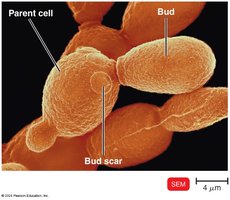
Reproduce by budding (asexual); can produce up to 24 new cells
Pseudohyphae: chains of cells formed when buds do not detach
Dimorphism
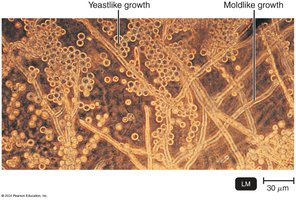
Some fungi are dimorphic, meaning they can exist as either yeast or mold depending on temperature.
At room temperature (25°C): mold-like growth
At body temperature (37°C): yeast-like growth
Structural Characteristics of Molds
Vegetative Structures
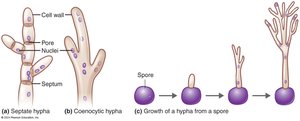
Thallus: The body of a mold, consisting of filaments
Hyphae: Multicellular filaments that elongate at the tips
Septa: Cross-walls dividing hyphae into cells
Coenocytic hyphae: Hyphae without cross-walls
Mycelium: A mass of hyphae visible to the naked eye
Reproductive Structures (Spores)
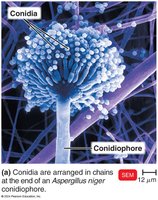
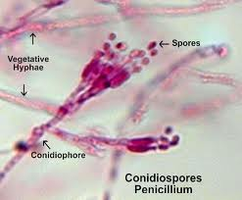
Asexual Spores: Produced by mitosis; genetically identical to parent
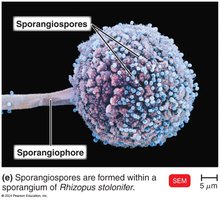
Types: Conidiospores (on conidiophores, e.g., Aspergillus, Penicillium) and Sporangiospores (within a sporangium, e.g., Rhizopus)
Sexual Spores: Fusion of nuclei from two mating strains, followed by meiosis; types include zygospores, ascospores, and basidiospores

Laboratory Identification of Fungi
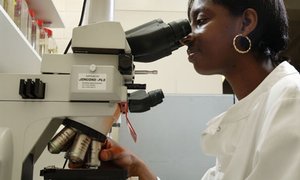
Direct visualization of spores under a microscope
Culturing on media with high sugar/salt, low pH, and at room temperature
Biochemical and immunological testing
Molecular analysis (e.g., PCR)
Toxin Production (Mycotoxins)
Mycotoxins: Toxic compounds produced by fungi that can damage kidneys, liver, and nervous system
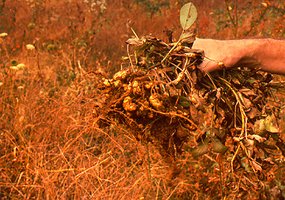
Aflatoxin: Produced by Aspergillus species; found on peanuts and corn; carcinogenic and causes liver damage
Ergot Poisoning: Caused by Claviceps purpurea on rye and grains; restricts blood flow and causes hallucinations

Fungal Infections (Mycoses)
Mycoses are classified based on the tissue involved. Fungal infections are often chronic due to the slow growth of fungi.
Superficial Mycoses
Affect hair shafts and surface epidermal cells
Example: Piedra—hard nodules on hair shafts, common in tropical climates
Treatment: Shaving/cutting hair and topical antifungals

Cutaneous Mycoses
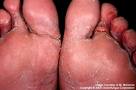
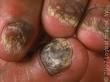
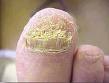
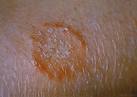
Involve the epidermis, hair, and nails (dermatomycoses)
Caused by keratinolytic fungi (dermatophytes): Trichophyton, Microsporum, Epidermophyton
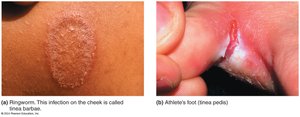
Lesions are dry, scaly, itchy, and have a red periphery
Transmitted by direct contact or fomites; contagious
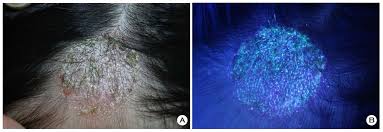
Types: Tinea capitis (scalp), tinea unguium (nails), tinea cruris (groin), tinea pedis (feet)
Treatment: Topical/oral antifungals; diagnosis by skin scraping, UV light, or culture
Subcutaneous Mycoses
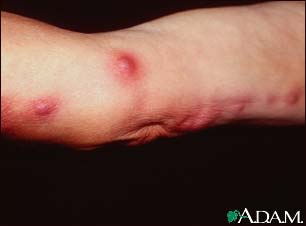
Occur beneath the skin, often from saprophytes in soil or vegetation entering through wounds
Example: Sporotrichosis—caused by Sporothrix species; common in landscapers and farmers
Treatment: Oral potassium iodide (KI)
Systemic Mycoses
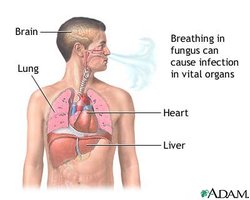
Deep infections affecting internal organs, usually acquired by inhalation of spores from soil fungi
Not contagious; may resemble tuberculosis
Treatment: Amphotericin B or fluconazole
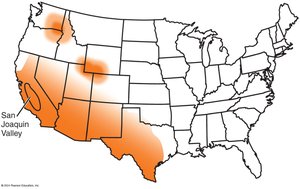
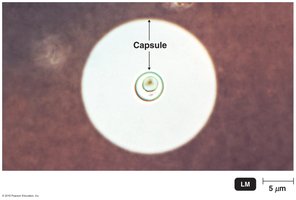
Examples: Histoplasmosis, Blastomycosis, Coccidioidomycosis (San Joaquin Valley Fever), Cryptococcosis
Opportunistic Mycoses
Caused by fungi that are normally harmless but become pathogenic in immunocompromised individuals
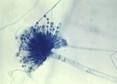
Examples: Aspergillosis (pulmonary, sinus, brain infections), Candidiasis (thrush, vaginal yeast infection, systemic infections)
Treatment: Amphotericin B, miconazole, clotrimazole, mycostatin, nystatin, fluconazole
Additional info: Opportunistic mycoses are a major concern in patients with HIV/AIDS, cancer, diabetes, or those undergoing immunosuppressive therapy.
