 Back
BackNeglected Tropical Diseases (NTDs): Microbiology, Impact, and Control
Study Guide - Smart Notes
 Tailored notes based on your materials, expanded with key definitions, examples, and context.
Neglected Tropical Diseases (NTDs)
Introduction to NTDs
Neglected Tropical Diseases (NTDs) are a group of infectious diseases that primarily affect populations living in poverty, especially in tropical and subtropical regions. These diseases are often overlooked by global health initiatives despite their significant impact on health, economic productivity, and social well-being.
Definition: NTDs are a diverse group of 16(ish) diseases, mostly caused by parasites, that thrive in areas with poor water, sanitation, and healthcare access.
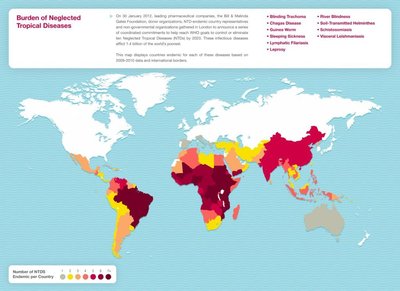
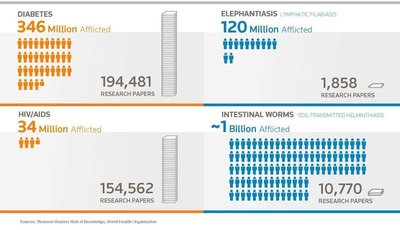
Prevalence: Over 1 billion people (1 in 6 globally) are affected by one or more NTDs.
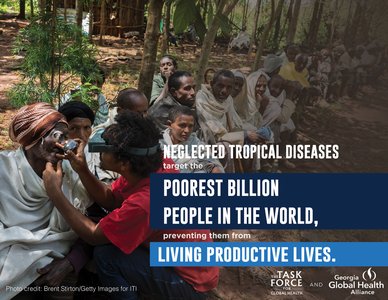
Impact: NTDs cause disfigurement, disability, and perpetuate poverty by reducing individuals' ability to work and participate in society.
Socioeconomic Impact and Global Response
NTDs are closely linked to poverty and poor infrastructure. They create a cycle where disease leads to poverty, and poverty increases vulnerability to disease. Global initiatives have been launched to combat NTDs, involving organizations such as the World Health Organization, the Bill and Melinda Gates Foundation, and The Carter Center.
Key Statistics:
2.4 billion people lack access to improved sanitation.
663 million lack access to improved water sources.
946 million practice open defecation.
Over 500,000 deaths per year due to NTDs.
Control and Elimination: Many NTDs can be controlled or eliminated with existing interventions.
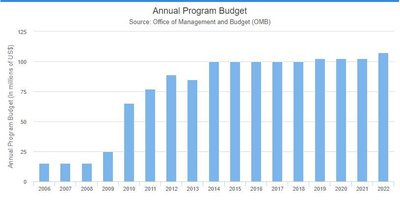
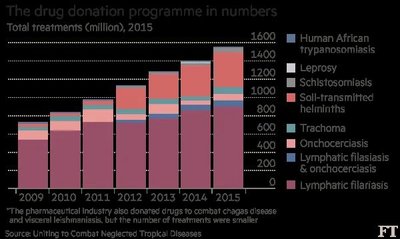
Pharmaceutical Donations: Drug companies have donated millions of treatments to support eradication efforts.
Major Types of Neglected Tropical Diseases
Causative Agents
NTDs are caused by a variety of pathogens, including helminths (parasitic worms), bacteria, protozoa, and viruses.
Helminths: Parasitic worms such as roundworms, flatworms, and filarial worms.
Bacteria: Mycobacterium ulcerans, Mycobacterium leprae, Chlamydia trachomatis, Treponema pertenue.
Protozoa: Leishmania, Trypanosoma cruzi, Trypanosoma brucei.
Viruses: Rabies virus, Dengue virus, Chikungunya virus.
Bacterial NTDs
Bacterial NTDs are responsible for significant morbidity, often affecting the skin, nerves, and eyes.
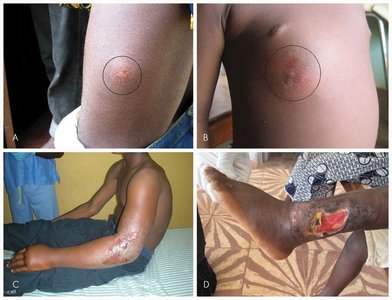
Buruli Ulcer: Caused by Mycobacterium ulcerans. Affects skin and bone, leading to large ulcers and disability.
Leprosy: Caused by Mycobacterium leprae. Damages nerves in the skin, causing loss of sensation and body parts.
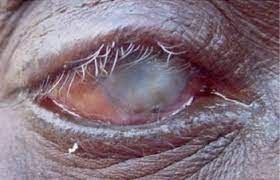
Trachoma: Caused by Chlamydia trachomatis. The leading infectious cause of blindness worldwide.
Yaws: Caused by Treponema pertenue. Affects skin, bone, and cartilage.
Viral NTDs
Viral NTDs are transmitted by animal vectors and can cause severe systemic symptoms.
Rabies: Caused by viruses in the Rhabdoviridae family. Fatal encephalitis if untreated.
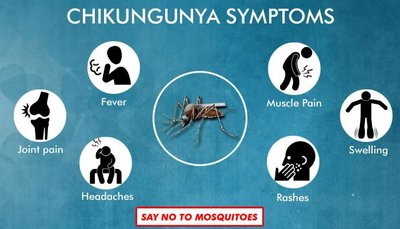
Chikungunya: Caused by a Togaviridae virus. Characterized by severe joint pain, fever, and rash.
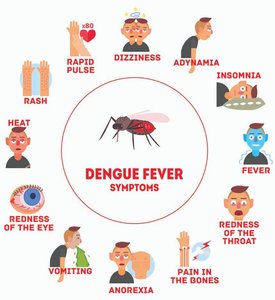
Dengue Fever: Caused by a Flaviviridae virus. Symptoms include joint pain, rash, headache, and in severe cases, hemorrhaging.
Protozoal NTDs
Protozoal NTDs are often vector-borne and can cause chronic, life-threatening illnesses.
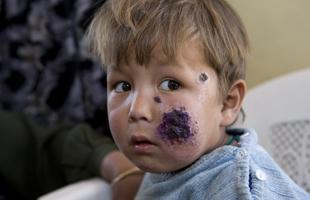
Leishmaniasis: Caused by Leishmania species, transmitted by sand flies. Cutaneous form causes scarring; visceral form is fatal if untreated.
Chagas Disease: Caused by Trypanosoma cruzi, transmitted by kissing bugs. Damages the heart and can be fatal.
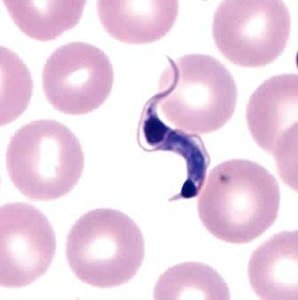
Human African Trypanosomiasis (Sleeping Sickness): Caused by Trypanosoma brucei, transmitted by tsetse flies. Untreated cases are almost always fatal.
Helminthic NTDs
Helminthic NTDs are caused by parasitic worms and are among the most common infections worldwide, especially in children.
Guinea Worm Disease (Dracunculiasis): Caused by Dracunculus medinensis. Transmitted via contaminated water. The worm emerges through the skin, causing severe pain.
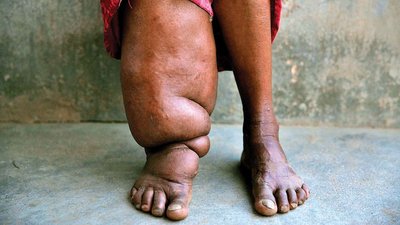
Lymphatic Filariasis (Elephantiasis): Caused by filarial worms (mainly Wuchereria bancrofti), transmitted by mosquitoes. Causes severe swelling of limbs and disability.
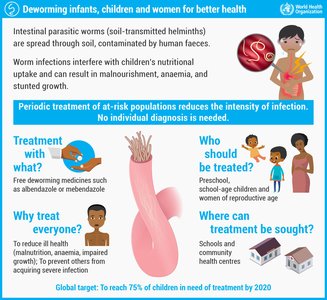
Soil-Transmitted Helminthiases: Includes roundworm (Ascaris), hookworm, and whipworm. Transmitted via contaminated soil. Causes malnutrition and impaired development in children.
Schistosomiasis: Caused by Schistosoma species (flatworms). Transmitted by contact with contaminated water. Leads to organ damage and can be treated for as little as $0.20 per person.
River Blindness (Onchocerciasis): Caused by Onchocerca volvulus, transmitted by blackflies. Causes severe itching, skin conditions, and blindness.
Cysticercosis/Neurocysticercosis: Caused by Taenia solium (pork tapeworm). Acquired by ingesting contaminated pork or food. Leading cause of acquired epilepsy in developing countries.

Control, Prevention, and Eradication Efforts
Global Initiatives and Success Stories
Significant progress has been made in controlling and eliminating some NTDs through coordinated global efforts, pharmaceutical donations, and public health campaigns.
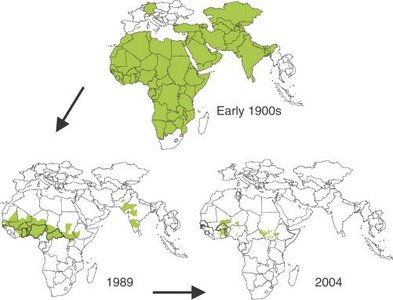
Guinea Worm Eradication: Cases have dropped from 3.5 million in 1986 to just 13 in 2024, making it likely to be the second human disease eradicated after smallpox.
Drug Donation Programs: Millions of treatments have been distributed for diseases such as lymphatic filariasis, onchocerciasis, and soil-transmitted helminths.
Cost-Effective Interventions: Many NTDs can be treated or prevented at low cost, such as mass drug administration and improved sanitation.
Summary Table: Major NTDs, Pathogens, and Transmission
Disease | Pathogen | Transmission | Main Symptoms/Impact |
|---|---|---|---|
Buruli Ulcer | Mycobacterium ulcerans | Environmental exposure | Skin ulcers, bone damage |
Leprosy | Mycobacterium leprae | Person-to-person | Nerve damage, loss of sensation |
Trachoma | Chlamydia trachomatis | Direct/indirect contact | Blindness |
Rabies | Rabies virus | Animal bites | Fatal encephalitis |
Dengue | Dengue virus | Mosquitoes | Fever, hemorrhage |
Leishmaniasis | Leishmania spp. | Sand flies | Skin ulcers, organ damage |
Chagas Disease | Trypanosoma cruzi | Kissing bugs | Heart damage |
Guinea Worm | Dracunculus medinensis | Contaminated water | Painful worm emergence |
Lymphatic Filariasis | Wuchereria bancrofti | Mosquitoes | Limb swelling |
Schistosomiasis | Schistosoma spp. | Contaminated water | Organ damage |
Conclusion
Neglected Tropical Diseases remain a major global health challenge, but coordinated efforts have shown that control and even eradication are possible. Continued investment in public health infrastructure, drug distribution, and education is essential to break the cycle of poverty and disease.
