 Back
BackNeisseria and Clostridium: Identification, Growth, and Clinical Relevance
Study Guide - Smart Notes
 Tailored notes based on your materials, expanded with key definitions, examples, and context.
Neisseria
General Characteristics of Neisseria
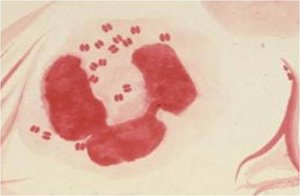
The genus Neisseria consists of gram-negative cocci that typically occur in pairs (diplococci) with flattened adjacent sides. Two species, N. gonorrhoeae and N. meningitidis, are significant human pathogens. These bacteria possess several virulence factors, including pili and adhesins for adherence, endotoxin production, and mechanisms to resist destruction within phagocytes. N. meningitidis also produces a capsule, enhancing its resistance to phagocytic engulfment. Neisseria species are fastidious, requiring enriched media and increased CO2 for laboratory growth. Nonpathogenic species, such as N. sicca, N. subflava, N. flavescens, and N. mucosa, are commonly found in the respiratory tract.
Gram-negative diplococci: Characteristic paired arrangement with flattened sides.
Pathogenic species: N. gonorrhoeae (causes gonorrhea), N. meningitidis (causes meningitis).
Virulence factors: Pili, adhesins, endotoxins, and (for N. meningitidis) a capsule.
Growth requirements: Fastidious; require enriched media and high CO2 atmosphere.
Laboratory Identification of Neisseria
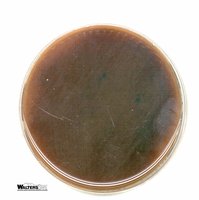
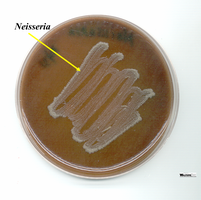
Isolation and identification of Neisseria species from clinical samples, such as throat swabs, involve the use of specialized media and biochemical tests. Chocolate agar is the preferred medium, prepared by heating a nutrient-rich base and adding defibrinated sheep red blood cells at 80°C, which lyses the cells and releases hemoglobin, giving the medium its characteristic brown color. Cultures are incubated in a candle jar to provide increased CO2 levels.
Chocolate agar: Enriched medium essential for Neisseria growth.
Incubation: Candle jar used to create a CO2-rich environment.
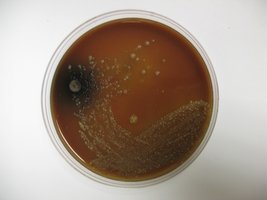
Colony morphology: Small, raised, grayish-white colonies are typical.
Oxidase Test for Neisseria
The oxidase test is a key biochemical assay for the presumptive identification of Neisseria species. These bacteria produce cytochrome oxidase, which catalyzes the transfer of electrons to oxygen. The test reagent, tetramethyl-p-phenylenediamine HCl, acts as an artificial electron donor and turns purple to black upon oxidation, indicating a positive result.
Purpose: Differentiates Neisseria (oxidase positive) from other genera.
Procedure: Apply reagent to colony; positive result is a color change to purple/blue-black.
Interpretation: Positive oxidase test supports identification of Neisseria.
Clinical Laboratory Workflow for Neisseria
The typical workflow for isolating and identifying Neisseria from throat swabs includes streaking chocolate agar plates, incubating in a candle jar, observing colony morphology, performing the oxidase test, and confirming with Gram stain.
Sample collection: Throat swab from patient.
Streak plate technique: Used to isolate individual colonies.
Incubation: 37°C in a CO2-enriched environment.
Presumptive identification: Oxidase test and colony morphology.
Confirmation: Gram stain for diplococci.
Clostridium
General Characteristics of Clostridium
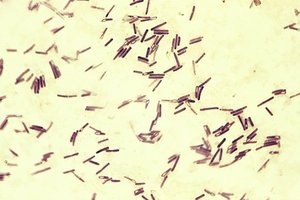
The genus Clostridium comprises gram-positive, rod-shaped bacteria that are obligate anaerobes and capable of forming endospores. Most species produce potent toxins. Notable pathogens include C. botulinum (botulism), C. perfringens (gas gangrene, food poisoning), and C. difficile (pseudomembranous colitis).
Gram-positive bacilli: Rod-shaped morphology.
Obligate anaerobes: Cannot grow in the presence of oxygen.
Endospore formation: Allows survival in harsh environments.
Toxin production: Responsible for disease manifestations.
Clinical Relevance: Botulism and Other Diseases
Botulism is a neuroparalytic disease caused by ingestion of Clostridium botulinum toxin. In infants, ingestion of spores (often from honey) can lead to colonization and toxin production in the gut, resulting in 'floppy baby syndrome' due to neurotoxin-mediated paralysis. Other important species include C. perfringens (gas gangrene, food poisoning) and C. difficile (antibiotic-associated colitis).
Botulism: Flaccid paralysis due to neurotoxin binding acetylcholine receptors.
Transmission: Ingestion of spores (e.g., in honey) is a risk for infants.
Other diseases: Gas gangrene, pseudomembranous colitis.
Laboratory Identification and Culture of Clostridium
Because Clostridium species are obligate anaerobes, their isolation requires specialized anaerobic culture techniques and selective media. Common methods include the use of SPS (Sulfite Polymyxin Sulfadiazine) agar, Brewer's anaerobic jar, and thioglycollate medium.
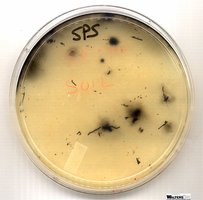
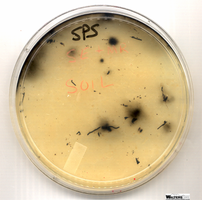
SPS agar: Selective for Clostridium (inhibits most other bacteria), differential for H2S production (black colonies).
Brewer's jar: Sealed jar with Gas Pak to remove oxygen; anaerobic indicator confirms O2 absence.
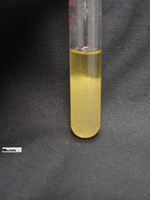
Thioglycollate medium: Contains reducing agents and an oxygen indicator; supports growth of anaerobes in lower tube regions.
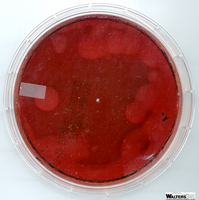
Blood agar: Used to observe hemolysis patterns (double zone: inner beta, outer alpha hemolysis).

Interpretation of Anaerobic Culture Results
Growth patterns in thioglycollate broth help distinguish between obligate anaerobes, obligate aerobes, microaerophiles, and facultative anaerobes. On SPS agar, black colonies indicate H2S production by Clostridium. Blood agar reveals hemolysis types, aiding in species identification.
Thioglycollate broth: Obligate anaerobes grow at the bottom; obligate aerobes at the top; microaerophiles just below the surface; facultative anaerobes throughout.
SPS agar: Black colonies indicate H2S production.
Blood agar: Double zone of hemolysis is characteristic for some Clostridium species.
Summary Table: Key Features of Neisseria and Clostridium
Feature | Neisseria | Clostridium |
|---|---|---|
Gram Stain | Negative (diplococci) | Positive (rods) |
Oxygen Requirement | Aerobic/facultative | Obligate anaerobe |
Key Diseases | Gonorrhea, Meningitis | Botulism, Gas gangrene, Colitis |
Diagnostic Media | Chocolate agar | SPS agar, Thioglycollate, Blood agar |
Key Test | Oxidase positive | H2S production, Hemolysis |
