 Back
BackNervous System Infections: Bacterial, Fungal, Protozoal, and Prion Diseases
Study Guide - Smart Notes
 Tailored notes based on your materials, expanded with key definitions, examples, and context.
Bacterial Nervous System Infections of the Peripheral Nervous System (PNS)
Overview of PNS Infections
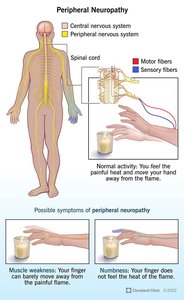
The peripheral nervous system (PNS) rarely serves as a long-term host for bacteria, but when infection occurs, it can severely impair sensory and motor neuron function while the central nervous system (CNS) remains intact.
Key Point: PNS infections can result in muscle weakness or numbness, leading to symptoms such as inability to move away from harmful stimuli.
Example: Peripheral neuropathy can cause muscle weakness or numbness, affecting reflexes and sensation.
Hansen’s Disease (Leprosy)
Etiology and Characteristics
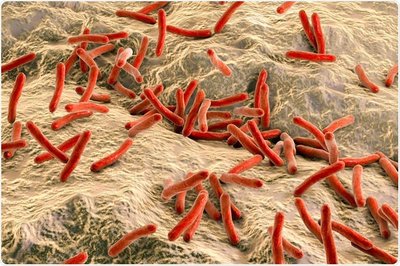
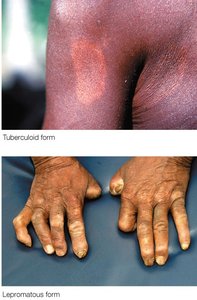
Hansen’s Disease, also known as leprosy, is caused by Mycobacterium leprae, an acid-fast bacillus with an optimal growth temperature of 30–35°C. The disease manifests in two main forms: tuberculoid (paucibacillary) and lepromatous (multibacillary).
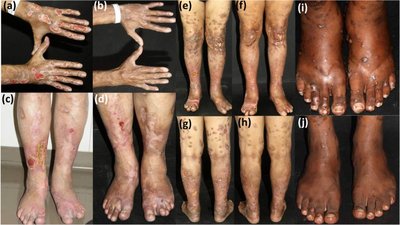
Key Point: Tuberculoid leprosy is less contagious, causes localized sensory loss, and is easier to treat. Lepromatous leprosy is more contagious, causes irreversible tissue damage, and can result in bone and cartilage decay.
Example: WHO estimated 212,000 global cases in 2015.
Transmission, Signs, and Symptoms
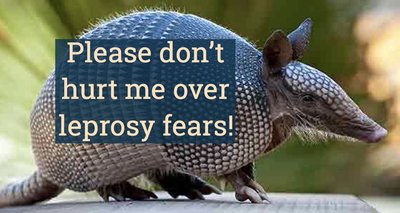
Leprosy transmission is not fully understood but may occur via the respiratory route. The disease does not spread easily among humans; armadillos are known natural carriers. Leprosy damages the skin, peripheral nerves, and mucosal tissues in the eyes and respiratory tract.
Key Point: Armadillos are a zoonotic reservoir for M. leprae due to their lower body temperature.
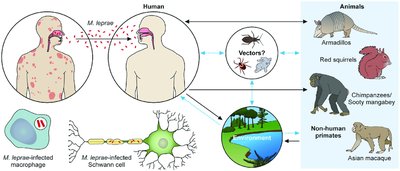
Mechanism, Complications, and Treatment
M. leprae thrives in cooler body regions, explaining its confinement to the PNS. The form of leprosy developed depends on the host's immune response. Untreated lepromatous leprosy is often fatal. Treatment involves multidrug therapy.
Key Point: Early treatment is crucial to prevent irreversible damage and fatality.
Bacterial Nervous System Infections: Neurotoxins
Exotoxins and Endotoxins
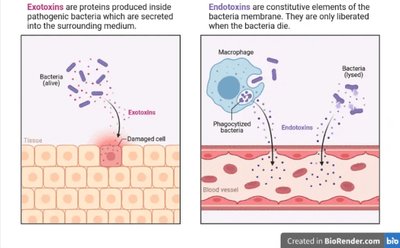
Certain bacteria cause neurological disease primarily through the secretion of potent neurotoxins. Exotoxins are secreted proteins, while endotoxins are components of the bacterial membrane released upon cell lysis.
Key Point: Neurotoxins are among the most dangerous toxins known to humans.
Botulism
Etiology, Transmission, and Symptoms
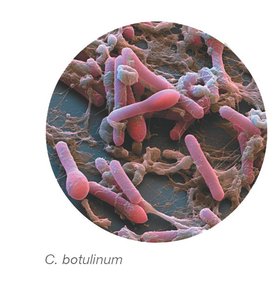
Botulism is caused by Clostridium botulinum, a Gram-positive, rod-shaped anaerobe that forms endospores and produces extremely potent neurotoxins. Transmission occurs via contaminated soil, honey, and improperly canned foods. The toxin causes flaccid paralysis, leading to difficulty breathing and speaking.
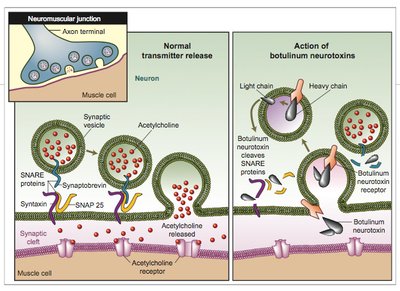
Key Point: Botulinum toxin blocks acetylcholine release, preventing muscle contraction.
Example: Infant botulism can result from honey consumption; foodborne botulism is linked to canned vegetables.
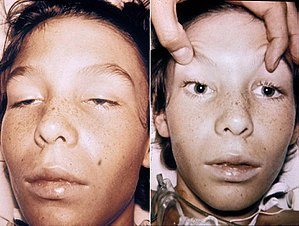
Mechanism of Disease
The botulinum toxin inhibits the release of acetylcholine at neuromuscular junctions, resulting in flaccid paralysis.
Prevention and Treatment
Key Point: Children under 1 year should not be fed honey; avoid improperly canned foods.
Treatment: Antibiotics and supportive care.
Tetanus
Etiology, Transmission, and Symptoms
Tetanus, or "lock jaw," is caused by Clostridium tetani, which produces the neurotoxin tetanospasmin. The bacterium is found in soil and infects through deep puncture wounds. Tetanus causes spastic paralysis, where muscles contract and cannot relax.
Key Point: Tetanospasmin blocks inhibitory neurotransmitter release, leading to continuous muscle contraction.
Example: Patients may be unable to open their mouths (trismus).


Mechanism of Disease
Tetanospasmin travels via peripheral motor neurons to the spinal cord, where it blocks inhibitory neurotransmitter release, resulting in spastic paralysis.
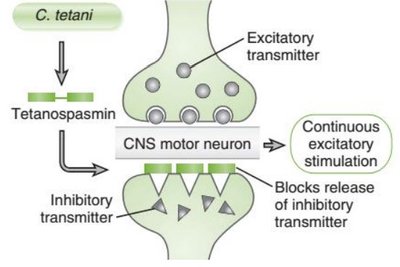
Prevention and Treatment
Key Point: Vaccination (DTaP or Tdap) is highly effective in preventing tetanus.
Treatment: Supportive care, wound cleaning, and breathing assistance.
Comparison of Botulism and Tetanus Paralysis
Condition | Type of Paralysis | Mechanism |
|---|---|---|
Botulism | Flaccid paralysis | Blocks acetylcholine release (no muscle contraction) |
Tetanus | Spastic paralysis | Blocks inhibitory neurotransmitter release (no muscle relaxation) |
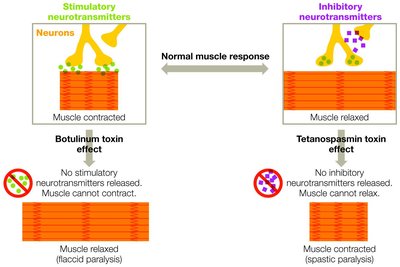
Fungal Nervous System Infections
Overview
Fungal infections of the nervous system are rare in healthy individuals but more common in immunocompromised patients. Fungal spores are ubiquitous in the environment, making prevention difficult.
Key Point: Only a few fungi are primary pathogens for healthy hosts.

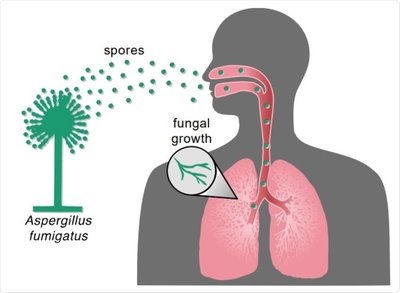
Cryptococcosis
Caused by Cryptococcus neoformans, a yeast-like fungus that forms resistant spores. It primarily affects immunocompromised individuals and is a leading cause of death in HIV/AIDS patients. Transmission occurs via inhalation of aerosolized bird droppings.
Key Point: The fungus can invade the CNS after infecting the lungs and macrophages.
Treatment: Amphotericin B and flucytosine for severe cases.
Protozoal Nervous System Infections
Overview
Protozoans are single-celled eukaryotic parasites with complex life cycles. Some, such as flagellated and amoeboid protozoans, can cause neurological symptoms in humans.
African Sleeping Sickness
Caused by Trypanosoma brucei, transmitted by the tsetse fly. Two subspecies cause disease: T. b. rhodesiense (acute, rapid) and T. b. gambiense (chronic, 98% of cases). The disease is fatal if untreated.
Key Point: The parasite crosses the blood-brain barrier, causing sleep disturbances and neurological decline.
Primary Amoebic Meningoencephalitis (PAM)
Caused by Naegleria fowleri, the "brain-eating amoeba." Infection is rare but almost always fatal, typically acquired by swimming in warm, stagnant water. The amoeba enters through the nasal passages and migrates to the brain.
Key Point: Symptoms progress rapidly from headache and fever to coma and death.
Granulomatous Amebic Encephalitis
Caused by Acanthamoeba spp. and Balamuthia mandrillaris. The disease has a longer incubation period (3–24 months) but is also almost always fatal.
Toxoplasmosis
Caused by Toxoplasma gondii, an apicomplexan protist. Cats are the definitive host. Transmission occurs via cat feces, contaminated water, undercooked meat, or congenitally. Most infections are asymptomatic, but immunocompromised individuals and fetuses are at risk for severe disease.
Key Point: In immunocompromised patients, cysts rupture and tachyzoites damage brain tissue, causing encephalitis.
Treatment: Pyrimethamine and sulfadiazine (do not eliminate all cysts).
Prion Nervous System Infections
Transmissible Spongiform Encephalopathy (TSE)
Prion diseases are caused by infectious proteins (prions) that induce abnormal folding of normal cellular proteins in the brain. Examples include Creutzfeldt-Jakob disease (CJD), bovine spongiform encephalopathy (BSE, "mad cow disease"), and chronic wasting disease (CWD).
Key Point: Prions cause a fatal cascade, leading to sponge-like brain tissue and neurological decline.
Transmission: vCJD is linked to consumption of contaminated beef; classic CJD is usually spontaneous.
Summary & Review
Understand the structure and defenses of the CNS and PNS.
Know the unique characteristics of each microorganism causing nervous system infections.
Review vocabulary such as meninges, cerebrospinal fluid, meningitis, encephalitis, flaccid and spastic paralysis, and zoonosis.
