Back
BackNervous System Infections: Microbiology and Clinical Principles
Study Guide - Smart Notes
 Tailored notes based on your materials, expanded with key definitions, examples, and context.
Nervous System Infections
Overview of Nervous System Structure and Defenses
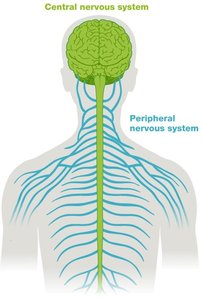
The nervous system is divided into the central nervous system (CNS) and peripheral nervous system (PNS), each with specialized structures and defenses. Understanding these divisions is crucial for recognizing how infections impact neurological function.
Central Nervous System (CNS): Composed of the brain and spinal cord; integrates information and coordinates responses.
Peripheral Nervous System (PNS): Consists of nerves that transmit signals to and from the CNS.
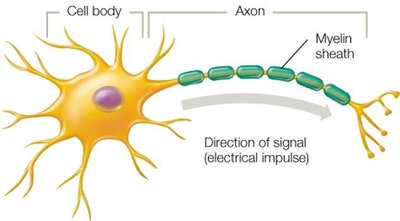
Neuron: The primary cell type responsible for transmitting electrical and chemical signals throughout the nervous system.
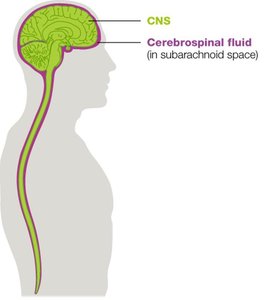
Cerebrospinal Fluid (CSF): Cushions and nourishes the CNS, providing protection against physical shock.
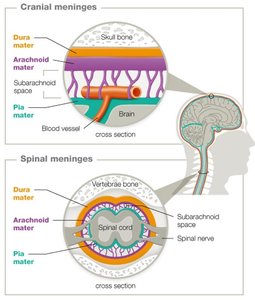
Meninges: Three protective tissue layers (dura mater, arachnoid mater, pia mater) surrounding the CNS.
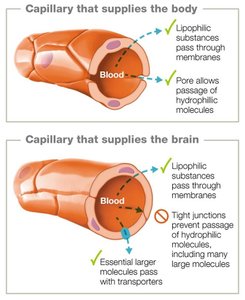
Blood–Brain Barrier (BBB): Specialized capillaries that restrict passage of most substances from the blood into the CNS, protecting it from pathogens and toxins.
Meningitis: Inflammation of the meninges.
Encephalitis: Inflammation of the brain tissue.
Specialized Cells and Signal Transmission
Neurons are specialized for rapid signal transmission. They communicate via electrical impulses and chemical messengers called neurotransmitters.
Sensory Neurons: Carry input signals to the CNS (afferent).
Motor Neurons: Transmit output signals from the CNS to effectors (efferent).
Interneurons: Facilitate communication within the CNS and between CNS and PNS.
Neurotransmitters: Chemicals released at synapses to propagate signals between neurons.
Microbiota and the Nervous System
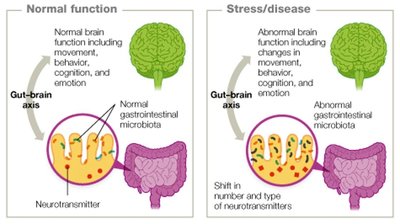
The nervous system is unique in that it contains no normal resident microbiota. Any microbial presence is considered abnormal and potentially pathogenic. However, the gut microbiota can influence nervous system function via the gut-brain axis.
Gut-Brain Axis: Communication pathway between the gastrointestinal tract and the brain, influenced by neurotransmitters and microbial metabolites.
Defenses of the Nervous System
The CNS is protected by multiple barriers and fluids that prevent infection and physical damage.
Meninges: Three layers (dura mater, arachnoid mater, pia mater) that provide structural support and protection.
Cerebrospinal Fluid (CSF): Circulates in the subarachnoid space, cushioning the brain and spinal cord.
Blood–Brain Barrier (BBB): Endothelial cells with tight junctions restrict passage of pathogens and large molecules.
Infections of the Nervous System
Types of Infections
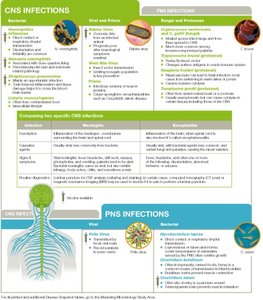
When the defenses of the nervous system are breached, infections can occur in both the CNS and PNS. The most common conditions are meningitis (meningeal inflammation) and encephalitis (brain inflammation).
Condition | Location | Causative Agents | Signs & Symptoms | Diagnosis | Prevention & Treatment |
|---|---|---|---|---|---|
Meningitis | Meninges | Usually viral (nonpolio enteroviruses, herpes simplex); bacterial (Streptococcus pneumoniae, Neisseria meningitidis, Haemophilus influenzae) | Fever, headache, stiff neck, nausea, photophobia, vomiting; bacterial forms more severe | Lumbar puncture for CSF analysis, CT/MRI | Vaccines for some bacteria; antibiotics for bacterial forms |
Encephalitis | Brain | Usually viral (herpes simplex virus 1, arboviruses); rare bacteria, fungi, parasites | Fever, headache, disorientation, abnormal behavior, seizures | Lumbar puncture for CSF analysis, CT/MRI | Supportive care; antibiotics for bacterial forms |
Viral Nervous System Infections
Viruses are the most common cause of nervous system infections due to their small size and ability to cross the blood-brain barrier.
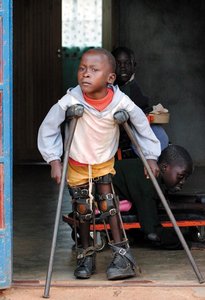
Poliomyelitis (Polio): Caused by poliovirus (Picornaviridae), transmitted fecal-orally. Most cases are mild, but severe cases can cause paralysis. Prevention is via Salk (IPV) and Sabin (OPV) vaccines.
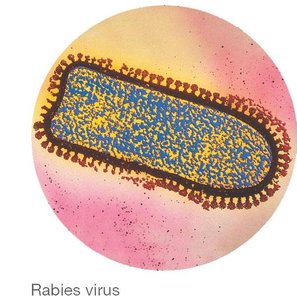
Rabies: Caused by rabies virus (Rhabdoviridae), transmitted by animal bites. After a long incubation, neurological symptoms develop, and the disease is almost always fatal without postexposure prophylaxis.
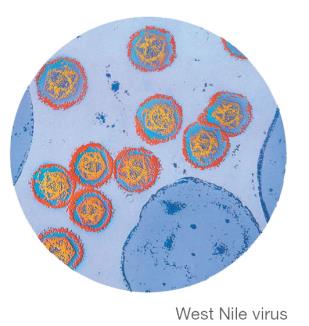
Arboviral Encephalitis: Caused by arboviruses (e.g., West Nile, La Crosse), transmitted by mosquitoes or ticks. Humans are dead-end hosts. Symptoms range from mild flu-like illness to severe neurological disease.
Bacterial Nervous System Infections
Bacterial infections of the CNS are less common but more severe than viral infections. Rapid diagnosis and treatment are critical.
Test/Observation | Bacterial Meningitis | Viral Meningitis |
|---|---|---|
Lumbar Puncture Pressure | High | Low/Normal |
WBC Count in CSF | High (>300/mm3, mostly neutrophils) | Elevated, but lower (<300/mm3, mostly lymphocytes) |
CSF Protein | High | High |
CSF Glucose | Low (except Listeria) | Normal |
Haemophilus Meningitis: Caused by Haemophilus influenzae type b. Preventable by Hib vaccine.
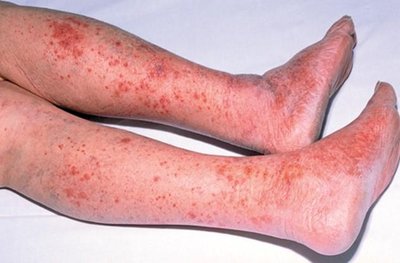
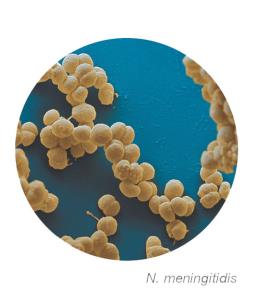
Meningococcal Meningitis: Caused by Neisseria meningitidis. Characterized by a petechial rash. Preventable by conjugate and polysaccharide vaccines.
Pneumococcal Meningitis: Caused by Streptococcus pneumoniae. Leading cause of bacterial meningitis in children and elderly. Preventable by PCV13 and PPSV23 vaccines.
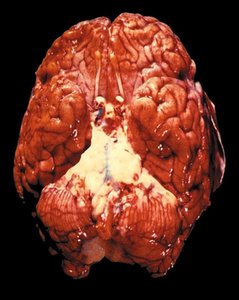
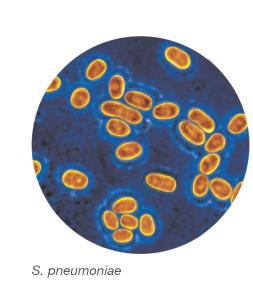
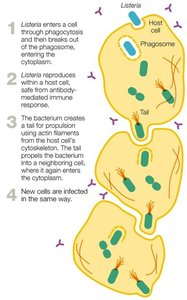
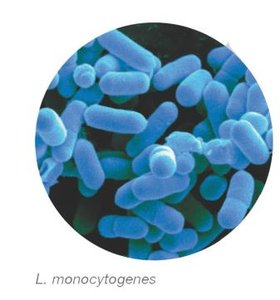
Listeria Meningitis (Listeriosis): Caused by Listeria monocytogenes, a foodborne pathogen. Especially dangerous for neonates, elderly, and immunocompromised.
Hansen’s Disease (Leprosy): Caused by Mycobacterium leprae. Affects the PNS, leading to sensory loss and tissue damage.
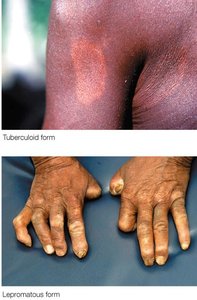
Bacterial Neurotoxins
Certain bacteria cause neurological symptoms primarily through the production of potent neurotoxins.
Botulism: Caused by Clostridium botulinum. The botulinum toxin blocks acetylcholine release, causing flaccid paralysis.
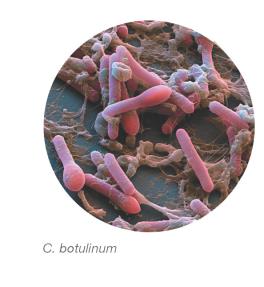
Tetanus: Caused by Clostridium tetani. The tetanospasmin toxin blocks inhibitory neurotransmitter release, causing spastic paralysis.

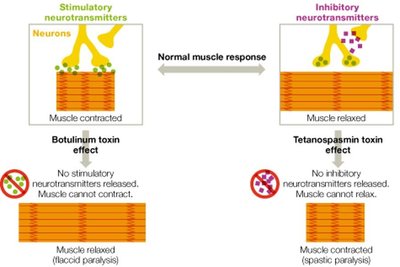
Fungal Nervous System Infections
Fungal infections of the CNS are rare and usually affect immunocompromised individuals.
Cryptococcosis: Caused by Cryptococcus neoformans, a yeast-like fungus. Inhaled spores can lead to meningitis, especially in HIV/AIDS patients.
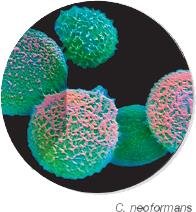
Protozoan Nervous System Infections
Protozoan infections of the nervous system are rare but often fatal.
African Sleeping Sickness: Caused by Trypanosoma brucei, transmitted by tsetse flies. Progresses from blood to CNS, causing sleep disturbances and death if untreated.
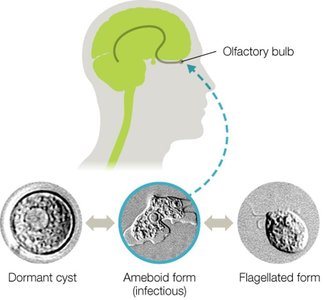
Primary Amoebic Meningoencephalitis (PAM): Caused by Naegleria fowleri, a thermophilic amoeba. Infection occurs via nasal passages during water exposure and is almost always fatal.
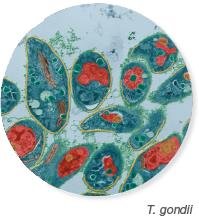
Toxoplasmosis: Caused by Toxoplasma gondii, a protozoan. Cats are the definitive host. Infection is usually asymptomatic but can cause severe disease in immunocompromised and pregnant women.
Prion Diseases
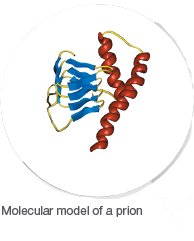
Prions are infectious proteins that cause fatal neurodegenerative diseases known as transmissible spongiform encephalopathies (TSEs).
Creutzfeldt-Jakob Disease (CJD): Spontaneous or acquired via contaminated tissue. Causes rapid neurological decline and death.
Variant CJD (vCJD): Linked to consumption of BSE-contaminated beef.
Mechanism: Prions induce misfolding of normal proteins, leading to neuronal death and spongiform brain appearance.
Visual Summary