Back
BackNervous System Infections: Structure, Defenses, and Microbial Diseases
Study Guide - Smart Notes
 Tailored notes based on your materials, expanded with key definitions, examples, and context.
Nervous System Structure and Defenses
Central and Peripheral Nervous Systems
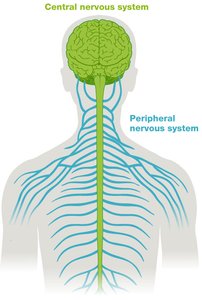
The nervous system is divided into the central nervous system (CNS) and the peripheral nervous system (PNS). The CNS consists of the brain and spinal cord, while the PNS includes all neural elements outside the CNS. The CNS processes information and coordinates activity, while the PNS transmits signals between the CNS and the rest of the body.
CNS: Brain and spinal cord; responsible for integrating sensory information and responding accordingly.
PNS: Nerves outside the CNS; connects the CNS to limbs and organs.
Neurons: Structure and Function
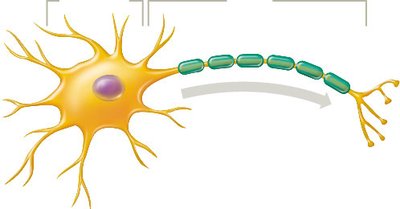
Neurons are the primary cells of the nervous system, specialized for transmitting electrical and chemical signals. Each neuron consists of a cell body, dendrites, and an axon covered by a myelin sheath, which increases the speed of signal transmission.
Cell body: Contains the nucleus and organelles.
Axon: Conducts electrical impulses away from the cell body.
Myelin sheath: Insulates the axon, speeding up signal transmission.
Microbiota and the Gut-Brain Axis
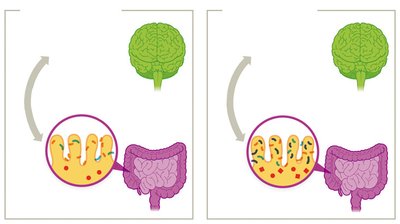
Although the nervous system lacks resident microbiota, microbes in the gastrointestinal tract can influence brain function through the gut-brain axis. Changes in gut microbiota composition can affect neurotransmitter levels, impacting movement, behavior, cognition, and emotion.
Normal microbiota: Supports healthy brain function.
Dysbiosis: Abnormal microbiota can disrupt neurotransmitter balance, leading to neurological symptoms.
Meninges and Cerebrospinal Fluid
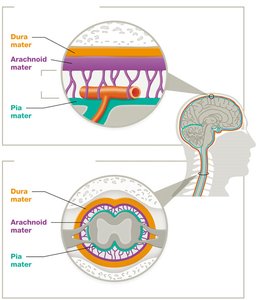
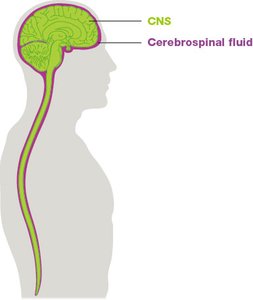
The meninges are three protective membranes (dura mater, arachnoid mater, pia mater) that surround the brain and spinal cord. Cerebrospinal fluid (CSF) circulates in the subarachnoid space, cushioning the CNS and removing waste.
Dura mater: Outermost, tough layer.
Arachnoid mater: Middle, web-like layer.
Pia mater: Innermost, delicate layer adhering to the CNS surface.
CSF: Provides mechanical protection and nutrient transport.
Blood–Brain Barrier
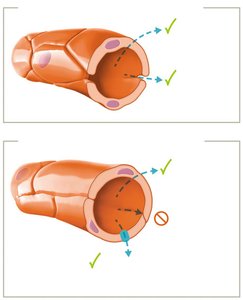
The blood–brain barrier (BBB) is a selective barrier formed by endothelial cells with tight junctions, restricting the passage of substances from the bloodstream into the CNS. Lipophilic molecules can pass freely, while hydrophilic and large molecules require specific transporters.
Function: Protects the brain from pathogens and toxins.
Clinical relevance: Limits drug delivery to the CNS and restricts immune cell entry.
Clinical Vocabulary: CNS Inflammation
Meningitis: Inflammation of the meninges.
Encephalitis: Inflammation of the brain.
Meningoencephalitis: Inflammation of both the meninges and brain.
Viral Nervous System Infections
Poliomyelitis (Polio)
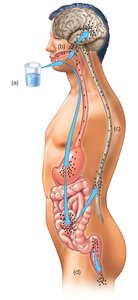
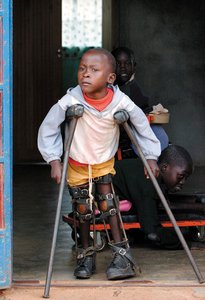
Poliovirus (Picornaviridae family) is a small, non-enveloped RNA virus transmitted via the fecal-oral route. Most infections are mild, but in some cases, the virus invades the CNS, causing muscle weakness and paralysis. Recovery depends on the extent of neuronal damage.
Prevention: Inactivated polio vaccine (IPV) and oral polio vaccine (OPV).
IPV: Used in the U.S.; requires boosters.
OPV: Live attenuated; not for immunocompromised individuals due to risk of viral reversion.
Rabies
Rabies virus (Rhabdoviridae family) is an enveloped, single-stranded RNA virus transmitted by animal bites (zoonosis). After initial symptoms (fever, nausea, paraesthesia), neurological symptoms develop, including pharyngeal spasms, confusion, and hydrophobia. Without treatment, coma and death follow.
Treatment: Antirabies antibodies and inactivated vaccine.
Prevention: Vaccination of pets and at-risk individuals.
Arboviral Encephalitis and Meningitis
Arboviruses (e.g., West Nile virus) are enveloped, single-stranded RNA viruses transmitted by arthropods such as mosquitoes and ticks. They initially cause flulike symptoms, then may invade the CNS, breaking down the blood-brain barrier and causing severe neurological disease.
Treatment: Supportive care only; no specific cure.
Prevention: Vector control; no approved vaccines for most arboviruses.
Bacterial Nervous System Infections
Bacterial Meningitis: Overview and Diagnosis
Bacterial meningitis is a rapidly progressing infection of the meninges, requiring immediate treatment. Diagnosis often involves lumbar puncture and analysis of cerebrospinal fluid (CSF).
Test/Observation | Bacterial Meningitis | Viral Meningitis |
|---|---|---|
Lumbar puncture pressure | High | Low or none |
WBC count | High (>300/mm3), mostly neutrophils (lymphocytes in Listeria) | Elevated, but <300/mm3, mostly lymphocytes |
CSF protein | High | High |
CSF glucose | Low (normal in Listeria in >60% cases) | Normal |
Haemophilus Meningitis
Haemophilus influenzae is a Gram-negative bacterium causing sudden fever, headache, stiff neck, and confusion. Untreated, mortality approaches 100%. Treated with antibiotics; prevented by the Hib vaccine.
Meningococcal Meningitis
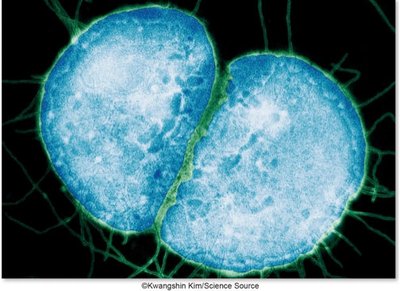
Neisseria meningitidis is a Gram-negative, aerobic, capsule-forming diplococcus. It is part of the normal microbiota in 10% of people but can cause outbreaks via respiratory droplets. Symptoms include rapid-onset fever, sore throat, headache, stiff neck, convulsions, vomiting, and a petechial rash that can progress to larger lesions. Untreated, death can occur within hours.
Treatment: Antibiotics.
Prevention: Conjugate, polysaccharide, and serotype B vaccines.
Pneumococcal Meningitis
Streptococcus pneumoniae is a Gram-positive, facultative anaerobe. It is an opportunistic pathogen causing fever, chills, headache, confusion, agitation, vomiting, and stiff neck/back. Treated with penicillin or other antibiotics for resistant strains. Prevented by PCV7, PCV13, and PPSV23 vaccines.
Listeria Meningitis (Listeriosis)
Listeria monocytogenes is a Gram-positive bacillus capable of growing at various pH and temperatures. It is transmitted via contaminated food and is an intracellular pathogen. In healthy adults, symptoms are mild, but in vulnerable populations, it can cause severe CNS infections. Prevention includes pasteurization and proper cooking; treated with antibiotics like ampicillin.
Hansen’s Disease (Leprosy)
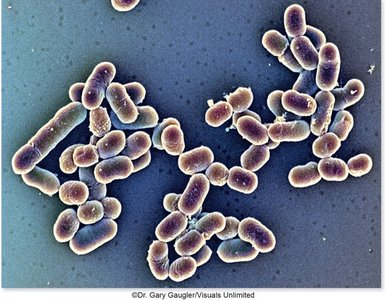
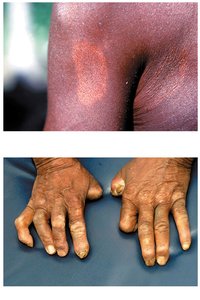
Mycobacterium leprae is an acid-fast bacillus causing damage to skin, peripheral nerves, and mucosal tissues. The tuberculoid form is less contagious and causes localized sensory loss, while the lepromatous form is more severe, causing irreversible tissue damage and deformities. Treated with multidrug therapy.
Botulism
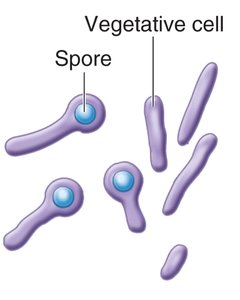
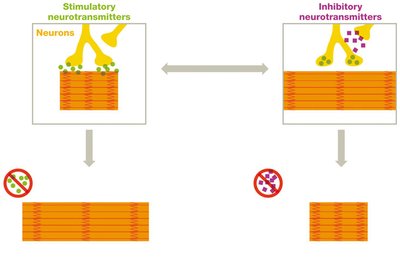
Clostridium botulinum is a Gram-positive, rod-shaped anaerobe that produces neurotoxins and forms endospores. Transmission occurs via ingestion of contaminated food or wound entry. The botulinum toxin blocks acetylcholine release, causing flaccid paralysis. Treated with antibiotics; prevention includes avoiding honey in infants and improperly canned foods.
Tetanus ("Lock-jaw")
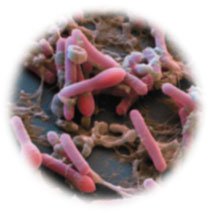
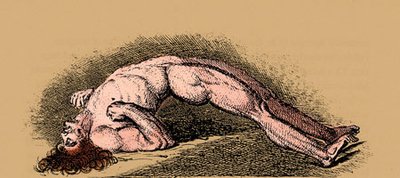
Clostridium tetani is a Gram-positive, bacillus-shaped anaerobe producing tetanospasmin. It enters through deep wounds and causes spastic paralysis by blocking inhibitory neurotransmitter release. Symptoms include intense muscle spasms and inability to relax muscles. Treated with supportive care; prevented by DTaP or Tdap vaccines.
Other Nervous System Infections
Cryptococcosis
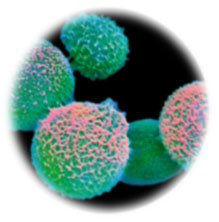
Cryptococcus neoformans is a yeast-like fungus with resistant spores, transmitted via inhalation of aerosolized bird droppings. It causes flulike symptoms and can lead to CNS infection. Treated with antifungal drugs; no effective prevention.
African Sleeping Sickness
Trypanosoma brucei is a protozoan transmitted by the tsetse fly. It causes a chancre at the bite site, fever, headache, swollen lymph nodes, and, if untreated, fatal CNS involvement. Treated with chemotherapy; prevented by vector control.
Primary Amoebic Meningoencephalitis (PAM)
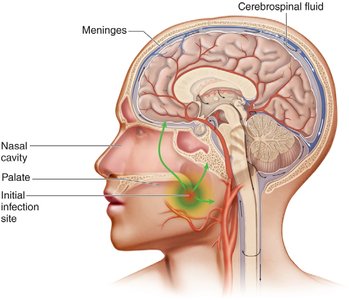
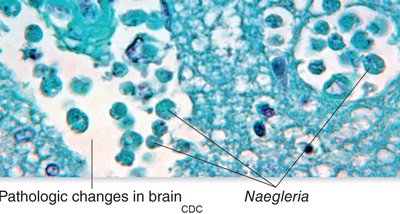
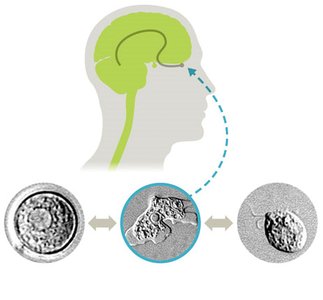
Naegleria fowleri is a thermophilic protozoan found in warm water. Infection occurs via the nasal passages, with the amoeba traveling up the olfactory nerves to the brain. Symptoms progress rapidly to death. Acanthamoeba causes similar but slower disease.
Toxoplasmosis
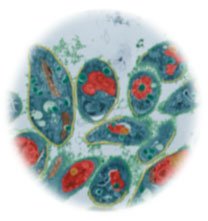
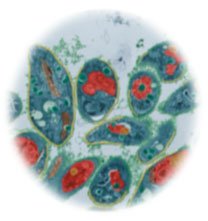
Toxoplasma gondii is a protozoan with cats as the definitive host. Transmission occurs via cat feces, contaminated water, undercooked meat, or congenitally. Most infections are asymptomatic, but immunocompromised individuals and fetuses are at risk for severe CNS disease. Prevention includes avoiding litter box cleaning during pregnancy.
Transmissible Spongiform Encephalopathies (Prion Diseases)
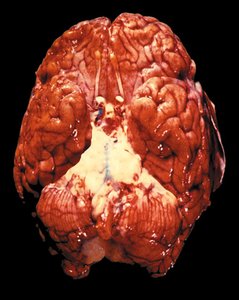
Prions are infectious proteins causing neurodegenerative diseases such as variant Creutzfeldt-Jakob disease (vCJD). Transmission can occur via consumption of contaminated beef. Symptoms include personality changes, memory loss, and motor dysfunction, with a sponge-like appearance of brain tissue post-mortem. No treatment or prevention is available.