 Back
BackChapter 14
Study Guide - Smart Notes
 Tailored notes based on your materials, expanded with key definitions, examples, and context.
Normal Flora and Symbiosis
Introduction to the Human Microbiome
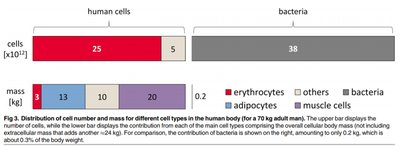
The human body is a complex ecosystem, hosting a vast community of microorganisms collectively known as the microbiota or normal flora. These microbes inhabit various body sites and play crucial roles in health and disease. Recent studies estimate that bacterial cells outnumber human cells in the body, highlighting the importance of understanding our microbial partners.
Human cells: Include erythrocytes, adipocytes, muscle cells, and others.
Bacterial cells: Comprise a significant portion of the total cell count in the human body.
Sites of Normal Microbiota Colonization
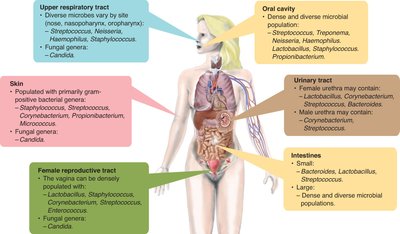
Normal microbiota colonize specific body sites, each with characteristic microbial populations. These communities are adapted to the local environment and contribute to host health.
Skin: Dominated by gram-positive bacteria such as Staphylococcus and Micrococcus.
Oral cavity: Contains diverse bacteria including Streptococcus and Neisseria.
Upper respiratory tract: Populated by Streptococcus, Haemophilus, and others.
Intestines: Densely populated with Bacteroides, Lactobacillus, and more.
Urinary and reproductive tracts: Harbor Lactobacillus, Corynebacterium, and others.
Types of Symbiotic Relationships
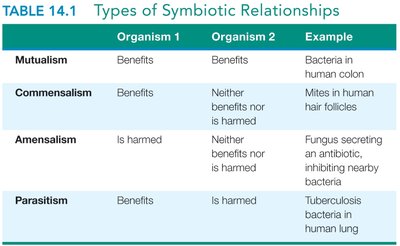
Symbiosis refers to the close association between different species. In the context of microbiology, it describes the interactions between humans and their microbiota. There are four main types of symbiotic relationships:
Type | Organism 1 | Organism 2 | Example |
|---|---|---|---|
Mutualism | Benefits | Benefits | Bacteria in human colon |
Commensalism | Benefits | Neither benefits nor is harmed | Mites in human hair follicles |
Amensalism | Is harmed | Neither benefits nor is harmed | Fungus secreting antibiotic, inhibiting bacteria |
Parasitism | Benefits | Is harmed | Tuberculosis bacteria in human lung |
Microbiome Development and Function
Acquisition and Transmission of Microbiota
The human microbiome is acquired during and after birth. The mode of delivery (vaginal vs. Caesarian) and feeding (breastfeeding vs. formula) significantly influence the composition of the infant microbiome.
Vaginal birth: Infants acquire microbiota similar to their mother's vaginal and gut flora.
Caesarian birth: Infants are colonized by environmental microbes, which may increase the risk of certain diseases.
Breastfeeding: Human milk contains complex carbohydrates that nourish beneficial bacteria such as Bifidobacterium longum infantis.
These early microbial exposures are critical for immune system development and long-term health.
Resident vs. Transient Microbiota
Normal microbiota are classified as either resident or transient:
Resident microbiota: Permanently colonize the host and are established early in life.
Transient microbiota: Present temporarily; eliminated by competition, immune defenses, or environmental changes.
Benefits of Normal Microbiota
Normal microbiota provide several benefits to the host:
Compete with pathogens for nutrients and attachment sites.
Produce vitamins (e.g., vitamin K, some B vitamins).
Help maintain proper pH (e.g., in the vagina).
Stimulate tissue development and immune system maturation.
Symbiosis in the Environment: The Rhizosphere
Root Microbiome and Nitrogen Fixation
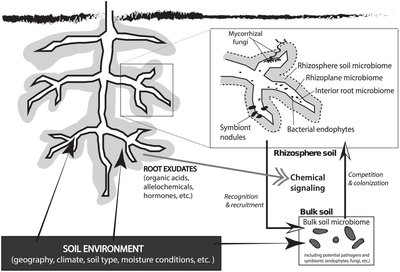
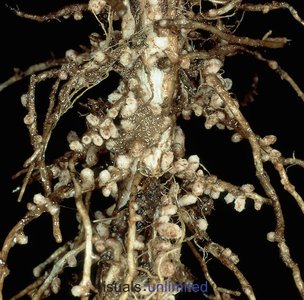
Plants also engage in symbiotic relationships with microbes, particularly in the rhizosphere—the narrow region of soil influenced by root secretions. Nitrogen-fixing bacteria such as Rhizobium form nodules on plant roots, converting atmospheric nitrogen into forms usable by plants.

Opportunistic Pathogens and Disease
Opportunistic Infections
Normal microbiota can become opportunistic pathogens under certain conditions, such as:
Introduction into unusual body sites
Immune suppression
Disruption of the normal microbiota (e.g., antibiotic use)
When these conditions arise, otherwise harmless microbes can cause disease.
Infection, Disease, and Transmission
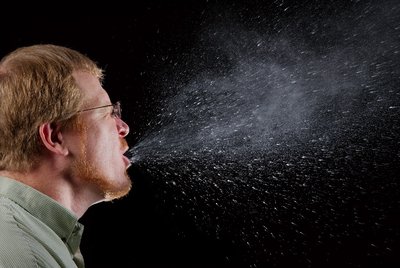
Infection is the invasion and multiplication of pathogens in the host. Disease (morbidity) results when infection leads to altered body function. Transmission can occur via direct contact, indirect contact (fomites), vehicles (air, water, food), or vectors (biological or mechanical).
Epidemiology: Occurrence and Transmission of Disease
Key Epidemiological Terms
Incidence: Number of new cases in a given time period.
Prevalence: Total number of cases at a given time.
Endemic: Disease constantly present in a population.
Epidemic: Sudden increase in disease cases.
Pandemic: Worldwide epidemic.
Sporadic: Occasional cases.
Herd immunity: Resistance of a population due to immunity of most members.
Reservoirs of Infection
Reservoirs are sites where pathogens are maintained as sources of infection:
Animal reservoirs: Zoonoses are diseases transmitted from animals to humans.
Human carriers: Infected individuals who may not show symptoms but can transmit disease.
Nonliving reservoirs: Soil, water, and food contaminated with pathogens.
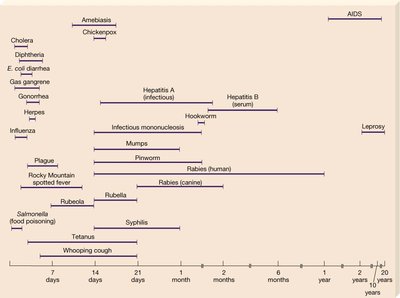
Stages of Infectious Disease
Infectious diseases typically progress through several stages:
Incubation period
Prodromal period
Illness
Decline
Convalescence
Transmission Mechanisms
Contact transmission: Direct (person-to-person) or indirect (via fomites).
Vehicle transmission: Through air, water, food, or bodily fluids.
Vector transmission: Biological (e.g., mosquitoes) or mechanical (e.g., flies).
Summary Table: Types of Symbiotic Relationships
Type | Organism 1 | Organism 2 | Example |
|---|---|---|---|
Mutualism | Benefits | Benefits | Bacteria in human colon |
Commensalism | Benefits | Neither benefits nor is harmed | Mites in human hair follicles |
Amensalism | Is harmed | Neither benefits nor is harmed | Fungus secreting antibiotic, inhibiting bacteria |
Parasitism | Benefits | Is harmed | Tuberculosis bacteria in human lung |
Key Terms and Concepts
Microbiota: The community of microorganisms living in or on the human body.
Symbiosis: Close association between two different species.
Opportunistic pathogen: Normal microbiota that cause disease under certain conditions.
Reservoir: A site where pathogens are maintained as a source of infection.
Zoonosis: Disease naturally spread from animal host to humans.
Incidence vs. Prevalence: Incidence is new cases; prevalence is total cases.
