 Back
BackPathogenic DNA Viruses: Structure, Taxonomy, and Clinical Significance
Study Guide - Smart Notes
 Tailored notes based on your materials, expanded with key definitions, examples, and context.
Pathogenic DNA Viruses
Overview of Pathogenic DNA Viruses
Pathogenic DNA viruses are a diverse group of viruses that cause a variety of diseases in humans. They are classified into several families based on their genome structure, capsid symmetry, presence or absence of an envelope, and the diseases they cause. Understanding their taxonomy and characteristics is essential for diagnosis, treatment, and prevention of viral diseases.
DNA viruses can have single-stranded (ssDNA), double-stranded (dsDNA), or partially double-stranded genomes.
They may be enveloped (surrounded by a lipid membrane) or naked (lacking an envelope).
Capsid symmetry is typically icosahedral.
Major families include Adenoviridae, Hepadnaviridae, and Parvoviridae.
Family | Strand Type | Enveloped/Naked | Capsid Symmetry | Size (nm) | Representative Genera (Disease) |
|---|---|---|---|---|---|
Adenoviridae | Double | Naked | Icosahedral | 60–90 | Mastadenovirus (conjunctivitis, respiratory infections) |
Hepadnaviridae | Partial single and partial double | Enveloped | Icosahedral | 42 | Orthohepadnavirus (hepatitis B) |
Parvoviridae | Single | Naked | Icosahedral | 18–26 | Erythrovirus (fifth disease) |
Additional info: Other DNA virus families include Poxviridae, Herpesviridae, Papillomaviridae, and Polyomaviridae, but only the three above are discussed in detail here.
Adenoviridae
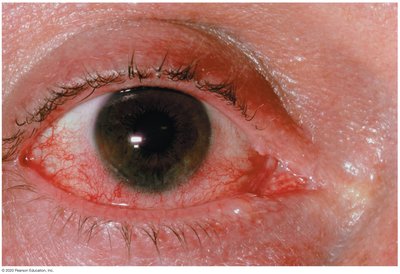
Adenoviridae are non-enveloped DNA viruses with an icosahedral capsid and characteristic spikes. They are important human pathogens, causing a range of respiratory and ocular diseases.
Genome: Single, linear dsDNA
Capsid: Naked, polyhedral with spikes
Transmission: Spread via respiratory droplets, fomites, and contaminated water
Diseases: Common cold, conjunctivitis (pinkeye), mild diarrhea
Pathogenesis: Enter cells via endocytosis; cause symptoms such as sneezing, sore throat, cough, headache, malaise
Special note: One strain (Adv36) may be associated with human obesity
Treatment: Cidofovir for severe infections
Prevention: Attenuated vaccine available for military personnel

Hepadnaviridae
Hepadnaviridae are enveloped DNA viruses with a unique genome structure. The most clinically significant member is the Hepatitis B virus (HBV), which is the only DNA virus known to cause hepatitis in humans.
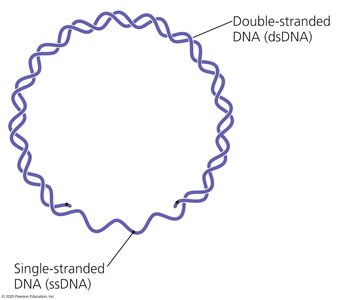
Genome: Both single- and double-stranded DNA (circular, partially double-stranded)
Capsid: Enveloped, icosahedral
Replication: Involves an RNA intermediate and reverse transcriptase
Target: Invades and replicates in liver cells
Hepatitis B Infections
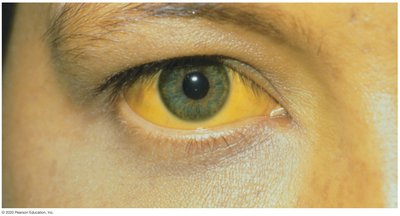
Symptoms: Jaundice, liver enlargement, abdominal distress, bleeding into skin and organs
Complications: Severe liver damage, increased risk with coinfection by hepatitis D virus
Transmission: Blood, saliva, semen, vaginal secretions; via needles, sexual contact, childbirth
Asymptomatic cases are common
Prevention: Vaccination has significantly reduced incidence

Diagnosis, Treatment, and Prevention
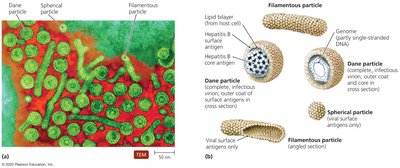
Diagnosis: Detection of viral antigens in body fluids; three types of particles (Dane, spherical, filamentous)
Treatment: No universally effective treatment
Prevention: Vaccination, abstinence, monogamy
Hepatitis B and Hepatic Cancer
HBV is associated with hepatic (liver) cancer, especially in regions with high HBV prevalence
HBV genome can integrate into hepatic cancer cells, which express HBV antigens
Chronic HBV carriers are at higher risk for hepatic cancer
Vaccination may help eliminate hepatic cancer related to HBV
Parvoviridae
Parvoviridae are the smallest DNA viruses and the only human pathogens with a single-stranded DNA genome. The primary human pathogen is B19 virus, which causes erythema infectiosum (fifth disease).
Genome: Single-stranded DNA (ssDNA)
Capsid: Naked, icosahedral
Diseases: Erythema infectiosum (fifth disease)
Symptoms: Reddening of the skin, especially on the cheeks; sunlight aggravates the rash

Review Questions and Key Facts
Which DNA virus causes respiratory infections? Answer: Adenoviruses
Which disease is characterized by a harmless rash aggravated by sunlight? Answer: Fifth disease (caused by Parvovirus B19)
Are many people infected with Hepatitis B asymptomatic? Answer: True
