Back

Pathogenic Gram-Negative Cocci and Bacilli: Structure, Pathogenesis, and Clinical Significance

Study Guide - Learn with Videos

Curated lessons matched to your uploaded material – learn every topic step by step.

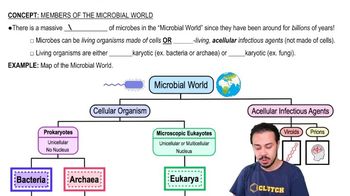
Members of the Bacterial World

  • Members of the Bacterial World
    06:17
Introduction to Bacterial Cell Walls

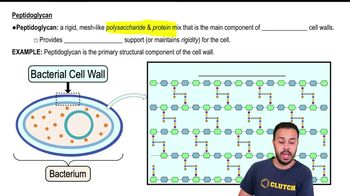
  • Peptidoglycan
    01:58
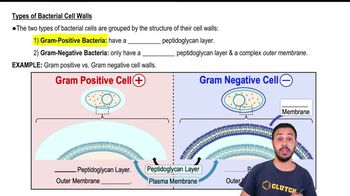
  • Types of Bacterial Cell Walls
    02:44
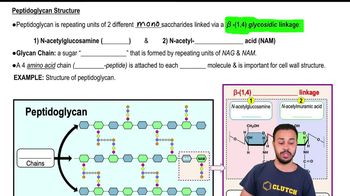
  • Peptidoglycan Structure
    04:44

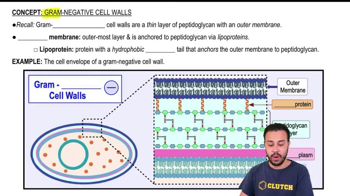
Gram-Negative Cell Walls

  • Gram-Negative Cell Walls
    3:04
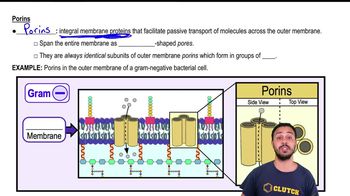
  • Porins
    02:18
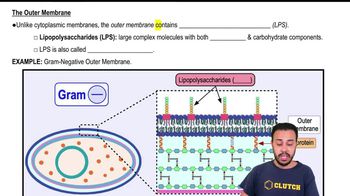
  • The Outer Membrane
    02:15

Bacterial Cell Morphology & Arrangements

  • Types of Bacterial Cell Morphology
    02:44
  • Bacterial Cell Morphology & Arrangements
    01:13
  • Bacilli Bacterial Cell Arrangements
    03:56

The Glycocalyx: Capsules & Slime Layers

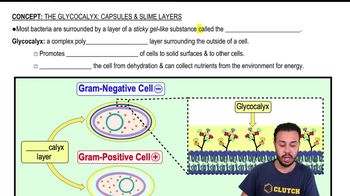
  • The Glycocalyx: Capsules & Slime Layers
    02:26
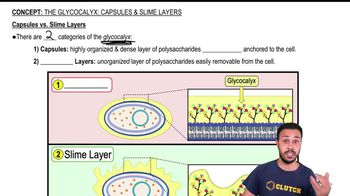
  • Capsules vs. Slime Layers
    01:53

Introduction to Biofilms

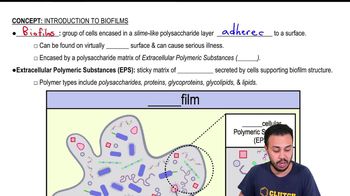
  • Introduction to Biofilms
    03:31

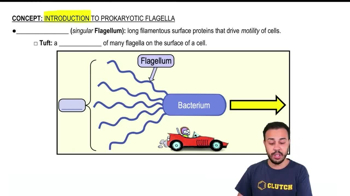
Introduction to Prokaryotic Flagella

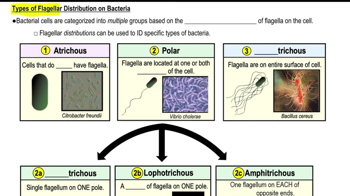
  • Types of Flagellar Distribution on Bacteria
    05:22
  • Introduction to Prokaryotic Flagella
    02:07

Prokaryotic Flagellar Structure

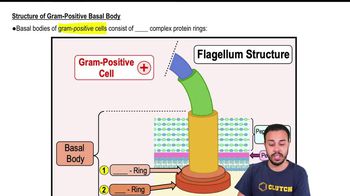
  • Structure of Gram-Positive Basal Body
    02:28
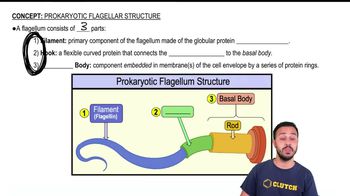
  • Prokaryotic Flagellar Structure
    02:53
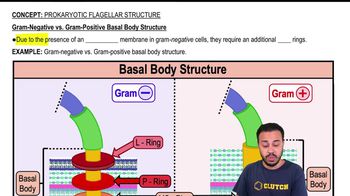
  • Gram-Negative vs. Gram-Positive Basal Body Structure
    01:59

Prokaryotic Flagellar Movement

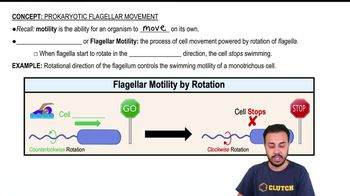
  • Prokaryotic Flagellar Movement
    02:43
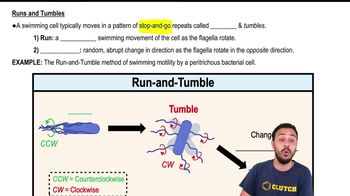
  • Runs and Tumbles
    03:17
Review of Prokaryotic Surface Structures

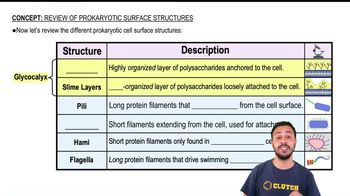
  • Review of Prokaryotic Surface Structures
    03:52
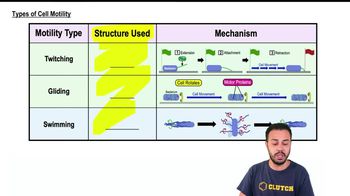
  • Types of Cell Motility
    02:13

Introduction to Cultivating Microbial Growth

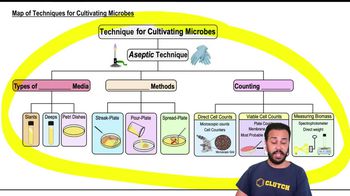
  • Map of Techniques for Cultivating Microbes
    02:05
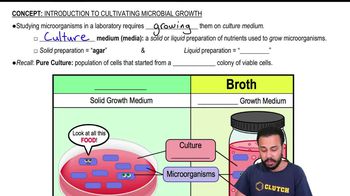
  • Introduction to Cultivating Microbial Growth
    03:49

Types of Solid Culture Media

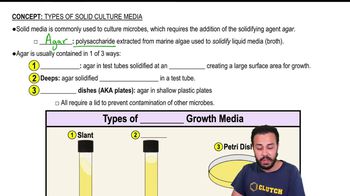
  • Types of Solid Culture Media
    03:16

Selective Media

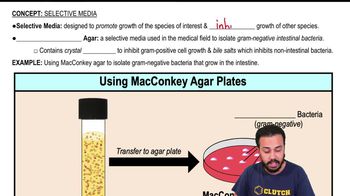
  • Selective Media
    03:27
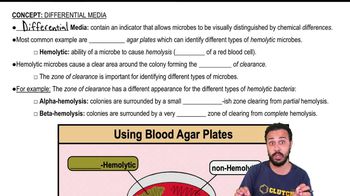
Differential Media

  • Differential Media
    04:34

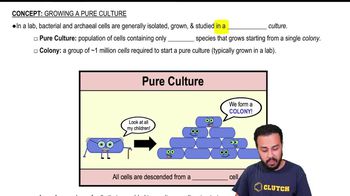
Growing a Pure Culture

  • Growing a Pure Culture
    02:58

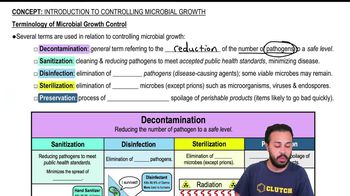
Introduction to Controlling Microbial Growth

  • Terminology of Microbial Growth Control
    07:36
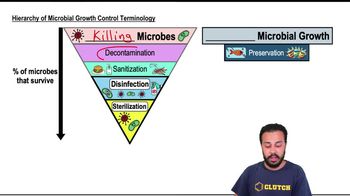
  • Hierarchy of Microbial Growth Control Terminology
    03:09
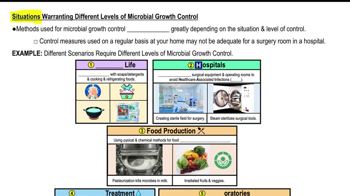
  • Situations Warranting Different Levels of Microbial Growth Control
    05:58

Introduction to Bacterial Plasmids

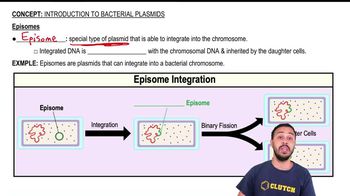
  • Episomes
    01:47
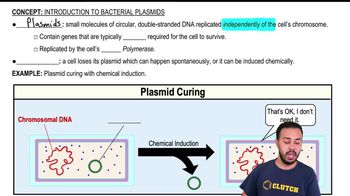
  • Introduction to Bacterial Plasmids
    02:52

Introduction to Pathogenic Toxins

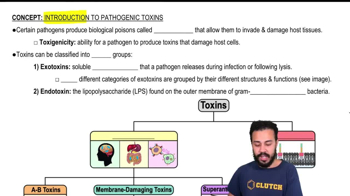
  • Introduction to Pathogenic Toxins
    03:40

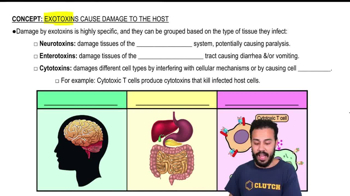
Exotoxins Cause Damage to the Host

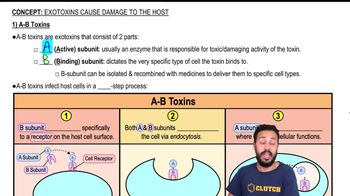
  • 1) A-B Toxins
    04:44
  • Types of Exotoxins
    03:30
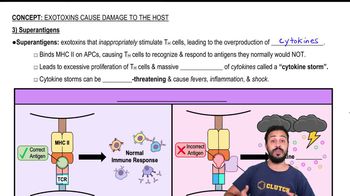
  • 3) Superantigens
    03:59

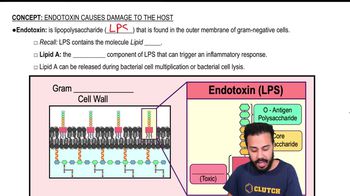
Endotoxin Causes Damage to the Host

  • Endotoxin
    02:46
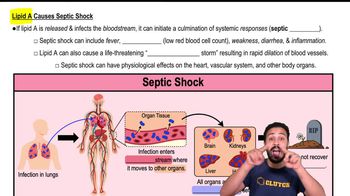
  • Lipid A Causes Septic Shock
    03:24

Exotoxins vs. Endotoxin Review

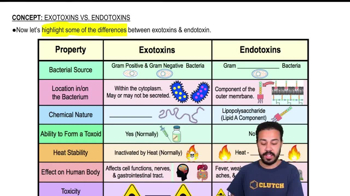
  • Exotoxins vs. Endotoxin Review
    07:22

Bacterial Pathogenesis

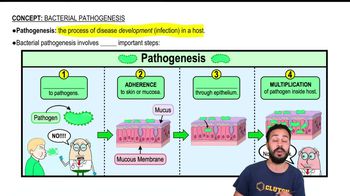
  • Intro to Bacterial Pathogenesis
    02:35
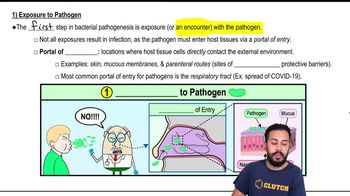
  • 1) Exposure to Pathogen
    03:27
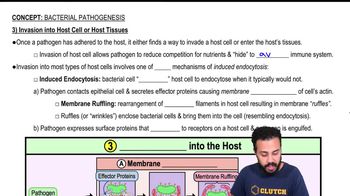
  • 3) Invasion into Host Tissues
    05:38

Introduction to Microbial Genetics

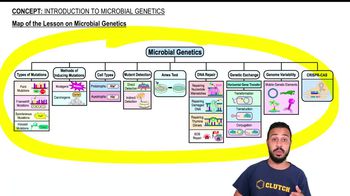
  • Map of the Lesson on Microbial Genetics
    02:04
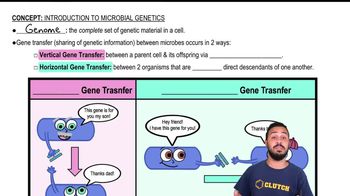
  • Introduction to Microbial Genetics
    04:20

Horizontal Gene Transfer

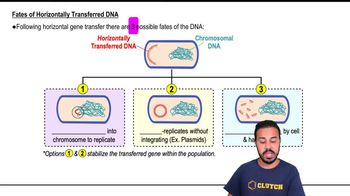
  • Fates of Horizontally Transferred DNA
    03:13
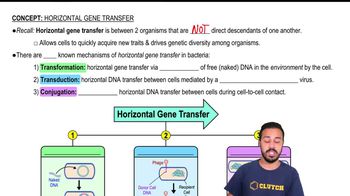
  • Horizontal Gene Transfer
    04:42
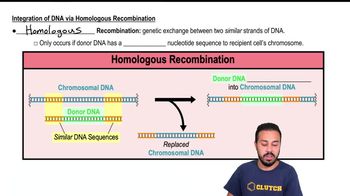
  • Integration of DNA via Homologous Recombination
    02:52

Bacterial Transformation

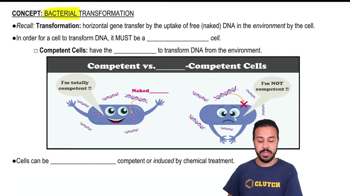
  • Bacterial Transformation
    03:06
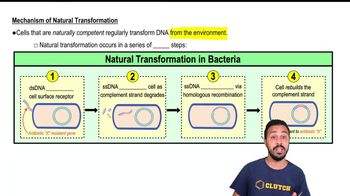
  • Mechanism of Natural Transformation
    03:49

Transduction

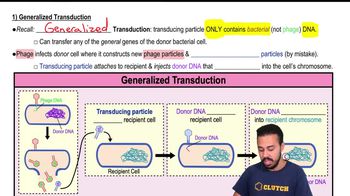
  • Generalized Transduction
    04:24
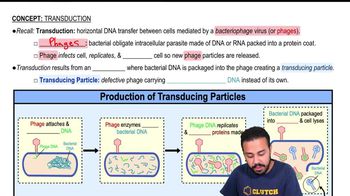
  • Transduction
    06:49
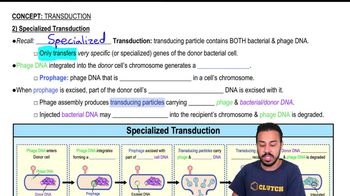
  • Specialized Transduction
    06:34

Introduction to Conjugation

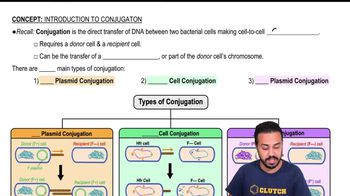
  • Introduction to Conjugation
    04:21

Conjugation: F Plasmids

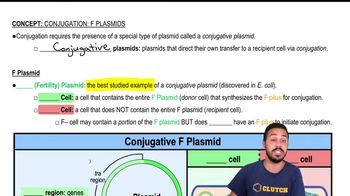
  • F Plasmids
    05:57
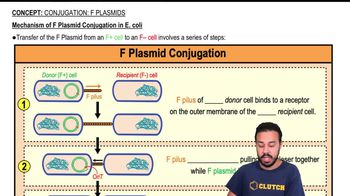
  • Mechanism of F Plasmid Conjugation in E. coli
    04:12

Conjugation: Hfr & F' Cells

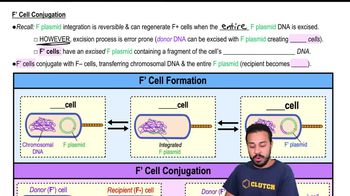
  • F’ Cell Conjugation
    04:31
  • Hfr Cell Conjugation
    09:41

Introduction to Immunity

  • Innate vs. Adaptive Immunity
    05:52
  • Antigens & Antibodies
    02:58

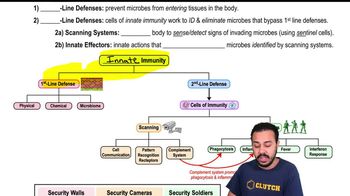
Introduction to Innate Immunity

  • Introduction to Innate Immunity
    02:30
  • Map of Lesson on Innate Immunity
    06:42

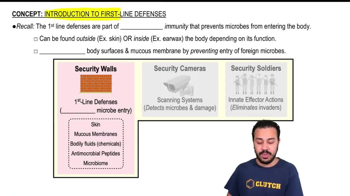
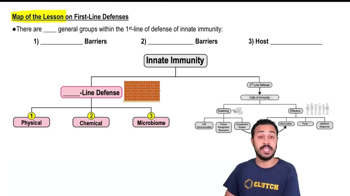
Introduction to First-Line Defenses

  • Introduction to First-Line Defenses
    01:56
  • Map of the Lesson on First-Line Defenses
    01:37

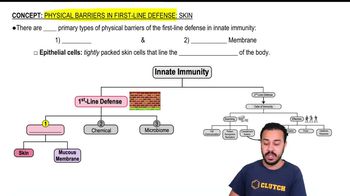
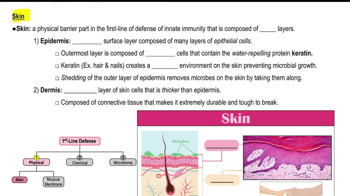
Physical Barriers in First-Line Defenses: Skin

  • Physical Barriers in First-Line Defenses: Skin
    01:28
  • Physical Barriers in First-Line Defenses: Skin
    04:08

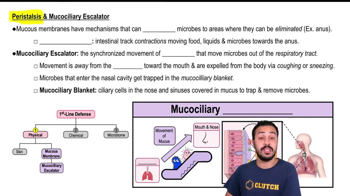
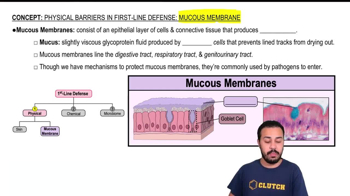
Physical Barriers in First-Line Defenses: Mucous Membrane

  • Peristalsis & Mucociliary Escalator
    04:16
  • Mucous Membranes
    02:34

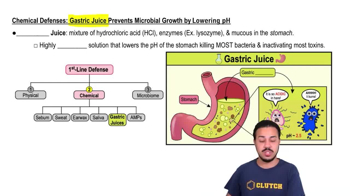
First-Line Defenses: Chemical Barriers

  • Chemical Defenses: Gastric Juice Prevents Microbial Growth by Lowering pH
    02:07
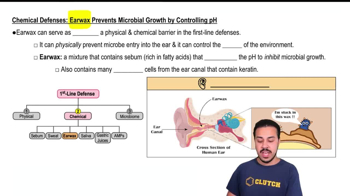
  • Chemical Defenses: Earwax Prevents Microbial Growth by Controlling pH
    02:18
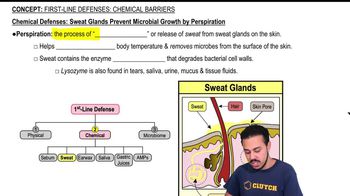
  • Chemical Defenses: Sweat Glands Prevent Microbial Growth by Perspiration
    02:04

First-Line Defenses: Normal Microbiota

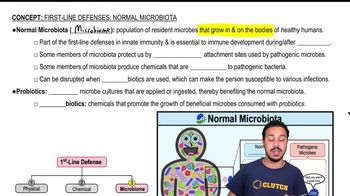
  • Normal Microbiota
    03:43

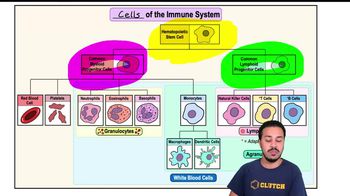
Introduction to Cells of the Immune System

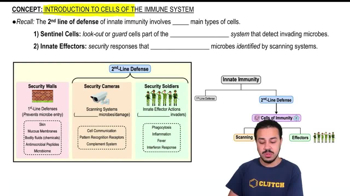
  • Introduction to Cells of the Immune System
    03:27
  • Map of the Lesson on Cells of the Immune System
    06:08
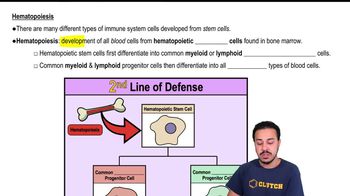
  • Hematopoiesis
    02:33

Cells of the Immune System: Granulocytes

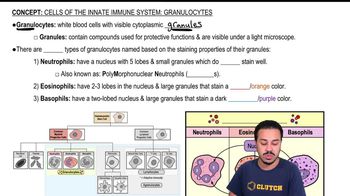
  • Granulocytes
    03:32
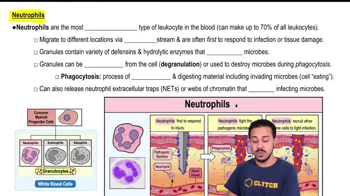
  • Neutrophils
    05:32
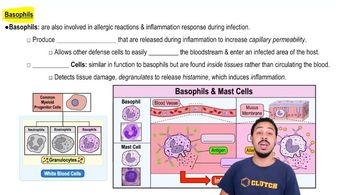
  • Basophils
    03:23

Cells of the Immune System: Agranulocytes

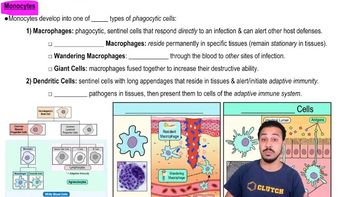
  • Monocytes
    07:16
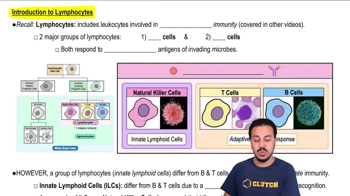
  • Introduction to Lymphocytes
    03:51
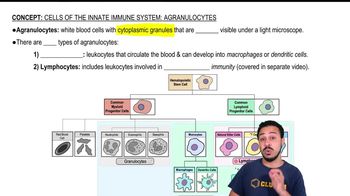
  • Agranulocytes
    03:43

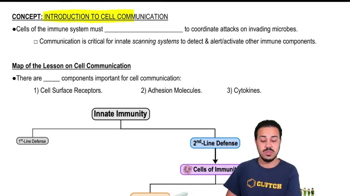
Introduction to Cell Communication

  • Introduction to Cell Communication
    02:59

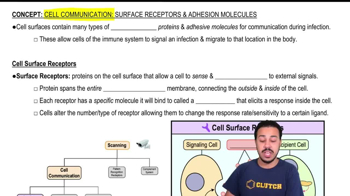
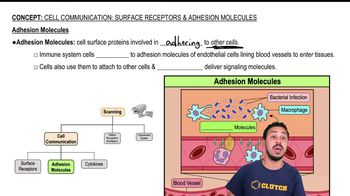
Cell Communication: Surface Receptors & Adhesion Molecules

  • Cell Surface Receptors
    04:05
  • Adhesion Molecules
    02:58

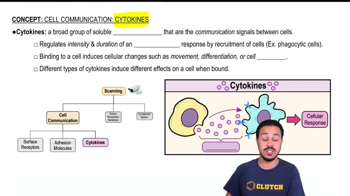
Cell Communication: Cytokines

  • Cytokines
    02:59
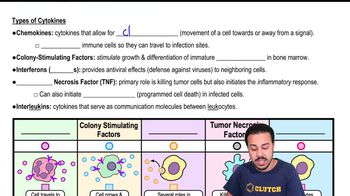
  • Types of Cytokines
    06:08
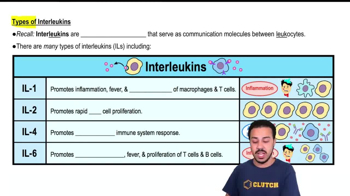
  • Types of Interleukins
    02:14

Pattern Recognition Receptors (PRRs)

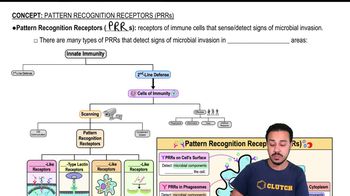
  • Pattern Recognition Receptors
    04:24
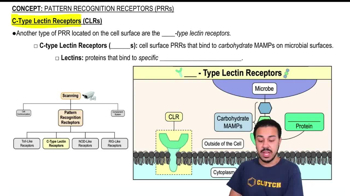
  • C-Type Lectin Receptors
    02:46
  • Retinoic acid Inducible Gene (RIG)-Like Receptors
    04:02

Introduction to the Complement System

  • Map of the Lesson on the Complement System
    03:25
  • Introduction to the Complement System
    04:25
  • Proteins of the Complement System
    04:16

Activation Pathways of the Complement System

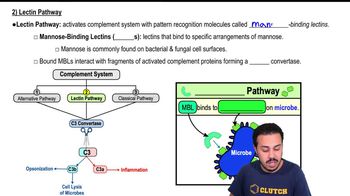
  • 2) Lectin Pathway
    03:04
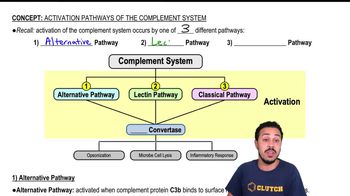
  • 1) Alternative Pathway
    04:40
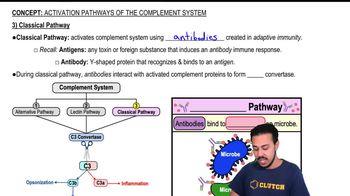
  • 3) Classical Pathway
    03:42

Effects of the Complement System

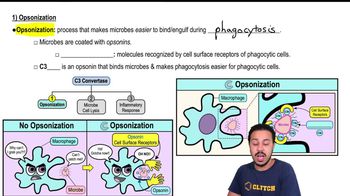
  • 1) Opsonization
    04:09
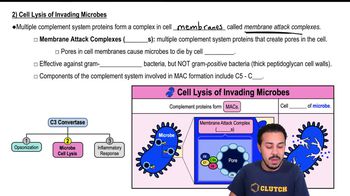
  • 2) Cell Lysis of Invading Microbes
    03:18
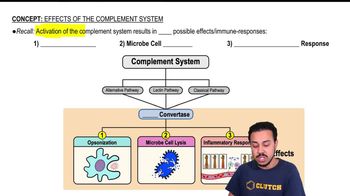
  • Effects of the Complement System
    01:32

Review of the Complement System

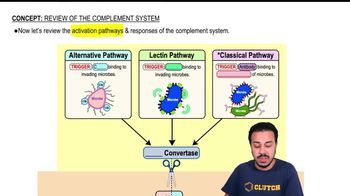
  • Review of the Complement System
    05:15

Phagoctytosis

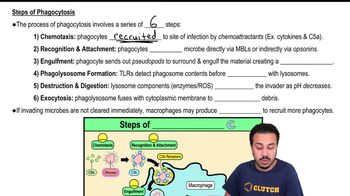
  • Steps of Phagocytosis
    08:57
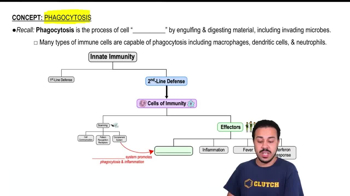
  • Phagoctytosis
    02:19

Introduction to Inflammation

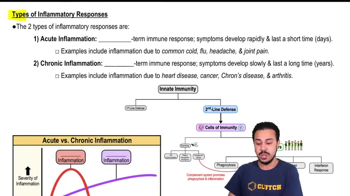
  • Types of Inflammatory Responses
    02:52
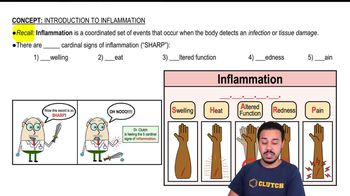
  • Introduction to Inflammation
    01:38
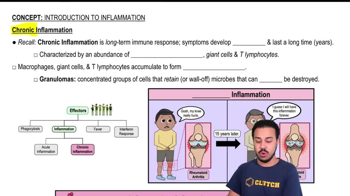
  • Chronic Inflammation
    03:09

Steps of the Inflammatory Response

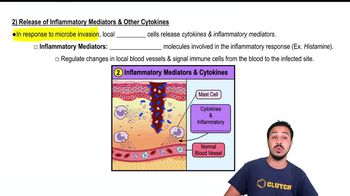
  • 2) Release of Inflammatory Mediators & Other Cytokines
    02:15
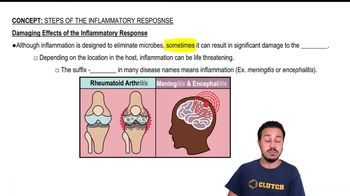
  • Damaging Effects of the Inflammatory Response
    02:10
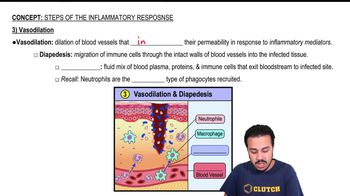
  • 3) Vasodilation
    02:39

Fever

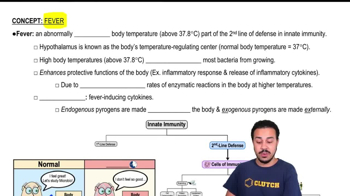
  • Fever
    03:57

Introduction to Epidemiology

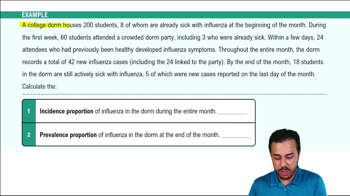
  • Introduction to Epidemiology Example 1
    01:48
  • Introduction to Epidemiology Example 2
    05:15
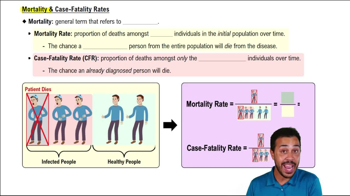
  • Mortality & Case-Fatality Rates
    02:28

Characteristics of Infectious Disease

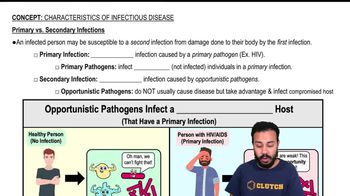
  • Primary vs. Secondary Infections
    04:16
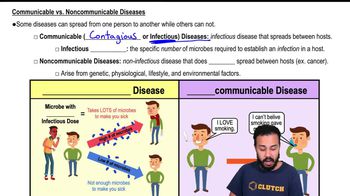
  • Communicable vs. Noncommunicable Diseases
    04:57
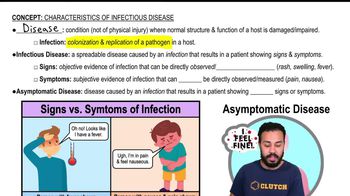
  • Intro to Characteristics of Infectious Disease
    05:09

Stages of Infectious Disease Progression

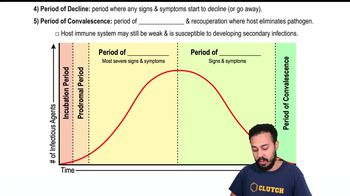
  • Stages of Infectious Disease Progression
    05:36
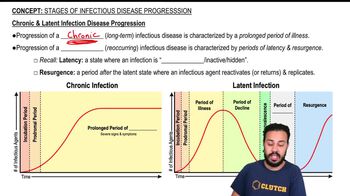
  • Chronic & Latent Infection Disease Progression
    05:14

Koch's Postulates

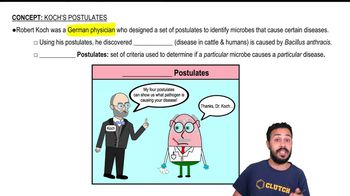
  • Koch's Postulates
    01:36
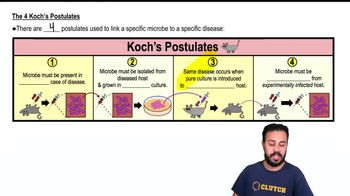
  • The 4 Koch's Postulates
    03:31
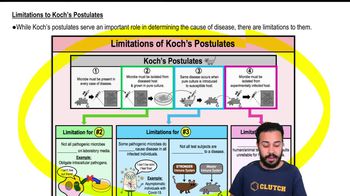
  • Limitations to Koch's Postulates
    02:58

Molecular Koch's Postulates

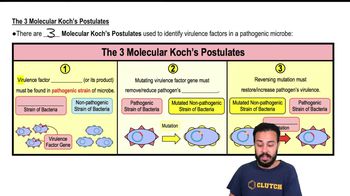
  • The 3 Molecular Koch's Postulates
    03:20
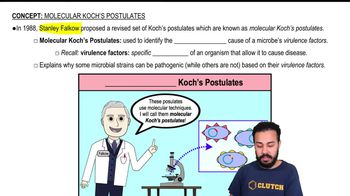
  • Intro to Molecular Koch's Postulates
    01:32

Introduction to Vaccines

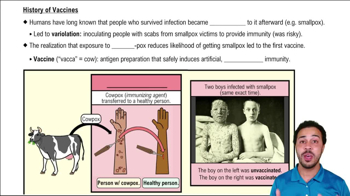
  • History of Vaccines
    04:19
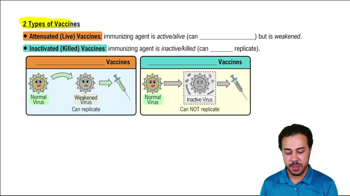
  • 2 Types of Vaccines
    02:03

Healthcare-Associated Infections

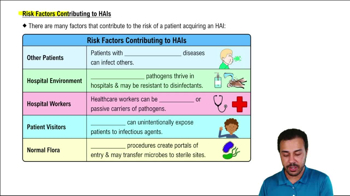
  • Risk Factors Contributing to HAIs
    02:45
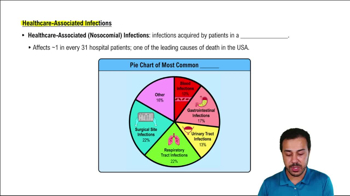
  • Healthcare-Associated Infections
    01:33
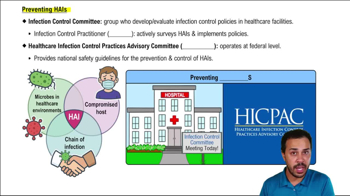
  • Preventing HAIs
    01:59

Urinary Tract Infections (UTIs)

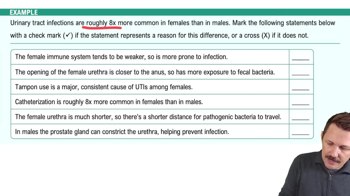
  • Urinary Tract Infections (UTIs) Example 1
    03:11
  • Urinary Tract Infections (UTIs)
    09:09

Bacterial Pathogenesis

  • Intro to Bacterial Pathogenesis
    02:35
  • 1) Exposure to Pathogen
    03:27
  • 3) Invasion into Host Tissues
    05:38