 Back
BackPathogenic Gram-Positive Bacteria: Structure, Pathogenicity, and Diseases
Study Guide - Smart Notes
 Tailored notes based on your materials, expanded with key definitions, examples, and context.
Pathogenic Gram-Positive Bacteria
Introduction
Gram-positive bacteria are a diverse group of microorganisms characterized by a thick peptidoglycan cell wall that retains the crystal violet stain during Gram staining. Several species are significant human pathogens, causing a wide range of diseases. This chapter focuses on the structure, pathogenic mechanisms, and clinical manifestations of key Gram-positive bacteria, including Staphylococcus, Streptococcus, Bacillus, Clostridium, Listeria, Mycoplasma, Corynebacterium, Mycobacterium, and Propionibacterium.
Staphylococcus
General Characteristics
Staphylococcus species are Gram-positive cocci that are normal members of the human microbiota but can act as opportunistic pathogens. They are tolerant of high salt concentrations and desiccation, allowing them to survive on skin and in the environment.
Common pathogenic species: Staphylococcus aureus (more virulent), Staphylococcus epidermidis (opportunistic infections)
Infectious dose: Low; entry of only a few hundred bacteria can cause disease
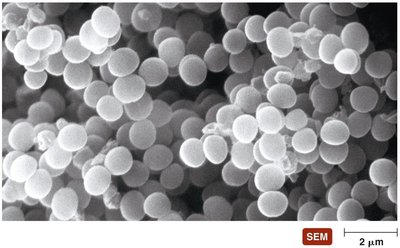
Pathogenicity and Virulence Factors
Pathogenicity of S. aureus is due to its ability to evade the immune system, produce enzymes, and secrete toxins.
Protein A: Binds Fc region of IgG, interfering with opsonization and complement activation
Polysaccharide slime layer (capsule): Inhibits phagocytosis and aids in attachment to surfaces
Enzymes:
Catalase: Breaks down hydrogen peroxide
Coagulase: Converts fibrinogen to fibrin, forming clots that hide bacteria from immune cells
Staphylokinase: Dissolves fibrin clots, allowing spread
Hyaluronidase: Breaks down hyaluronic acid, facilitating tissue invasion
β-lactamase: Confers resistance to penicillin
Toxins:
Cytolytic toxins: Disrupt cell membranes; leukocidin lyses leukocytes
Exfoliative toxins: Cause skin cells to separate (scalded skin syndrome)
Toxic-shock syndrome toxin: Causes systemic symptoms and shock
Enterotoxins: Cause food poisoning symptoms; heat-stable
Diseases Caused by S. aureus
Food poisoning (intoxication): Rapid onset (about 4 hours) after ingestion of enterotoxin-contaminated food. Symptoms include nausea, vomiting, and abdominal cramps. The source is often human skin, not animals.

Cutaneous diseases:
Scalded skin syndrome: Exfoliative toxin causes epidermis to peel off.
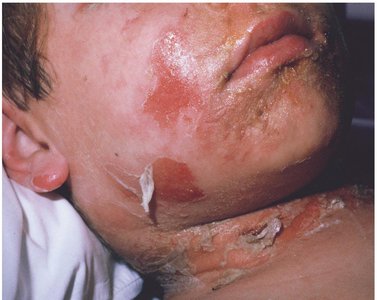
Impetigo: Pus-filled vesicles on face and limbs.
Folliculitis: Infection of hair follicles (sty, furuncle, carbuncle).
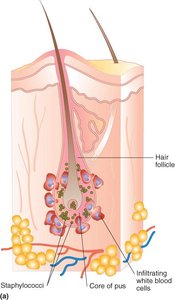
Abscesses: Localized collections of pus due to infection.
Systemic diseases:
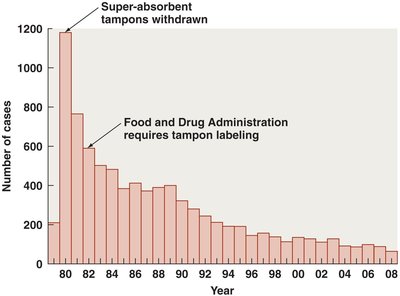
Toxic shock syndrome: Toxin absorbed into blood causes fever, rash, hypotension, and shock.
Other systemic infections: Can invade deeper tissues and organs.
Treatment and Resistance
Methicillin: Used for susceptible strains
Vancomycin: Used for MRSA (methicillin-resistant S. aureus)
VRSA: Vancomycin-resistant strains have emerged
Streptococcus
General Characteristics
Streptococcus species are Gram-positive cocci, catalase-negative, and facultative anaerobes. They are arranged in pairs or chains and are classified by Lancefield grouping based on cell wall antigens. Groups A and B are most significant in human disease.
Streptococcus pyogenes (Group A Streptococcus)
Beta-hemolytic: Complete lysis of red blood cells on blood agar
Virulence factors:
Protein M: Destabilizes complement, preventing lysis
Hyaluronic acid capsule: Camouflages bacteria from immune system
Streptokinases: Break down blood clots
Pyrogenic (erythrogenic) toxins: Cause fever, rash, and shock; only produced by lysogenized strains
Streptolysins: Lyse RBCs, WBCs, and platelets
Diseases Caused by S. pyogenes
Pharyngitis (strep throat): Red, swollen throat with pus on tonsils
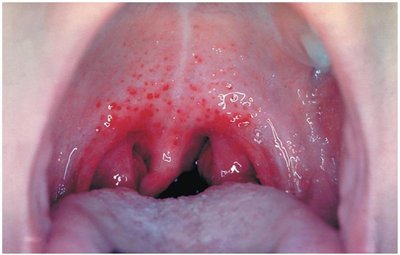
Scarlet fever: Rash and 'strawberry tongue' due to pyrogenic toxins
Pyoderma: Pus-producing skin lesions similar to impetigo
Erysipelas: Skin infection involving lymph nodes
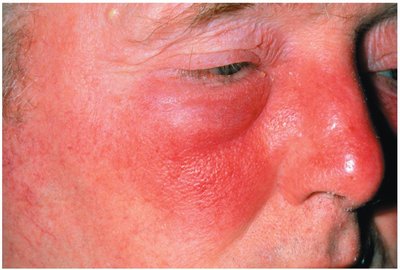
Streptococcal toxic shock syndrome: Bacteremia leading to organ failure and shock
Necrotizing fasciitis: Rapidly spreading infection of fascia, causing tissue destruction and toxemia
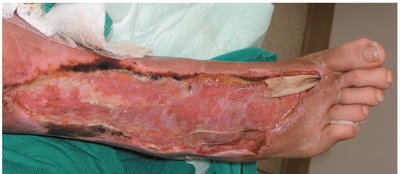
Rheumatic fever: Autoimmune response causing inflammation and damage to heart valves and muscle
Dental Plaque and Biofilm Formation
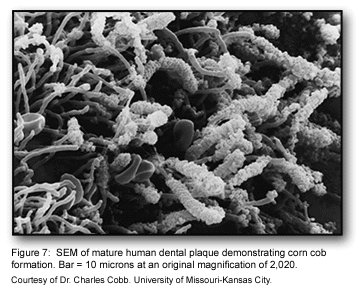
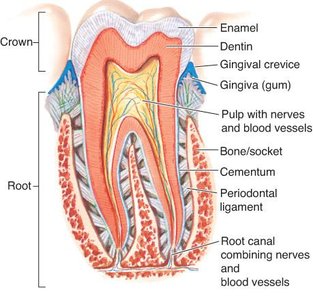
Streptococcus mutans converts sucrose to dextran, forming a glycocalyx that enables attachment to tooth enamel. Other bacteria adhere to this matrix, forming a biofilm (dental plaque). Lactic acid fermentation leads to enamel decalcification and dental caries.
Streptococcus pneumoniae
General Characteristics and Pathogenicity
Gram-positive cocci, often in pairs (diplococci)
Alpha-hemolytic on blood agar
Normal flora of the pharynx, can colonize lungs and middle ear
Polysaccharide capsule is essential for virulence; unencapsulated strains are avirulent
Pneumococcal Diseases
Pneumococcal pneumonia: Infection of alveoli, inflammation, fluid accumulation, and WBC infiltration
Sinusitis and otitis media: Infection of sinuses and middle ear, causing pus and inflammation
Pneumococcal meningitis: Spread to meninges via bacteremia; rapid progression and high fatality
Prevention
Vaccine made from purified capsular material
Bacillus anthracis
General Characteristics
Gram-positive bacilli, facultative anaerobe, forms endospores
Causes anthrax, rare in humans
Clinical Manifestations
Cutaneous anthrax: Entry through skin, forms eschar, can cause toxemia
Gastrointestinal anthrax: Intestinal hemorrhaging
Inhalation anthrax: Inhaled spores cause severe toxemia, high mortality
Clostridium
General Characteristics
Gram-positive, anaerobic, endospore-forming bacilli
Ubiquitous in soil, water, and GI tracts
Clostridium perfringens
Gas gangrene: Endospores germinate in anaerobic tissue, toxins cause necrosis, can be fatal
Treatment: Debridement, antimicrobials, hyperbaric oxygen
Clostridium botulinum
Produces botulinum toxin in anaerobic environments
Foodborne botulism: Intoxication, can cause asphyxiation
Infant botulism: Ingestion of endospores (avoid honey in infants under 1 year)
Clostridium difficile
Common in elderly and long-term antibiotic users
Minor infections cause diarrhea; severe cases cause pseudomembranous colitis
Treatment: Discontinue antibiotics, use specific antibiotics, or fecal transplants
Clostridium tetani
Produces tetanus toxin in wounds
Tetanus (lockjaw): Muscle spasms, can be fatal
Treatment: Antitoxin (immunoglobulin), active immunization with tetanus toxoid
Prevention: Immunization with tetanus toxoid (DTaP vaccine)
Listeria
General Characteristics
Gram-positive, non-spore-forming coccobacillus
Found in soil, water, animals, and food
Can cause meningitis in at-risk groups
Virulence due to ability to live within host cells
Mycoplasmas
General Characteristics
Smallest free-living microbes, lack cell walls (pleomorphic)
Colonize respiratory mucous membranes
Common contaminant of cell cultures
Mycoplasma pneumoniae
Causes primary atypical pneumonia ("walking pneumonia")
Symptoms: fever, malaise, headache, sore throat
Spread by nasal secretions; often mild and difficult to diagnose
Corynebacterium diphtheriae
General Characteristics
Gram-positive, irregular rod, club-shaped
Causes diphtheria, transmitted via respiratory droplets
Produces diphtheria toxin (A-B exotoxin) that inhibits eukaryotic protein synthesis
Symptoms: sore throat, fever, tracheal pseudomembrane (can block airway)
Prevention: DTaP toxoid vaccine
Mycobacterium
General Characteristics
Cell wall contains mycolic acid (waxy lipid)
Slow growth, resistance to lysis, desiccation, and many drugs
Acid-fast staining required
Tuberculosis (Mycobacterium tuberculosis)
Respiratory disease, pandemic in many regions
Three types: primary (initial infection, tubercle formation), secondary (reactivation), disseminated (spread throughout body)
Diagnosis: tuberculin skin test, chest X-ray
Treatment: combination therapy (isoniazid, rifampin, others)
Prevention: BCG vaccine (attenuated M. bovis)
Propionibacterium
General Characteristics
Small, Gram-positive rods found on skin
Propionibacterium acnes causes acne, especially in adolescents
May be opportunistic pathogen; most cases require no treatment
Antimicrobial drugs can help control severe cases
