 Back
BackPathogenic RNA Viruses: Enveloped, Unsegmented Negative ssRNA Viruses
Study Guide - Smart Notes
 Tailored notes based on your materials, expanded with key definitions, examples, and context.
Pathogenic RNA Viruses
Overview of Enveloped, Unsegmented Negative ssRNA Viruses
Enveloped, unsegmented negative-sense single-stranded RNA (ssRNA) viruses are a group of medically important viruses that cause significant human diseases. This group includes members of the families Paramyxoviridae, Rhabdoviridae, and Filoviridae. These viruses are characterized by their enveloped structure and a genome consisting of a single, unsegmented strand of negative-sense RNA.
Paramyxoviridae: Includes genera such as Morbillivirus (measles), Respirovirus (parainfluenza), Rubulavirus (mumps), and Pneumovirus (respiratory syncytial virus).
Rhabdoviridae: Most notably includes the rabies virus.
Filoviridae: Includes Ebola and Marburg viruses, which cause hemorrhagic fevers.
These viruses are responsible for a range of diseases, from mild respiratory infections to severe, often fatal, systemic illnesses.
Paramyxoviridae
Morbillivirus: Measles
The measles virus (Morbillivirus) is a highly contagious, enveloped, helical, negative-sense ssRNA virus. Measles is primarily a childhood infection but can affect individuals of any age.
Transmission: Spread via respiratory droplets; requires large, dense populations for sustained transmission.
Pathogenesis: Infects the respiratory tract, then disseminates throughout the body.
Clinical Features: Characterized by a skin rash, fever, and the appearance of Koplik’s spots on the oral mucosa, which are diagnostic in early stages.
Complications: Pneumonia, encephalitis, and subacute sclerosing panencephalitis (SSPE).
Prevention: Effective vaccination (MMR vaccine) has eliminated endemic measles in some regions, but outbreaks still occur.

Table: Comparison of Measles and Rubella
Disease | Causative Agent | Primary Patient(s) | Complications | Skin Rash | Koplik’s Spots |
|---|---|---|---|---|---|
Measles (rubeola) | Paramyxoviridae: Morbillivirus | Child | Pneumonia, encephalitis, SSPE | Extensive | Present |
Rubella (German measles) | Togaviridae: Rubivirus | Child, fetus | Birth defects | Mild | Absent |

Diagnosis, Treatment, and Prevention of Measles
Diagnosis: Based on clinical signs, especially Koplik’s spots.
Treatment: Anti-measles immunoglobulin if given soon after exposure; vitamin A supplementation reduces severity in children.
Prevention: MMR vaccine administered in childhood.
Parainfluenza Viruses
Parainfluenza viruses (HPIVs) are divided into four types and cause respiratory tract infections, especially in children.
HPIV-1 and HPIV-2: Cause croup (laryngotracheobronchitis), a severe inflammation of the upper airway.
HPIV-3: Associated with lower respiratory tract infections.
HPIV-4: Causes mild upper respiratory infections.
Treatment: Supportive; no specific antivirals. Severe cases may require airway management.
Rubulavirus: Mumps
The mumps virus causes mumps, a disease characterized by painful swelling of the parotid salivary glands.
Transmission: Respiratory secretions.
Clinical Features: Parotitis, orchitis, meningitis, pancreatitis, and possible deafness.
Prevention: MMR vaccine has nearly eradicated mumps in industrialized countries.


Pneumovirus: Respiratory Syncytial Virus (RSV)
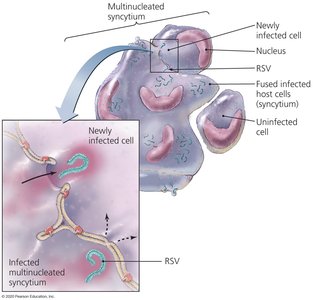
RSV is a leading cause of lower respiratory tract disease in infants and young children. It is highly contagious and can cause severe bronchiolitis and pneumonia.
Pathogenesis: Causes formation of syncytia (multinucleated giant cells) in the lungs, leading to airway obstruction and dyspnea.
Clinical Features: Severe in infants; mild or asymptomatic in older children and adults.
Treatment: Supportive care; ribavirin may be used in severe cases.
Prevention: Hand hygiene is critical in healthcare settings.
Rhabdoviridae
Rabies Virus
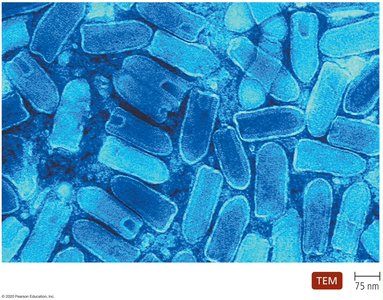
Rabies is a fatal zoonotic disease caused by the rabies virus, which infects the central nervous system.
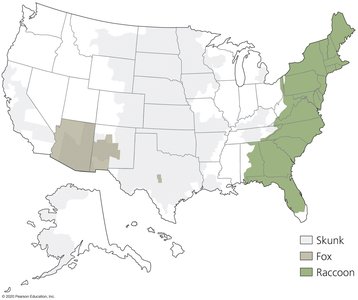
Transmission: Usually via the bite of an infected animal (dogs, bats, etc.).
Pathogenesis: Virus travels from the site of entry along peripheral nerves to the CNS, causing encephalitis.
Clinical Features: Hydrophobia (fear of water), seizures, disorientation, hallucinations, paralysis, and death from respiratory failure.
Diagnosis, Treatment, and Prevention of Rabies
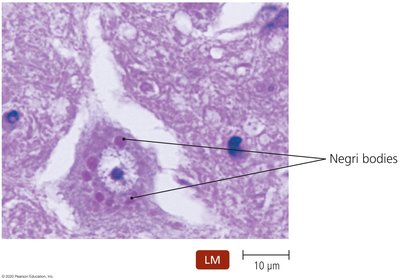
Diagnosis: Neurological symptoms; postmortem identification of Negri bodies in brain tissue.
Treatment: Immediate wound cleaning, administration of human rabies immune globulin (HRIG), and vaccination with human diploid cell vaccine (HDCV).
Prevention: Vaccination of domestic animals and at-risk humans.
Filoviridae
Filoviruses: Ebola and Marburg Viruses
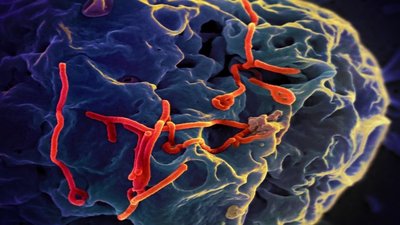
Filoviruses are filamentous, enveloped, negative-sense ssRNA viruses that cause severe hemorrhagic fevers in humans and nonhuman primates.
Natural Reservoir: Thought to be fruit bats.
Transmission: Initial mode to humans is unclear; spreads person-to-person via contaminated body fluids.
Pathogenesis: Virions attack macrophages and liver cells, leading to uncontrolled bleeding and multi-organ failure.
Clinical Features: Up to 90% mortality in some outbreaks; symptoms include fever, hemorrhage, and shock.
Diagnosis: Clinical symptoms, confirmed by ELISA or PCR.
Treatment: Supportive care with fluid replacement; vaccine (rVSV-ZEBOV) available for Ebola.

Summary Table: Key Features of Major Enveloped, Unsegmented Negative ssRNA Viruses
Virus Family | Representative Diseases | Transmission | Key Features | Prevention |
|---|---|---|---|---|
Paramyxoviridae | Measles, Mumps, Parainfluenza, RSV | Respiratory droplets | Syncytia formation, childhood infections | MMR vaccine, hygiene |
Rhabdoviridae | Rabies | Animal bites | Neurological symptoms, Negri bodies | Animal vaccination, post-exposure prophylaxis |
Filoviridae | Ebola, Marburg | Body fluids | Hemorrhagic fever, high mortality | Vaccine (Ebola), infection control |
