 Back
BackPathogenic RNA Viruses: Structure, Classification, and Human Diseases
Study Guide - Smart Notes
 Tailored notes based on your materials, expanded with key definitions, examples, and context.
Pathogenic RNA Viruses
Overview of RNA Viruses
RNA viruses are unique infectious agents that store their genetic information in RNA molecules. They are classified based on their genomic structure, presence or absence of an envelope, and the size and shape of their capsid. The four main types of RNA viruses are:
Positive single-stranded RNA (+ssRNA)
Retroviruses (a subset of +ssRNA viruses that convert their genome to DNA)
Negative single-stranded RNA (−ssRNA)
Double-stranded RNA (dsRNA)
Positive-sense RNA can be directly translated by host ribosomes, while negative-sense RNA must first be transcribed into mRNA.
Naked, Positive ssRNA Viruses
Picornaviridae and Related Families
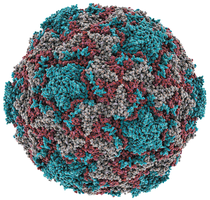
Picornaviridae are among the smallest animal viruses and include several genera that cause human disease, such as Rhinovirus, Enterovirus, and Hepatovirus. Other families like Caliciviridae, Astroviridae, and Hepeviridae are larger and often cause gastrointestinal diseases (e.g., Norovirus).
Common Colds Caused by Rhinoviruses
Rhinoviruses are the most common cause of the common cold, with infections typically limited to the upper respiratory tract. Transmission occurs via aerosols, fomites, or direct contact, with person-to-person contact being the most common route. Immunity develops against specific serotypes, leading to fewer infections with age.
Diagnosis, Treatment, and Prevention
Diagnosis: Based on clinical manifestations.
Treatment: Pleconaril may reduce severity and duration if taken early; symptomatic relief is common.
Prevention: Handwashing is the most effective preventive measure.
Diseases of Enteroviruses
Enteroviruses are transmitted via the fecal-oral route, infecting the pharynx and intestine before spreading systemically. They are cytolytic, killing host cells. Major enteroviruses include polioviruses, coxsackieviruses, and echoviruses.
Poliomyelitis
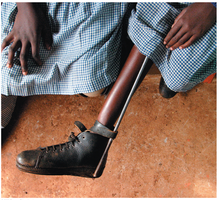
Poliovirus causes polio, which can present as asymptomatic infection, minor polio, nonparalytic polio, or paralytic polio (including bulbar poliomyelitis). Postpolio syndrome is a late complication involving muscle deterioration. Polio has been nearly eradicated due to vaccination.
Polio Vaccines
Inactivated polio vaccine (IPV): Developed by Jonas Salk; used in Canada.
Oral polio vaccine (OPV): Developed by Albert Sabin.
Other Enterovirus Diseases
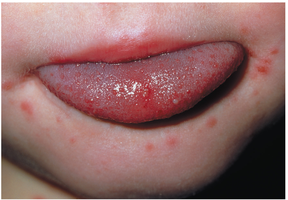
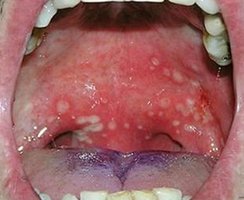
Coxsackie A viruses cause herpangina (fever, sore throat, mouth sores), hand-foot-and-mouth disease, acute hemorrhagic conjunctivitis, and some colds. Coxsackie B viruses are associated with myocarditis, pericarditis, pleurodynia, and can cross the placenta. Both A and B types can cause viral meningitis. Echoviruses can cause colds and meningitis.
Epidemiology, Diagnosis, and Prevention
Worldwide distribution, more common in areas with poor sanitation.
Greatest risk to fetuses and newborns.
Diagnosis is rare except in severe cases; no effective antiviral therapy.
Prevention: Good hygiene, sewage treatment, and vaccination (for polio).
Hepatitis A
Hepatitis A virus is transmitted via the fecal-oral route and is resistant to many disinfectants. Symptoms are immune-mediated and include fever, fatigue, nausea, anorexia, and jaundice. The infection does not cause chronic liver disease or cancer, and recovery is typical. Vaccination is available.
Acute Gastroenteritis
Caliciviruses (e.g., Norovirus) and astroviruses cause outbreaks of acute gastroenteritis, especially in group settings. Noroviruses cause diarrhea, nausea, and vomiting, while astroviruses cause diarrhea without vomiting. Treatment is supportive, focusing on fluid and electrolyte replacement. Prevention includes hygiene and disinfection.
Hepatitis E
Hepatitis E virus, formerly a calicivirus, is transmitted via contaminated food, drink, or blood transfusion. Symptoms are usually mild but can be fatal in pregnant women and immunocompromised individuals. The disease is self-limiting, and prevention focuses on interrupting fecal-oral transmission.
Enveloped, Positive ssRNA Viruses
Togaviridae, Flaviviridae, and Coronaviridae
These families include enveloped +ssRNA viruses, many of which are arboviruses (transmitted by arthropods). Coronaviruses are enveloped, helical +ssRNA viruses.
Diseases of +RNA Arboviruses
Arboviruses are zoonotic, with mosquitoes and ticks as vectors. Humans are dead-end hosts. Most infections are mild, but some can cause encephalitis, dengue fever, or yellow fever.
Encephalitis: Caused by various togaviruses and flaviviruses (e.g., Eastern, Western, Venezuelan equine encephalitis, West Nile virus).
Dengue Fever: Flavivirus transmitted by Aedes mosquitoes; can progress to dengue hemorrhagic fever upon reinfection.
Yellow Fever: Causes degeneration of liver, kidneys, and heart; high mortality rate; controlled by vaccination and mosquito control.
Zika Fever: Transmitted by Aedes mosquitoes, sexual contact, and transplacentally; associated with microcephaly in fetuses.
Diagnosis, Treatment, and Prevention
Diagnosis: Serological tests.
Treatment: Supportive care only.
Prevention: Vector control and vaccination (where available).
Other Diseases of Enveloped +ssRNA Viruses
Rubella (German measles): Causes a mild rash in children but can cause congenital defects if contracted during pregnancy. Vaccine-preventable.
Hepatitis C: Chronic infection leading to liver damage; transmitted via blood and sexual contact. Treated with sofosbuvir; no vaccine.
Coronaviruses: Cause respiratory syndromes (e.g., SARS, MERS, COVID-19); transmitted via respiratory droplets. No specific treatment or vaccine for some strains; prevention includes quarantine and masks.
Enveloped, Positive ssRNA Viruses with Reverse Transcriptase (Retroviridae)
Retroviruses
Retroviruses have polyhedral capsids with spiked envelopes and contain two identical +ssRNA molecules. They use reverse transcriptase to synthesize dsDNA from their RNA genome, which is then integrated into the host genome. Retroviruses are divided into oncogenic and immunosuppressive types.
Oncogenic Retroviruses (Deltaretrovirus)
HTLV-1: Causes adult T-cell leukemia/lymphoma.
HTLV-2: Causes hairy-cell leukemia.
Transmission: Sexual contact, blood transfusion, contaminated needles.
No specific antiviral treatment; prevention is behavioral.
Immunosuppressive Retroviruses (Lentivirus) and AIDS
HIV is the causative agent of AIDS, defined by opportunistic infections, low CD4 T cell count, and HIV infection. Two types exist: HIV-1 (North America/Europe) and HIV-2 (West Africa). The virus evades the immune system through antigenic variation and latency.
Structure: Envelope glycoproteins gp120 (attachment) and gp41 (fusion).
Replication: Reverse transcription, integration, latency, and maturation involving viral protease.
Transmission: Blood, semen, vaginal secretions, breast milk; higher risk with certain behaviors.
Diagnosis: Symptoms, CD4 count, antibody detection (ELISA, immunoblot), PCR for viral RNA.
Treatment: Antiretroviral therapy (ART/HAART); not curative but controls viral replication.
Prevention: Safe sex, clean needles, screening blood products, and pre-exposure prophylaxis.
Enveloped, Unsegmented Negative ssRNA Viruses
Paramyxoviridae, Rhabdoviridae, Filoviridae
These families include important human pathogens such as measles, mumps, respiratory syncytial virus (RSV), rabies, and Ebola/Marburg viruses.
Measles (Rubeola)
Highly contagious; spread via respiratory droplets.
Symptoms: Koplik's spots (diagnostic), rash, possible complications (pneumonia, encephalitis, SSPE).
Prevention: Vaccination.
Parainfluenza Viruses
Cause respiratory tract infections, especially in children.
HPIV-1 and 2: Cause croup (bark-like cough).
No vaccine or specific treatment; supportive care.
Mumps
Causes parotitis (salivary gland swelling), orchitis, and other complications.
Prevention: Vaccination.
Respiratory Syncytial Virus (RSV)
Leading cause of fatal respiratory disease in infants and children.
Causes syncytia formation in lungs; transmitted via fomites and droplets.
Treatment: Supportive; ribavirin may be used.
Prevention: Hand hygiene.
Rabies
Transmitted via bites from infected animals (dogs, bats, etc.).
Symptoms: Neurological manifestations, hydrophobia, paralysis, death.
Treatment: Post-exposure prophylaxis (immune globulin, vaccine).
Prevention: Vaccination of pets.
Filoviruses (Ebola, Marburg)
Cause hemorrhagic fevers with high mortality rates.
Transmission: Contact with body fluids.
Treatment: Supportive; experimental antibody therapies (e.g., ZMapp).
Prevention: Protective gear for healthcare workers, isolation.
Enveloped, Segmented Negative ssRNA Viruses
Orthomyxoviridae (Influenza Viruses)
Influenza A and B viruses have segmented genomes and are responsible for seasonal flu epidemics. Envelope glycoproteins hemagglutinin (HA) and neuraminidase (NA) are important for attachment and release. Antigenic drift and shift lead to new strains.
Symptoms: Fever, malaise, headache, myalgia.
Treatment: Antivirals (oseltamivir, zanamivir).
Prevention: Annual vaccination.
Bunyaviridae and Arenaviridae
Bunyaviruses: Zoonotic, transmitted by arthropods; cause Rift Valley fever, California encephalitis, hantavirus pulmonary syndrome (not arthropod-borne).
Arenaviruses: Cause hemorrhagic fevers (Lassa, Junin, etc.) and lymphocytic choriomeningitis; transmitted by rodents.
Prevention: Vector and rodent control, vaccination (where available).
Hepatitis D
Hepatitis D virus requires co-infection with hepatitis B virus to be virulent and is transmitted via bodily fluids. It can trigger liver cancer. Prevention is through hepatitis B vaccination.
Naked, Segmented dsRNA Viruses
Reoviridae (Rotavirus)
Reoviruses have naked icosahedral capsids and are the only microbes with dsRNA genomes. Rotavirus is a major cause of infantile gastroenteritis and death in developing countries. Transmission is fecal-oral, and infection is usually self-limited. Treatment is supportive, and a vaccine is available.
Summary Table: Key Features of Major RNA Virus Families
Family | Genome Type | Envelope | Major Diseases | Transmission |
|---|---|---|---|---|
Picornaviridae | +ssRNA | No | Colds, polio, hepatitis A | Fecal-oral, respiratory |
Caliciviridae | +ssRNA | No | Gastroenteritis (Norovirus) | Fecal-oral |
Togaviridae/Flaviviridae | +ssRNA | Yes | Encephalitis, dengue, yellow fever, Zika | Arthropod vectors |
Coronaviridae | +ssRNA | Yes | Colds, SARS, MERS, COVID-19 | Respiratory droplets |
Retroviridae | +ssRNA (RT) | Yes | HIV/AIDS, leukemia | Blood, sexual |
Paramyxoviridae | -ssRNA | Yes | Measles, mumps, RSV | Respiratory droplets |
Rhabdoviridae | -ssRNA | Yes | Rabies | Animal bites |
Filoviridae | -ssRNA | Yes | Ebola, Marburg | Body fluids |
Orthomyxoviridae | -ssRNA (segmented) | Yes | Influenza | Respiratory droplets |
Bunyaviridae/Arenaviridae | -ssRNA (segmented) | Yes | Hemorrhagic fevers, encephalitis, hantavirus | Arthropods, rodents |
Reoviridae | dsRNA (segmented) | No | Rotavirus gastroenteritis | Fecal-oral |
Additional info: This summary integrates and expands upon the provided lecture slides, adding definitions, examples, and a comparative table for clarity and exam preparation.
