 Back
BackPathogenicity and Mechanisms of Infectious Disease
Study Guide - Smart Notes
 Tailored notes based on your materials, expanded with key definitions, examples, and context.
Pathogenicity and Infectious Disease
Definitions and Key Concepts
Pathogenicity refers to the ability of a microorganism to cause disease. Infectious diseases are conditions in which the normal structure or function of the body is damaged or impaired due to colonization by a pathogen. Understanding the terminology and mechanisms of pathogenicity is essential for microbiology students.
Pathogen: A disease-causing microbe (e.g., viruses, bacteria, fungi, protozoa).
Host: The organism infected by the pathogen.
Etiology: The cause of a disease (in microbiology, typically the pathogen).
Virulence: The degree of pathogenicity; how severe the disease is (e.g., rhinovirus causes mild disease, ebolavirus is highly virulent).
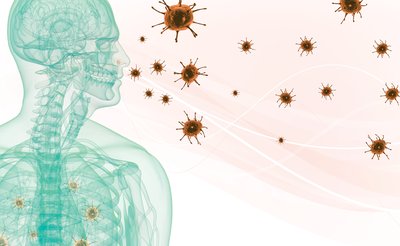
Signs and Symptoms
Diseases are characterized by signs and symptoms, which help in diagnosis and understanding of the disease process.
Signs: Objective, measurable indicators of disease (e.g., fever, blood pressure).
Symptoms: Subjective experiences reported by the patient (e.g., pain, nausea).

Symptom Nomenclature
Medical terminology often uses specific affixes to describe symptoms and disease states. Understanding these helps in interpreting clinical descriptions.
Affix | Meaning | Example |
|---|---|---|
cyto- | cell | cytopenia: reduction in the number of blood cells |
hepat- | of the liver | hepatitis: inflammation of the liver |
-pathy | disease | neuropathy: disease affecting nerves |
-emia | of the blood | bacteremia: presence of bacteria in blood |
-itis | inflammation | colitis: inflammation of the colon |
-lysis | destruction | hemolysis: destruction of red blood cells |
-oma | tumor | lymphoma: cancer of the lymphatic system |
-osis | diseased or abnormal condition | leukocytosis: abnormally high number of white blood cells |
-derma | of the skin | keratoderma: thickening of the skin |
Types of Infections
Localized vs. Systemic Infections
Infections can be classified based on their distribution in the body:
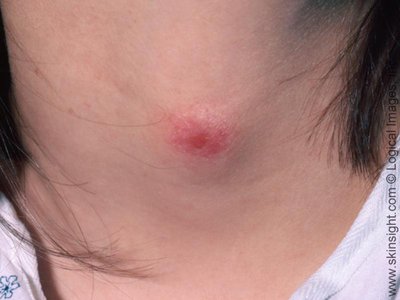
Localized infection: Confined to a specific area (e.g., a boil on the skin).
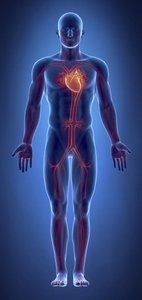
Systemic infection: Spreads throughout the body, often via the bloodstream.
Subclinical and Opportunistic Infections
Subclinical infection: Infection with no noticeable symptoms (asymptomatic), e.g., some cases of UTI, herpes, or rubella.
Opportunistic infection: Caused by normally harmless microbes in immunocompromised individuals or when microbes gain entry through wounds (e.g., Pseudomonas aeruginosa, Cryptococcus neoformans).
Primary and Secondary Infections
Primary infection: The initial infection caused by a microbe.
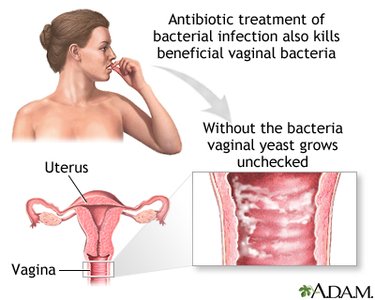
Secondary infection: Occurs during or after treatment of a primary infection, often due to disruption of normal flora (e.g., yeast infection after antibiotics for a bacterial infection).
Acute, Chronic, and Latent Diseases
Acute disease: Rapid onset, short duration (e.g., cold, flu).
Chronic disease: Develops slowly, lasts a long time (e.g., hepatitis).
Latent disease: Pathogen remains dormant for extended periods (e.g., herpes, shingles).
Koch’s Postulates
Classical Koch’s Postulates
Koch’s postulates are a set of criteria used to establish a causative relationship between a microbe and a disease:
The suspected pathogen must be found in every case of disease and not in healthy individuals.
The pathogen must be isolated and grown in pure culture.
A healthy test subject infected with the pathogen must develop the same disease.
The pathogen must be re-isolated from the new host and be identical to the original.
Molecular Koch’s postulates use genetic evidence (e.g., PCR) to link specific genes to pathogenicity, especially useful for viruses and unculturable microbes.
Mechanisms of Pathogenicity
Virulence Factors
Virulence factors are properties that enable pathogens to establish infection and cause disease. These include:
Adherence to host cells
Colonization or invasion of host tissues
Reproduction within the host
Damage to host tissues
Evasion of the host immune system
Steps of Pathogenicity
Adherence: Pathogen binds to specific host cell proteins (e.g., viral spike proteins, bacterial pili, fimbriae, capsules).
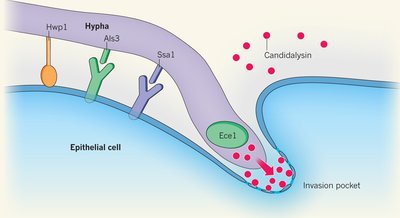
Colonization/Invasion: Pathogen multiplies and may penetrate host tissues (via cell division, endocytosis, exoenzymes, or toxins).
Reproduction: Pathogen replicates (e.g., viral replication, bacterial cell division).
Damage to Host: Pathogen kills or alters host cells, causes inflammation, or produces toxins.
Immune Evasion: Pathogen avoids or suppresses the host immune response.
Examples of Pathogenicity
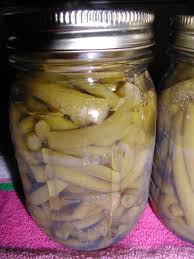
Clostridium perfringens: Produces toxins in poorly canned goods, causing disease upon ingestion.
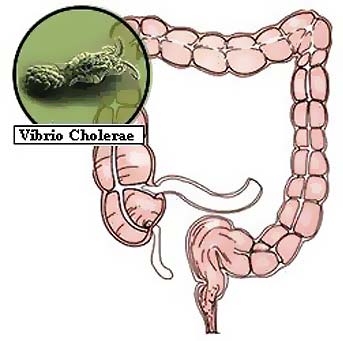
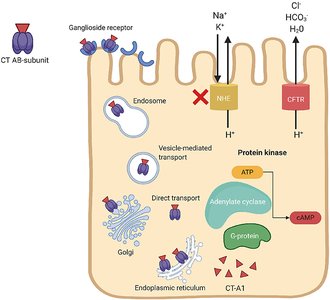
Vibrio cholerae: Colonizes intestinal mucosa and produces cholera toxin, leading to diarrhea.
Mycobacterium tuberculosis: Invades lung tissue, causing tuberculosis.
Clostridium tetani: Invades wounds and produces tetanus toxin.
Virulence Factors: Exoenzymes and Toxins
Exoenzymes
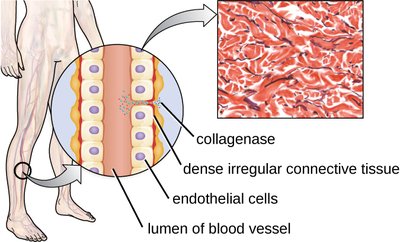
Collagenase: Breaks down collagen in connective tissue, aiding spread of infection.
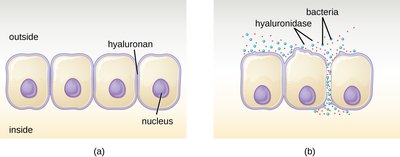
Hyaluronidase: Degrades hyaluronic acid between cells, facilitating invasion.
Phospholipase: Destroys host cell membranes.
Toxins
Endotoxin: Lipopolysaccharide (LPS) from Gram-negative bacteria; causes hyperinflammation and can lead to septic shock.
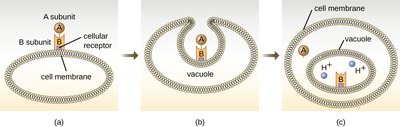
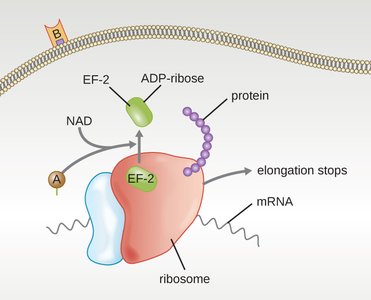
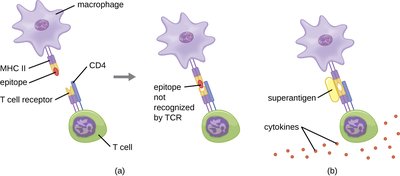
Exotoxins: Proteins secreted by bacteria; include cytolytic toxins, superantigens, AB toxins, and enterotoxins.
Cytolytic toxins: Lyse host cells.
Superantigens: Inappropriately activate T cells, causing excessive immune response.
AB toxins: Have two subunits: A (active) and B (binding); e.g., diphtheria, botulinum, tetanus toxins.
Enterotoxins: Affect the intestines, causing diarrhea (e.g., cholera toxin).


Immune Evasion Strategies
Bacterial Immune Evasion
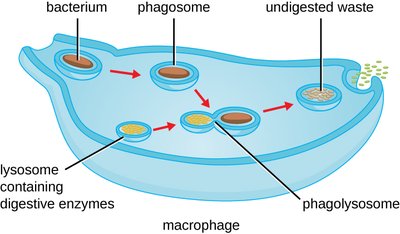
Avoid phagocytosis: Kill phagocytes (cytolytic toxins), avoid phagocytes (capsules), or survive inside phagocytes.
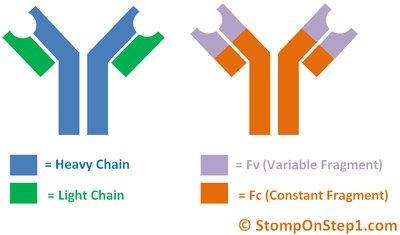
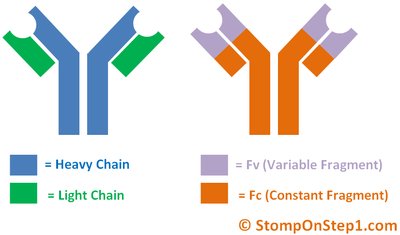
Avoid antibodies: Hide inside host cells, antigenic variation (change surface antigens), mimic host antigens, or destroy antibodies (antibody proteases).


Viral Immune Evasion
Block interferon gene transcription to prevent antiviral response.
Control timing of host cell death to maximize viral replication.
Spread directly from cell to cell to avoid antibody detection.
Summary Table: Types of Toxins
Toxin Type | Main Effect | Source |
|---|---|---|
Cytolytic toxin | Lyses host cells | Various bacteria |
Endotoxin | Hyperinflammation, septic shock | Gram-negative bacteria (LPS) |
AB toxin | One subunit binds, one is active | Diphtheria, botulinum, tetanus, cholera |
Enterotoxin | Causes diarrhea | Cholera, some E. coli |
Superantigen | Activates T cells inappropriately | Staphylococcus, Streptococcus |
Conclusion
Understanding pathogenicity and the mechanisms by which microbes cause disease is fundamental in microbiology. This includes recognizing the types of infections, the role of virulence factors, and the strategies pathogens use to evade the immune system. Mastery of these concepts is essential for diagnosing, treating, and preventing infectious diseases.
