 Back
BackPathogens, Disease, and the Immune System: A Comprehensive Study Guide
Study Guide - Smart Notes
 Tailored notes based on your materials, expanded with key definitions, examples, and context.
Pathogens and Disease
Definition and Types of Pathogens
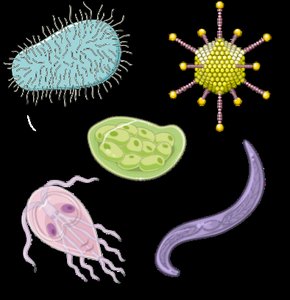
Pathogens are microorganisms capable of causing disease in humans. While most microbes are harmless, a small subset can invade the body and disrupt normal physiological functions, leading to illness. Pathogens include bacteria, viruses, fungi, protozoa, helminths (parasitic worms), as well as toxins and allergens.
Bacteria: Single-celled living microbes (e.g., Salmonella, Streptococcus, E. coli).
Viruses: Tiny, non-living particles composed of genetic material and a protein coat (e.g., influenza, coronavirus).
Fungi: Simple plant-like organisms, single or multicellular (e.g., athlete’s foot, thrush).
Protozoa: Unicellular animals, often parasitic (e.g., malaria, dysentery).
Helminths: Parasitic worms (e.g., tapeworm, hookworm).
How Pathogens Spread
Pathogens can be transmitted through various routes, each with distinct mechanisms:
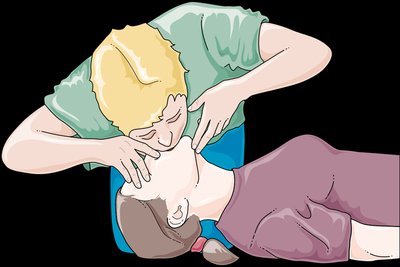
Direct Physical Contact: Transmission through skin or bodily fluids, including sexual activity.
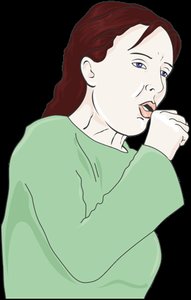
Indirect Physical Contact: Spread via droplets in the air from coughing or sneezing.
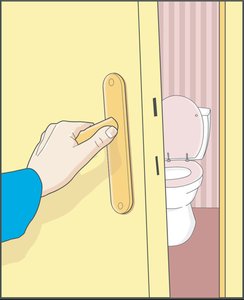
Indirect Contact by Objects (Fomites): Inanimate objects such as door handles or clothing can harbor pathogens.
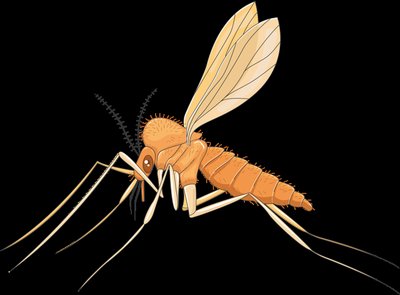
Disease Vectors: Organisms like mosquitoes transfer pathogens between hosts.
Mechanisms of Pathogenicity
Pathogens cause disease through several mechanisms:
Rapid Multiplication: Overwhelming host cells by rapid reproduction (e.g., Salmonella in intestines).
Toxin Production: Releasing substances that damage host tissues (e.g., tetanus toxin).
Cell Destruction: Directly killing host cells, as seen with viruses hijacking cellular machinery.
Competition for Nutrients: Depriving the host of essential nutrients (e.g., tapeworms in the gut).
Classification of Pathogens
Type | Description | Examples |
|---|---|---|
Bacteria | Single-celled, living | Salmonella, Streptococcus, E. coli |
Viruses | Non-living, genetic material in protein coat | Influenza, coronavirus |
Fungi | Simple, plant-like, single/multicellular | Athlete’s foot, thrush |
Protozoa | Unicellular, animal-like | Malaria, dysentery |
Helminths | Parasitic worms | Tapeworm, hookworm |
Major Groups of Pathogens
Bacteria
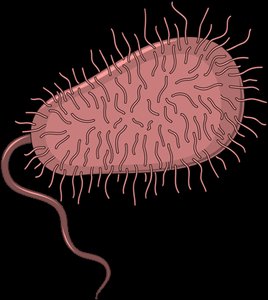
Bacteria are single-celled prokaryotic organisms with diverse shapes (rods, spheres, spirals). They can reproduce rapidly and some release toxins that damage host tissues. Bacteria are susceptible to antibiotics.
Examples: Mycobacterium tuberculosis (tuberculosis), Escherichia coli (diarrhea), Vibrio cholerae (cholera).
Viruses
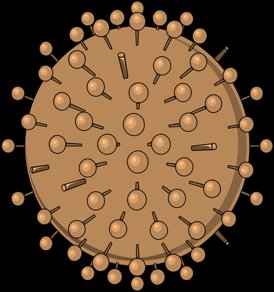
Viruses are acellular entities composed of DNA or RNA within a protein coat. They require host cells to replicate, often destroying them in the process. Antibiotics are ineffective against viruses.
Examples: Norovirus (stomach flu), influenza virus (flu), varicella-zoster virus (chicken pox).
Fungi
Fungi include yeasts, molds, and mushrooms. They have thick cell walls and reproduce via spores. Fungal infections are treated with antifungal drugs.
Examples: Epidermophyton (athlete’s foot), Candida albicans (thrush).
Protozoa
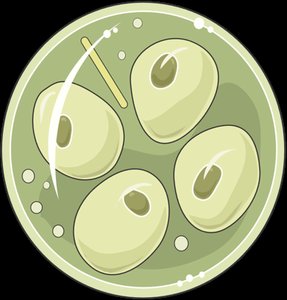
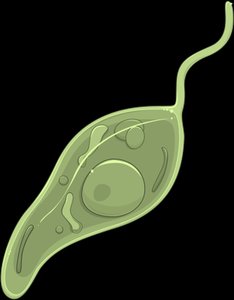
Protozoa are unicellular eukaryotes, often parasitic, and can cause disease by living off host tissues. They are commonly found in contaminated water and decaying matter.
Examples: Plasmodium falciparum (malaria), Entamoeba histolytica (amoebic dysentery).
Helminths
Helminths are multicellular parasitic worms that inhabit various tissues in the host, causing disease by nutrient depletion and tissue damage. They are treated with anti-parasitic drugs.
Examples: Taenia saginata (beef tapeworm), Ascaris lumbricoides (roundworm infection).

Types of Diseases
Infectious vs. Noninfectious Diseases
Infectious Diseases: Caused by pathogens and can be transmitted between individuals (e.g., influenza, malaria).
Noninfectious Diseases: Not caused by pathogens and are not transmissible (e.g., cystic fibrosis, type 2 diabetes).
Further Classification
Communicable: Transmitted through direct contact or vectors (e.g., malaria).
Contagious: Easily spread from person to person (e.g., influenza).
Congenital: Develop before birth due to genetic or environmental factors (e.g., cystic fibrosis).
Acquired: Develop after birth due to lifestyle or environmental factors (e.g., type 2 diabetes).
Autoimmune Diseases
Definition and Mechanism
Autoimmune diseases occur when the immune system fails to distinguish between self and non-self, attacking the body’s own tissues. This is due to the production of antibodies against self-antigens, leading to tissue and organ damage.
Symptoms: Fatigue, joint pain, skin problems, digestive disorders.
Organ(s) Affected | Disease |
|---|---|
Skin | Vitiligo, psoriasis |
GI Tract | Type 1 diabetes, Crohn's |
Thyroid | Grave’s disease |
Blood | Systemic lupus |
Kidneys | Addison’s disease |
Joints | Rheumatoid arthritis |
Muscles | Fibromyalgia |
Nerves | Multiple sclerosis |
The Immune System
Introduction and Components
The immune system is a complex network of cells, tissues, and organs that defend the body against pathogens. It works closely with the lymphatic system to transport immune cells throughout the body. Unlike other organ systems, the immune system is not confined to a single set of organs.
Component | System | Description |
|---|---|---|
Skin | Integumentary | Acts as a barrier against pathogens |
Mucosa | Respiratory | Traps foreign substances |
Gastric Juice | Digestive | Destroys pathogens by acid and enzymes |
Lymph Nodes | Lymphatic | Filter pathogens from lymph |
Lymphoid Organs
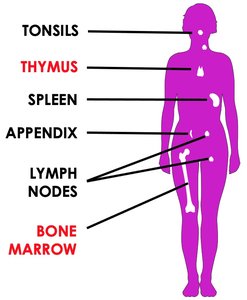
Lymphoid organs are the sites of origin, maturation, and proliferation of lymphocytes (immune cells). They are classified as primary (bone marrow, thymus) and secondary (lymph nodes, tonsils, spleen, appendix).
Development of the Immune System
Lymphocytes (white blood cells) originate from pluripotent stem cells in the bone marrow. They differentiate into:
T-lymphocytes (T-cells): Mature in the thymus, regulate immune responses.
B-lymphocytes (B-cells): Mature in the bone marrow, produce antibodies.
Cells of the Immune System
Granulocytes
Neutrophils: Phagocytize bacteria and fungi; short-lived.
Eosinophils: Combat parasites; longer lifespan.
Basophils: Release histamines; involved in allergic responses.
Mast Cells: Release histamines in tissues; involved in inflammation.
Agranulocytes
B-Lymphocytes: Produce antibodies (humoral immunity).
T-Lymphocytes: Regulate immune responses (cell-mediated immunity).
Natural Killer (NK) Cells: Destroy virus-infected and cancerous cells.
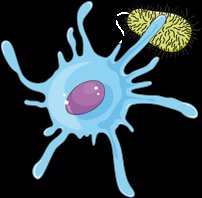
Monocytes/Macrophages: Phagocytize pathogens and dead cells.
Types of Immunity
Innate vs. Acquired Immunity
Property | Innate Immunity | Acquired Immunity |
|---|---|---|
Description | Present at birth; non-specific | Develops over time; specific |
Components | Surface barriers, phagocytes, inflammation | T-cells, B-cells |
Response Time | Immediate | Delayed (5-7 days) |
Memory | No | Yes |
Antigens and Self vs. Nonself
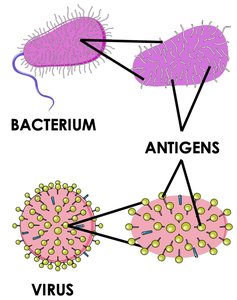
Antigens are molecules recognized by immune cells as foreign. Self-antigens, such as MHC proteins, are present on body cells and are not targeted by the immune system. Non-self antigens trigger immune responses. Failure to distinguish self from non-self leads to autoimmune diseases.
Immune System Lines of Defense
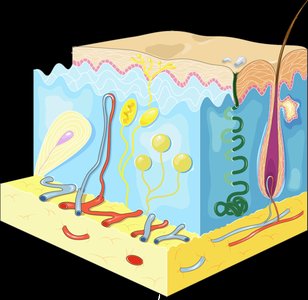
First Line: Surface Barriers
Surface barriers (skin, mucous membranes) prevent pathogen entry. Mechanical barriers physically block pathogens, while chemical barriers (e.g., stomach acid, lysozyme) destroy them.
Second Line: Inflammatory Response
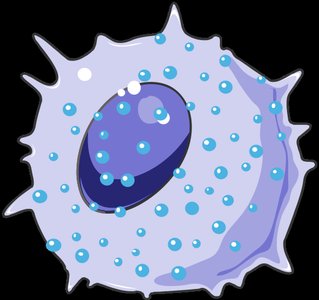
If pathogens breach surface barriers, the inflammatory response is triggered. Mast cells release histamines, causing vasodilation and attracting immune cells. Phagocytes (neutrophils, macrophages) engulf pathogens, while NK cells destroy abnormal cells. Specialized proteins like interferons and pyrogens further inhibit pathogens.
Third Line: Adaptive Immune Response
The adaptive immune response is specific, systemic, and has memory. It involves T cells (cell-mediated immunity) and B cells (antibody-mediated immunity). Activation requires antigen presentation by APCs (e.g., macrophages).
Cell-Mediated and Antibody-Mediated Immunity
Cell-Mediated Immunity (CMI)
CMI involves T cells directly attacking infected or abnormal cells. Cytotoxic T cells destroy target cells by releasing perforin, while regulatory T cells suppress the response when the threat is eliminated. Memory T cells provide long-term immunity.
Antibody-Mediated Immunity (AMI)
AMI involves B cells producing antibodies that neutralize pathogens. Plasma cells secrete antibodies, while memory B cells ensure a rapid response upon re-exposure to the same antigen.
How Antibodies Neutralize Pathogens
Neutralization: Block pathogen binding sites.
Agglutination: Clump pathogens for easier phagocytosis.
Precipitation: Cause toxins to become insoluble.
Signaling: Attract phagocytes to the site of infection.
Types of Antibodies (Immunoglobulins)
Type | % in Blood | Location | Function |
|---|---|---|---|
IgG | 75 | Blood, lymph | Most common; protects against bacteria and toxins |
IgA | 15 | Secretions (saliva, tears, mucus, milk) | Protects against ingested/inhaled pathogens |
IgM | 10 | Blood, lymph | First line in adaptive immunity |
IgD | <1 | Blood, lymph | Antigen receptors on B cells |
IgE | <1 | Skin, respiratory tract | Allergic reactions |
Primary and Secondary Immune Responses
Feature | Primary Response | Secondary Response |
|---|---|---|
Description | First exposure to antigen | Subsequent exposure |
Responding Cells | Naïve B and T cells | Memory B and T cells |
Peak Antibody Levels | 7-10 days | 3-5 days |
Antibody Quantities | Lower | Much higher |
Immunity | Slow, then memory | Rapid control |
Acquired Immunity and Vaccination
Acquired Active Immunity
Natural: From infection; long-lasting memory.
Artificial: From vaccination; stimulates memory cell production.
Acquired Passive Immunity
Natural: Maternal antibodies transferred to infant.
Artificial: Injection of antibodies from another source; immediate but temporary protection.
Vaccines
Vaccines stimulate the immune system to develop immunity without causing disease. Types include live-attenuated, inactivated, mRNA, subunit, toxoid, and viral vector vaccines. Each has specific advantages and limitations.
Diseases and Disorders of the Immune System
Immune system disorders include autoimmune diseases (overactive response against self), immune deficiencies (reduced ability to fight infections), allergies, and cancers of immune cells (e.g., leukemia, lymphoma).
Examples: Asthma, allergies, lupus, rheumatoid arthritis, HIV/AIDS, multiple sclerosis, celiac disease, transplant rejection.
