 Back
BackPhysical and Chemical Control of Microbes
Study Guide - Smart Notes
 Tailored notes based on your materials, expanded with key definitions, examples, and context.
Physical and Chemical Control of Microbes
Introduction to Microbial Control
Microbial control is essential in healthcare, food safety, and laboratory settings to prevent infection, spoilage, and contamination. Various physical, chemical, and mechanical methods are used to reduce or eliminate microorganisms from surfaces, instruments, and biological materials.
Key Definitions in Microbial Control
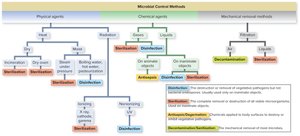
Sterilization: The complete removal or destruction of all viable microorganisms, including bacterial endospores. Used for critical medical devices and materials that must be absolutely free of microbes.
Disinfection: The destruction of most microbial life (excluding endospores) on inanimate surfaces.
Decontamination (Sanitization): Mechanical removal of most microbes from an animate or inanimate surface to safe levels.
Antisepsis (Degermation): Application of chemical agents to exposed body surfaces to destroy or inhibit vegetative pathogens.
Relative Resistance of Microbial Types
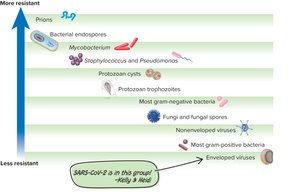
Microorganisms vary greatly in their resistance to control agents. Understanding this hierarchy is crucial for selecting appropriate sterilization or disinfection methods.
Most resistant: Prions > Bacterial endospores > Mycobacterium > Staphylococcus and Pseudomonas > Protozoan cysts
Moderately resistant: Protozoan trophozoites, most Gram-negative bacteria, fungi and fungal spores, nonenveloped viruses
Least resistant: Most Gram-positive bacteria, enveloped viruses (e.g., SARS-CoV-2)
Microbicidal vs. Microbistatic Agents
Microbicidal agents: Kill microorganisms (e.g., bactericides, fungicides, virucides, sporicides).
Microbistatic agents: Inhibit the growth of microorganisms without killing them (e.g., bacteriostatic, fungistatic agents).
Note: The effectiveness of an agent depends on its concentration, exposure time, and the nature of the target microbe.
Cellular Targets of Control Agents
Physical and chemical agents act on four main cellular targets:
Cell wall
Cytoplasmic membrane
Cellular synthetic processes (DNA, RNA)
Proteins
Factors Affecting Microbial Death Rate
Number of microbes present
Nature and mixture of microorganisms
Temperature and pH of the environment
Concentration and mode of action of the agent
Presence of interfering organic matter (e.g., blood, feces)
Physical Methods of Microbial Control
Heat
Heat is the most widely used method for microbial control. It can be applied as moist or dry heat, each with distinct mechanisms and applications.
Moist heat: Denatures proteins and destroys membranes. Includes boiling, pasteurization, and autoclaving.
Dry heat: Dehydrates cells, denatures proteins, and oxidizes cell components. Includes incineration and hot air ovens.
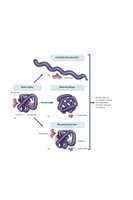
Action of Heat and Chemicals on Proteins
Heat and chemicals can cause proteins to lose their native structure (denaturation), resulting in loss of function and microbial death.
Moist Heat Methods
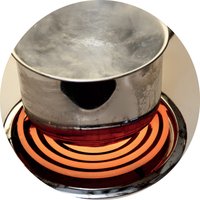
Boiling Water: Used for disinfection, not sterilization. Kills most non-endospore-forming pathogens in 30 minutes.
Pasteurization: Disinfection of beverages (milk, juices, beer, wine) by applying heat to kill pathogens and reduce spoilage organisms while preserving flavor and nutrients.

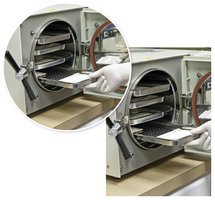
Autoclaving (Steam Under Pressure): Sterilizes by using steam at 121°C and 15 psi for 15–20 minutes. Effective for most heat-resistant materials but not for oils, powders, or moisture-sensitive substances.
Dry Heat Methods
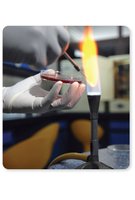
Incineration: Direct exposure to flame or high heat (e.g., Bunsen burner) reduces microbes to ashes. Used for sterilizing inoculating loops and disposing of contaminated materials.
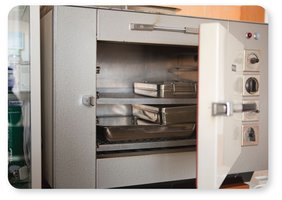
Hot Air Oven: Sterilizes by circulating hot air (150–180°C for 2–4 hours). Suitable for glassware and metal instruments.
Cold and Desiccation
Cold: Slows microbial growth (microbistatic) but does not kill most microbes. Used for food preservation and storage of cultures.
Desiccation: Dehydration inhibits microbial growth; some microbes are killed, others are preserved.
Lyophilization: Freeze-drying for long-term preservation of microbial cultures.
Radiation
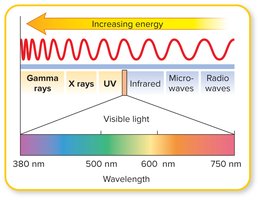
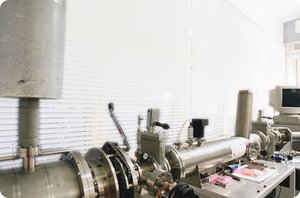
Radiation is used to sterilize or disinfect materials by damaging microbial DNA.
Ionizing radiation (gamma rays, X-rays): Penetrates deep and is used for sterilizing heat-sensitive materials.
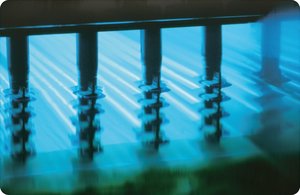
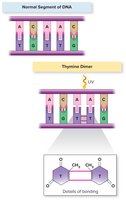
Nonionizing radiation (UV): Causes DNA mutations (e.g., thymine dimers) and is used for surface disinfection.
Filtration
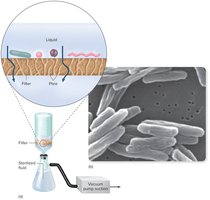
Filtration physically removes microbes from air and liquids using filters with defined pore sizes. It is essential for sterilizing heat-sensitive solutions and maintaining sterile environments.
Used for: Serum, vaccines, IV fluids, air in hospital rooms (HEPA filters)
Osmotic Pressure
High concentrations of salt or sugar create a hypertonic environment, causing plasmolysis and inhibiting microbial growth. Used in food preservation (pickling, smoking, drying).
Not a sterilizing technique.
Chemical Methods of Microbial Control
Types of Chemical Agents
Disinfectants: Used on inanimate objects to destroy most microbes (e.g., bleach, phenolics).
Antiseptics: Applied to living tissues to reduce infection risk (e.g., iodine, alcohol).
Sterilants: Destroy all forms of microbial life, including endospores (e.g., glutaraldehyde, ethylene oxide).
Preservatives: Inhibit microbial growth in products (e.g., food, pharmaceuticals).
Desirable Qualities of Chemical Agents
Rapid action at low concentration
Broad-spectrum microbicidal activity
Non-toxic to humans and animals
Penetration of surfaces and persistence
Stability and resistance to inactivation by organic matter
Noncorrosive, nonstaining, affordable, and available
Levels of Germicidal Activity
High-level: Kills endospores; used as sterilants for critical items.
Intermediate-level: Kills fungal spores, resistant pathogens, and viruses; used for semicritical items.
Low-level: Kills vegetative bacteria, fungi, and some viruses; used for noncritical items.
Factors Affecting Chemical Activity
Nature and number of microbes
Nature of material being treated
Degree of contamination
Time of exposure
Strength and chemical action of the agent
Summary Table: Microbial Control Methods
Method | Type | Application | Effectiveness |
|---|---|---|---|
Autoclaving | Physical (Moist Heat) | Media, glassware, instruments | Sterilization |
Boiling | Physical (Moist Heat) | Water, utensils | Disinfection |
Pasteurization | Physical (Moist Heat) | Beverages | Disinfection |
Incineration | Physical (Dry Heat) | Inoculating loops, waste | Sterilization |
Hot Air Oven | Physical (Dry Heat) | Glassware, metal tools | Sterilization |
Filtration | Mechanical | Liquids, air | Sterilization/Decontamination |
Radiation (Gamma/X-ray) | Physical | Medical devices, food | Sterilization |
Radiation (UV) | Physical | Surfaces, air | Disinfection |
Alcohols, Iodine | Chemical | Skin, surfaces | Antisepsis/Disinfection |
Chlorine, Phenolics | Chemical | Surfaces, water | Disinfection |
Glutaraldehyde, Ethylene oxide | Chemical | Medical equipment | Sterilization |
Key Equations
Thermal Death Time (TDT): Shortest time required to kill all microbes at a specified temperature.
Thermal Death Point (TDP): Lowest temperature required to kill all microbes in 10 minutes.
Conclusion
Effective microbial control requires understanding the resistance of different microbes, the mechanisms of action of physical and chemical agents, and the appropriate application of these methods to ensure safety in clinical, laboratory, and everyday environments.
