 Back
BackPhysical and Chemical Control of Microbes: Study Guide
Study Guide - Smart Notes
 Tailored notes based on your materials, expanded with key definitions, examples, and context.
Physical and Chemical Control of Microbes
Introduction to Microbial Control
Microbial control is essential in healthcare, food safety, and laboratory settings to prevent infection and contamination. Various methods are used to eliminate or reduce microbial populations, each with specific applications and effectiveness.
Sterilization: Complete destruction of all microbial life, including endospores and viruses.
Disinfection: Destroys most microbial life, reducing contamination on inanimate surfaces.
Antisepsis: Disinfection applied to living tissue to destroy or inhibit vegetative pathogens.
Decontamination (Sanitization): Mechanical removal of most microbes from surfaces.
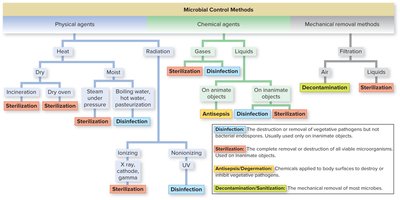
Historical methods include salting, smoking, pickling, drying, sunlight exposure, burning, and storing water in copper/silver containers.
Relative Resistance of Microbial Types
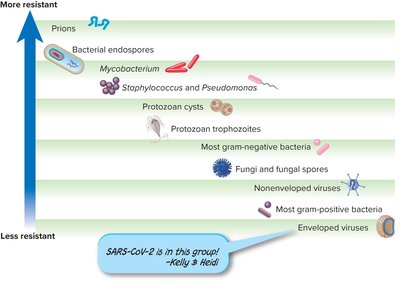
Microorganisms vary in their resistance to control agents. Understanding this hierarchy is crucial for selecting appropriate methods.
Most resistant: Prions, bacterial endospores
Moderately resistant: Mycobacterium, Staphylococcus, Pseudomonas, protozoan cysts
Less resistant: Fungi, gram-negative bacteria, nonenveloped viruses, gram-positive bacteria, enveloped viruses
Microbicidal vs. Microbistatic Agents
Agents used in microbial control can either kill microbes or inhibit their growth.
Microbicidal agents: Kill microorganisms (e.g., bactericides, fungicides, virucides, sporicides).
Microbistatic agents: Inhibit microbial growth without killing (e.g., bacteristatic, fungistatic chemicals).
Cellular Targets for Physical and Chemical Agents
Microbial control agents act on specific cellular targets:
Cell wall: Disruption leads to cell lysis.
Cell membrane: Loss of selective permeability and leakage of vital molecules.
Cellular synthetic processes: Inhibition of DNA/RNA synthesis.
Proteins: Denaturation or inactivation of enzymes.
Methods of Physical Control
Heat-Based Methods
Heat is the most widely used method for microbial control, with moist and dry heat having distinct mechanisms and applications.
Moist heat: Uses hot water, boiling, or steam (60–135°C). Causes protein denaturation and coagulation.
Dry heat: Uses air heated by flame or electric coil (160°C and above). Dehydrates and oxidizes cells.
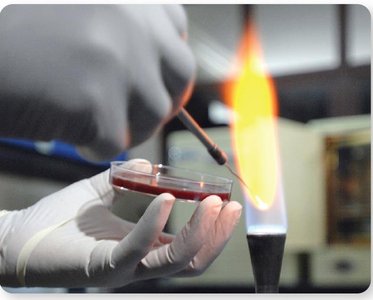
Incineration
Incineration ignites and reduces microbes to ashes and gas. Common in laboratories for sterilizing loops and needles.
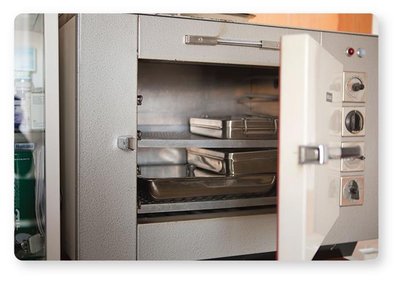
Hot-Air Oven
Hot-air ovens sterilize by exposing items to 150–180°C for 2–4 hours. Used for glassware and metal instruments.
Comparison of Moist and Dry Heat
Temperature (°C) | Time to Sterilize (min) | Method |
|---|---|---|
121 | 15 | Moist heat |
134 | 3 | Moist heat |
160 | 120 | Dry heat |
170 | 60 | Dry heat |
Steam Under Pressure (Autoclave)
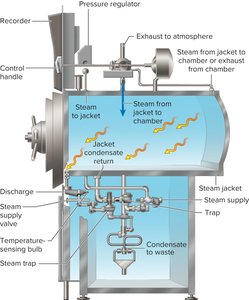
Autoclaves use steam under pressure (15 psi, 121°C for 15 min) to sterilize heat-resistant materials.
Cold and Desiccation
Cold treatment slows microbial activity but does not kill most microbes. Desiccation removes water, inhibiting growth.
Lyophilization: Combines freezing and drying for long-term preservation of cultures.
Radiation
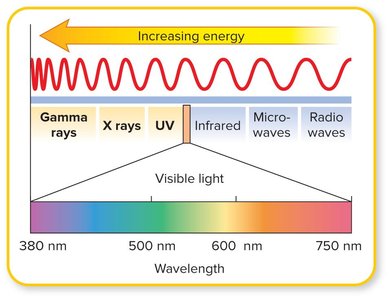
Radiation is used for sterilization and disinfection. Two main types:
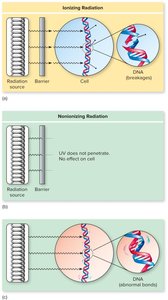
Ionizing radiation: Gamma rays, X-rays; causes DNA mutations and sterilizes without heat.
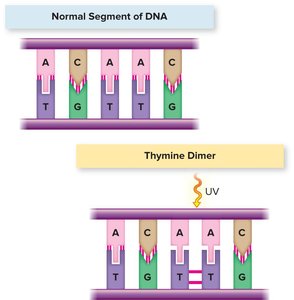
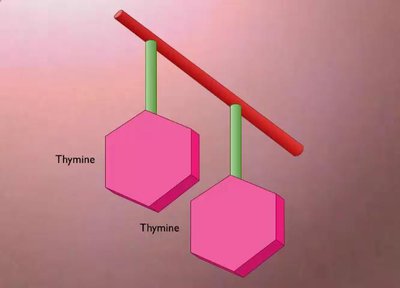
Nonionizing radiation: UV rays; forms abnormal DNA bonds (thymine dimers), inhibits replication.
Filtration
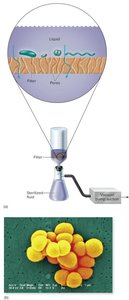
Filtration removes microbes from air and liquids by passing fluids through filters with defined pore sizes.
Applications: Used for heat-sensitive liquids, water purification, and air decontamination.
Osmotic Pressure
High concentrations of salt or sugar create hypertonic environments, causing plasmolysis and inhibiting microbial growth. Used in food preservation (e.g., cured meats, jams).
Methods of Chemical Control
Desirable Qualities of Chemical Agents
Effective chemical agents should act rapidly at low concentrations, be stable, broad-spectrum, non-toxic, penetrate surfaces, resist inactivation, and be affordable.
Levels of Germicides
High-level: Kill endospores; used for critical items.
Intermediate-level: Kill fungal spores, resistant pathogens, viruses; used for semi-critical items.
Low-level: Eliminate vegetative bacteria, fungi, some viruses; used for noncritical items.
Cellular Targets of Germicides
Proteins: Denature or inactivate enzymes.
Cell membrane: Disrupt membrane integrity.
Nucleic acids: Some chemicals affect DNA/RNA.
Cell wall: Antibiotics may target cell wall synthesis.
Halogens
Chlorine
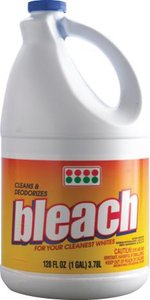
Chlorine compounds (liquid, gas, hypochlorites, chloramines) kill endospores and most microbes. Used for water disinfection, wound treatment, and sanitizing equipment.
Iodine
Iodine solutions and iodophors are used as antiseptics and disinfectants. Effective against most microbes but can irritate skin.
Phenolics
Phenol and derivatives disrupt cell membranes and proteins. Used in limited applications due to toxicity. Chlorhexidine is a safer phenolic used in hand scrubs and surgical prep.
Alcohols
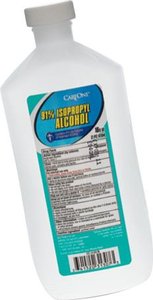
Ethyl and isopropyl alcohols denature proteins, disrupt membranes, and dehydrate cells. Used for skin degerming and equipment disinfection.
Peroxygens (Oxidizing Agents)
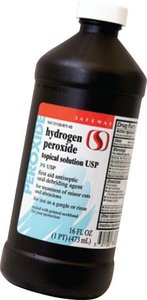
Hydrogen peroxide and peracetic acid kill endospores and other microbes by producing reactive oxygen species. Used for wound cleansing and sterilizing instruments.
Surfactants (Detergents)
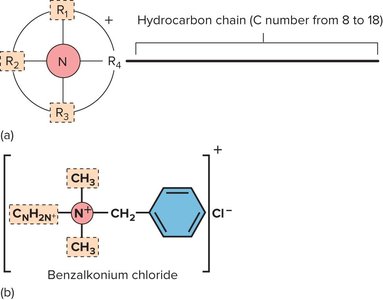
Surfactants disrupt cell membranes, causing loss of selective permeability. Quaternary ammonium compounds (quats) are effective against many microbes but not endospores.
Heavy Metals
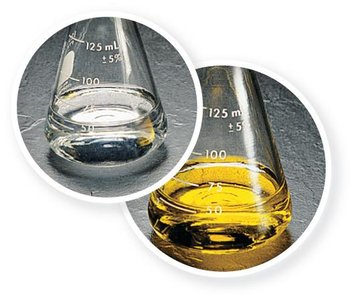
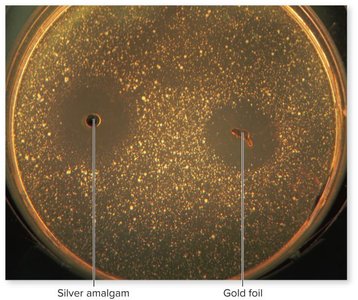
Mercury and silver compounds denature proteins. Used as antiseptics and preservatives but can be toxic and cause allergic reactions.
Aldehydes
Glutaraldehyde and formaldehyde are potent sterilants, acting by denaturing proteins. Used for sterilizing medical equipment.
Gaseous Sterilants
Ethylene oxide and chlorine dioxide sterilize by reacting with DNA and proteins. Used for delicate instruments and medical devices.
Acids and Alkalis
Organic acids are used in food preservation; large pH changes can be corrosive.
Essential Oils
Plant-derived essential oils have antimicrobial properties and are approved for use in some products.
Summary Table: Groups and Modes of Action
Group | Mode of Action |
|---|---|
Surfactants | Cell Membrane (CM) inhibitors |
Aldehydes | Protein Function (PF) inhibitors |
Alcohol | Both (CM and PF) |
Acids and Bases | Protein Function (PF) inhibitors |
Phenol | Both (CM and PF) |
Peroxygens | Protein Function (PF) inhibitors |
Halogens | Protein Function (PF) inhibitors |
Heavy Metals | Protein Function (PF) inhibitors |
Practical Applications and Scenarios
Microbial control methods are chosen based on the item, required level of control, and practical concerns such as cost, safety, and material compatibility.
Critical devices: Require sterilization.
Semicritical devices: Require high-level disinfection.
Noncritical devices: Require low-level disinfection.
Key Equations and Definitions
Thermal death time (TDT): The shortest time required to kill all microbes at a specified temperature.
Thermal death point (TDP): The lowest temperature required to kill all microbes in 10 minutes.
Example equation:
Conclusion
Effective microbial control requires understanding the resistance of different microbes, the mechanisms of physical and chemical agents, and the practical considerations for each method. Selection of the appropriate method ensures safety and efficacy in medical, laboratory, and everyday settings.
