 Back
BackPlant Biotechnology: Genetic Manipulation and Propagation Techniques
Study Guide - Smart Notes
 Tailored notes based on your materials, expanded with key definitions, examples, and context.
Plant Biotechnology
Introduction to Plant Biotechnology
Plant biotechnology is a branch of science that involves the application of genetic engineering and tissue culture techniques to improve plant traits and propagate plants efficiently. It plays a crucial role in modern agriculture, food security, and sustainable development by enabling the creation of genetically modified organisms (GMOs) and the propagation of plants with desirable characteristics.


Objectives of Plant Biotechnology
Key Learning Goals
The main objectives in plant biotechnology include understanding transgenic organisms, genetic manipulation of plants, methods of plant propagation, and engineering plants for improved traits such as fruit ripening, insect resistance, viral resistance, herbicide resistance, and nutritional quality.

Transgenic Organisms and GMOs
Definition and Examples
A transgenic organism is an organism whose genome has been altered to include a foreign gene from another species. Genetically modified organisms (GMOs) are produced using modern genetic engineering techniques, allowing the insertion of genes that confer new traits. GMOs include bacteria, yeast, insects, plants, fish, and mammals.

Genetic Manipulation of Plants
Agrobacterium tumefaciens-Mediated Transformation
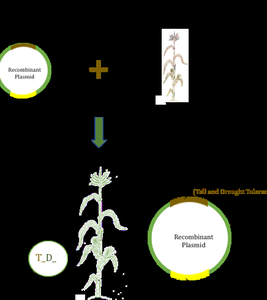
Agrobacterium tumefaciens is a soil bacterium used as a tool for plant genetic engineering. It naturally transfers DNA (T-DNA) from its Ti plasmid into plant cells, causing crown gall disease. Scientists exploit this mechanism to introduce desired genes into plants, replacing the tumor-inducing region with the gene of interest.


Classical vs. Genetic Engineering Approaches
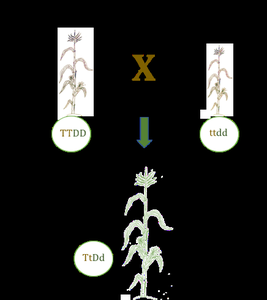
Traditional plant breeding involves selective breeding and hybridization, which are limited by the gene pool and are time-consuming. Genetic engineering allows rapid and precise introduction of desired traits, such as herbicide resistance and improved nutritional content.
Methods of Plant Propagation
Micropropagation, Organogenesis, Somatic Embryogenesis, Synthetic Seeds, Anther Culture
Plant propagation methods include:
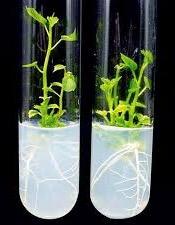
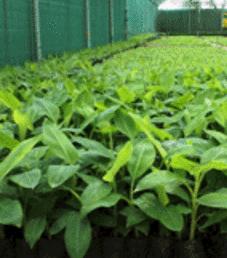
Micropropagation: In vitro propagation of plants using tissue culture techniques, exploiting cell totipotency.
Organogenesis: Formation of organs (roots, shoots) from explant tissues.
Somatic Embryogenesis: Development of embryo-like structures from somatic cells.
Synthetic Seeds: Encapsulation of somatic embryos for storage and transport.
Anther Culture: Culturing anthers to produce haploid plants.

Engineering Fruit Ripening: Flavr Savr Tomato
Antisense Technology
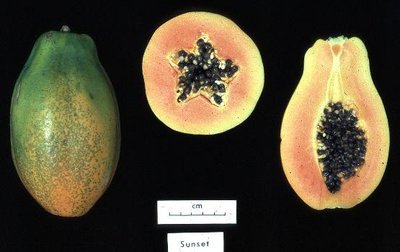
The Flavr Savr tomato was engineered to delay fruit softening and extend shelf life. Antisense technology was used to suppress the polygalacturonase gene, reducing enzyme production responsible for fruit ripening.



Engineering Insect Resistance: Bt Crops
Bacillus thuringiensis Gene
Transgenic crops expressing the Bacillus thuringiensis (Bt) gene produce a protein toxic to certain insect pests, reducing the need for chemical pesticides and increasing crop yields.


Engineering Viral and Herbicide Resistance
Genetic Approaches
Plants can be engineered for viral resistance by introducing genes that interfere with viral replication. Herbicide resistance is achieved by inserting genes that allow plants to survive herbicide application, facilitating weed control.


Engineering Nutritional Quality: Golden Rice
Biofortification
Golden Rice is a genetically modified rice variety engineered to produce beta-carotene, a precursor of vitamin A, addressing vitamin A deficiency in populations relying on rice as a staple food.


Cloning Vectors and Hosts
Plasmid Vectors and Bacterial Hosts
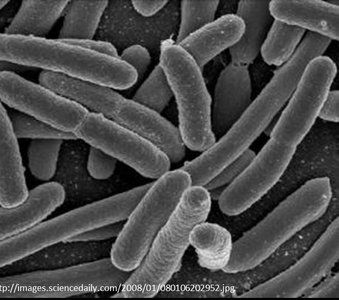
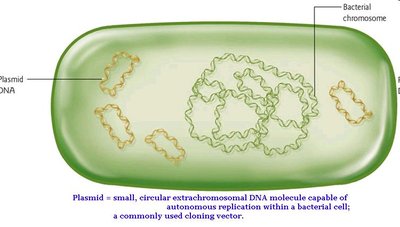
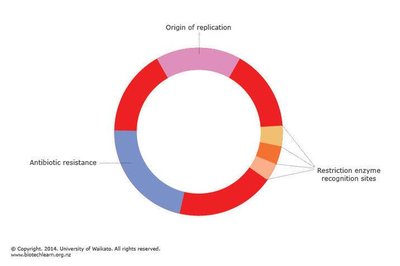
Plasmids are small, circular DNA molecules used as vectors to carry genes of interest. They contain an origin of replication, selectable marker genes, and multiple cloning sites. Escherichia coli is commonly used as a host for gene cloning due to its rapid growth and ease of manipulation.


Screening and Selection of Transformants
Reporter Genes and Marker Systems
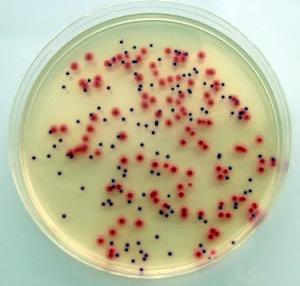
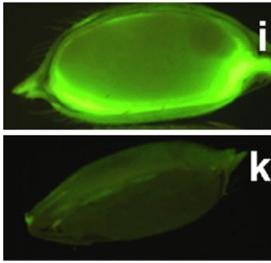
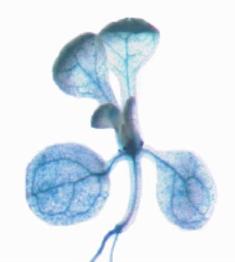
Transformed cells are identified using selectable marker genes (e.g., antibiotic resistance) and reporter genes (e.g., GFP, GUS, LUC). These markers facilitate the detection and selection of successfully modified cells.
Applications of Plant Biotechnology
Impact on Agriculture and Food Security
Plant biotechnology enables the propagation of disease-free plants, conservation of rare species, creation of gene banks, and production of crops with improved traits. It supports sustainable agriculture and addresses global food challenges.

Summary Table: Classical Breeding vs. Genetic Engineering
Aspect | Classical Breeding | Genetic Engineering |
|---|---|---|
Gene Pool | Limited to related species | Any organism |
Speed | Slow, generations required | Rapid, direct trait introduction |
Specificity | Low, undesirable genes may be transferred | High, precise trait selection |
Examples | Hybridization, mutation | Transgenic crops, GMOs |
References
Slater, A., Scott, N. W., & Fowler, M. R. (2008). Plant biotechnology: The genetic manipulation of plants. Oxford: Oxford University Press.
Oliver M. J. (2014). Why we need GMO crops in agriculture. Missouri medicine, 111(6), 492–507.
FAO. 2019b. FAOSTAT Production Statistics. Rome: Food and Agriculture Organization of the United Nations.
