 Back
BackPolymerase Chain Reaction (PCR): Principles, Process, and Applications
Study Guide - Smart Notes
 Tailored notes based on your materials, expanded with key definitions, examples, and context.
The Polymerase Chain Reaction (PCR)
Introduction to PCR
The Polymerase Chain Reaction (PCR) is a revolutionary molecular biology technique developed in 1983 by Kary Mullis. PCR enables the amplification of millions of copies of a specific DNA sequence from a small initial sample, making it a cornerstone of modern microbiology, genetics, and biotechnology. The process is rapid, cost-effective, and can be performed manually or using a thermal cycler.
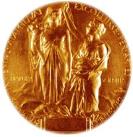
Discovery: Kary Mullis, 1983; awarded the Nobel Prize in Chemistry in 1993.
Purpose: Amplification of target DNA sequences for analysis, cloning, diagnostics, and research.
Key Ingredients: DNA template, primers, DNA polymerase, dNTPs, Mg2+, buffer.
Essential Components of PCR
Each PCR reaction requires several critical components, each with a specific role:
DNA Template: The DNA sequence to be amplified.
Primers: Short, synthetic oligonucleotides (13–25 nucleotides) that anneal to sequences flanking the target region. They provide a starting point for DNA synthesis.
DNA Polymerase: An enzyme that synthesizes new DNA strands. Taq polymerase from Thermus aquaticus is commonly used due to its heat resistance.
dNTPs (deoxynucleotide triphosphates): Building blocks for new DNA strand synthesis (dATP, dTTP, dCTP, dGTP).
Mg2+: A cofactor required for DNA polymerase activity.
Buffer: Maintains optimal pH and ionic strength for the reaction.
Source of DNA Polymerase
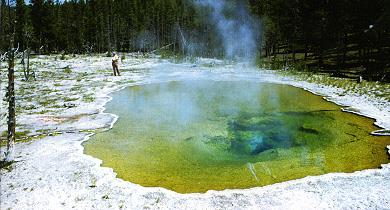
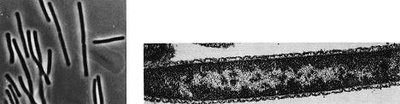
The heat-stable DNA polymerase used in PCR is typically derived from thermophilic bacteria such as Thermus aquaticus, which thrive in high-temperature environments like hot springs. This enzyme, known as Taq polymerase, remains active during the high-temperature denaturation steps of PCR.
Principles and Steps of PCR
Overview of PCR Amplification
PCR achieves exponential amplification of a target DNA sequence through repeated cycles of three main steps: denaturation, annealing, and extension. Each cycle doubles the amount of target DNA, leading to millions or billions of copies after 20–45 cycles.
PCR Cycle: Step-by-Step
The PCR process involves the following steps:
Denaturation: The double-stranded DNA is heated to 94°C to separate it into single strands.
Annealing: The reaction is cooled to 37–65°C, allowing primers to bind (anneal) to their complementary sequences on the single-stranded DNA.
Extension: The temperature is raised to 70–75°C, and Taq polymerase synthesizes new DNA strands by adding dNTPs to the primers.
Repetition: These steps are repeated for 20–45 cycles, resulting in exponential amplification of the target DNA.
Detailed Mechanism of Each PCR Step
Denaturation (94°C): Double-stranded DNA melts open to single strands; all enzymatic reactions stop.
Annealing (primer melting temperature): Primers hybridize to complementary sequences; hydrogen bonds form if the match is exact.
Extension (72°C): DNA polymerase adds nucleotides to the 3' end of each primer, synthesizing new DNA in the 5' to 3' direction.
Verification of PCR Products
Gel Electrophoresis
To confirm successful amplification, PCR products are analyzed using agarose gel electrophoresis. This technique separates DNA fragments based on size by applying an electric field to a gel matrix. DNA fragments migrate toward the positive electrode, with shorter fragments moving faster.
Ladder: A set of DNA fragments of known sizes is run alongside samples for comparison.
Staining: Gels are stained with DNA-specific dyes (e.g., ethidium bromide) for visualization under UV light.
Equipment Used in PCR and Electrophoresis
Key equipment includes the thermal cycler (for PCR), gel casting trays and combs (for making wells), electrophoresis rigs, and power supplies. Pipettes are used to load samples into the gel wells.
Applications of PCR
Practical Uses of PCR
PCR is an essential tool in modern science with a wide range of applications:
Amplification of DNA for cloning and sequencing
Gene mapping and regulatory sequence analysis
Linkage analysis for trait/disease gene identification
Medical diagnostics (disease and pathogen detection)
Forensic analysis (e.g., crime scene investigations, paternity testing)
Population genetics and evolutionary studies
Detection of genetically modified organisms (GMOs)
Wildlife management and livestock pedigree analysis
Summary Table: PCR Ingredients and Their Roles
Ingredient | Role in PCR |
|---|---|
DNA Template | Contains the target sequence to be amplified |
Primers | Define the region to be amplified; provide starting point for DNA synthesis |
DNA Polymerase (Taq) | Synthesizes new DNA strands; heat-stable |
dNTPs | Building blocks for new DNA strand |
Mg2+ | Cofactor for DNA polymerase activity |
Buffer | Maintains optimal pH and ionic strength |
Common Questions for Review
What are the ingredients in a PCR reaction? What is the role of each ingredient?
What is a primer? What considerations are involved in primer design?
What are the steps of a PCR cycle? Why is each step necessary?
What are some reasons that PCR reactions would fail?
Why do DNA fragments migrate through an agarose gel during electrophoresis?
What information can be determined from examining an electrophoretic gel of PCR products?
What are examples of the uses of PCR products?
Key Equations
Exponential Amplification: The number of DNA copies after n cycles is given by: where is the initial number of DNA molecules and is the number of cycles.
Additional info: PCR is foundational for many advanced molecular biology techniques, including quantitative PCR (qPCR) for measuring gene expression and reverse transcription PCR (RT-PCR) for RNA analysis.
