 Back
Principles of Disease and Epidemiology: Study Guide
Study Guide - Smart Notes
 Tailored notes based on your materials, expanded with key definitions, examples, and context.
Principles of Disease and Epidemiology
Pathology, Etiology, Infection, and Disease
Pathology is the scientific study of disease, focusing on its causes, development, and effects on the body. Etiology refers to the cause of a disease, while pathogenesis describes the progression of disease. Infection is the invasion or colonization of the body by pathogens, and disease is the abnormal state resulting from infection, impairing normal body functions.
Pathology: Study of disease, including etiology, pathogenesis, physiological changes, and final effects.
Etiology: The cause of a disease.
Infection: Invasion or colonization by pathogens.
Disease: Abnormal state of health due to infection.
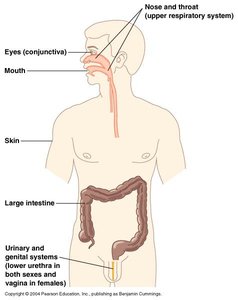
Normal Flora and Host Relationships
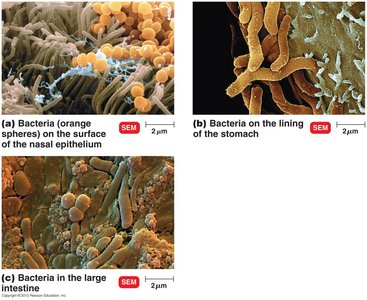
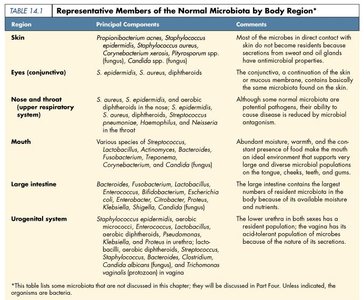
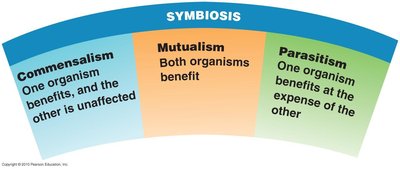
Normal flora are microorganisms that reside in specific regions of the body without causing disease under normal conditions. They play a crucial role in microbial antagonism, preventing the overgrowth of harmful microbes. The relationship between normal flora and the host can be commensal, mutualistic, or parasitic.
Microbial antagonism: Competition between normal flora and pathogens.
Examples: Candida albicans can cause infection if normal flora are eliminated; Escherichia coli produces bacteriocins to inhibit pathogens; Clostridium difficile causes gastrointestinal infections after antimicrobial therapy.
Koch’s Postulates and Etiology of Infectious Disease
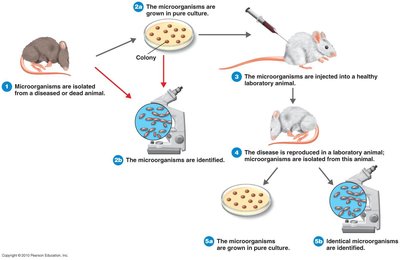
Koch’s postulates are a set of criteria used to establish the causative relationship between a microorganism and a disease. They are fundamental in identifying pathogens but have limitations, such as inability to culture certain organisms.
1. The same pathogen must be present in every case of the disease.
2. The pathogen must be isolated and grown in pure culture.
3. The cultured pathogen must cause the disease when inoculated into a healthy host.
4. The pathogen must be re-isolated from the experimentally infected host.
Limitations: Some pathogens cannot be cultured (e.g., Treponema pallidum, Mycobacterium leprae).
Definitions: Symptoms, Signs, and Syndromes
Symptoms are subjective changes felt by the patient, while signs are objective changes observable or measurable by others. A syndrome is a group of symptoms or signs that collectively characterize a disease.
Symptoms: Pain, malaise, etc.
Signs: Fever, elevated white blood cell count, lesions.
Syndrome: Combination of symptoms and signs.

Classification of Infectious Diseases
Infectious diseases are classified based on their onset, duration, and mode of transmission.
Acute: Rapid onset, short duration.
Chronic: Slow onset, long duration.
Latent: Pathogen remains inactive for a period.
Communicable: Spread from host to host.
Contagious: Easily spread between individuals.
Non-communicable: Not spread between hosts.
Occurrence of Disease: Incidence and Prevalence
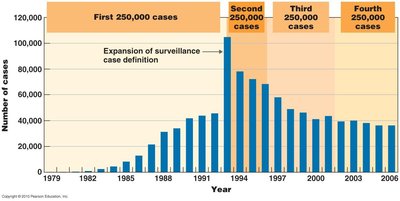
Incidence measures the number of new cases in a specific time period, while prevalence measures the total number of cases (old and new) at a given time. These metrics help assess the spread and severity of diseases.
Incidence: New cases over a time period.
Prevalence: Total cases at a specific time.
Frequency and Patterns of Disease
The frequency of disease occurrence is described as sporadic, endemic, epidemic, or pandemic. Herd immunity refers to a large proportion of a population being immune, reducing disease spread.
Sporadic: Occasional cases (e.g., West Nile Virus).
Endemic: Constantly present (e.g., common cold).
Epidemic: Sudden increase in cases (e.g., influenza).
Pandemic: Worldwide spread (e.g., HIV).
Herd immunity: Population-level immunity.
Types of Infections and Host Involvement
Infections are categorized by their location and progression within the host.
Local: Confined to a small area (e.g., boils).
Systemic: Spread throughout the body (e.g., measles).
Focal: Local infection spreads via blood or lymph.
Primary: Initial illness.
Secondary: Subsequent infection by opportunistic pathogens.
Subclinical: Inapparent infection.
Bloodborne Terms: Bacteremia, Septicemia, Toxemia, Viremia
These terms describe the presence of pathogens or their products in the blood.
Bacteremia: Presence of bacteria in the blood.
Septicemia: Rapid multiplication of bacteria in the blood.
Toxemia: Presence of toxins in the blood.
Viremia: Presence of viruses in the blood.
Reservoirs and Spread of Infection
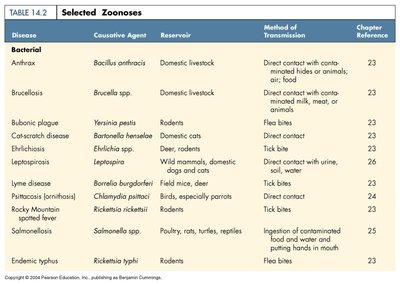
Reservoirs are continual sources of infection, including humans, animals (zoonoses), and non-living sources like soil and water.
Human: Symptomatic or asymptomatic carriers.
Animal: Zoonotic reservoirs; zoonoses are diseases transmitted from animals to humans.
Non-living: Soil and water (e.g., ringworm, Clostridium species).


Modes of Disease Transmission
Diseases are transmitted via contact, vehicles, and vectors.
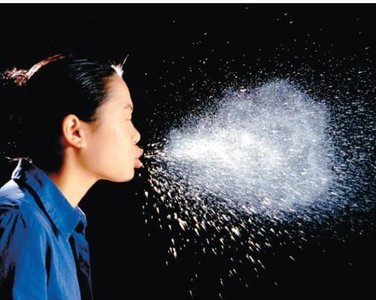
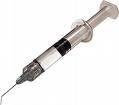
Contact transmission: Direct (person-to-person), droplet (short-range), indirect (fomites).
Vehicle transmission: Via food, water, blood, or airborne particles.
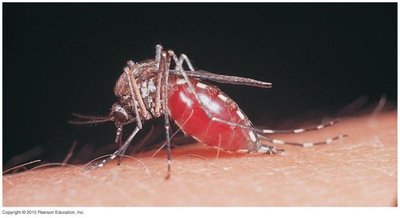
Vector transmission: Mechanical (passive transport) or biological (active process, e.g., mosquito bite).
Development and Patterns of Disease
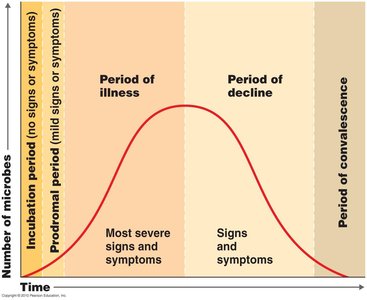
Several factors influence disease development, including gender, age, genetics, climate, nutrition, and fatigue. The course of disease follows distinct stages: incubation, prodromal, illness, decline, and convalescence.
Incubation period: No signs or symptoms.
Prodromal period: Mild signs or symptoms.
Period of illness: Most severe signs and symptoms.
Period of decline: Signs and symptoms subside.
Period of convalescence: Recovery.
Nosocomial (Healthcare-Associated) Infections
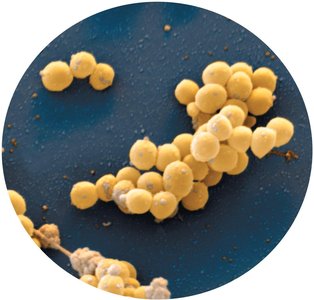
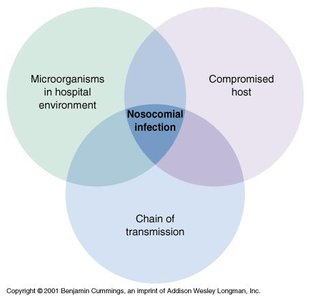
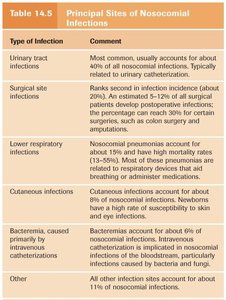
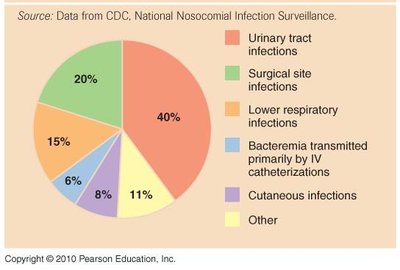
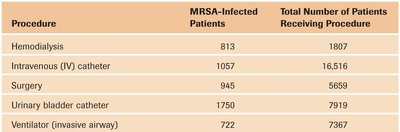
Nosocomial infections are acquired in healthcare settings and are a major cause of morbidity and mortality. They result from a combination of microorganisms in the environment, compromised hosts, and chains of transmission.
Common sites: Urinary tract, surgical sites, respiratory tract, skin, bloodstream.
Prevention: Handwashing, universal precautions, aseptic technique, staff education, isolation rooms.

Epidemiology
Epidemiology is the science of studying the incidence, distribution, and control of diseases in populations. It involves descriptive, analytical, and experimental studies to establish chains of infection and inform public health interventions.
Descriptive: Collection and analysis of data (often retrospective).
Analytical: Case-control and cohort studies to determine causes.
Experimental: Controlled experiments.
Case reporting: Notifiable diseases must be reported to health agencies.
CDC: Central source for epidemiological information; publishes Morbidity and Mortality Weekly Report (MMWR).
Morbidity: Number of people affected relative to population.
Mortality: Number of deaths relative to population.

Emerging Infectious Diseases
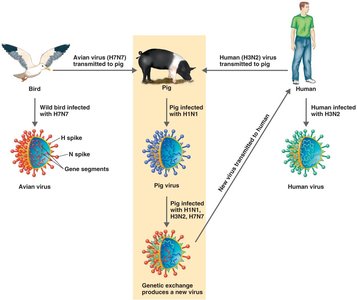
Emerging infectious diseases are those whose incidence has increased in recent years or threatens to increase in the near future. They may result from genetic changes, environmental factors, or human behavior.
Additional info:
Incidence and prevalence are fundamental epidemiological measures, often used to track outbreaks and inform public health responses.
Nosocomial infections are a major concern in modern healthcare, requiring strict infection control protocols.
Koch's postulates, while foundational, are not always applicable to all pathogens, especially those that cannot be cultured or require specific host conditions.
