 Back
BackChapter 9 Principles of Infectious Disease and Epidemiology: Study Notes
Study Guide - Smart Notes
 Tailored notes based on your materials, expanded with key definitions, examples, and context.
Disease Terminology
Basic Definitions and Principles
Understanding infectious disease and epidemiology requires familiarity with key terms and concepts. Infectious disease refers to illness caused by a pathogen, while epidemiology is the study and control of disease occurrence to promote public health.
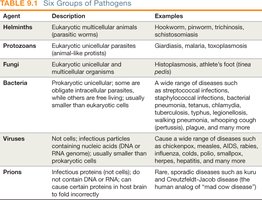
Pathogens include viruses, prions, bacteria, protozoans, helminths, and fungi.
Opportunistic pathogens cause disease only in weakened hosts.
True pathogens can cause disease in healthy hosts.
Frequency and Spread of Disease
Sporadic: Isolated infections in a population (e.g., Ebola).
Endemic: Routinely detected in a population or region (e.g., head colds).
Epidemic: Widespread outbreak in a region during a specific time.
Pandemic: Epidemic that spreads to multiple countries.
Emerging pathogens: Newly identified or previously rare agents (e.g., Zika).
Reemerging pathogens: Previously controlled agents now resurfacing (e.g., antibiotic-resistant bacteria).
Modes of Disease Transmission
Communicable diseases: Transmit from human to human.
Contagious diseases: Easily transmitted between hosts.
Zoonotic diseases: Spread from animals to humans.
Noncommunicable diseases: Do not spread person-to-person.
Signs, Symptoms, and Infection Types
Signs: Objective, measurable indicators (e.g., fever, rash).
Symptoms: Subjective, felt by the patient (e.g., pain, fatigue).
Latent infection: Asymptomatic, with no signs or symptoms.
Onset and Duration
Acute diseases: Rapid onset and progression.
Chronic diseases: Slow onset and progression.
Disease Transmission
Sources of Pathogens
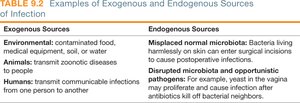
Pathogens originate from various sources, which can be classified as endogenous (from the host's own body) or exogenous (external to the host).
Modes of Transmission
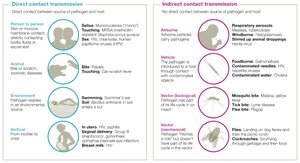
Transmission is generally categorized as direct or indirect contact.
Everyday Transmission Myths
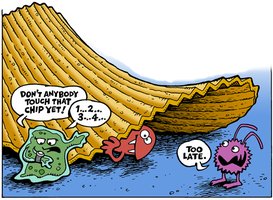
5 Second Rule: Brief exposure to contaminated surfaces can still result in contamination.
Double Dipping: Adds only a few more microbes, but most foods already contain bacteria.

Stages of Disease
Progression of Infectious Disease
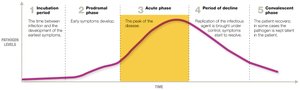
Many infectious diseases follow five basic stages:
Incubation period: Time between infection and symptom development.
Prodromal phase: Mild, early symptoms appear.
Acute phase: Full-blown, classical symptoms (clinical infection).
Period of decline: Pathogen replication decreases, symptoms resolve.
Convalescent phase: Pathogen eliminated, recovery begins.
Asymptomatic and Latent Infections
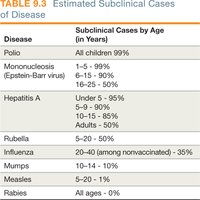
Subclinical cases: Mild or no symptoms; prodromal and acute phases may go unnoticed.
Latent infections: Pathogen remains dormant and may reactivate later.
Chronic carriers: Harbor pathogens long-term without symptoms.
Epidemiology Essentials
Core Concepts
Epidemiology studies diseases in populations to understand and prevent illness. The two main goals are to describe disease patterns and intervene to improve public health.
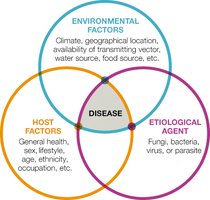
Epidemiological triangle: Host, etiological agent, and environment interact to influence disease.
Factors Affecting Disease Transmission
Host range: Some pathogens infect only specific hosts.
Host factors: Age, health, nutrition, and immune status affect disease progression.
Personal habits: Hand washing, clean water, and avoiding risky behaviors reduce risk.

Prevention Strategies
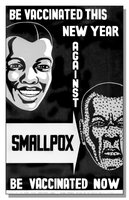
Education: Vaccination campaigns, prenatal care, and STD awareness.
Vector control: Reducing populations of fleas, mosquitoes, and ticks.
Quarantine: Isolating individuals to prevent disease spread.

Public Health Agencies and Surveillance
CDC: Central source for epidemiological information in the U.S.
20 quarantine stations at major entry points in the U.S.

Measuring Disease Frequency
Population: Defined group of people.
Morbidity: Existence of disease in a population.
Mortality: Number of deaths in a specific period.
Prevalence: Morbidity in a population during a specified time.
Incidence rate: Number of new cases in a defined time frame.
Types of Epidemiological Studies
Descriptive epidemiology: Identifies who, where, and when; yields testable hypotheses.
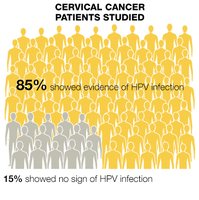
Analytical epidemiology: Investigates causes, prevention, and treatment; includes observational and experimental studies.
Hospital Epidemiology
Healthcare-Associated Infections (HAIs)
Hospital epidemiology focuses on the surveillance, prevention, and control of HAIs, which are infections acquired during healthcare interventions.
Common sources: Contaminated medical devices and healthcare workers' hands.
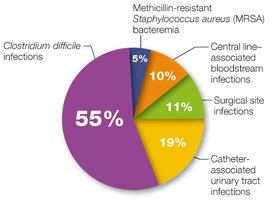
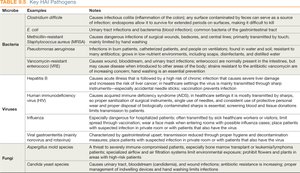
Common HAIs: Clostridium difficile infections, catheter-associated UTIs, surgical wound infections, MRSA bacteremia, device-related bloodstream infections, ventilator-associated pneumonia.
Prevention and Control
Up to 70% of HAIs are preventable with proper surveillance and infection control measures.
Basic measures: Hand washing, PPE, sanitization, equipment sterilization, patient isolation.
Catheter and central line infections: Strict aseptic technique is essential.

Surveillance
Public Health Surveillance Systems
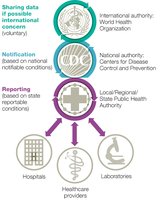
CDC's National Notifiable Diseases Surveillance System (NNDSS) monitors and reports certain diseases.
Reportable diseases must be documented and reported up the chain to the CDC.
CDC publishes the Morbidity and Mortality Weekly Report (MMWR).
Eradication
Principles and Challenges
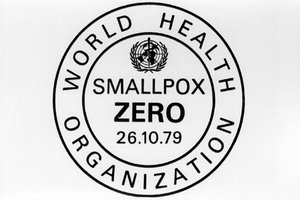
Eradication: No cases of a disease exist anywhere in the world (e.g., smallpox in 1977).
Best candidates: Easily identifiable, treatable/preventable, human-specific pathogens.
Latent infections are harder to eradicate.
Requires strong social and political support.
Ethical Issues in Epidemiology
Balancing Individual Rights and Public Good
Public health priorities should be evidence-based.
Historical abuses (e.g., Tuskegee syphilis experiment) highlight the need for informed consent.
Modern research requires high ethical standards and informed consent.
Genetic research raises concerns about discrimination; laws like the Genetic Information Nondiscrimination Act offer some protections.
Vaccination and Herd Immunity
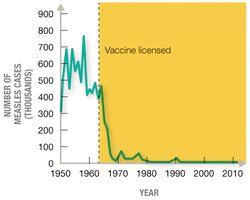
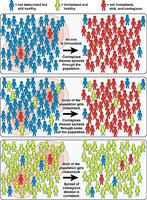
Vaccination programs protect individuals and communities.
Herd immunity occurs when ~85% of the population is immune, preventing disease spread.
Debates exist over balancing individual choice and community safety.
Sample Questions for Review
Epidemic: A widespread disease outbreak in a particular region during a specific time frame.
Pandemic: An epidemic that spreads to numerous countries.
Reservoir: The animate or inanimate habitat where a pathogen is naturally found.
Vertical transmission: Specialized form of direct contact transmission from mother to offspring.
Period of decline: Time when replication of the infectious agent is controlled and symptoms resolve.
Breaking the epidemiological triangle: Strategies include public education, quarantine, and vector control.
Gloves are not a replacement for hand washing.
Bacteria are the most common cause of HAIs.
Common HAI pathogens: Staphylococcus aureus, Clostridium difficile.
Prevalence: Total number of persons afflicted with a disease in the population.
