 Back
BackPrinciples of Infectious Disease and Epidemiology: Transmission and Disease Progression
Study Guide - Smart Notes
 Tailored notes based on your materials, expanded with key definitions, examples, and context.
Principles of Infectious Disease and Epidemiology
Disease Terminology
This section introduces foundational terms in infectious disease and epidemiology, essential for understanding how diseases spread and are classified.
Infectious disease: Illness caused by a pathogen (e.g., prions, viruses, bacteria, protozoans, helminths, fungi).
Opportunistic pathogens: Cause disease only when the host is weakened (e.g., immunocompromised individuals).
True pathogens: Can cause disease in healthy hosts without the need for a weakened immune system.
Epidemiology: The study and control of disease occurrence to promote public health.
Sporadic cases: Isolated infections in a population (e.g., Ebola).
Endemic infections: Routinely detected in a population or region (e.g., cold viruses).
Epidemic: Widespread outbreak in a region during a specific time frame.
Pandemic: Epidemic that spreads to more than one continent.
Emerging pathogens: Newly identified or geographically expanding agents (e.g., SARS-CoV-2, Zika virus).
Reemerging pathogens: Previously controlled agents that resurface.
Zoonotic diseases: Infections indigenous to animals that can spread to humans (e.g., rabies, hantavirus, West Nile virus, anthrax, plague, ringworm, toxoplasmosis, tapeworm).
Noncommunicable diseases: Not transmitted from host to host.
Communicable diseases: Transmitted from human to human.
Contagious diseases: Easily transmitted between hosts.
Signs: Objective indicators measurable by others (e.g., fever, rash, blood in stool).
Symptoms: Subjective experiences sensed by the patient (e.g., pain, fatigue, nausea).
Asymptomatic: No signs or symptoms present.
Acute diseases: Rapid onset and progression.
Chronic diseases: Slower onset and progression.
Reservoirs and Sources of Infection
Understanding where pathogens originate and how they are transmitted is crucial for disease control.
Reservoirs: Animate or inanimate habitats where pathogens are naturally found.
Sources: Entities that disseminate infectious agents from the reservoir to new hosts.
Endogenous source: Pathogen originates from the host's own body.
Exogenous source: Pathogen is external to the host.
Types of reservoirs:
Human
Animal/Arthropods
Nonliving (soil, water, food, air)
Modes of Transmission
Transmission refers to the spread of a pathogen from a source to a new host, typically via a portal of exit and entry. Modes are categorized as direct or indirect contact.
Direct Contact Transmission
Physical contact with the source (e.g., animal bite, touching, kissing, swimming in contaminated water).
Vertical transmission: Pathogen passes from mother to offspring during pregnancy or breastfeeding.


Indirect Contact Transmission
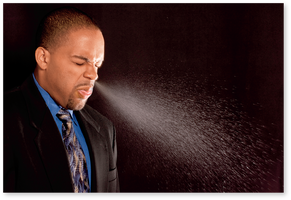
Airborne transmission: Pathogen enters via respiratory route (e.g., respiratory droplets, aerosols).
Vehicle transmission: Pathogen spread via contaminated water, food, soil.
Fomites: Inanimate objects that harbor and transmit pathogens (e.g., pens, doorknobs).
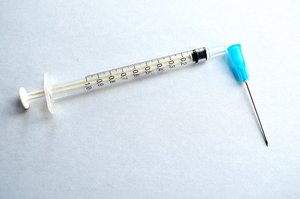
Parenteral transmission: Deep puncture wounds (e.g., nails, glass, needles).
Vector Transmission
Vectors: Usually arthropods that transmit pathogens.
Biological vector: Actively participates in pathogen's life cycle (e.g., ticks, mosquitoes).
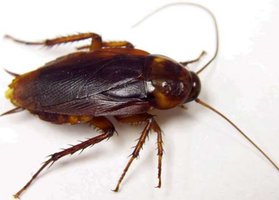
Mechanical vector: Transports pathogen without being infected (e.g., flies, rodents, cockroaches).
Five Stages of Disease Progression During Infections
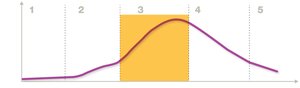
Infectious diseases typically progress through five stages, each with distinct clinical features.
Incubation period: Time between infection and earliest symptoms; no symptoms present. Duration varies by disease, pathogen virulence, infectious dose, and host immune system.
Prodromal phase: Early, nonspecific, mild symptoms appear; short duration. Some cases may be asymptomatic or subclinical.
Acute phase: Peak of disease; specific and potent symptoms. Patient is symptomatic and may seek medical attention.
Period of decline: Pathogen replication decreases, symptoms resolve, antibody titer is high. Patient begins to recover but may be vulnerable to secondary infections.
Convalescent phase: Pathogen eliminated, patient returns to normal health. Some may become chronic carriers or asymptomatic carriers, harboring the pathogen for extended periods.
Key Terms in Disease Progression
Infectivity: Ability of an agent to establish infection.
Pathogenicity: General ability to cause disease.
Virulence: Severity of disease following infection.
Examples of Asymptomatic Cases
Polio: 99% of children are asymptomatic.
COVID-19: 16% asymptomatic (pooled age-group data).
Rabies: 0% asymptomatic (all ages).
Carrier States
Chronic carrier: Pathogen exists in a dormant or latent state; may reactivate later.
Asymptomatic carrier: Harbors pathogen for extended periods without symptoms (e.g., Mary Mallon, "Typhoid Mary").
Additional info: Carrier states are critical in public health, as asymptomatic individuals can unknowingly spread disease.
