 Back
BackProkaryotic Phototrophy and Photosynthesis: Mechanisms and Diversity
Study Guide - Smart Notes
 Tailored notes based on your materials, expanded with key definitions, examples, and context.
Prokaryotic Phototrophy and Photosynthesis
Introduction to Phototrophy and Photosynthesis
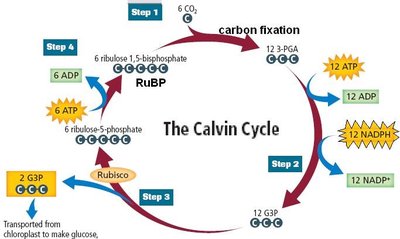
Phototrophy is the process by which organisms use light as an energy source to drive biosynthesis. Photosynthesis is a specific form of phototrophy that involves carbon fixation, converting carbon dioxide and water into glucose and oxygen. This process is fundamental to both prokaryotic and eukaryotic life, providing energy and organic molecules for cellular functions. - Phototrophy: Utilizes light energy for metabolic processes. - Photosynthesis: Fixes carbon dioxide into organic molecules, typically glucose. - General equation: - Endergonic reaction: Requires energy input from light. 
Diversity of Photosynthetic Organisms
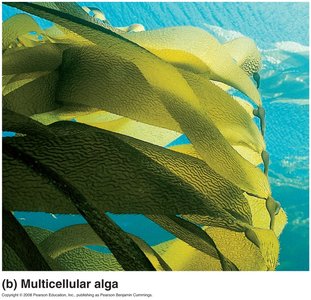
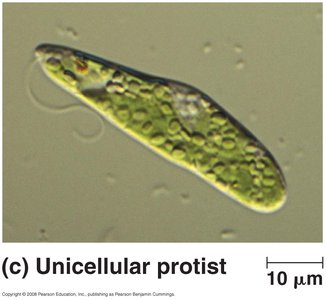
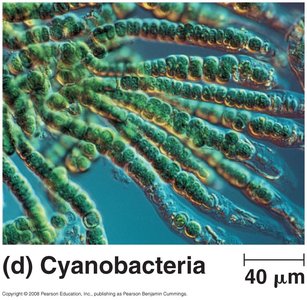
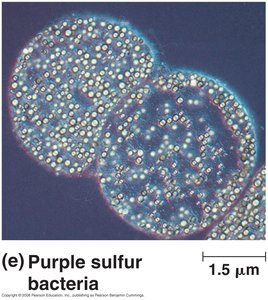
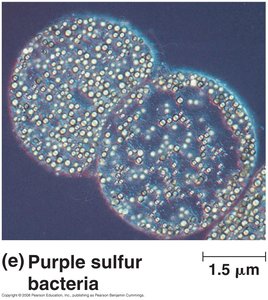
Photosynthetic organisms are diverse, spanning both prokaryotic and eukaryotic domains. Eukaryotes include plants, multicellular algae, and unicellular protists, while prokaryotes include cyanobacteria and purple sulfur bacteria. - Eukaryotes: Plants, algae, and protists. - Prokaryotes: Cyanobacteria, purple sulfur bacteria, green sulfur bacteria. - Ecological significance: These organisms are primary producers in various ecosystems. 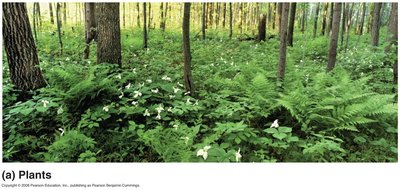
Stages of Photosynthesis
Photosynthesis occurs in two main stages: the light reactions and the Calvin cycle. The light reactions capture energy from sunlight to produce ATP and NADPH, while the Calvin cycle uses these molecules to fix carbon dioxide into sugars. - Light reactions: Convert light energy into chemical energy (ATP, NADPH). - Calvin cycle: Uses ATP and NADPH to synthesize carbohydrates from CO2. - Location: In eukaryotes, these processes occur in the chloroplast. 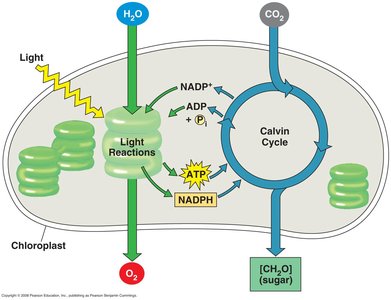
Principles of Phototrophy
Phototrophic organisms use light as a common energy source but may utilize different electron donors. The nature of the electron donor determines whether the process is oxygenic or anoxygenic. - Oxygenic phototrophy: Uses H2O as electron donor, produces O2. - Anoxygenic phototrophy: Uses other electron donors (e.g., H2S, S), does not produce O2. - Photoreceptors: Chlorophylls and bacteriochlorophylls are anchored to membranes and absorb light at specific wavelengths. 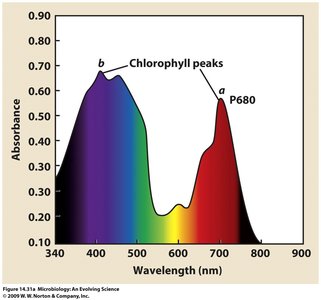
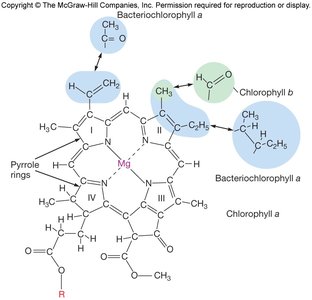
Light Harvesting by Photosystems
Photosystems are complexes that capture light energy and transfer it to a reaction center, where electron transfer begins. Antenna complexes surround the reaction center to maximize light absorption. - Photosystem: Consists of a reaction center (special chlorophyll + primary electron acceptor) and light-harvesting complexes. - Antenna complexes: Surround the reaction center to enhance light capture. 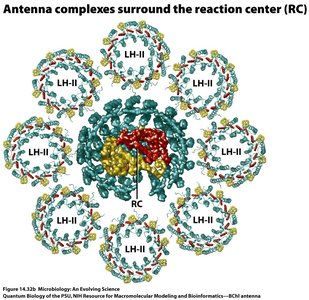
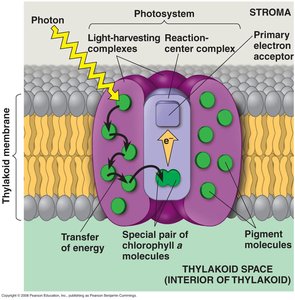
Oxygenic Photolysis (H2O Electron Donor)
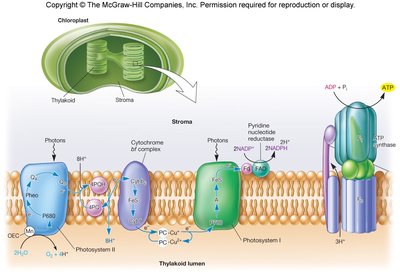
Oxygenic photosynthesis uses water as the electron donor, resulting in the production of oxygen, ATP, and NADPH. Two photosystems (PSI and PSII) are involved, and the process generates a proton motive force (PMF) for ATP synthesis. - Products: O2, NADPH, ATP. - Energy yield: 1 round produces O2 + 3 ATP + 2 NADPH. - Requirement: To synthesize one hexose, 18 ATP and 12 NADPH are needed. 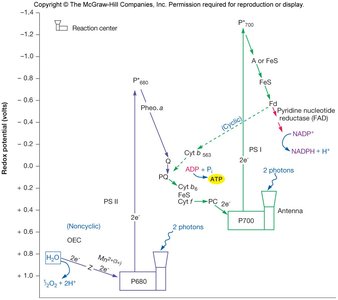
Anoxygenic Photolysis
Anoxygenic phototrophs are strict anaerobes and use electron donors other than water, such as H2S. Only one photosystem is used, and ATP is produced via PMF generated by the electron transport chain. NADPH may be produced by alternative mechanisms. - No O2 produced: Electron donors are not water. - Strict anaerobes: Examples include green sulfur bacteria and purple non-sulfur bacteria. - ATP production: Driven by PMF. - NADPH production: May require special mechanisms. 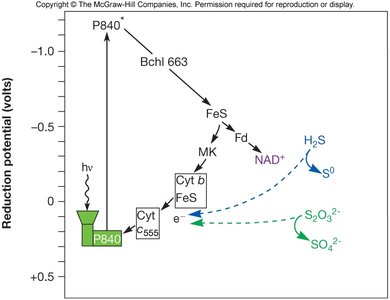
Phototrophic Processes: Chlorophyll-Based vs. Rhodopsin-Based
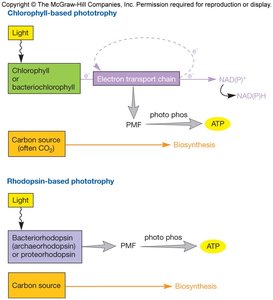
Phototrophy can be based on chlorophylls or rhodopsins. Chlorophyll-based phototrophy involves electron transport chains and biosynthesis, while rhodopsin-based phototrophy uses light-driven proton pumps for ATP generation. - Chlorophyll-based: Electron transport chain, PMF, ATP, NADPH, biosynthesis. - Rhodopsin-based: Light-driven proton pump, PMF, ATP, no NADPH, limited biosynthesis. 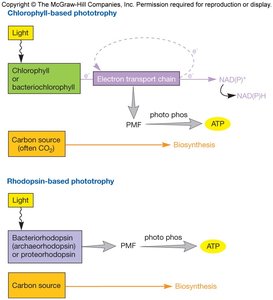
Bacteriorhodopsin-Based Phototrophy
Some archaea and bacteria use bacteriorhodopsin, a light-driven proton pump, for short-term energy generation under low oxygen conditions. This mechanism does not support anaerobic growth because O2 is required for retinal synthesis. - Bacteriorhodopsin: Membrane protein with retinal chromophore. - Function: Pumps protons across membrane to generate PMF and ATP. - Limitation: Cannot grow anaerobically; O2 needed for retinal synthesis. 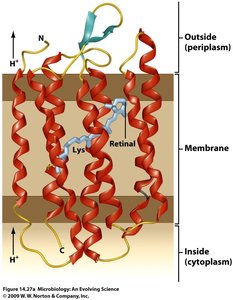
Comparison Table: Oxygenic vs. Anoxygenic Phototrophy
Feature | Oxygenic Phototrophy | Anoxygenic Phototrophy |
|---|---|---|
Electron Donor | H2O | H2S, S, organic compounds |
O2 Production | Yes | No |
Photosystems | Two (PSI, PSII) | One |
Organisms | Plants, algae, cyanobacteria | Green sulfur bacteria, purple bacteria |
ATP/NADPH Production | Both | ATP, NADPH (special mechanisms) |
Summary
Prokaryotic phototrophy and photosynthesis are diverse processes that utilize light energy for biosynthesis. Oxygenic and anoxygenic phototrophy differ in their electron donors, products, and mechanisms. Understanding these processes is essential for appreciating microbial metabolism and ecological roles. Key terms: Phototrophy, photosynthesis, oxygenic, anoxygenic, chlorophyll, bacteriochlorophyll, bacteriorhodopsin, Calvin cycle, proton motive force (PMF), ATP, NADPH. Example: Cyanobacteria perform oxygenic photosynthesis, while purple sulfur bacteria perform anoxygenic photosynthesis using H2S as an electron donor. Additional info: The notes include inferred academic context to clarify mechanisms and organism diversity.
