 Back
BackRespiratory System Infections: Microbiology Principles and Pathogens
Study Guide - Smart Notes
 Tailored notes based on your materials, expanded with key definitions, examples, and context.
Respiratory System Infections
Overview of the Respiratory Tract
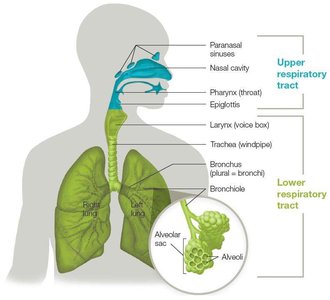
The respiratory tract is divided into the upper and lower regions, each with distinct anatomical structures and microbial communities. Understanding these divisions is essential for recognizing how infections develop and spread.
Upper respiratory tract: Includes the paranasal sinuses, nasal cavity, pharynx (throat), and larynx (voice box).
Lower respiratory tract: Comprises the trachea (windpipe), bronchi, bronchioles, and alveoli within the lungs.
Alveoli: Tiny air sacs where gas exchange occurs; highly susceptible to infection due to their delicate structure.
Normal Microbiota of the Respiratory Tract
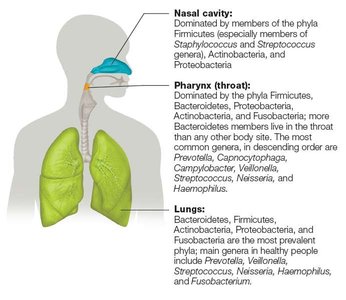
The respiratory tract is colonized by diverse microbial communities that play a role in health and disease. The composition varies by anatomical site.
Nasal cavity: Dominated by Staphylococcus and Streptococcus species, along with Actinobacteria and Proteobacteria.
Pharynx (throat): Contains Firmicutes, Bacteroidetes, Proteobacteria, Actinobacteria, and Fusobacteria. Common genera include Prevotella, Capnocytophaga, Campylobacter, Veillonella, Streptococcus, Neisseria, and Haemophilus.
Lungs: Main genera are Prevotella, Veillonella, Streptococcus, Neisseria, Haemophilus, and Fusobacterium.
Host Defenses in the Respiratory Tract
Mucociliary Escalator
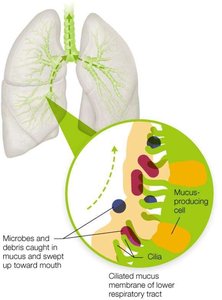
The mucociliary escalator is a critical defense mechanism that traps and removes microbes and debris from the respiratory tract.
Mucus-producing cells: Secrete mucus that traps pathogens.
Ciliated epithelial cells: Move mucus and trapped particles upward toward the mouth for expulsion.
Sinus Health and Sinusitis
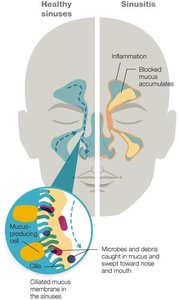
Healthy sinuses are lined with ciliated mucus membranes that help clear microbes. Inflammation and blockage can lead to sinusitis, allowing microbes to accumulate and cause infection.
Sinusitis: Inflammation of the sinuses, often due to infection or allergies, resulting in blocked mucus drainage.
Common Respiratory Pathogens
Viral Pathogens
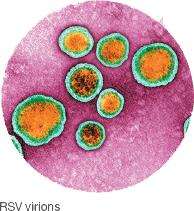
Respiratory Syncytial Virus (RSV): A major cause of lower respiratory tract infections in infants and young children.
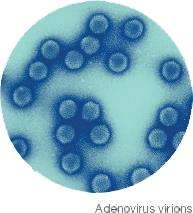
Adenovirus: Causes a range of illnesses from the common cold to pneumonia.
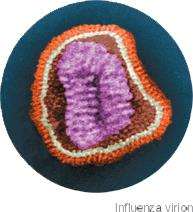
Influenza virus: Responsible for seasonal flu epidemics; can cause severe respiratory illness.
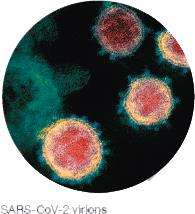
SARS-CoV-2: The causative agent of COVID-19, leading to a spectrum of respiratory symptoms.
Bacterial Pathogens
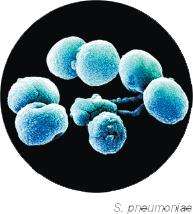
Streptococcus pneumoniae: Leading cause of bacterial pneumonia and otitis media.
Bordetella pertussis: Causes whooping cough, especially severe in infants and young children.
Mycobacterium tuberculosis: Agent of tuberculosis, a chronic lung infection.
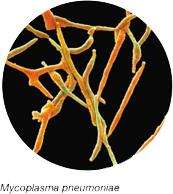
Mycoplasma pneumoniae: Causes atypical (walking) pneumonia.
Legionella pneumophila: Responsible for Legionnaires' disease, a severe form of pneumonia.
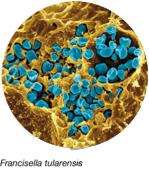
Francisella tularensis: Causes tularemia, which can involve the lungs.
Fungal Pathogens
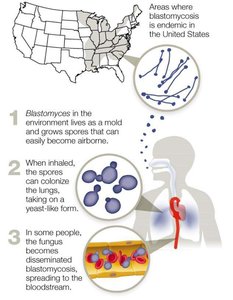
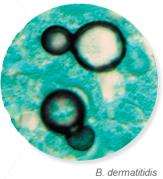
Blastomyces dermatitidis: Causes blastomycosis, endemic in certain U.S. regions.
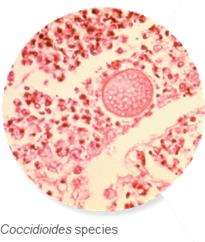
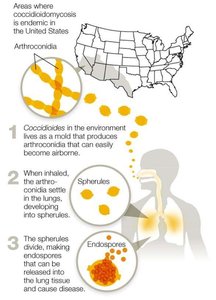
Coccidioides species: Cause coccidioidomycosis (Valley fever), endemic in the southwestern U.S.
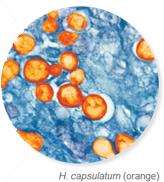
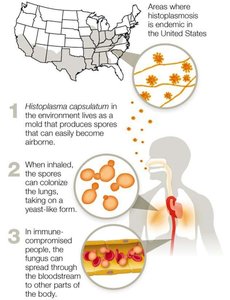
Histoplasma capsulatum: Causes histoplasmosis, endemic in the Ohio and Mississippi River valleys.
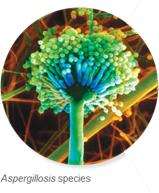
Aspergillus species: Cause aspergillosis, especially in immunocompromised hosts.
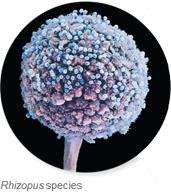
Rhizopus species: Cause mucormycosis, a rare but serious infection.
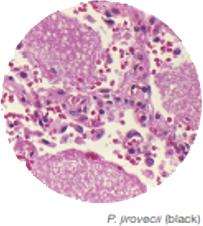
Pneumocystis jirovecii: Causes pneumonia in immunocompromised individuals.
Selected Respiratory Infections and Their Features
Otitis Media (Middle Ear Infection)
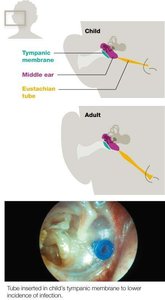
Otitis media is a common bacterial infection of the middle ear, especially in children due to anatomical differences in the Eustachian tube.
Symptoms: Ear pain, fever, irritability.
Prevention: Tympanostomy tubes may be inserted to reduce infection risk in recurrent cases.
Streptococcal Pharyngitis (Strep Throat)
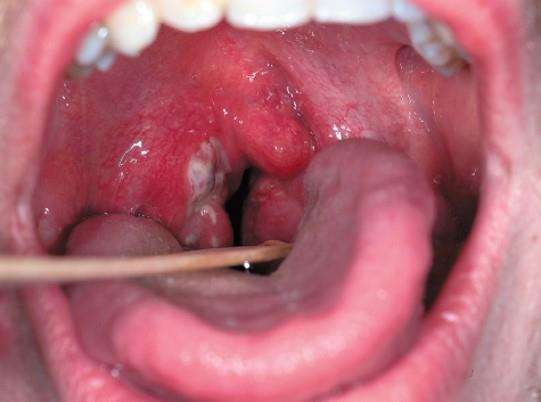
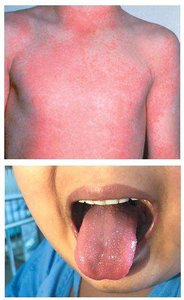
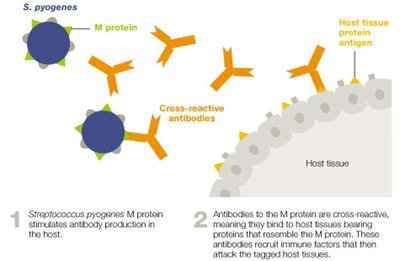
Strep throat is caused by Streptococcus pyogenes and is characterized by sore throat, fever, and swollen lymph nodes. Complications can include scarlet fever and rheumatic fever.
Symptoms: Red, swollen throat with white patches, fever, headache.
Complications: Scarlet fever (rash, "strawberry tongue"), rheumatic fever (autoimmune response).
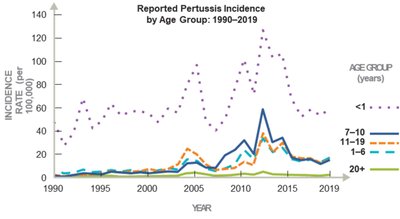
Pertussis (Whooping Cough)
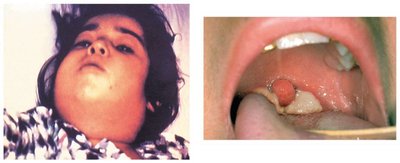
Pertussis is a highly contagious respiratory disease caused by Bordetella pertussis. It is most severe in infants and young children.
Symptoms: Severe coughing fits, inspiratory "whoop," post-tussive vomiting.
Prevention: Vaccination (DTaP/Tdap) is effective in reducing incidence.
Tuberculosis (TB)
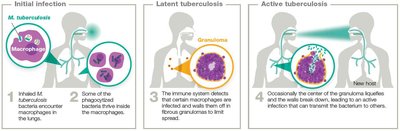
Tuberculosis is a chronic lung infection caused by Mycobacterium tuberculosis. It can exist in latent or active forms and is diagnosed using the tuberculin skin test.
Pathogenesis: Inhaled bacteria are phagocytosed by macrophages; granulomas form to contain infection.
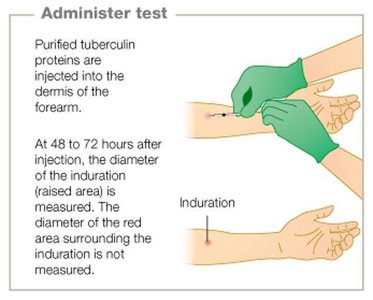
Diagnosis: Tuberculin skin test (Mantoux test) measures induration after injection of purified protein derivative (PPD).
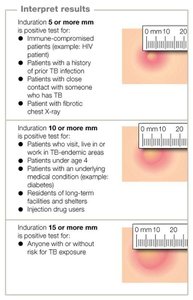
Interpretation: Induration size thresholds vary by risk group (e.g., ≥5 mm for immunocompromised, ≥10 mm for high-risk, ≥15 mm for low-risk individuals).
Fungal Lung Infections
Several fungi can cause respiratory infections, especially in immunocompromised hosts or in certain geographic regions.
Blastomycosis: Caused by Blastomyces dermatitidis; spores are inhaled and can disseminate.
Coccidioidomycosis: Caused by Coccidioides species; inhaled arthroconidia develop into spherules in the lungs.
Histoplasmosis: Caused by Histoplasma capsulatum; spores are inhaled, and yeast forms colonize the lungs.
Summary Table: Key Respiratory Pathogens and Diseases
Pathogen | Type | Disease(s) | Key Features |
|---|---|---|---|
Streptococcus pneumoniae | Bacterium | Pneumonia, Otitis media | Gram-positive cocci, capsule, common in children |
Bordetella pertussis | Bacterium | Pertussis (whooping cough) | Gram-negative coccobacillus, toxin-mediated disease |
Mycobacterium tuberculosis | Bacterium | Tuberculosis | Acid-fast bacillus, granuloma formation |
Influenza virus | Virus | Influenza (flu) | Segmented RNA genome, antigenic drift/shift |
RSV | Virus | Bronchiolitis, pneumonia (infants) | Enveloped RNA virus, syncytia formation |
Blastomyces dermatitidis | Fungus | Blastomycosis | Dimorphic, endemic in certain U.S. regions |
Histoplasma capsulatum | Fungus | Histoplasmosis | Dimorphic, found in soil with bird/bat droppings |
Additional info:
Respiratory infections can be caused by bacteria, viruses, or fungi, and their epidemiology often depends on host factors and geographic location.
Vaccination and public health measures are critical in controlling the spread of many respiratory pathogens.
