 Back
BackRespiratory System Infections: Microbiology Principles and Pathogens
Study Guide - Smart Notes
 Tailored notes based on your materials, expanded with key definitions, examples, and context.
Respiratory System Infections
Overview of the Respiratory System
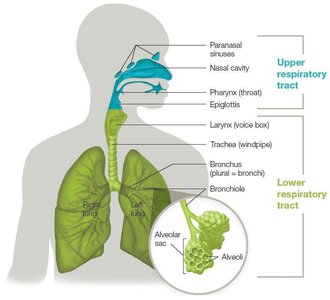
The respiratory system is divided into the upper and lower respiratory tracts, each with distinct anatomical structures and functions. Understanding these divisions is essential for studying the pathogenesis and epidemiology of respiratory infections.
Upper respiratory tract: Includes the paranasal sinuses, nasal cavity, pharynx (throat), and larynx (voice box).
Lower respiratory tract: Comprises the trachea (windpipe), bronchi, bronchioles, and alveoli within the lungs.
Alveoli: Tiny air sacs where gas exchange occurs.
Normal Microbiota of the Respiratory Tract
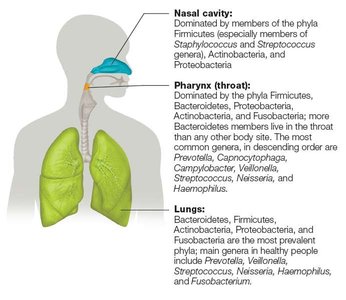
The respiratory tract is colonized by diverse microbial communities that play roles in health and disease. The composition of the microbiota varies by anatomical site.
Nasal cavity: Dominated by Staphylococcus and Streptococcus species, along with Actinobacteria and Proteobacteria.
Pharynx (throat): Contains Firmicutes, Bacteroidetes, Proteobacteria, Actinobacteria, and Fusobacteria. Common genera include Prevotella, Capnocytophaga, Campylobacter, Veillonella, Streptococcus, Neisseria, and Haemophilus.
Lungs: Main phyla are Bacteroidetes, Firmicutes, Actinobacteria, and Proteobacteria. Genera include Prevotella, Veillonella, Streptococcus, Neisseria, Haemophilus, and Fusobacterium.
Host Defenses in the Respiratory Tract
The respiratory tract is protected by several innate immune mechanisms that help prevent infection.
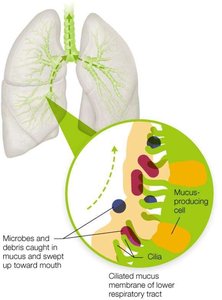
Mucociliary escalator: Ciliated epithelial cells and mucus-producing cells trap and move microbes and debris out of the respiratory tract.
Cilia: Hair-like structures that beat rhythmically to move mucus toward the mouth for expulsion.
Mucus: Traps pathogens and particles, facilitating their removal.
Common Respiratory Infections and Their Pathogens
Sinusitis
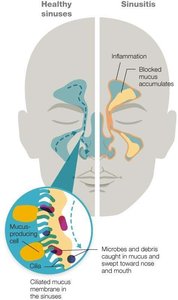
Sinusitis is inflammation of the sinuses, often caused by viral or bacterial infections. Blockage of the sinuses leads to mucus accumulation and microbial growth.
Symptoms: Nasal congestion, facial pain, and purulent discharge.
Pathogenesis: Inflammation blocks sinus drainage, allowing microbes to proliferate.
Otitis Media (Middle Ear Infection)
Otitis media is a common bacterial infection of the middle ear, especially in children due to anatomical differences in the Eustachian tube.
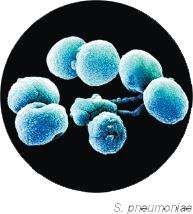
Etiology: Often caused by Streptococcus pneumoniae, Haemophilus influenzae, or Moraxella catarrhalis.
Prevention: Tympanostomy tubes may be inserted to reduce infection risk in children with recurrent otitis media.
Pharyngitis (Sore Throat)
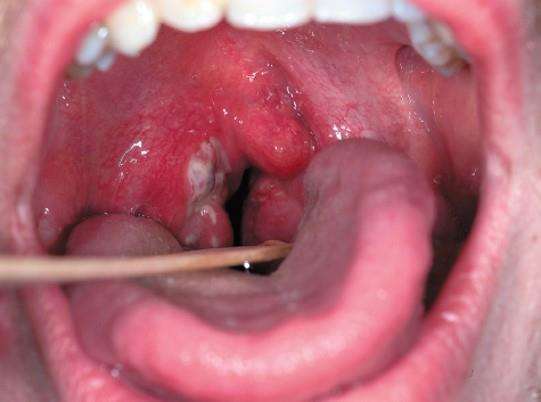
Pharyngitis is inflammation of the pharynx, commonly caused by viral or bacterial pathogens. Streptococcal pharyngitis (strep throat) is a significant bacterial cause.
Symptoms: Sore throat, fever, swollen lymph nodes, and sometimes white patches on the tonsils.
Complications: Scarlet fever, rheumatic fever, and post-streptococcal glomerulonephritis.
Scarlet Fever
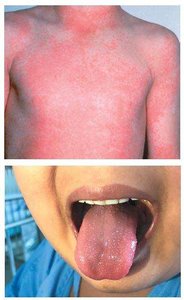
Scarlet fever is a complication of streptococcal pharyngitis, characterized by a red rash and "strawberry tongue." It is caused by erythrogenic toxins produced by Streptococcus pyogenes.
Immune Response and Complications of Streptococcal Infections
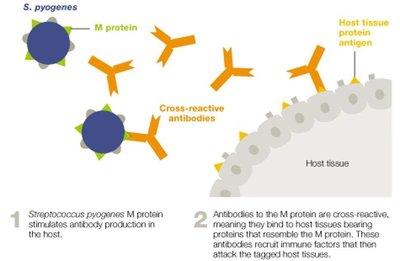
The M protein of Streptococcus pyogenes can trigger cross-reactive antibodies, leading to autoimmune complications such as rheumatic fever.
Mechanism: Antibodies against M protein may bind to host tissues, recruiting immune factors that damage tissues.
Pertussis (Whooping Cough)
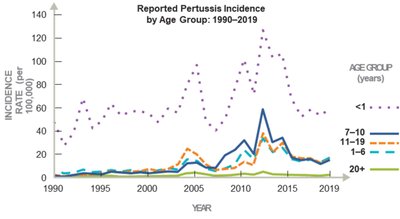
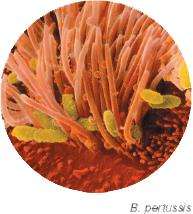
Pertussis is a highly contagious bacterial infection caused by Bordetella pertussis. It is characterized by severe coughing fits and is most dangerous in infants.
Incidence: Varies by age group, with highest rates in infants under 1 year.
Prevention: Vaccination is key to controlling pertussis outbreaks.
Tuberculosis
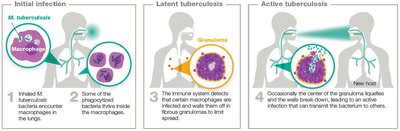
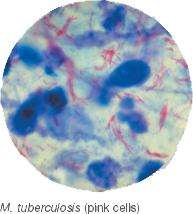
Tuberculosis (TB) is a chronic bacterial infection caused by Mycobacterium tuberculosis. It primarily affects the lungs but can disseminate to other organs.
Stages: Initial infection, latent TB (granuloma formation), and active TB (granuloma breakdown and bacterial spread).
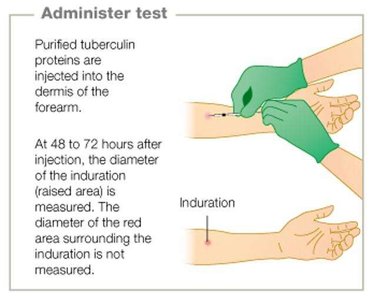
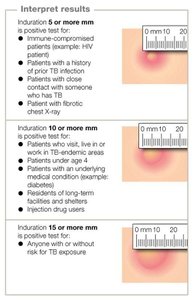
Diagnosis: Tuberculin skin test (TST) measures delayed-type hypersensitivity to TB antigens.
Bacterial Pneumonia
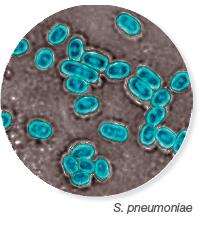
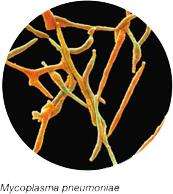
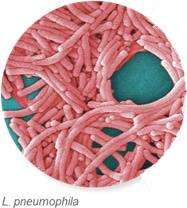
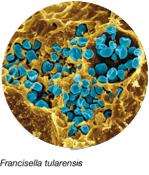
Pneumonia is an infection of the lung alveoli, caused by various bacteria including Streptococcus pneumoniae, Mycoplasma pneumoniae, Legionella pneumophila, and Francisella tularensis.
Symptoms: Cough, fever, chest pain, and difficulty breathing.
Diagnosis: Sputum culture, chest X-ray, and clinical presentation.
Viral Respiratory Infections
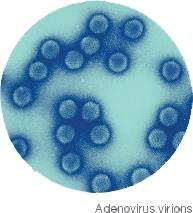
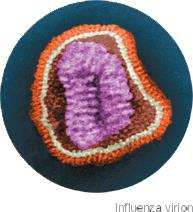
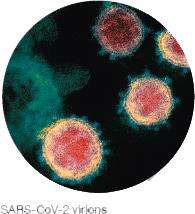
Viruses are common causes of respiratory tract infections, including influenza, respiratory syncytial virus (RSV), adenovirus, and SARS-CoV-2 (COVID-19).
Influenza: Causes seasonal epidemics with symptoms such as fever, cough, and myalgia.
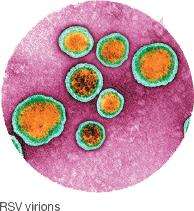
RSV: Major cause of bronchiolitis and pneumonia in infants.
Adenovirus: Causes pharyngitis, conjunctivitis, and pneumonia.
SARS-CoV-2: Responsible for COVID-19, with a wide range of respiratory symptoms.
Fungal Respiratory Infections
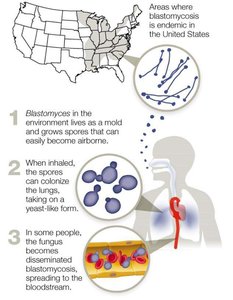
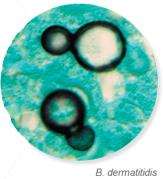
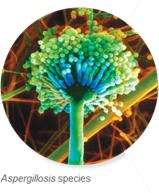
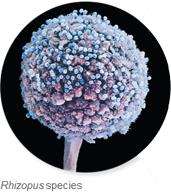
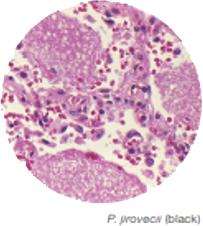
Fungi can cause respiratory infections, especially in immunocompromised individuals. Major pathogens include Blastomyces dermatitidis, Coccidioides species, Histoplasma capsulatum, Aspergillus species, Rhizopus species, and Pneumocystis jirovecii.
Blastomycosis: Endemic in certain U.S. regions; inhaled spores cause lung infection and may disseminate.
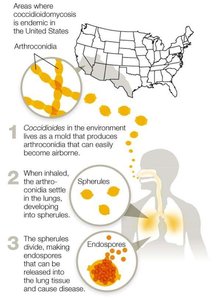
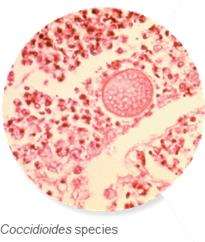
Coccidioidomycosis: "Valley fever"; inhaled arthroconidia develop into spherules in the lungs.
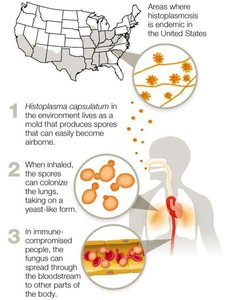
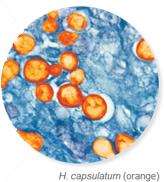
Histoplasmosis: Inhaled spores colonize the lungs; can disseminate in immunocompromised hosts.
Aspergillosis, Mucormycosis, Pneumocystis pneumonia: Opportunistic infections in immunosuppressed patients.
Epidemiology of Respiratory Infections
The prevalence and activity level of respiratory infections vary geographically and seasonally. Surveillance data help guide public health interventions.

Summary Table: Major Respiratory Pathogens and Diseases
Pathogen | Disease | Key Features |
|---|---|---|
Streptococcus pyogenes | Strep throat, Scarlet fever | Pharyngitis, rash, autoimmune complications |
Bordetella pertussis | Pertussis (Whooping cough) | Severe cough, vaccine-preventable |
Mycobacterium tuberculosis | Tuberculosis | Chronic cough, granuloma formation |
Streptococcus pneumoniae | Pneumonia, Otitis media | Lobar pneumonia, middle ear infection |
Influenza virus | Influenza | Fever, myalgia, seasonal epidemics |
RSV | Bronchiolitis, Pneumonia | Infants, severe lower respiratory disease |
Blastomyces dermatitidis | Blastomycosis | Fungal pneumonia, endemic regions |
Coccidioides species | Coccidioidomycosis | "Valley fever," spherule formation |
Histoplasma capsulatum | Histoplasmosis | Fungal pneumonia, yeast in tissue |
Visual Summary
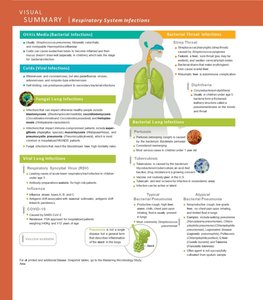
For a comprehensive overview, refer to the visual summary of respiratory system infections, which integrates key pathogens, diseases, and anatomical sites.
Additional info: This guide integrates foundational microbiology concepts with clinical relevance, focusing on respiratory system infections as outlined in college-level microbiology curricula.
