 Back
BackRespiratory System Infections: Microbiology Study Guide
Study Guide - Smart Notes
 Tailored notes based on your materials, expanded with key definitions, examples, and context.
Respiratory System Infections
Overview
The respiratory system is frequently affected by a variety of microbial pathogens, including viruses, bacteria, and fungi. These infections range from mild upper respiratory tract illnesses to severe, life-threatening diseases. Understanding the causative agents, epidemiology, transmission, symptoms, pathogenesis, and treatment options is essential for microbiology students.
Viral Respiratory Infections
Respiratory Syncytial Virus (RSV)
RSV is a major cause of respiratory illness in infants and young children, and can be dangerous in immunocompromised individuals.
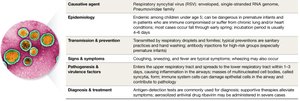
Causative Agent: Respiratory syncytial virus (RSV), enveloped, single-stranded RNA virus, Pneumoviridae family.
Epidemiology: Common among children under age 5; severe in premature infants and immunocompromised patients.
Transmission & Prevention: Spread by respiratory droplets and fomites; hand washing and isolation practices are key preventive measures.
Signs & Symptoms: Coughing, sneezing, fever, and lower respiratory symptoms; wheezing may also occur.
Pathogenesis & Virulence Factors: Infects the respiratory epithelium, causing cell death and inflammation.
Diagnosis & Treatment: Antigen-detection tests; supportive therapy is mainstay.
Adenovirus Infections
Adenoviruses cause a range of respiratory illnesses and can also affect other organ systems.
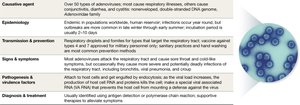
Causative Agent: Over 50 types of adenoviruses; double-stranded DNA viruses.
Epidemiology: Infections occur year-round; outbreaks in military and school settings.
Transmission & Prevention: Respiratory droplets and fomites; hand washing and avoiding close contact.
Signs & Symptoms: Most commonly cause respiratory symptoms, but can also cause conjunctivitis, diarrhea, and cystitis.
Pathogenesis & Virulence Factors: Attach to host cells and replicate in epithelial cells.
Diagnosis & Treatment: Antigen detection or polymerase chain reaction (PCR); supportive therapy.
Influenza
Influenza viruses are responsible for seasonal epidemics and pandemics, with significant morbidity and mortality.
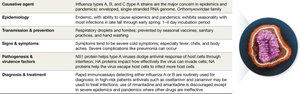
Causative Agent: Influenza types A, B, and C; enveloped, single-stranded RNA viruses, Orthomyxoviridae family.
Epidemiology: Endemic worldwide; can cause epidemics and pandemics.
Transmission & Prevention: Respiratory droplets and fomites; prevented by seasonal vaccination and hygiene.
Signs & Symptoms: Sudden onset fever, chills, muscle aches, headache, sore throat, and cough.
Pathogenesis & Virulence Factors: Viral hemagglutinin and neuraminidase facilitate entry and release from host cells.
Diagnosis & Treatment: Rapid antigen tests; antiviral drugs (oseltamivir, zanamivir) if given early.
Severe Acute Respiratory Syndrome (SARS)
SARS is caused by a coronavirus and can lead to severe respiratory illness.
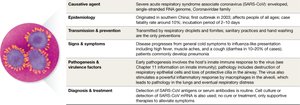
Causative Agent: SARS-CoV, enveloped, single-stranded RNA virus, Coronaviridae family.
Epidemiology: First outbreak in 2002; affects people of all ages.
Transmission & Prevention: Respiratory droplets and fomites; hygiene and isolation are important.
Signs & Symptoms: Severe respiratory symptoms, fever, and cough.
Pathogenesis & Virulence Factors: Virus infects respiratory epithelium and triggers immune response.
Diagnosis & Treatment: PCR and cell culture; supportive care.
Bacterial Respiratory Infections
Otitis Media
Otitis media is a middle ear infection, often caused by bacteria and common in children.
Causative Agent: Streptococcus pneumoniae, Haemophilus influenzae, Moraxella catarrhalis.
Epidemiology: Most children in the U.S. have at least one infection by age 3.
Transmission & Prevention: Vaccination and hygiene; reducing exposure to respiratory pathogens.
Signs & Symptoms: Ear pain, fever, irritability, and fluid or blood from the ear.
Pathogenesis & Virulence Factors: Accumulation of mucus and bacteria in the middle ear.
Diagnosis & Treatment: Antibiotics and pain management.
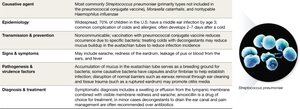
Pertussis (Whooping Cough)
Pertussis is a highly contagious respiratory disease, especially dangerous for infants.
Causative Agent: Bordetella pertussis, Gram-negative bacterium.
Epidemiology: Most cases in children; outbreaks occur in susceptible populations.
Transmission & Prevention: Respiratory droplets; vaccination is key.
Signs & Symptoms: Catarrhal stage (mild symptoms), paroxysmal stage (severe coughing fits).
Pathogenesis & Virulence Factors: Toxins damage ciliated epithelium, impairing mucus clearance.
Diagnosis & Treatment: Bacterial culture and PCR; antibiotics (macrolides).
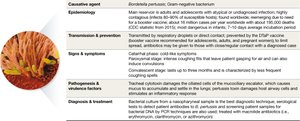
Tuberculosis
Tuberculosis is a chronic bacterial infection that primarily affects the lungs.
Causative Agent: Mycobacterium tuberculosis, acid-fast, Gram-positive bacterium.
Epidemiology: Most common in Africa and Asia; latent and active forms.
Transmission & Prevention: Airborne droplets; BCG vaccine for prevention.
Signs & Symptoms: Persistent cough, blood-tinged sputum, fever, night sweats.
Pathogenesis & Virulence Factors: Bacteria survive in macrophages, forming granulomas.
Diagnosis & Treatment: Mantoux tuberculin skin test, chest X-ray, sputum culture; multi-drug therapy.
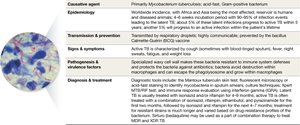
Typical Pneumonia
Pneumonia is an infection of the lung parenchyma, with typical and atypical forms.
Disease: Pneumococcal pneumonia (Streptococcus pneumoniae), Haemophilus pneumonia (Haemophilus influenzae).
Epidemiology: Most common cause of community-acquired pneumonia worldwide.
Transmission & Prevention: Respiratory droplets; vaccination and hygiene.
Signs & Symptoms: Sudden onset fever, chills, productive cough, chest pain.
Pathogenesis & Virulence Factors: Capsule protects against phagocytosis; toxins damage lung tissue.
Diagnosis & Treatment: Sputum culture, chest X-ray; antibiotics.
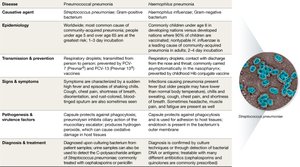
Atypical Pneumonia
Atypical pneumonia is caused by organisms that do not typically cause classic pneumonia symptoms.
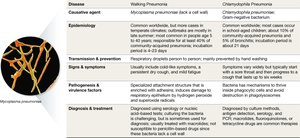
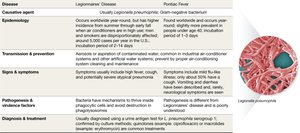
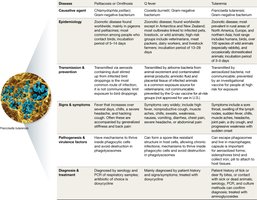
Disease: Walking pneumonia (Mycoplasma pneumoniae), Chlamydophila pneumoniae, Legionnaires' disease (Legionella pneumophila), Pontiac fever.
Epidemiology: Common in children and young adults; outbreaks in close-contact settings.
Transmission & Prevention: Respiratory droplets; hygiene and avoiding contaminated water sources.
Signs & Symptoms: Mild symptoms, dry cough, fatigue, muscle aches.
Pathogenesis & Virulence Factors: Specialized attachment structures; toxins and immune evasion.
Diagnosis & Treatment: PCR, serology; macrolide antibiotics.
Fungal Respiratory Infections
Blastomycosis (Chicago Disease)
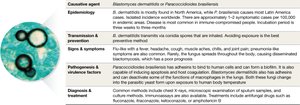
Blastomycosis is a fungal infection caused by inhalation of spores, primarily affecting the lungs.
Causative Agent: Blastomyces dermatitidis or Paracoccidioides brasiliensis.
Epidemiology: Endemic in North America and South America.
Transmission & Prevention: Inhalation of spores; avoiding exposure is best prevention.
Signs & Symptoms: Fever, headache, cough, muscle aches, chest pain.
Pathogenesis & Virulence Factors: Fungi evade immune response and cause granulomatous inflammation.
Diagnosis & Treatment: Fungal culture, serology; antifungal drugs (itraconazole, amphotericin B).
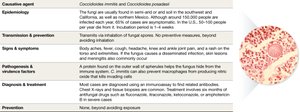
Coccidioidomycosis (Valley Fever)
Coccidioidomycosis is caused by inhalation of Coccidioides spores, leading to respiratory symptoms.
Causative Agent: Coccidioides immitis and Coccidioides posadasii.
Epidemiology: Endemic in southwestern U.S. and northern Mexico.
Transmission & Prevention: Inhalation of fungal spores; no preventive measures beyond avoiding exposure.
Signs & Symptoms: Fever, chest pain, cough, headache, joint pain, rash.
Pathogenesis & Virulence Factors: Fungi evade immune response and cause granulomas.
Diagnosis & Treatment: Fungal culture, serology; antifungal drugs.
Histoplasmosis
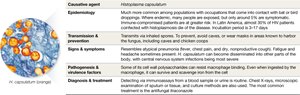
Histoplasmosis is a fungal infection caused by inhalation of Histoplasma capsulatum spores.
Causative Agent: Histoplasma capsulatum.
Epidemiology: Common in populations exposed to bird or bat droppings.
Transmission & Prevention: Inhalation of spores; avoiding exposure is key.
Signs & Symptoms: Fever, chest pain, cough, fatigue, chills.
Pathogenesis & Virulence Factors: Fungi survive in macrophages and cause granulomas.
Diagnosis & Treatment: Fungal culture, serology; antifungal drugs.
Aspergillosis
Aspergillosis is caused by Aspergillus species, especially in immunocompromised patients.
Causative Agent: Aspergillus species, especially A. fumigatus.
Epidemiology: Common in immunocompromised patients.
Transmission & Prevention: Inhalation of spores; no vaccine available.
Signs & Symptoms: Cough, chest pain, difficulty breathing.
Pathogenesis & Virulence Factors: Fungi invade lung tissue and blood vessels.
Diagnosis & Treatment: Fungal culture, imaging; antifungal drugs.

Pneumocystis Pneumonia
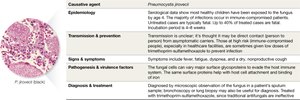
Pneumocystis pneumonia is a fungal infection, often seen in immunocompromised patients.
Causative Agent: Pneumocystis jirovecii.
Epidemiology: Most healthy children exposed by age 3; severe in immunocompromised patients.
Transmission & Prevention: Person-to-person transmission; no vaccine.
Signs & Symptoms: Fatigue, dyspnea, dry cough.
Pathogenesis & Virulence Factors: Fungi attach to alveolar cells, causing inflammation.
Diagnosis & Treatment: Fungal culture, PCR; trimethoprim-sulfamethoxazole.
Summary Table: Key Respiratory Pathogens
The following table summarizes the main causative agents, epidemiology, transmission, symptoms, pathogenesis, and treatment for major respiratory infections covered above.
Disease | Causative Agent | Transmission | Symptoms | Treatment |
|---|---|---|---|---|
RSV | Respiratory syncytial virus | Droplets, fomites | Cough, wheezing | Supportive |
Influenza | Influenza A/B/C | Droplets, fomites | Fever, aches, cough | Antivirals |
Pertussis | Bordetella pertussis | Droplets | Severe cough | Antibiotics |
Tuberculosis | Mycobacterium tuberculosis | Airborne | Cough, blood sputum | Multi-drug |
Blastomycosis | Blastomyces dermatitidis | Inhalation | Fever, cough | Antifungals |
Additional info: This summary table is inferred for exam review purposes and does not cover all pathogens in detail.
