 Back
Backlec 20
Study Guide - Smart Notes
 Tailored notes based on your materials, expanded with key definitions, examples, and context.
RNA Viruses: Structure, Classification, and Human Health Impact
Overview of RNA Viruses
RNA viruses are a diverse group of viruses that use RNA as their genetic material. They are unique among biological agents in that their genomes are composed of RNA rather than DNA. RNA viruses are classified based on their genomic structure, presence or absence of an envelope, and the size and shape of their capsid. These viruses are responsible for a wide range of diseases in humans and animals, and their replication strategies have significant implications for disease transmission and control.
Classification of RNA Viruses
Positive-sense single-stranded RNA (+ssRNA) viruses: Their RNA genome can be directly used by host ribosomes to synthesize viral proteins. Examples include Coronaviruses, Rhinoviruses, Poliovirus, Norovirus, Zika virus, West Nile virus, Dengue Fever virus, Yellow Fever virus, and Hepatitis C virus.
Negative-sense single-stranded RNA (-ssRNA) viruses: Their RNA genome must first be transcribed into mRNA before translation. Examples include Ebola virus and Influenza A virus.
Double-stranded RNA (dsRNA) viruses: These viruses have a genome composed of two complementary RNA strands. One strand is used directly as mRNA, while the other is transcribed to produce more dsRNA. Example: Rotavirus.
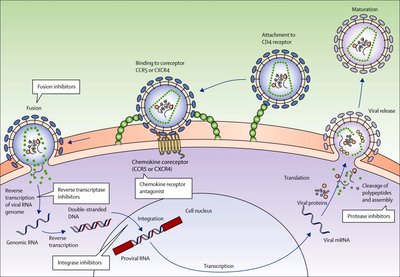
Retroviruses (+ssRNA): These viruses use reverse transcriptase to convert their RNA genome into DNA, which is then integrated into the host genome. Example: HIV.
Key Properties of RNA Viruses
Genomic Diversity: RNA viruses can have linear or segmented genomes, and their capsid structures vary widely.
Enveloped vs. Non-enveloped: Some RNA viruses possess a lipid envelope derived from the host cell membrane, while others are naked (non-enveloped).
Mutation Rates: RNA viruses, especially those with segmented genomes like influenza, mutate rapidly and can exchange genome segments, leading to antigenic drift and shift.
Vectors and Zoonosis: Many RNA viruses are zoonotic (transmitted from animals to humans) and use vectors such as mosquitoes for transmission (e.g., Dengue, Zika, West Nile).
Replication Strategies of RNA Viruses
The replication cycle of RNA viruses differs significantly from that of DNA viruses, particularly during the synthesis stage. The following table summarizes the major differences between bacteriophages and animal viruses:
Step | Bacteriophage | Animal Virus |
|---|---|---|
Attachment | Proteins on tails attach to proteins on cell wall | Spikes, capsids, or envelope proteins attach to proteins or glycoproteins on cell membrane |
Penetration | Genome is injected or diffuses into cell | Capsid enters cell by direct penetration, fusion, or endocytosis |
Uncoating | None | Removal of capsid by cell enzymes |
Site of Synthesis | Cytoplasm | RNA viruses: cytoplasm; most DNA viruses: nucleus |
Site of Assembly | Cytoplasm | RNA viruses: cytoplasm; most DNA viruses: nucleus |
Mechanism of Release | Lysis | Naked virions: exocytosis or lysis; enveloped virions: budding |
Nature of Chronic Infection | Lysogeny, always incorporated into host chromosome, may leave host chromosome | Latency, with or without incorporation into host DNA; incorporation is permanent |
Examples of Medically Important RNA Viruses
Poliovirus: A naked, positive-sense ssRNA virus that causes poliomyelitis. Vaccination efforts have dramatically reduced polio cases worldwide.
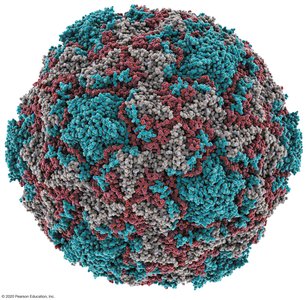


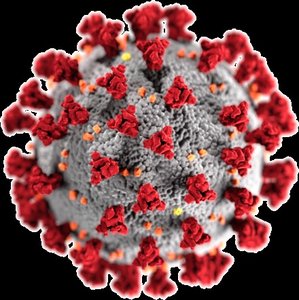
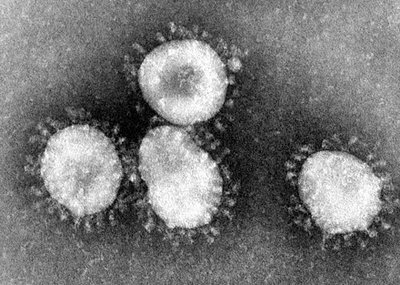
Coronavirus (e.g., SARS-CoV-2): An enveloped, positive-sense ssRNA virus responsible for COVID-19. It is characterized by its crown-like appearance due to spike proteins.


Influenza A Virus: An enveloped, negative-sense ssRNA virus with a segmented genome. It mutates rapidly, necessitating annual vaccination.
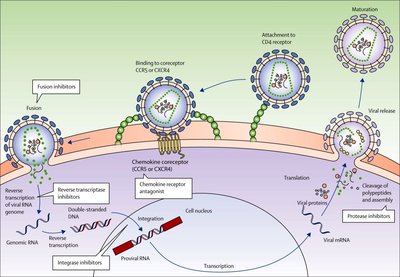
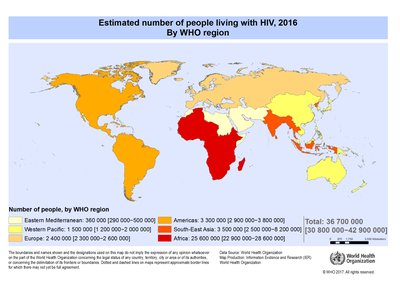
HIV (Human Immunodeficiency Virus): A retrovirus that integrates its genome into host DNA, establishing latency. It targets CD4+ T-cells and macrophages, leading to immune dysfunction and AIDS.
Unique Features of RNA Virus Replication
Direct Translation: +ssRNA viruses can be directly translated by host ribosomes.
Reverse Transcription: Retroviruses use reverse transcriptase to convert RNA into DNA, which is then integrated into the host genome. This process is a notable exception to the central dogma of molecular biology. Equation for reverse transcription:
Latency: Some animal viruses, such as HIV, can integrate into the host genome and remain dormant for years. This latent state is permanent for proviruses, unlike prophages in bacteria.
Public Health Impact and Control
Vaccination: Effective vaccines have dramatically reduced the incidence of diseases such as polio and influenza.
Antiviral Therapy: Antiretroviral therapy (ART) allows HIV-infected individuals to live relatively normal lives, but lifelong treatment is necessary due to latent reservoirs.
Emerging Diseases: RNA viruses are often responsible for emerging infectious diseases due to their high mutation rates and zoonotic potential.
Summary Table: Types of RNA Viruses
Type | Genome | Key Examples | Replication Feature |
|---|---|---|---|
+ssRNA | Single-stranded, positive sense | Coronavirus, Poliovirus, Rhinovirus | Genome acts as mRNA |
-ssRNA | Single-stranded, negative sense | Influenza A, Ebola | Genome must be transcribed to mRNA |
dsRNA | Double-stranded | Rotavirus | One strand used as mRNA, other transcribed |
Retrovirus (+ssRNA) | Single-stranded, positive sense | HIV | Reverse transcription to DNA, integration |
Additional info: The images included above are directly relevant to the structure, transmission, and replication of RNA viruses, as well as their impact on human health. The tables summarize key differences and classifications for exam preparation.
