 Back
BackSurvey of the Microbial World: Medically Important Bacteria
Study Guide - Smart Notes
 Tailored notes based on your materials, expanded with key definitions, examples, and context.
Domain Bacteria: Medically Important Bacterial Groups
Overview of Bacterial Classification
Bacteria are classified into various phyla, classes, and orders based on genetic, structural, and metabolic characteristics. This section surveys key Gram-negative and Gram-positive bacteria of medical importance, focusing on their taxonomy, diseases caused, transmission, and clinical features.
Gram-Negative Bacteria
Phylum Pseudomonadota: Class α-, β-, and γ-Proteobacteria
Proteobacteria are a major group of Gram-negative bacteria, many of which are pathogenic to humans. They are classified into several classes, including α-, β-, and γ-Proteobacteria, each containing important genera.
Table: Selected Gram-Negative Pathogens and Their Diseases
Bacterium | Disease | Reservoir | Transmission | Key Symptoms |
|---|---|---|---|---|
Rickettsia prowazekii | Typhus (epidemic) | Humans, squirrels | Human louse | High fever, spotted rash, stupor |
Rickettsia typhi | Typhus (endemic) | Rats | Rat fleas | Fever, rash, aches |
Rickettsia rickettsii | Rocky Mountain Spotted Fever | Small mammals | Ticks | Fever, rash, headache |
Bartonella henselae | Cat Scratch Fever | Cats | Cat scratch/bite | Fever, papule, lymphadenopathy |
Bordetella pertussis | Whooping cough | Humans | Airborne | Severe coughing, gasping |
Neisseria gonorrhoeae | Gonorrhea | Humans | Sexual contact | Painful urination, pus |
Neisseria meningitidis | Meningococcal meningitis | Humans | Airborne | Headache, fever, stiff neck |
Legionella pneumophila | Legionellosis | Warm water | Inhalation | Pneumonia, fluid in lungs |
Vibrio cholerae | Cholera | Water, feces | Fecal-oral | Diarrhea, dehydration |
Pseudomonas aeruginosa | Opportunistic infections | Environment | Contact | Cellulitis, pneumonia |
Escherichia coli | Traveler’s diarrhea | Human gut | Fecal-oral | Diarrhea |
Salmonella enterica | Salmonellosis, Typhoid fever | GI tracts | Fecal-oral | Diarrhea, fever |
Shigella spp. | Bacillary dysentery | Human gut | Fecal-oral | Bloody diarrhea |
Yersinia pestis | Bubonic plague | Mammals | Fleas, droplets | Buboes, necrosis |
Haemophilus influenzae | Meningitis, pneumonia | Humans | Respiratory | Inflammation, cough |
Helicobacter pylori | Peptic ulcers | Humans, mammals | Fecal-oral | Abdominal pain, nausea |
Chlamydia trachomatis | Chlamydia, trachoma | Humans | Sexual, eye contact | Discharge, pelvic pain |
Treponema pallidum | Syphilis | Humans | Sexual | Sores, rash |
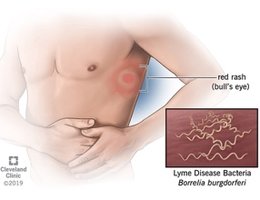
Borrelia burgdorferi | Lyme disease | Mammals, birds | Ticks | Bull’s-eye rash, joint pain |
Transmission and Pathogenesis
Fecal-Oral Route: Many enteric pathogens (e.g., E. coli, Salmonella, Shigella) are transmitted via ingestion of contaminated food or water. Proper hand hygiene and sanitation are critical for prevention.
Vector-Borne Transmission: Diseases such as typhus, plague, and Lyme disease are transmitted by arthropod vectors (lice, fleas, ticks).
Airborne and Droplet Transmission: Respiratory pathogens (e.g., Bordetella pertussis, Neisseria meningitidis, Haemophilus influenzae) spread via inhalation of droplets.
Sexual Transmission: Neisseria gonorrhoeae, Chlamydia trachomatis, and Treponema pallidum are transmitted through sexual contact.
Examples and Clinical Features
Salmonella enterica: Causes salmonellosis, characterized by diarrhea, fever, and abdominal cramps. Severe cases may involve bloody stools and systemic infection.

Yersinia pestis: Responsible for bubonic plague, presenting with painful swollen lymph nodes (buboes), fever, and necrosis.
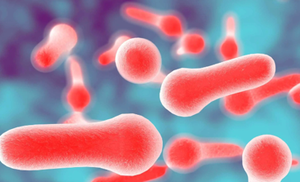
Pseudomonas aeruginosa: An opportunistic pathogen causing infections in immunocompromised patients, especially in hospital settings.
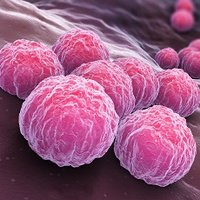
Helicobacter pylori: Associated with peptic ulcers and gastric cancer; infection is often asymptomatic but can cause abdominal pain and nausea.
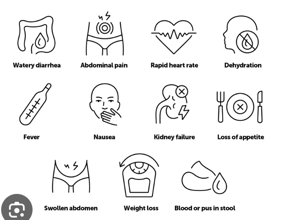
Chlamydia trachomatis: The most common bacterial STI and a leading cause of infectious blindness worldwide.
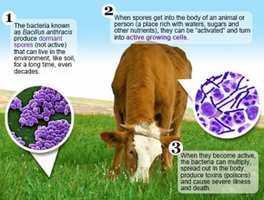
Treponema pallidum: Causes syphilis, which progresses through stages with symptoms such as sores, rash, and neurological complications if untreated.
Borrelia burgdorferi: Causes Lyme disease, notable for the characteristic bull’s-eye rash and potential for joint and neurological symptoms.
Gram-Positive Bacteria
Phylum Bacillota (Low G+C) and Actinobacteria (High G+C)
Gram-positive bacteria are divided into groups based on their genomic G+C content. Many are significant human pathogens, including spore-formers and toxin producers.
Table: Selected Gram-Positive Pathogens and Their Diseases
Bacterium | Disease | Reservoir | Transmission | Key Symptoms |
|---|---|---|---|---|
Clostridium tetani | Tetanus | Soil | Puncture wounds | Muscle spasms, lockjaw |
Clostridium botulinum | Botulism | Soil, food | Oral | Paralysis, respiratory failure |
Clostridium perfringens | Gas gangrene | Soil | Wounds | Tissue necrosis, gas production |
Clostridioides difficile | Antibiotic-associated diarrhea | Humans, pigs | Fecal-oral | Diarrhea, colitis |
Bacillus anthracis | Anthrax | Soil | Contact, inhalation | Lesions, respiratory distress |
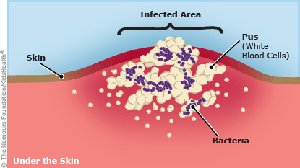
Staphylococcus aureus | MRSA, skin infections | Humans, surfaces | Contact | Pus, swelling, fever |
Streptococcus pyogenes | Strep throat, scarlet fever | Humans | Respiratory | Sore throat, fever |
Streptococcus pneumoniae | Pneumonia | Humans | Airborne | Fever, cough, chest pain |
Mycobacterium tuberculosis | Tuberculosis | Humans | Airborne | Cough, weight loss |
Mycobacterium leprae | Leprosy | Humans, armadillos | Prolonged contact | Nerve damage, skin lesions |
Corynebacterium diphtheriae | Diphtheria | Humans | Respiratory, skin | Fever, sore throat |
Gardnerella vaginalis | Vaginosis | Humans | Contact | Discharge, odor |
Examples and Clinical Features
Clostridium tetani: Causes tetanus, characterized by painful muscle contractions and lockjaw.
Clostridium perfringens: Responsible for gas gangrene, leading to tissue death and gas production in wounds.
Bacillus anthracis: Causes anthrax, which can be cutaneous, inhalational, or gastrointestinal. Spores are highly resistant and can remain dormant in soil.
Staphylococcus aureus: Notable for MRSA strains, which are highly antibiotic-resistant and cause pus-filled skin infections.
Mycobacterium tuberculosis: Causes tuberculosis, a chronic lung infection with symptoms of cough, weight loss, and night sweats.
Transmission Pathways and Prevention
Fecal-Oral Transmission
Many gastrointestinal pathogens are transmitted via the fecal-oral route, often due to inadequate hand hygiene or contaminated food and water. Prevention includes proper sanitation, handwashing, and safe food handling.
Vector-Borne and Airborne Transmission
Vector-borne diseases are transmitted by insects or arthropods, while airborne diseases spread through respiratory droplets. Control measures include vector control, vaccination, and respiratory hygiene.
Summary Table: Key Features of Major Bacterial Pathogens
Pathogen | Gram Stain | Reservoir | Transmission | Prevention |
|---|---|---|---|---|
Salmonella enterica | Negative | GI tracts | Fecal-oral | Handwashing, food safety |
Yersinia pestis | Negative | Mammals | Fleas, droplets | Vector control |
Clostridium tetani | Positive | Soil | Puncture wounds | DTaP vaccine |
Staphylococcus aureus | Positive | Humans | Contact | Hygiene, wound care |
Mycobacterium tuberculosis | Positive (acid-fast) | Humans | Airborne | BCG vaccine, isolation |
Conclusion
This survey highlights the diversity of medically important bacteria, their classification, and the diseases they cause. Understanding their transmission, reservoirs, and clinical features is essential for diagnosis, treatment, and prevention in clinical microbiology.
