 Back
BackThe Control of Microbial Growth: Principles, Methods, and Applications
Study Guide - Smart Notes
 Tailored notes based on your materials, expanded with key definitions, examples, and context.
The Control of Microbial Growth
Terminology of Microbial Control
Understanding the terminology associated with microbial control is essential for interpreting laboratory procedures and clinical practices. These terms describe various methods and outcomes in the reduction or elimination of microorganisms.
Sepsis: Refers to bacterial contamination, often associated with systemic infection (septicemia).
Asepsis: The absence of significant contamination; aseptic techniques are used to prevent microbial contamination, especially in surgery.
Sterilization: The process of removing and destroying all microbial life, including endospores.
Commercial Sterilization: Specifically targets the destruction of Clostridium botulinum endospores in canned goods.
Disinfection: The destruction of harmful microorganisms on non-living surfaces.
Antisepsis: The destruction of harmful microorganisms from living tissue.
Degerming: Mechanical removal of microbes from a limited area (e.g., hand washing).
Sanitization: Reduction of microbial counts on eating utensils to safe levels.
Biocide (Germicide): Treatments that kill microbes.
Bacteriostatic: Inhibiting, but not killing, microbes.
The Rate of Microbial Death
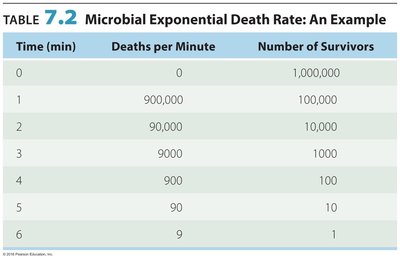
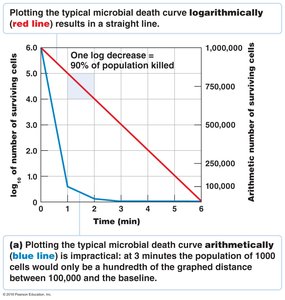
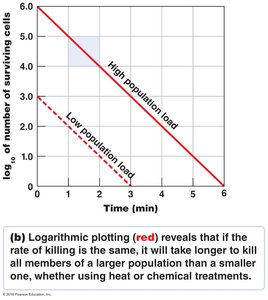
Microbial death occurs at a logarithmic rate when exposed to control agents. The effectiveness of treatment depends on several factors, including the number of microbes, environmental conditions, time of exposure, and microbial characteristics.
Microbial death curve: Shows the decline in the number of surviving cells over time, typically following a logarithmic pattern.
Decimal Reduction Time (DRT): The time required to kill 90% of a microbial population at a given temperature.
Thermal Death Point (TDP): The lowest temperature at which all cells in a liquid culture are killed in 10 minutes.
Thermal Death Time (TDT): The minimal time required to kill all bacteria in a liquid culture at a particular temperature.
Time (min) | Deaths per Minute | Number of Survivors |
|---|---|---|
0 | 0 | 1,000,000 |
1 | 900,000 | 100,000 |
2 | 90,000 | 10,000 |
3 | 9,000 | 1,000 |
4 | 900 | 100 |
5 | 90 | 10 |
6 | 9 | 1 |
Actions of Microbial Control Agents
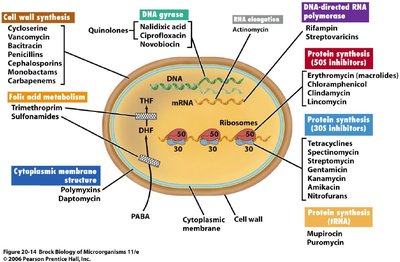
Microbial control agents act by targeting essential cellular structures and functions, leading to cell death or inhibition.
Alteration of membrane permeability: Disrupts the cell membrane, causing leakage of cellular contents.
Damage to proteins (enzymes): Denaturation or inactivation of enzymes impairs metabolism.
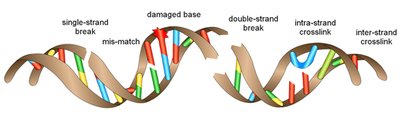
Damage to nucleic acids: Prevents replication and transcription, leading to cell death.
Physical Methods of Microbial Control
Heat
Heat is a widely used method for microbial control, primarily through protein denaturation.
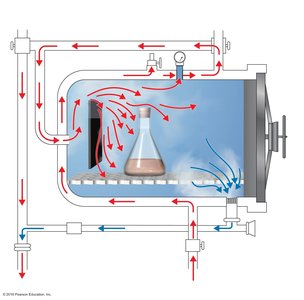
Moist Heat Sterilization: Includes boiling, free-flowing steam, and autoclaving. Autoclaving uses steam under pressure (121°C at 15 psi for 15 min) to kill all organisms and endospores. Steam must contact the item's surface.
Pasteurization: Reduces spoilage organisms and pathogens. Methods include:
63°C for 30 min
High-temperature short-time (HTST): 72°C for 15 sec
Ultra-high-temperature (UHT): 140°C for 4 sec
Thermoduric organisms may survive pasteurization.
Dry Heat Sterilization: Kills by oxidation. Methods include flaming, incineration, and hot-air sterilization.
Filtration
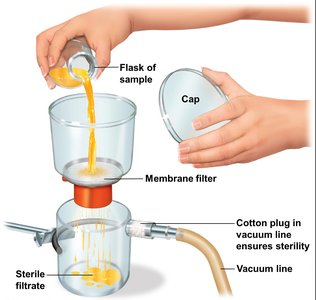
Filtration is used for heat-sensitive materials, allowing the passage of substances through a screenlike material to remove microbes.
HEPA filters: Remove microbes >0.3 µm.
Membrane filters: Remove microbes >0.22 µm.
Other Physical Methods
Low Temperature: Has a bacteriostatic effect (refrigeration, deep-freezing, lyophilization).
High Pressure: Denatures proteins.
Desiccation: Absence of water prevents metabolism.
Osmotic Pressure: Uses salts and sugars to create a hypertonic environment, causing plasmolysis.
Radiation
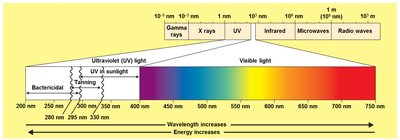
Radiation kills cells by damaging DNA.
Ionizing Radiation: (X rays, gamma rays, electron beams) ionizes water to create reactive hydroxyl radicals, causing lethal mutations.
Nonionizing Radiation: (UV, 260 nm) creates thymine dimers in DNA.
Microwaves: Kill by heat, not especially antimicrobial.
Chemical Methods of Microbial Control
Principles of Effective Disinfection
The effectiveness of chemical disinfectants depends on several factors:
Concentration of disinfectant
Presence of organic matter
pH
Time of exposure
The Disk-Diffusion Method
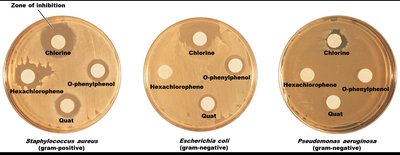
This method evaluates the efficacy of chemical agents by placing filter paper disks soaked in chemicals on a culture and observing the zone of inhibition.
Phenol and Phenolics
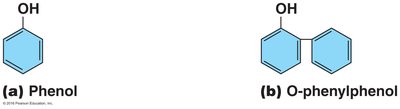
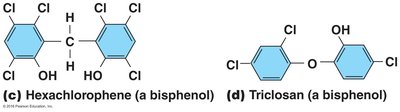
Phenol and its derivatives injure lipids of plasma membranes, causing leakage. Bisphenols contain two phenol groups connected by a bridge and disrupt plasma membranes.
Hexachlorophene and triclosan are common bisphenols.
Alcohols
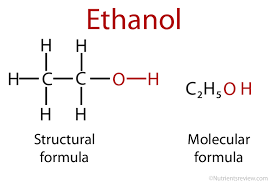
Alcohols denature proteins and dissolve lipids, but have no effect on endospores and nonenveloped viruses. Ethanol and isopropanol require water for optimal activity.
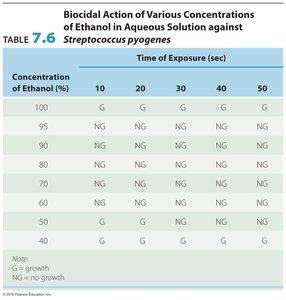
Why 70% ethanol instead of 95%? Water supports protein denaturation, making 70% ethanol more effective than pure ethanol.
Concentration of Ethanol (%) | 10 sec | 20 sec | 30 sec | 40 sec | 50 sec |
|---|---|---|---|---|---|
100 | G | G | G | G | G |
95 | NG | NG | NG | NG | NG |
90 | NG | NG | NG | NG | NG |
80 | NG | NG | NG | NG | NG |
70 | NG | NG | NG | NG | NG |
60 | NG | NG | NG | NG | NG |
50 | G | G | G | G | G |
40 | G | G | G | G | G |
Heavy Metals and Their Compounds
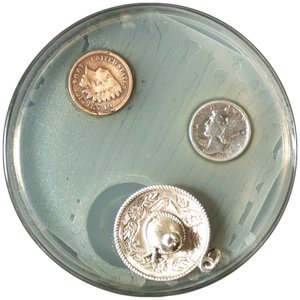
Heavy metals exert antimicrobial activity through oligodynamic action, denaturing proteins. Examples include:
Silver nitrate: Prevents ophthalmia neonatorum.
Mercuric chloride: Prevents mildew in paint.
Copper sulfate: Used as an algicide.
Zinc chloride: Found in mouthwash.
Surface-Active Agents
Surface-active agents include soaps, acid-anionic sanitizers, and quaternary ammonium compounds (quats). They act by degerming, emulsification, and disrupting plasma membranes.
Soap: Degerming and emulsification.
Acid-anionic sanitizers: Anions react with plasma membrane.
Quats: Cations are bactericidal, denature proteins, and disrupt plasma membrane.
Chemical Food Preservatives
Chemical preservatives are used to inhibit microbial growth in food.
Sulfur dioxide: Prevents wine spoilage.
Organic acids: Inhibit metabolism (e.g., sorbic acid, benzoic acid, calcium propionate).
Nitrites and nitrates: Prevent endospore germination.
Antibiotics
Antibiotics such as bacteriocins are proteins produced by one bacterium that inhibit another. Nisin and natamycin prevent spoilage of cheese.
Aldehydes
Aldehydes inactivate proteins by cross-linking with functional groups. They are used for preserving specimens and medical equipment. Glutaraldehyde is a liquid chemical sterilizing agent.
Chemical Sterilization
Gaseous sterilants cause alkylation, cross-linking nucleic acids and proteins. Used for heat-sensitive materials (e.g., ethylene oxide).
Plasma
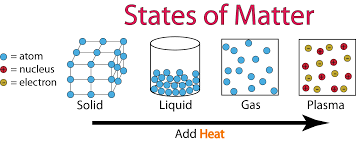
Plasma is the fourth state of matter, consisting of electrically excited gas. Free radicals destroy microbes and are used for tubular instruments.
Supercritical Fluids
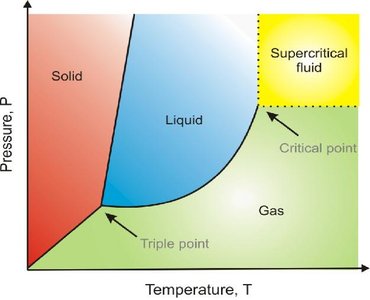
Supercritical fluids, such as CO2 with gaseous and liquid properties, are used for sterilizing medical implants.
Peroxygens and Other Forms of Oxygen
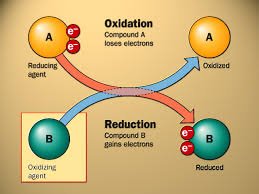
Peroxygens are oxidizing agents used for contaminated surfaces and food packaging. Examples include ozone (O3), hydrogen peroxide (H2O2), and peracetic acid.
Additional info: Decimal reduction time (DRT) is mathematically expressed as: $ D = \frac{t}{\log_{10}(N_0/N) } $ where D is the decimal reduction time, t is the time, N0 is the initial number of cells, and N is the number of surviving cells.
