 Back
(Chapter 12) The Eukaryotes: Fungi, Algae, Protozoa, and Helminths – Study Notes
Study Guide - Smart Notes
 Tailored notes based on your materials, expanded with key definitions, examples, and context.
Fungi
General Characteristics of Fungi
Fungi are a diverse group of eukaryotic organisms with over 100,000 known species. They play crucial roles in ecosystems, industry, and medicine. While some fungi cause diseases in humans, animals, and plants, many are beneficial as decomposers and producers of valuable substances.
Mycology: The scientific study of fungi.
Chemoheterotrophs: Obtain energy by decomposing organic matter.
Can be aerobic or facultative anaerobes.
Important in the food chain for recycling elements and decomposing dead plants.
Used in food and antibiotic production.
Comparison of Fungi and Bacteria
The following table summarizes key differences between fungi and bacteria:
Feature | Fungi | Bacteria |
|---|---|---|
Cell Type | Eukaryotic | Prokaryotic |
Cell Membrane | Sterols present | Sterols absent (except in Mycoplasma) |
Cell Wall | Glucans, mannans, chitin (no peptidoglycan) | Peptidoglycan |
Spores | Sexual and asexual reproductive spores | Endospores (not for reproduction); some asexual reproductive spores |
Metabolism | Heterotrophic; aerobic, facultative anaerobic | Heterotrophic, autotrophic; aerobic, facultative anaerobic, anaerobic |
Environmental and Nutritional Adaptations
Grow best at pH 5 (more acidic than bacteria).
Most molds are aerobic; most yeasts are facultative anaerobes.
Resistant to high sugar and salt concentrations (osmotic pressure).
Can grow in low moisture environments.
Require less nitrogen than bacteria.
Capable of metabolizing complex carbohydrates.
Medically Important Fungi
Mucoromycota (e.g., Rhizopus stolonifer, black bread mold)
Microsporidia: Obligate intracellular parasites, lack mitochondria, cause diseases such as chronic diarrhea and keratoconjunctivitis (especially in immunocompromised patients).
Ascomycota
Basidiomycota
Fungal Diseases (Mycoses)
Systemic mycoses: Deep infections affecting multiple tissues/organs.
Subcutaneous mycoses: Infections beneath the skin.
Cutaneous mycoses: Affect hair, skin, and nails (e.g., ringworm, athlete’s foot; also called dermatomycoses).
Superficial mycoses: Localized, e.g., on hair shafts.
Opportunistic mycoses: Normally harmless fungi become pathogenic in immunocompromised hosts (e.g., yeast infections, thrush).
Economic Effects of Fungi
Aspergillus niger: Production of citric acid.
Aspergillus terreus: Production of statins (cholesterol-lowering drugs).
Saccharomyces cerevisiae: Used in bread, wine, and hepatitis B vaccine production.
Trichoderma: Produces cellulase (enzyme).
Taxomyces: Source of taxol (anticancer drug).
Tolypocladium inflatum: Produces cyclosporine (immunosuppressant for transplants).
Coniothyrium minitans: Biological control agent against crop fungi.
Paecilomyces: Used to control termites.
Algae
General Characteristics of Algae
Algae are a diverse group of mostly aquatic, photosynthetic organisms. They are not classified as a single taxonomic group but share several key features.
Unicellular or filamentous photoautotrophs.
Lack true roots, stems, and leaves.
Require water for growth and reproduction.
Selected Phyla of Algae
Brown algae (kelp): Multicellular, macroscopic, with cellulose and alginic acid cell walls. Can grow up to 50 meters. Produce algin, a thickener used in foods and nonfood products.
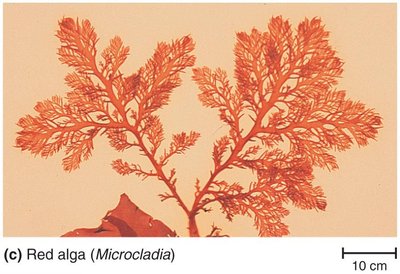
Red algae: Mostly multicellular, can live at greater depths, harvested for agar and carrageenan (used as thickeners in food). Some species produce toxins.
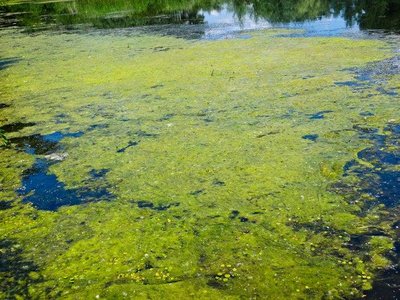
Green algae: Unicellular or multicellular, cellulose cell walls, contain chlorophyll a and b, store starch, and are considered ancestors of terrestrial plants.
Diatoms: Unicellular or filamentous, with pectin and silica cell walls. Store oil and produce domoic acid (a neurotoxin).
Dinoflagellates: Unicellular, cellulose in plasma membrane, important component of plankton. Some produce neurotoxins (saxitoxins) causing paralytic shellfish poisoning.
Roles of Algae in Nature
Fix atmospheric CO2 into organic molecules via photosynthesis.
Produce approximately 80% of Earth’s oxygen.
Form symbiotic relationships with animals (e.g., corals).
Protozoa
General Characteristics of Protozoa
Protozoa are unicellular eukaryotes found in water and soil. They exhibit animal-like nutrition and have complex life cycles. Some are harmless, while others are pathogenic.
Over 50,000 species identified.
Some are part of normal animal microbiota; others cause diseases (e.g., malaria caused by Plasmodium species).
Medically Important Protozoa
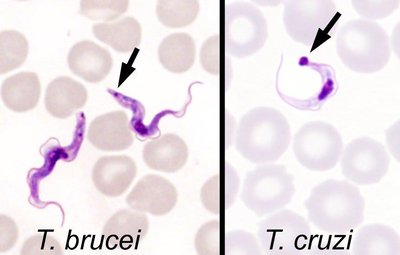
Euglenozoa: Can be photoautotrophs or facultative chemotrophs. Includes hemoflagellates, which are transmitted by blood-feeding insects and cause diseases such as African sleeping sickness (Trypanosoma brucei) and Chagas disease (Trypanosoma cruzi).
Apicomplexa: Nonmotile, obligate intracellular parasites with complex life cycles. Includes Toxoplasma gondii (transmitted by cats, causes fetal infections) and Cryptosporidium (causes waterborne illness).
Helminths
General Characteristics of Helminths
Helminths are multicellular parasitic worms that infect humans and animals. They are classified into two main phyla:
Platyhelminthes: Flatworms
Nematoda: Roundworms
Helminths are specialized for parasitic life, often lacking digestive systems, having reduced nervous systems and locomotion, and possessing complex reproductive systems.
Arthropods as Vectors
Role of Arthropods in Disease Transmission
Arthropods are animals with segmented bodies, hard exoskeletons, and jointed legs. Some act as vectors, transmitting pathogenic microorganisms to humans and animals.
Arachnida: Eight legs (e.g., spiders, mites, ticks)
Crustacea: Four antennae (e.g., crabs, crayfish)
Insecta: Six legs (e.g., bees, flies, mosquitoes, lice)
Types of Transmission
Mechanical transmission: Pathogen is carried on the surface of the vector.
Biological transmission: Pathogen multiplies within the vector.
Definitive host: The host in which the microbe’s sexual reproduction occurs, often the vector itself.
