 Back
BackUrinary and Reproductive System Infections: Microbiology Study Notes
Study Guide - Smart Notes
 Tailored notes based on your materials, expanded with key definitions, examples, and context.
Urinary System Infections
Overview of the Urinary System
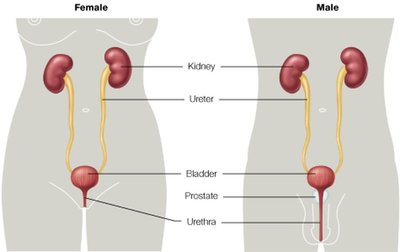
The urinary system is responsible for removing waste, balancing water and electrolytes, and regulating blood pressure and pH. It consists of the kidneys, ureters, bladder, and urethra. The anatomical differences between males and females influence infection risk and presentation.
Kidneys: Filter blood and produce urine; contain over 1,000,000 nephrons each.
Ureters: Transport urine from kidneys to bladder.
Bladder: Stores urine (up to 400 mL); stretching triggers urge to urinate.
Urethra: Shorter in females (higher UTI risk); longer and passes through the prostate in males.
Top 5 Takeaways on Urinary Tract Infections (UTIs)
Most UTIs are caused by enteric bacteria, especially UPEC (Uropathogenic Escherichia coli). E. coli from the gut is the primary cause of both uncomplicated and many complicated UTIs.
UTIs can progress from lower to upper tract and become serious. Bladder infections (cystitis) can spread to the kidneys (pyelonephritis), leading to systemic complications.
Diagnosis relies on simple indicators of infection. Leukocyte esterase (WBCs) and nitrites in urine are strong evidence of bacterial UTI.
Not all UTIs are bacterial. Viral (rare, mostly in immunocompromised), fungal (e.g., Candida), and zoonotic (e.g., Leptospira) causes exist.
Microbiomes and anatomy strongly influence infection risk. Short urethra increases UTI risk in females; Lactobacillus helps maintain protective environments.
Urinary Microbiome
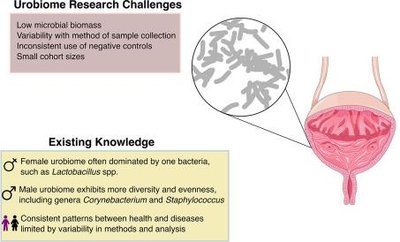
The urinary tract harbors a diverse microbiome, which plays a role in health and disease. The most common genera in a healthy urinary tract are Lactobacillus and Streptococcus. Other genera include Prevotella, Gardnerella, Peptoniphilus, Dialister, Finegoldia, Anaerococcus, Staphylococcus, Enterococcus, and more.
Classification of UTIs: Upper vs. Lower
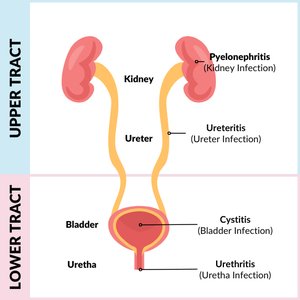
UTIs are classified based on the location of infection:
Lower UTIs: Affect the urethra (urethritis) and bladder (cystitis). Symptoms include frequent, urgent, and painful urination (dysuria), pyuria (pus in urine), hematuria (blood in urine), cloudy/smelly urine, and lower abdominal pain.
Upper UTIs: Affect the ureters (ureteritis) and kidneys (pyelonephritis). Symptoms include flank pain, fever, malaise, and can be life-threatening if untreated.
Chronic pyelonephritis: Can lead to kidney scarring and renal failure, requiring transplant or dialysis.
Diagnosis of UTIs
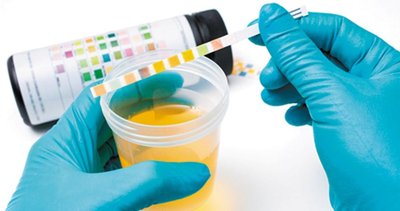
Diagnosis typically involves a clean-catch urine sample and dipstick testing:
Leukocyte esterase: Indicates white blood cells (WBCs) in urine, suggesting infection.
Nitrites: Certain bacteria reduce nitrate to nitrite; elevated nitrite is a strong UTI indicator.
General Urinary Infection Terms
Uncomplicated UTI: Occurs in healthy individuals with normal urinary tracts; usually resolves quickly with first-line drugs.
Complicated UTI: Occurs in people with catheters, malformations, or immunocompromise; may not respond to first-line drugs and tends to recur.
Catheter-associated UTIs: Most common healthcare-acquired infection and cause of secondary bacteremia.
Etiology of UTIs
Most UTIs are caused by enteric bacteria, especially Uropathogenic Escherichia coli (UPEC). Other causes include Proteus mirabilis, Klebsiella pneumoniae, Pseudomonas aeruginosa, Staphylococcus saprophyticus (notably in young women), Enterococcus faecalis, group B Streptococcus, and Staphylococcus aureus.
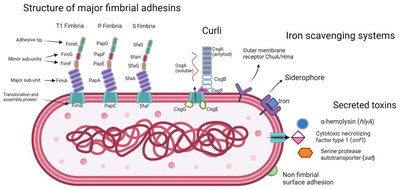
UPEC: Flagellated, Gram-negative rods with diverse virulence factors (adhesins, pili, siderophores, proteases, toxins). Can invade bladder cells and persist intracellularly.
Antibiotic Therapy for Acute Uncomplicated Cystitis
Guideline-recommended antibiotic therapy for acute uncomplicated cystitis in women:
Antibiotic agent | Recommended duration |
|---|---|
First-line regimen | |
Nitrofurantoin | 5 days |
Trimethoprim-sulfamethoxazole | 3 days |
Fosfomycin trometamol | 1 day |
Non-first-line regimen | |
Fluoroquinolones | 3 days |
β-Lactams | 3–7 days |
Trimethoprim monotherapy | 3 days |
Leptospirosis (Zoonotic UTI)
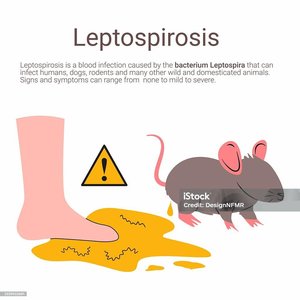
Leptospirosis is an emergent zoonosis caused by Leptospira interrogans and related species (Gram-negative spirochetes). Transmission occurs via contact with animal excrement, skin abrasions, or mucous membranes. The bacteria migrate from blood to kidneys and can cause renal failure, liver failure, meningitis, or respiratory distress.
Viral and Fungal UTIs
Viral UTIs: Rare, mostly in immunocompromised patients. Caused by adenoviruses, cytomegalovirus, BK virus, and hantavirus (causing hemorrhagic fever with renal syndrome).
Fungal UTIs: Most commonly caused by Candida species, especially in diabetics. Treated with fluconazole.
Reproductive System Microbiology
Female Reproductive Tract Anatomy and Microbiome
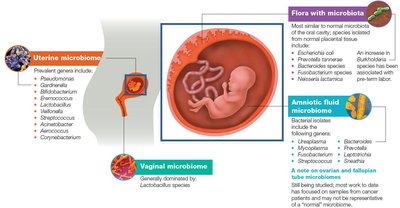
The female reproductive tract includes the ovaries, fallopian tubes, uterus, endometrium, cervix, and vagina. The vaginal canal alone harbors over 200 taxa, dominated by Lactobacillus species, which produce lactic acid and bacteriocins, maintaining a low pH (3.5–4.5) and limiting pathogen growth. Dysbiosis can occur with antibiotic use.
Pregnancy and Placental Barrier
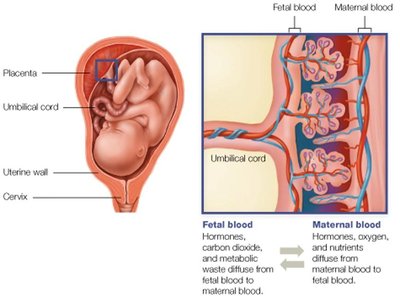
The placenta acts as a selective barrier between maternal and fetal circulation, but some pathogens can cross and cause serious complications (stillbirth, congenital defects, spontaneous abortion). The "TORCH" pathogens (Toxoplasma, Other, Rubella, Cytomegalovirus, Herpes simplex) are notable for vertical transmission.
Male Reproductive System Anatomy and Microbiome
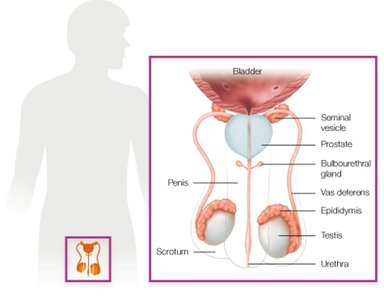
The male reproductive system includes the scrotum, testicles, epididymis, vas deferens, prostate, and penis. The seminal fluid microbiome (characterized mainly in mice) contains Firmicutes, Proteobacteria, Actinobacteria, Fusobacteria, Bacteroidetes, and Acidobacteria.
Summary Table: Common UTI Pathogens and Features
Pathogen | Type | Notes |
|---|---|---|
UPEC (E. coli) | Bacterial | Most common cause; Gram-negative rod; virulence factors include adhesins, toxins |
Proteus mirabilis | Bacterial | Occasional cause; urease production |
Klebsiella pneumoniae | Bacterial | Occasional cause |
Pseudomonas aeruginosa | Bacterial | Occasional cause; often in complicated UTIs |
Staphylococcus saprophyticus | Bacterial | 6% of uncomplicated UTIs; young women |
Candida spp. | Fungal | Common in diabetics; treated with fluconazole |
Leptospira spp. | Bacterial (spirochete) | Zoonotic; can cause severe systemic disease |
Adenovirus, CMV, BK virus | Viral | Rare; mostly in immunocompromised |
