 Back
BackChapter 9: Alcohol Nutrition, Metabolism, and Health Effects
Study Guide - Smart Notes
 Tailored notes based on your materials, expanded with key definitions, examples, and context.
Alcohol: Nutrition, Metabolism, and Health Effects
What Is Alcohol and How Is It Made?
Alcohol, specifically ethanol, is the type of alcohol found in beverages and is not an essential nutrient. It is produced by the fermentation of yeast and natural sugars in grains (for beer) and fruits (for wine). Liquor is made by distillation, which concentrates the alcohol. Other types of alcohol, such as methanol and isopropanol, are toxic to humans.
Ethanol: Safe for consumption in moderate amounts, but toxic in excess.
Fermentation: Yeast converts sugars into ethanol and carbon dioxide.
Distillation: Process to increase alcohol concentration in liquors.
Why Do People Drink Alcohol?
Alcohol is consumed for various social and psychological reasons, including relaxation, celebration, and socialization. Social drinking refers to patterns of alcohol use considered acceptable by society. Moderate alcohol consumption may offer some health benefits, such as a reduced risk of heart disease, but these benefits are age-dependent and not observed in younger individuals.
Moderate consumption: Up to one drink per day for women, two for men.
May increase HDL cholesterol and reduce blood clot risk.
Health benefits are only seen in women ≥55 years and men ≥45 years.
Standard Drink Sizes
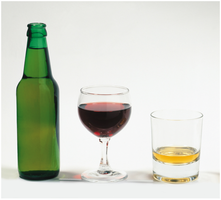
A standard drink contains about 0.5 ounces of pure alcohol. Examples include:
12-ounce beer
1.5-ounce shot of liquor
5-ounce glass of wine
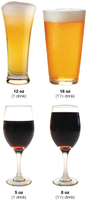
Moderate drinkers should monitor both the size and frequency of their drinks. Binge drinking (abstaining for several days, then overdrinking) is not considered moderate drinking.
How Is Alcohol Absorbed and Metabolized?
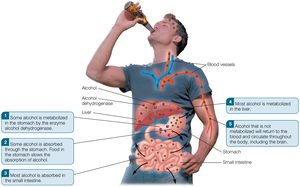
Alcohol is a toxin, and the body works quickly to metabolize and eliminate it. Absorption begins in the stomach and continues in the small intestine. The enzyme alcohol dehydrogenase in the stomach metabolizes some alcohol before absorption, but women have less of this enzyme, making them more susceptible to alcohol's effects. Food in the stomach slows absorption.
About 20% of alcohol is absorbed in the stomach, 80% in the small intestine.
Alcohol is primarily metabolized in the liver at a rate of about one standard drink every 1.5 to 2 hours.
Alcohol dehydrogenase converts alcohol to acetaldehyde, which is further metabolized to carbon dioxide and water.
The microsomal ethanol-oxidizing system (MEOS) is activated with chronic high intake.
Alcohol circulates in the blood until metabolized; blood alcohol concentration (BAC) correlates with breath alcohol levels.
Blood Alcohol Concentration (BAC)
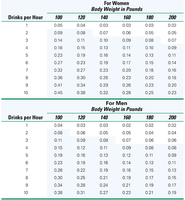
BAC is a measure of grams of alcohol per deciliter of blood. It is influenced by the number of drinks, body weight, sex, and time.
Drinks per Hour | Body Weight (Women) | Body Weight (Men) |
|---|---|---|
1 | 0.04–0.05 | 0.03–0.04 |
2 | 0.09–0.10 | 0.06–0.08 |
3 | 0.13–0.15 | 0.09–0.12 |
4 | 0.17–0.20 | 0.12–0.16 |
5 | 0.22–0.25 | 0.15–0.20 |
6 | 0.26–0.30 | 0.18–0.24 |
7 | 0.31–0.35 | 0.21–0.28 |
8 | 0.35–0.40 | 0.24–0.32 |
9 | 0.40–0.45 | 0.27–0.36 |
10 | 0.45–0.50 | 0.30–0.39 |
Harmful Effects of Alcohol
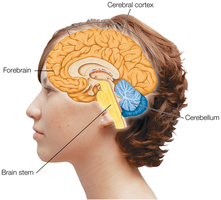
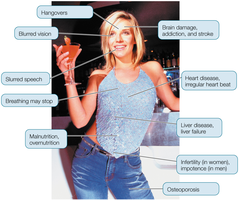
Alcohol acts as a depressant on the central nervous system, slowing nerve impulse transmission and impairing thoughts, actions, and behavior. The more consumed, the more areas of the brain are affected, and high doses can suppress vital functions, leading to death.
Disrupts sleep and causes hangovers (headache, fatigue, nausea, dehydration).
Acts as a diuretic, causing dehydration and electrolyte imbalances.
Interferes with hormones (insulin, glucagon, parathyroid hormone, estrogen, reproductive hormones).
May increase risk of osteoporosis and breast cancer.
Contributes to both overnutrition (weight gain, abdominal fat) and malnutrition (displacement of nutritious foods, impaired absorption of nutrients such as protein, zinc, magnesium, thiamin, folate, and vitamins B12, A, D, E, K).
Thiamin deficiency can lead to Wernicke-Korsakoff syndrome.
Calories in Alcoholic Drinks
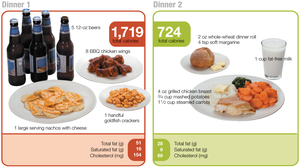
Alcohol provides 7 kcal/g, which can contribute significantly to daily caloric intake and weight gain.
Effects on Organs
Can cause inflammation and cancers of the esophagus, mouth, and throat.
May lead to gastritis, stomach ulcers, hypertension, and heart tissue damage.
Increases endotoxin production, harming the liver.
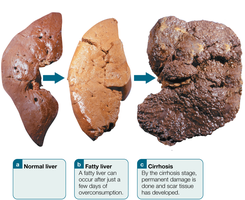
Alcoholic liver disease progresses through three stages: fatty liver, alcoholic hepatitis, and cirrhosis.
Alcohol and Pregnancy
Alcohol consumption during pregnancy can cause fetal alcohol spectrum disorders (FASDs), with fetal alcohol syndrome (FAS) being the most severe form. These disorders cause permanent physical, mental, and behavioral abnormalities. The only safe amount of alcohol during pregnancy is none.
Alcohol Use Disorder (AUD)
Alcohol Use Disorder (AUD) is characterized by continued alcohol consumption despite negative social, psychological, or physical consequences. Binge drinking, drinking and driving, and underage drinking are forms of alcohol abuse.
Binge drinking: 5+ drinks for men, 4+ for women in about two hours.
Associated with increased risk of injuries, accidents, violence, and health problems.
Chronic drinking leads to tolerance and dependence.
Withdrawal symptoms may occur when not drinking.
Diagnostic Criteria for AUD
The presence of at least 2 of the following symptoms in the past year indicates AUD:
Drinking more or longer than intended
Unsuccessful attempts to cut down
Spending a lot of time drinking or recovering
Interference with responsibilities
Continued use despite problems
Giving up important activities
Risky behaviors while drinking
Continued use despite mental/physical health issues
Increased tolerance
Withdrawal symptoms
Severity: Mild (2–3 symptoms), Moderate (4–5), Severe (6+).
Prevention and Treatment
Support from healthcare providers can help reduce consumption in mild cases.
Severe cases may require counseling, medical support, and ongoing programs such as Alcoholics Anonymous (AA).
Who Should Avoid Alcohol?
Women who are or may become pregnant
Children and adolescents
Individuals taking medications that interact with alcohol
People with certain medical conditions (e.g., liver disease)
Those engaging in activities requiring attention or coordination
Anyone unable to restrict intake
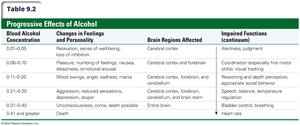
Summary Table: Progressive Effects of Alcohol
Blood Alcohol Concentration | Changes in Feelings and Personality | Brain Regions Affected | Impaired Functions |
|---|---|---|---|
0.01–0.05 | Relaxation, sense of well-being, loss of inhibition | Cerebral cortex | Alertness, judgment |
0.06–0.10 | Minor impairment of reasoning, memory, attention, mood swings, exaggerated emotions | Cerebral cortex, forebrain | Coordination, depth perception, reasoning, balance |
0.11–0.20 | Mood swings, reduced sensation, mania | Cerebral cortex, forebrain, cerebellum | Speech, balance, temperature regulation |
0.21–0.35 | Aggression, reduced sensations, confusion, stupor | Cerebral cortex, forebrain, cerebellum, brain stem | Speech, balance, temperature regulation, breathing |
0.36 and greater | Unconsciousness, coma, death possible | Entire brain | Heart rate, breathing |
Key Equations
Alcohol Metabolism:
Calories from Alcohol:
Additional info:
Alcohol is not stored in the body and is prioritized for metabolism over other nutrients.
Chronic alcohol use can lead to addiction, liver disease, and increased risk of several cancers.
