 Back
Carbohydrates, Fiber, Sweeteners, and Diabetes: Nutrition Study Guide
Study Guide - Smart Notes
 Tailored notes based on your materials, expanded with key definitions, examples, and context.
Carbohydrates: Types, Metabolism, and Dietary Recommendations
Fructose vs. Glucose Metabolism
Carbohydrates are a primary source of energy for the human body, but different types are metabolized in distinct ways. Fructose is absorbed farther down in the small intestine and does not stimulate insulin release from the pancreas, unlike glucose. Insulin release inhibits food intake, so consuming fructose may lead to higher total calorie intake compared to glucose. Additionally, fructose enters body cells via a transport protein not present in brain cells, meaning it cannot stimulate satiety signals in the brain. This lack of satiety may contribute to overeating and is linked to the obesity epidemic.
Recommended Carbohydrate Intake
The Recommended Dietary Allowance (RDA) for carbohydrates is 130 grams per day, which is sufficient to supply adequate glucose to the brain but not to fuel daily activities. The Acceptable Macronutrient Distribution Range (AMDR) for carbohydrates is 45–65% of daily calorie intake. It is recommended to focus on whole grain, high-fiber, and unprocessed foods for optimal health.
Whole grains are preferred sources of carbohydrates.
Most people in the U.S. consume too much added sugar.
Added sugars are sugars added during processing or preparation and are found in beverages, desserts, snacks, and even unexpected sources like peanut butter and salad dressing.
Added sugars are not chemically different from naturally occurring sugars but have fewer vitamins.
Limit foods with added sugar listed as one of the first few ingredients on the label.
Honey vs. Table Sugar
Sucrose (table sugar) and honey both contain glucose and fructose. Honey does not provide more nutrients than sucrose and actually contains more calories per tablespoon due to its liquid form. Thus, honey is not a more healthful choice than table sugar.
Health Effects of Sugars
Excessive sugar intake is associated with several health problems:
Dental problems and tooth decay
Increased risk of heart disease
Higher risk of type 2 diabetes
Weight gain and obesity (due to excess calorie intake)
Sugars and Tooth Decay
Dental caries are caused by bacteria that feed on sugar, producing acids that damage tooth enamel. Sticky foods and slowly consumed sweetened beverages increase the risk for tooth decay.
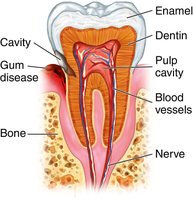
Dietary Fiber: Recommendations and Sources
Fiber Intake and Whole Grains
Most people in the U.S. eat too little dietary fiber. The Adequate Intake (AI) for fiber is 14 grams per 1,000 kcal daily (25 g for females; 38 g for males). Whole-grain foods, vegetables, fruits, nuts, and legumes are excellent sources of dietary fiber. Whole grains retain the bran, endosperm, and germ, providing fiber, vitamins, minerals, carbohydrates, protein, and healthful fats.
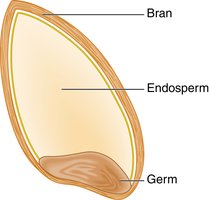
Fiber Content of Common Foods
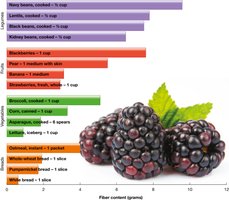
Different foods provide varying amounts of dietary fiber. Beans, fruits, vegetables, and whole grains are among the best sources.
Recognizing Carbohydrates on Food Labels
Nutrition Facts and Ingredient Lists
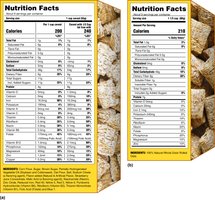
Reading food labels and ingredient lists is essential for identifying carbohydrate sources, including added sugars and fiber content. Whole-grain foods may also be high in added sugars, so careful label reading is necessary.
Alternative Sweeteners
Types and Properties
Alternative sweeteners are used to reduce calorie intake and minimize health risks associated with sugar consumption. They are classified as:
Nutritive sweeteners: Provide 4 kcal energy per gram (e.g., sucrose, fructose, honey, brown sugar).
Sugar alcohols: Provide 2–3 kcal energy per gram, decrease glycemic response, and reduce risk of dental caries.
Non-nutritive sweeteners: Provide little or no energy, developed to sweeten foods without promoting tooth decay or weight gain.
Major health agencies have determined these products are safe in moderation. Acceptable Daily Intakes (ADIs) have been established for aspartame, sucralose, and acesulfame-K, but not for saccharin.
Diabetes: Types, Causes, and Risk Factors
Definition and Cellular Damage
Diabetes is a chronic disease in which the body can no longer regulate glucose within normal limits. Chronic hyperglycemia (high blood glucose) damages blood vessels and other tissues. Glucose attaches to proteins in blood vessels, causing dysfunction and leading to macrovascular (cardiovascular disease) and microvascular (kidney, retinal, neuropathy) complications. Uncontrolled diabetes impairs carbohydrate metabolism, leading to breakdown of fat and production of ketones, which can cause ketoacidosis.
Types of Diabetes
Type 1 diabetes: Body does not produce enough insulin; classified as an autoimmune disease; most frequently diagnosed in adolescents; has a genetic link; may lead to ketoacidosis, coma, and death.
Type 2 diabetes: Accounts for 90–95% of cases; develops progressively; body cells become insensitive to insulin; obesity is the most common trigger; variations include insulin resistance, impaired fasting glucose, and prediabetes; pancreas eventually cannot produce insulin.
LADA (Latent Autoimmune Diabetes in Adults): Develops progressively; pancreas stops functioning more quickly than in type 2 diabetes; may occur in normal or underweight adults; estimated up to 10% of adults with diabetes have LADA.
Risk Factors for Type 2 Diabetes
Increased age
Family history
Race/ethnicity
Obesity
Physical inactivity
Poor diet
Metabolic syndrome (abdominal obesity, high blood pressure, high blood glucose, unhealthful blood lipids)
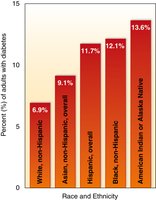
Lifestyle Choices to Reduce Risk
Follow a healthful eating pattern
Limit intake of added sugars
Choose fiber-rich foods like whole grains
Limit consumption of red meats and processed meats
Engage in regular physical activity
Avoid smoking
Key Terms and Definitions
RDA (Recommended Dietary Allowance): The average daily dietary intake level sufficient to meet the nutrient requirements of nearly all healthy individuals.
AMDR (Acceptable Macronutrient Distribution Range): The range of intake for a particular energy source associated with reduced risk of chronic disease while providing adequate intakes of essential nutrients.
AI (Adequate Intake): A recommended average daily nutrient intake level based on observed or experimentally determined estimates.
Nutritive sweeteners: Sweeteners that provide calories.
Sugar alcohols: Sweeteners that provide fewer calories than sugar and have a lower glycemic response.
Non-nutritive sweeteners: Sweeteners that provide little or no calories.
Acceptable Daily Intake (ADI): The maximum amount of a substance that can be consumed daily over a lifetime without adverse effects.
Important Equations
Fiber Adequate Intake:
Carbohydrate AMDR:
Carbohydrate RDA:
Example: If a person consumes 2,000 kcal per day, their fiber AI would be:
Additional info: Academic context was added to clarify the metabolic differences between fructose and glucose, the health effects of sugars, and the mechanisms of diabetes-related tissue damage.
