 Back
BackCarbohydrates: Structure, Function, and Health Implications
Study Guide - Smart Notes
 Tailored notes based on your materials, expanded with key definitions, examples, and context.
Carbohydrates: Sugar, Starches, and Fibre
Introduction to Carbohydrates
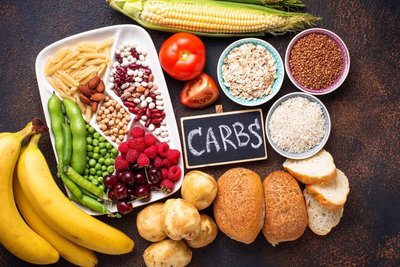
Carbohydrates are organic compounds composed of carbon, hydrogen, and oxygen (CHO). They are the most abundant macronutrient in the human diet and serve as a primary energy source. Through photosynthesis, plants synthesize glucose from carbon dioxide, water, and sunlight, forming the basis of most dietary carbohydrates.
Definition: Carbohydrates are molecules consisting of carbon, hydrogen, and oxygen, typically with a hydrogen:oxygen atom ratio of 2:1.
Role: Provide energy, support cellular structure, and contribute to cell signaling.
Dietary Importance: Largest proportion of energy intake in most diets.
Types of Carbohydrates
Simple and Complex Carbohydrates
Carbohydrates are classified based on their chemical structure and digestibility. Simple carbohydrates include sugars, while complex carbohydrates encompass starches and fibre.
Simple Carbohydrates (Sugars): Monosaccharides and disaccharides, such as glucose, fructose, and sucrose.
Complex Carbohydrates: Oligosaccharides (short chains) and polysaccharides (long chains), including starch, glycogen, and fibre.
Monosaccharides and Disaccharides
Monosaccharides are single sugar units, while disaccharides consist of two monosaccharide units joined by a glycosidic bond.
Monosaccharides: Glucose, fructose, galactose.
Disaccharides: Sucrose (glucose + fructose), lactose (glucose + galactose), maltose (glucose + glucose).


Polysaccharides: Starch, Glycogen, and Fibre
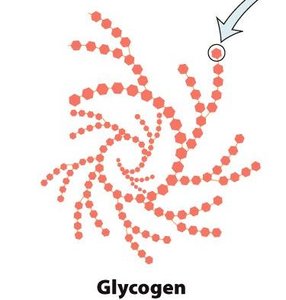
Polysaccharides are long chains of monosaccharide units. Starch and fibre are plant polysaccharides, while glycogen is the animal storage form.
Starch: Major digestible complex carbohydrate in the diet, found in grains, legumes, and starchy vegetables. Exists as amylose (linear) and amylopectin (branched).
Glycogen: Highly branched glucose polymer stored in animal liver and muscle. Provides rapid energy release during activity.
Fibre: Indigestible plant material, important for gastrointestinal health.
Whole Grains vs. Refined Grains
Grain Structure and Nutritional Value
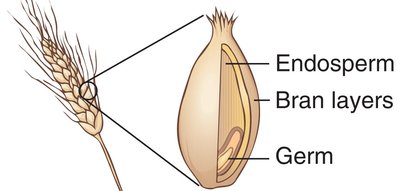
Whole grains retain all parts of the grain kernel, while refined grains are processed to remove the bran and germ, resulting in nutrient loss.
Bran: Rich in fibre and vitamins.
Germ: Contains healthy fats and vitamin E.
Endosperm: Primarily starch and some protein.
Indigestible Carbohydrates: Fibre and Resistant Starch
Types and Functions of Fibre
Fibre is classified as soluble or insoluble, each with distinct physiological effects.
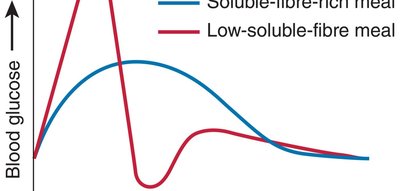
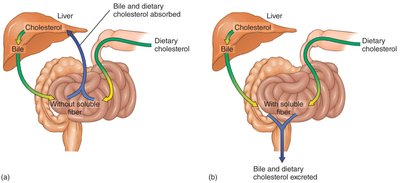
Soluble Fibre: Dissolves in water, forms gels, slows glucose absorption, lowers blood cholesterol, and promotes healthy gut flora. Sources include oats, legumes, and fruits.
Insoluble Fibre: Does not dissolve in water, increases stool bulk, decreases intestinal transit time, and supports colon health. Sources include whole grains and vegetables.
Digestion and Absorption of Carbohydrates
Digestive Process
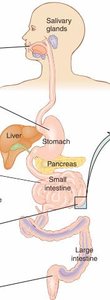
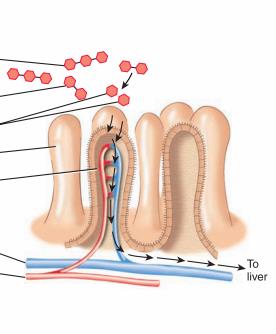
Carbohydrate digestion begins in the mouth and continues through the small intestine, where enzymes break down polysaccharides into absorbable monosaccharides.
Salivary Amylase: Initiates starch breakdown in the mouth.
Pancreatic Amylase: Continues starch digestion in the small intestine.
Brush Border Enzymes: Maltase, sucrase, and lactase complete digestion to monosaccharides.
Carbohydrate Metabolism
Glucose Utilization and Storage
Absorbed monosaccharides are transported to the liver, where fructose and galactose are converted to glucose. Glucose is used for immediate energy or stored as glycogen in the liver and muscles.
Cellular Respiration: Glucose is metabolized with oxygen to produce ATP, the cell’s energy currency.
Glycogen Storage: Excess glucose is stored as glycogen for later use.
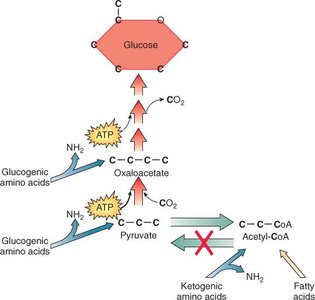
Protein and Fat Metabolism When CHO Intake is Low
When carbohydrate intake is insufficient, the body uses protein and fat for energy, leading to the production of ketone bodies.
Protein Sparing: Adequate carbohydrate prevents protein breakdown for energy.
Ketone Bodies: Produced from fat metabolism during low carbohydrate intake, starvation, or uncontrolled diabetes.
Blood Glucose Regulation
Hormonal Control
Blood glucose is tightly regulated by the hormones insulin and glucagon, produced by the pancreas.
Insulin: Lowers blood glucose by promoting cellular uptake and storage as glycogen or fat.
Glucagon: Raises blood glucose by stimulating glycogen breakdown and glucose release from the liver.
Glycemic Response and Glycemic Index
The glycemic response measures how quickly and how much a food raises blood glucose levels. The glycemic index ranks foods based on this effect.
High Glycemic Index Foods: Cause rapid spikes in blood glucose.
Low Glycemic Index Foods: Result in slower, more gradual increases.
Carbohydrate-Related Disorders
Lactose Intolerance
Lactose intolerance results from a deficiency of the enzyme lactase, leading to gastrointestinal symptoms when consuming dairy products.
Symptoms: Bloating, flatulence, cramping, diarrhea.
Mechanism: Undigested lactose is fermented by bacteria in the large intestine.
Diabetes Mellitus
Diabetes is characterized by abnormal blood glucose regulation, leading to chronic hyperglycemia and associated complications.
Type 1 Diabetes: Autoimmune destruction of insulin-producing cells; requires insulin therapy.
Type 2 Diabetes: Insulin resistance and impaired insulin production; managed with lifestyle changes and medications.
Gestational Diabetes: Occurs during pregnancy; increases risk of developing type 2 diabetes later in life.
Carbohydrates and Health
Heart Disease
Diets high in sugar and refined carbohydrates can raise blood lipid levels and increase the risk of heart disease. Whole grains and high-fibre diets are protective.
Bowel Disorders
High-fibre diets can prevent or relieve bowel disorders such as hemorrhoids, diverticulosis, diverticulitis, and constipation. Fibre intake is also associated with a lower risk of colon cancer.
Dental Caries
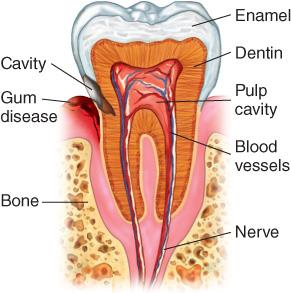
Sticky and sugary foods promote bacterial growth and acid production, leading to dental caries. Good oral hygiene and limiting sugar intake are preventive measures.
Dietary Recommendations and Food Choices
Recommended Intake
RDA for Carbohydrates: 130 g/day for adults and children (minimum for brain function).
AMDR: 45–65% of total energy intake from carbohydrates.
Fibre: AI is 38 g/day for men and 25 g/day for women.
Added Sugars: Should be ≤ 25% of total carbohydrate intake.
Choosing Healthy Carbohydrates
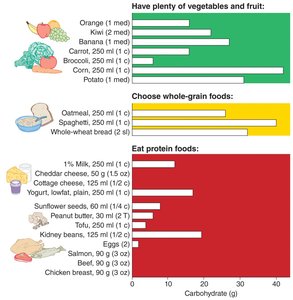
Emphasize whole foods such as grains, vegetables, fruits, and legumes. Limit refined grains and added sugars for optimal health.
Reading Food Labels
Claim | Definition |
|---|---|
Sugar-free | Less than 0.5 g sugars per serving |
Reduced sugar | 25% less sugar than reference product |
Lower in sugar | 25% less sugar than reference food |
No added sugars | No sugar added during processing |
Source of fibre | At least 2 g/serving |
High source of fibre | At least 4 g/serving |
Very high source of fibre | At least 6 g/serving |
Non-Nutritive Sweeteners and Sugar Alcohols
Alternative Sweeteners
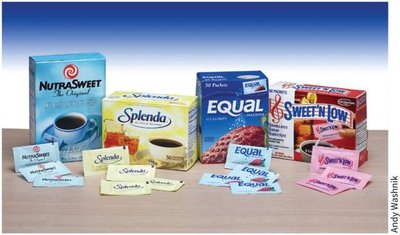
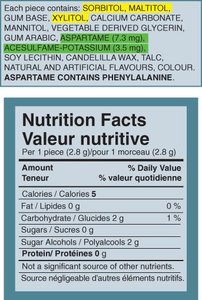
Non-nutritive sweeteners provide sweetness with little or no energy. Common examples include saccharin, aspartame, sucralose, and acesulfame K. Sugar alcohols (e.g., xylitol, sorbitol) are used in sugar-free products and provide fewer calories than sugar but may cause gastrointestinal discomfort in large amounts.
Calculating Carbohydrate Intake
Determining Percent Energy from Carbohydrate
To calculate the percentage of energy from carbohydrates in a diet:
Multiply grams of carbohydrate by 4 kcal/g to get total carbohydrate energy.
Divide carbohydrate energy by total energy intake and multiply by 100.
Formula:
Example: 350 g carbohydrate in a 2,500 kcal diet:
