Back
Carbohydrates: Structure, Function, Digestion, and Health Implications
Study Guide - Smart Notes
 Tailored notes based on your materials, expanded with key definitions, examples, and context.
Carbohydrates: Structure, Classification, and Sources
What Are Carbohydrates?
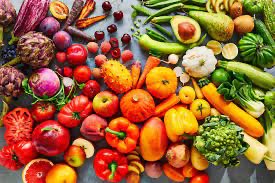
Carbohydrates are organic compounds produced by plants during photosynthesis, serving as a primary energy source for humans. After consumption, carbohydrates are converted into glucose, the most abundant carbohydrate and the preferred energy source for the body, especially the brain and red blood cells.
Key Point: Carbohydrate-rich plant foods form the foundation of diets worldwide.
Key Point: Glucose is the main fuel for the brain.

Classification of Carbohydrates
Carbohydrates are classified based on their complexity and the number of sugar units:
Simple carbohydrates: Monosaccharides (single sugar units) and disaccharides (two sugar units).
Oligosaccharides: Contain 3–10 monosaccharide units.
Complex carbohydrates: Polysaccharides (many sugar units).
Monosaccharides: Single Sugar Units
Monosaccharides are the simplest form of carbohydrates. The three nutritionally important monosaccharides are:
Glucose: Most abundant; main energy source for the brain and red blood cells.
Fructose: Sweetest natural sugar; found in fruits and high-fructose corn syrup.
Galactose: Usually found as part of lactose; rarely occurs alone.
All three are hexose sugars (C6H12O6) with distinct structural differences. 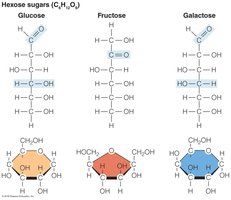
Disaccharides: Two Sugar Units
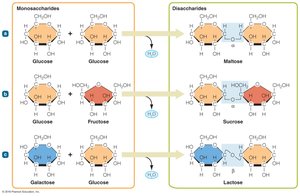
Disaccharides are formed by condensation reactions between two monosaccharides. The main disaccharides are:
Sucrose: Glucose + Fructose (table sugar; found in sugar cane/beets).
Lactose: Glucose + Galactose (milk sugar; found in dairy).
Maltose: Glucose + Glucose (formed during starch digestion).
Oligosaccharides: Intermediate Complexity
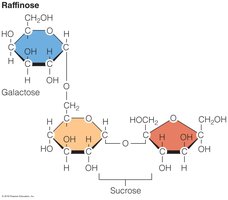
Oligosaccharides contain 3–10 monosaccharide units and share properties with both monosaccharides and polysaccharides.
Key Point: Found in legumes, beans, cabbage, brussels sprouts, broccoli, and human breast milk.
Key Point: Some escape digestion and contribute to dietary fiber.
Polysaccharides: Many Sugar Units
Starch
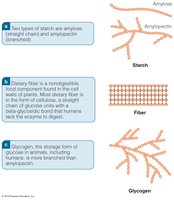
Plants store glucose as starch, which exists in two forms:
Amylose: Straight chain; more resistant to digestion.
Amylopectin: Branched chain; easier to digest.
Resistant starch is not digested in the GI tract and may improve digestive health and glucose tolerance.
Fiber
Most dietary fiber is a nondigestible polysaccharide, primarily cellulose, which forms plant cell walls. 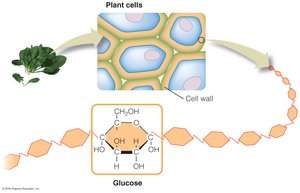
Comparison of Starch, Fiber, and Glycogen
Starch: Storage form of glucose in plants.
Fiber: Nondigestible; structural component in plants.
Glycogen: Storage form of glucose in animals; highly branched.
Types of Dietary Fiber
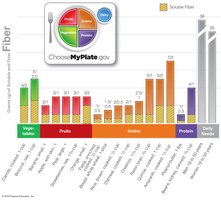
Soluble fiber: Dissolves in water, easily fermented, lowers cholesterol and blood glucose, aids appetite control.
Insoluble fiber: Does not dissolve, increases stool bulk, relieves constipation.
Digestion and Absorption of Carbohydrates
Digestive Process
Carbohydrate digestion begins in the mouth with salivary amylase, continues in the small intestine with pancreatic amylase, and finishes with enzymes (maltase, sucrase, lactase) breaking down disaccharides. Fiber passes undigested. 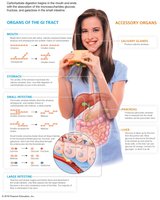
Absorption and Storage
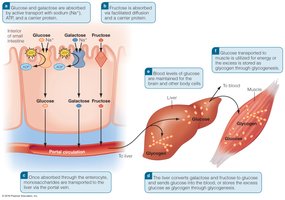
Monosaccharides are absorbed through the intestinal mucosa and transported to the liver via the portal vein.
Galactose and fructose: Used for energy or converted to glucose.
Glucose: Used for energy, stored as glycogen, or converted to fat for storage.
Functions of Carbohydrates in the Body
Energy and Blood Glucose Regulation
Provide energy: 4 kcal/gram.
Maintain blood glucose: Glucose is primary fuel for the brain.
Spare protein: Prevents gluconeogenesis and ketosis.
Blood Glucose Regulation
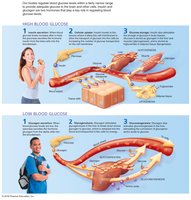
The body maintains blood glucose between 70–110 mg/dL using hormones:
Insulin: Lowers blood glucose, stimulates glycogenesis and lipogenesis, inhibits lipolysis.
Glucagon: Raises blood glucose, stimulates glycogenolysis and gluconeogenesis.
Epinephrine, norepinephrine, cortisol, growth hormone: Also regulate glucose metabolism.
Hypoglycemia
Definition: Blood glucose < 70 mg/dL.
Symptoms: Hunger, dizziness, confusion, weakness, sweating.
Treatment: Consume carbohydrate-rich foods, eat smaller balanced meals.
Dietary Fiber and Health
Health Benefits of Fiber
Reduces risk of bowel irregularity, constipation, diverticulitis, obesity, heart disease, cancer, and diabetes.
Increases satiety, reduces food intake.
May reduce absorption of minerals if diet is low in iron or zinc.
Fiber and Digestive Health
Constipation: Insoluble fiber reduces transit time; soluble fiber increases stool bulk.
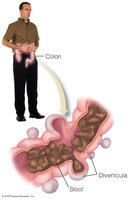
Diverticulosis: Chronic constipation can lead to formation of diverticula; infection is diverticulitis.
Fiber and Chronic Disease Prevention
Heart disease: Soluble fiber lowers cholesterol by binding bile acids.
Diabetes: Soluble fiber slows glucose absorption, improves blood glucose control.
Cancer: Fiber reduces contact time of carcinogens with intestinal lining, promotes healthy gut bacteria.
Recommendations and Food Sources
Carbohydrate and Fiber Intake
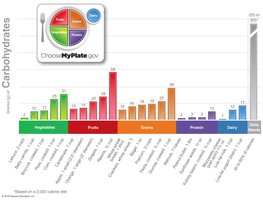
DRI for carbohydrates: Minimum 130 g/day.
AMDR: 45–65% of total kcal/day.
DRI for fiber: 14 g per 1,000 kcal; AI: 25–38 g/day.
Best Food Sources
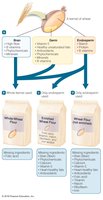
Whole grains: Rich in complex carbohydrates and fiber; recommended at least 3 servings/day.
Vegetables, fruits, legumes: Provide simple sugars, starch, and fiber.
Dairy: Contains lactose; choose low-fat or fat-free options.
Nuts and seeds: Good sources of fiber, little starch.
Glycemic Index and Glycemic Load
Definitions and Applications
Glycemic Index (GI): Measures how quickly foods raise blood glucose.
Glycemic Load (GL): Adjusts GI for the amount of carbohydrate consumed.
Low GI foods: Corn tortillas, apples, rolled oats; beneficial for health.
Natural Sugars, Added Sugars, and Sugar Substitutes
Types of Sugars
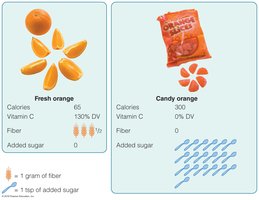
Natural sugars: Found in fruits and dairy; nutrient dense.
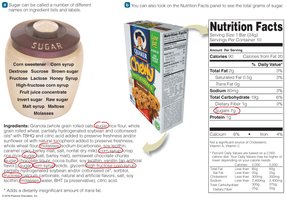
Added sugars: Added during processing; provide empty calories.
Added Sugars in Food Processing
Used to keep products moist, provide color, act as preservatives, thickeners, and sweeteners.
Main source: Sweetened beverages.
Sugar Substitutes
Polyols (sugar alcohols): Used in gums, candies; can cause diarrhea in excess.
Saccharin: Oldest artificial sweetener.
Aspartame: 200x sweeter than sucrose; not suitable for individuals with PKU.
Acesulfame-K, Sucralose: Not metabolized; excreted unchanged.
Diabetes: Mechanisms, Symptoms, and Treatment
Definition and Prevalence
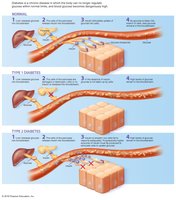
Diabetes mellitus is a condition characterized by insufficient insulin or resistance to insulin, resulting in elevated blood glucose.
29.1 million Americans affected; rising rates in children.
Medical costs are significant.
Types of Diabetes
Type 1: Autoimmune destruction of pancreatic beta cells; no insulin produced; requires daily injections.
Type 2: Insulin resistance; associated with overweight/obesity; most common form.
Prediabetes: Impaired glucose tolerance; fasting blood sugar 100–126 mg/dL.
Gestational diabetes: Develops during pregnancy; due to hormone-induced insulin resistance.
Diagnosis and Long-Term Effects
A1C test: Measures average blood glucose over 3 months.
Long-term complications: Nerve damage, amputations, eye disease, blindness, kidney disease, heart disease.
Management and Prevention
Balanced diet, regular physical activity, weight management, and ongoing education are key for prevention and control.
Copyright Notice