 Back
Lipids: Structure, Function, Digestion, and Health Implications
Study Guide - Smart Notes
 Tailored notes based on your materials, expanded with key definitions, examples, and context.
Lipids: Structure, Function, Digestion, and Health Implications
Definition and Classification of Lipids
Lipids are a diverse group of hydrophobic compounds essential for human health. They include triglycerides, phospholipids, and sterols, each with unique structural and functional properties. - Lipids are composed of carbon, hydrogen, and oxygen, and are insoluble in water. - Triglycerides are the most abundant lipids in foods and the body, consisting of a glycerol backbone and three fatty acids. - Phospholipids contain a glycerol backbone, two fatty acids, a phosphate group, and a nitrogen-containing compound. - Sterols are complex molecules with four interconnected rings of carbon and hydrogen, such as cholesterol. 
Structure of Fatty Acids
Fatty acids are the building blocks of triglycerides and phospholipids. Their structure determines their function and properties. - Each fatty acid has a carboxyl group at the alpha end and a methyl group at the omega end. - Fatty acids vary in chain length (2–80 carbons), degree of saturation, and shape. 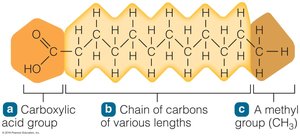
Classification by Chain Length
- Short-chain fatty acids: 2–4 carbons - Medium-chain fatty acids: 6–10 carbons - Long-chain fatty acids: 12 or more carbons (most common in foods)
Degree of Saturation
The degree of saturation affects the physical properties and health effects of fatty acids. - Saturated fatty acids: All carbons are bound to hydrogen; no double bonds; solid at room temperature; higher melting point. - Unsaturated fatty acids: One or more double bonds; liquid at room temperature; lower melting point. - Monounsaturated fatty acids (MUFA): One double bond. - Polyunsaturated fatty acids (PUFA): Two or more double bonds. 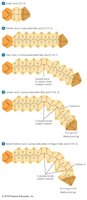
Shape and Stability of Fatty Acids
- Cis form: Hydrogens on the same side of the double bond, causing a bend in the molecule. - Trans form: Hydrogens on opposite sides, resulting in a straighter molecule. - Unsaturated fats are more prone to rancidity due to less stable double bonds. 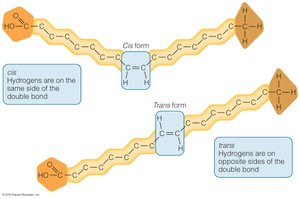
Physical Properties in Foods
- Saturated fatty acids contribute to solid textures (e.g., butter). - Unsaturated fatty acids contribute to liquid textures (e.g., oils). 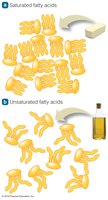
Structure and Function of Triglycerides
Triglycerides are the main form of fat in the diet and body. - Composed of a glycerol backbone and three fatty acids. - Functions: Add texture to foods, preserve freshness, store energy in adipose tissue. 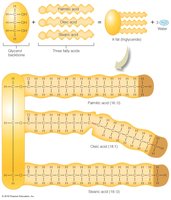
Phospholipids and Their Role
Phospholipids are essential for cell membrane structure and function. - Hydrophilic (water-loving) head and hydrophobic (water-fearing) tail. - Form the phospholipid bilayer in cell membranes. - Lecithin is a common dietary phospholipid and acts as an emulsifier. 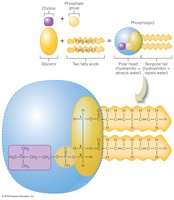
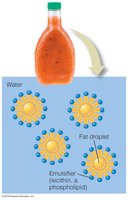
Sterols: Cholesterol and Plant Sterols
Sterols are complex lipids that do not provide energy. - Cholesterol: Found in animal products; precursor to vitamin D, hormones, and bile acids. - Phytosterols: Found in plants; can lower LDL cholesterol by competing for absorption. 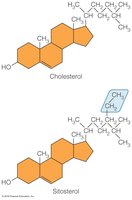
Lipid Digestion, Absorption, and Transport
Lipid digestion begins in the mouth and stomach, but most occurs in the small intestine. - Lipases are enzymes that break down lipids. - Bile acids emulsify fat droplets, allowing pancreatic lipase to digest them. - Micelles transport digested lipids across the intestinal wall. 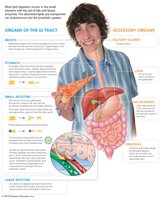
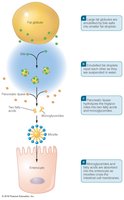
Lipid Absorption
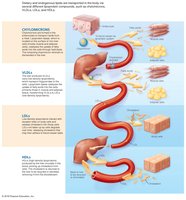
- Glycerol and short- to medium-chain fatty acids are absorbed directly into the bloodstream. - Long-chain fatty acids are packaged into chylomicrons, which enter the lymphatic system before reaching the bloodstream. 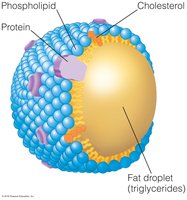
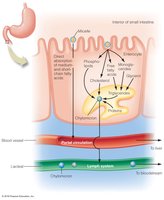
Lipoproteins: Transport of Lipids in the Blood
Lipoproteins are complexes that transport lipids in the circulatory system. - Chylomicrons: Transport dietary lipids from the intestine. - Very-low-density lipoproteins (VLDL): Transport triglycerides and cholesterol from the liver. - Low-density lipoproteins (LDL): Carry cholesterol to tissues; "bad cholesterol." - High-density lipoproteins (HDL): Carry cholesterol from tissues to the liver; "good cholesterol." 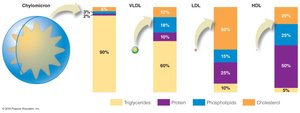
Functions of Lipids in the Body
Lipids are vital for energy, cell structure, metabolism, and protection. - Provide 9 kcal/g, the most concentrated energy source. - Form cell membranes and regulate metabolism. - Enhance absorption of fat-soluble vitamins (A, D, E, K). - Insulate the body and cushion organs.
Fat Storage and Energy
- Excess fat is stored in adipocytes (fat cells), which can expand greatly. - Fat is the preferred fuel for the heart, liver, and resting muscle. 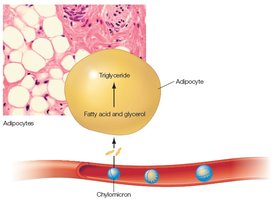
Essential Fatty Acids and Eicosanoids
- Linoleic acid (omega-6): Converted to arachidonic acid. - Alpha-linolenic acid (omega-3): Converted to EPA and DHA. - Eicosanoids: Hormone-like substances regulating blood clotting, inflammation, and blood pressure. 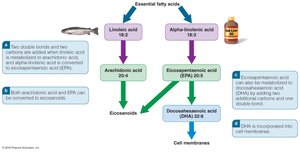
Cholesterol: Synthesis and Functions
- Used to make vitamin D, sex hormones, and bile acids. 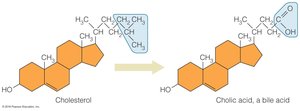
Cell Membrane Structure
- Phospholipids and cholesterol are key components of cell membranes, providing stability and fluidity. 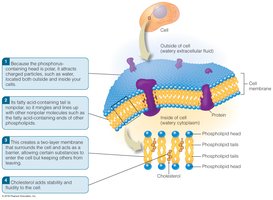
Dietary Recommendations for Lipids
Proper intake of fats is crucial for health. - AMDR: 20–35% of daily calories from fat. - Saturated fat: Less than 10% of calories (<7% ideal). - Trans fat: Less than 1% of calories. - Linoleic acid: 5–10% of calories. - Alpha-linolenic acid: 0.6–1.2% of calories.
Food Sources of Essential Fatty Acids
- Linoleic acid: Vegetable oils, nuts, seeds. - Alpha-linolenic acid: Walnuts, flaxseeds, canola oil, fatty fish. 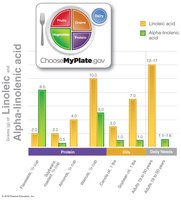
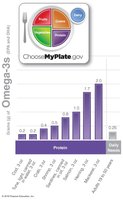
Reducing Saturated and Trans Fats
- Limit animal fats and tropical oils. - Choose plant oils and fatty fish. - Read Nutrition Facts panels for fat content. 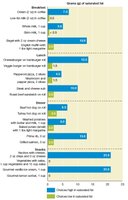
Trans Fats and Cholesterol
- Trans fats are formed during hydrogenation and raise LDL while lowering HDL cholesterol. - Dietary cholesterol is mainly from animal products; plant sterols can lower LDL.
Heart Disease: Atherosclerosis and Risk Factors
Cardiovascular disease is the leading cause of death in the U.S., often beginning with atherosclerosis. - Injury to arterial lining leads to inflammation and plaque formation. - LDL cholesterol is a major risk factor. 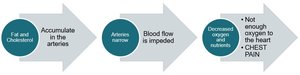
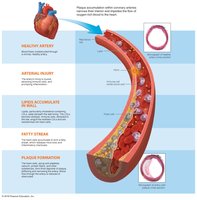
Risk Reduction Strategies
- Lower saturated and trans fat intake. - Increase omega-3 fatty acids and plant foods. - Consume antioxidants and phytochemicals. - Exercise regularly and avoid smoking.
Alcohol and Heart Health
- Moderate alcohol intake may increase HDL and reduce clotting, but only in middle-aged adults. - Recommended: 1 drink/day for women, 2 drinks/day for men. Additional info: Tables referenced in the original file (e.g., risk factors, cholesterol concentrations, LDL reduction strategies) are not fully visible, but key points have been summarized in the notes above.
